How Much Cash Should You Carry When Traveling in Mexico?
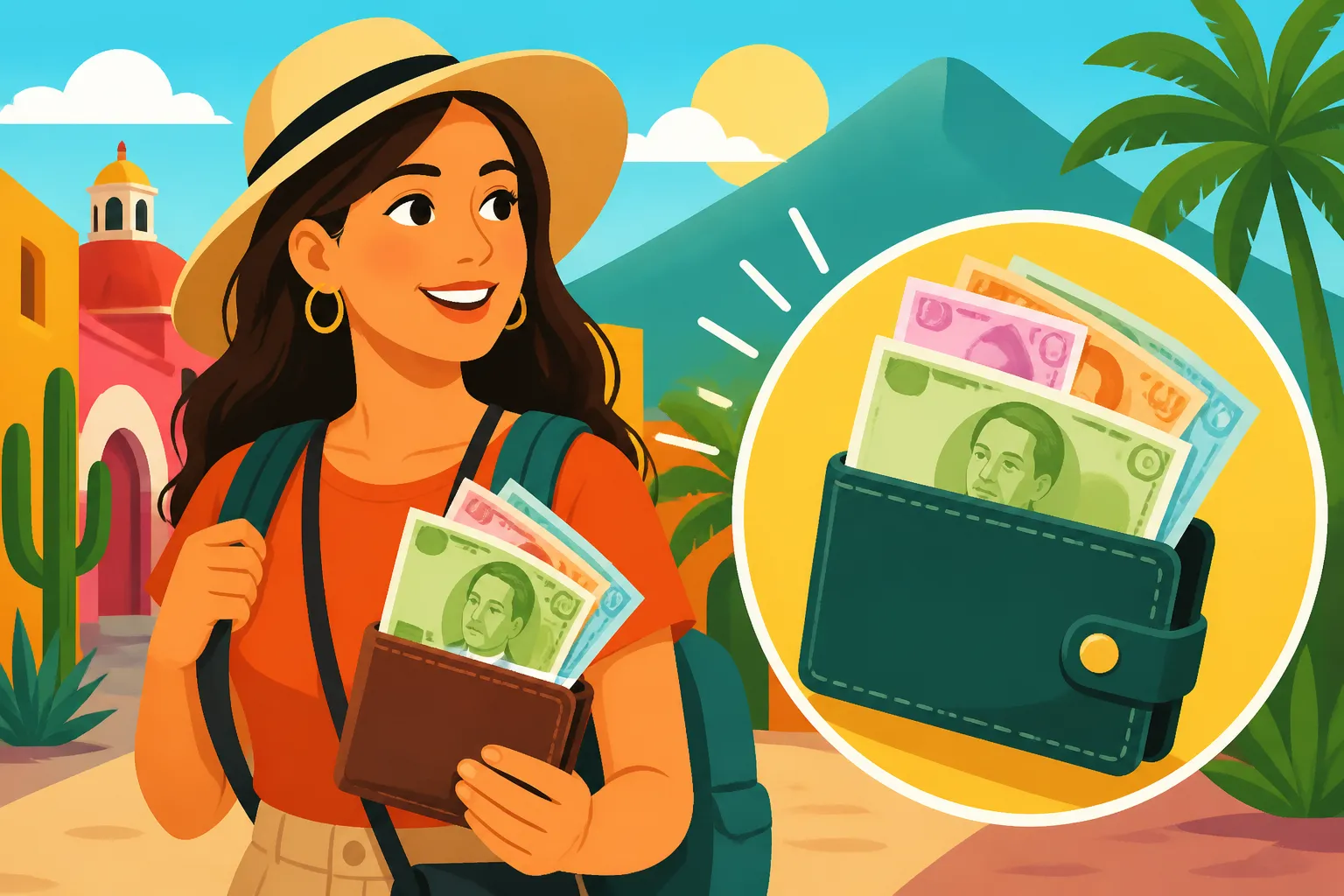
Okay, let's talk about money, specifically how much cold, hard cash you really need to carry around while you’re exploring the beautiful chaos that is Mexico. It’s a question that keeps a lot of new travelers and even seasoned expats on edge – you want to be prepared, but you also don't want to be a target. This guide is here to help you navigate Mexico's unique cash culture, so you can enjoy your trip or your new home without constantly worrying about your wallet.
Disclosure: This post may contain affiliate links. We may earn a commission at no extra cost to you if you make a purchase through these links. Read full disclosure.
The Ever-Changing Landscape of Cash vs. Card in Mexico
Mexico is a land of fascinating contrasts, and nowhere is that more apparent than in its financial ecosystem. On one hand, you have sleek modern cities with Starbucks on every corner and digital payment options popping up everywhere. On the other, you have vibrant mercados and charming pueblos where plastic might as well be foreign currency. Understanding this landscape is key to figuring out your cash strategy.
Where Cash is Still King and Where it's Not
Believe me, after living here for years, I've learned this lesson the hard way. There are definitely times and places where your credit card will be about as useful as a chocolate teapot, and you'll be scrambling for pesos.
-
Cash is Absolutely Essential For:
- Street Food Vendors (Puestos de Comida): This is non-negotiable. Whether it's the late-night taco stand, the esquites cart, or the morning tamal seller, these delicious institutions operate strictly on cash. They're often busy, and fumbling for a card would hold up the line and probably earn you a few exasperated sighs from locals. If you plan to indulge in Mexico's incredible Street Food in Mexico: Tacos, Tamales, and More, you must have cash.
- Local Markets (Mercados and Tianguis): From the sprawling tianguis (weekly street markets) selling fresh produce and artisanal crafts to the smaller neighborhood mercados, cash is the rule. The vendors are often small family businesses, and card machines are practically nonexistent. Haggling, which is part of the fun in some markets, only happens with cash. If you plan to explore Markets (Mercados and Tianguis) in Mexico for Visitors, bring plenty of pesos.
- Small Businesses and Mom-and-Pop Shops: Think corner stores (abarrotes), tiny souvenir stalls, independent coffee shops outside of major tourist hubs, and local transportation like colectivos (shared vans). Many simply don't have the infrastructure or choose to avoid the fees associated with card payments.
- Tips (Propinas): Tipping is customary in Mexico for a wide range of services. Waiters, hotel staff, tour guides, gas station attendants, baggers at the supermarket – they all appreciate a little something. While some fancier restaurants allow you to add a tip to your card, many smaller places and almost all service providers (like the person who helps you park your car) expect cash. Knowing Tipping in Mexico (Propina): When and How Much is crucial here.
- Toll Roads (Casetas): While some toll booths on major highways might accept cards, it's safer to assume cash only. Mexican toll roads are often faster and in better condition, so you'll likely use them, especially on longer drives. Always keep smaller bills and coins handy for these.
- Rural Areas: Venture outside the major cities and tourist zones, and card acceptance drops significantly. If your itinerary includes charming small towns or off-the-beaten-path adventures, expect to rely almost exclusively on cash.
-
Where Cards Are Generally Accepted:
- Large Supermarkets and Department Stores: Chains like Walmart, Chedraui, Soriana, Costco, and Liverpool will gladly accept your Visa or Mastercard.
- Established Restaurants and Cafes: In popular tourist areas and major cities, most sit-down restaurants, especially those catering to tourists, will take cards. Always check beforehand if you're unsure.
- Hotels: Major hotel chains and most established independent hotels in tourist destinations will accept card payments. However, even here, having cash for small incidentals, tips, or paying for something from the mini-bar can be convenient. If you're booking accommodations through platforms like Booking.com, your payment is usually handled online, reducing the immediate cash burden for the room itself.
- Gas Stations: Most Pemex and other brand gas stations accept cards, but it's always wise to ask "Acepta tarjeta?" (Do you accept card?) before filling up. Sometimes the machines are down, or for smaller amounts, they might prefer cash.
The Peso Predicament: Why You Need Local Currency
Trying to pay with U.S. dollars or Canadian dollars in Mexico is generally a bad idea. While some highly touristy spots, particularly near the U.S. border or in certain Caribbean beach towns, might accept USD, you'll almost always get a terrible exchange rate. They'll round up significantly in their favor, and you'll end up paying far more than if you had used pesos.
The local currency, the Mexican peso (MXN), is what everyone uses, and it makes all your transactions smoother and more economical. You avoid awkward conversions, get the correct change, and simply blend in better. Always aim to get pesos from an ATM or a reputable casa de cambio (money exchange office) rather than relying on places that accept foreign currency. Understanding Currency Exchange in Mexico: Getting the Best Rates on Pesos can save you quite a bit over the course of your trip.
Striking the Right Balance: How Much Cash is "Enough"?
This is the million-dollar (or rather, thousand-peso) question! There's no one-size-fits-all answer, but we can break it down to help you decide based on your travel style and itinerary. The goal is to have enough cash for daily needs and emergencies without carrying an excessive amount that makes you feel vulnerable.
Daily Budgeting for Cash Needs
From my experience, a good rule of thumb is to carry enough cash to cover a day or two's worth of incidental expenses. This gives you flexibility without putting all your eggs in one basket.
- Budget Traveler (Hostels, Street Food, Public Transport):
- Daily Estimate: 500-1000 MXN per person.
- What it covers: Several meals from street food stalls or local fondas, bus or metro fares, small market purchases, a few beers, tips for various services. For example, a few tacos (20-30 MXN each), a bottle of water (15 MXN), a metro ride (5 MXN), a small souvenir (100 MXN), and a tip for your guide (100 MXN) can add up quickly.
- Mid-Range Traveler (Mid-Tier Hotels, Mix of Restaurants & Street Food, Some Tours):
- Daily Estimate: 1000-2000 MXN per person.
- What it covers: This allows for a mix of experiences. You might pay for your hotel with a card, but still need cash for that delicious street food lunch, a few rounds of drinks at a local bar, admission to a smaller archaeological site, a taxi or Uber (which might sometimes prefer cash, or you'll need it for a tip), and tipping your hotel staff, bellhop, or cleaner. If you book tours via services like Viator, the main tour cost is paid by card, but cash is essential for tips for the driver and guide, and any small purchases during stops.
- Luxury Traveler (Boutique Hotels, Fine Dining, Private Transportation):
- Daily Estimate: 2000+ MXN per person.
- What it covers: While many larger expenses will be on card, you’ll still need cash for significant tips (a generous tip for a private driver, concierge, or specialized tour guide), small purchases at local art galleries or markets, and any impulse buys that pop up. A nice dinner might be on your card, but small peso notes for the parking attendant or the musician who plays at your table are expected.
It’s always a good idea to keep a running mental tab of how much cash you have and what you've spent it on. I recommend keeping roughly 1000-1500 pesos on hand for a day or two of general small expenses, and then replenish as needed from ATMs.
Situational Cash: When to Carry More and How to Carry it Safely
There are specific circumstances where you might want to increase your cash reserves.
- Day Trips to Remote Areas: If you’re heading off the beaten path to a small village, a less-visited archaeological site, or a pristine natural area, cash will be your only option. Before you leave, check your itinerary and estimate expenses for food, entrance fees, local guides, and souvenirs.
- Major Market Shopping: Planning to buy a large, intricate piece of pottery in Oaxaca or a beautiful textile in San Cristóbal de las Casas? While some larger artisan shops might have card readers, many smaller vendors will only accept cash, and you might get a better price if you're paying in pesos. For such purchases, having a few thousand pesos in cash is not unreasonable.
- Emergency Fund: It's always a smart move to have a small "emergency" stash of cash, perhaps 500-1000 MXN, tucked away separately from your main wallet. This could be for an unexpected taxi ride, a small medical expense, or simply when an ATM isn't working.
How to Carry Cash Safely:
This is where the "veteran expat" advice really comes in. It's not about being paranoid, it's about being smart. Staying Safe in Mexico: Practical Tips for Travelers is all about situational awareness.
- Divide and Conquer: Never keep all your cash in one spot. Split it between your main wallet, a front pocket, a money belt worn under your clothes, and perhaps a small amount in your hotel safe (if available and secure). This way, if one stash is lost or stolen, you're not completely out of luck.
- Use a Decoy Wallet: I often carry a "decoy wallet" in my back pocket or purse with just a few hundred pesos and an old, expired credit card. If you're ever in the unfortunate situation of being mugged, you can hand this over without losing your vital funds.
- Avoid Flashy Displays: When paying, try to be discreet. Don't pull out a fat wad of cash or count out large bills openly in public. Try to have smaller denominations readily accessible so you can quickly pay and move on.
- Be Aware of Your Surroundings: This goes for everywhere, not just Mexico. In crowded markets, on public transport, or in busy tourist areas, keep an eye on your belongings. Purses should be worn across your body, and backpacks should be secure. This is also covered in Avoiding Common Scams in Mexico.
Practical Strategies for Managing Your Money on the Go
Beyond just how much cash, it’s about how you manage it. Thinking through your money strategy before you arrive will save you headaches (and pesos!) in the long run.
ATM Smarts: Getting Pesos Without Getting Fleeced
ATMs are your primary source for pesos, and generally, they are safe and reliable, especially in established areas. However, there are definitely some tricks to navigating them.
- Choose the Right ATM: Stick to ATMs located inside actual bank branches (like BBVA, Banorte, Santander, HSBC) during business hours, or inside major supermarkets (like Walmart, Chedraui) or department stores. These are generally more secure and less likely to be tampered with. Avoid standalone ATMs in dimly lit areas or those that look suspicious.
- Beware of Skimmers: Before inserting your card, give the card slot and keypad a quick wiggle. If anything feels loose or looks out of place, move to another ATM.
- Decline Dynamic Currency Conversion (DCC): This is a huge one! When using an ATM (or paying with a card at a POS machine), you might be asked if you want to be charged in Mexican pesos (MXN) or your home currency (e.g., USD). Always choose to be charged in MXN. If you choose your home currency, the ATM or vendor will apply their own, often unfavorable, exchange rate. Let your bank do the conversion; it will almost always be better.
- Inform Your Bank: Before you travel, tell your bank you'll be in Mexico. Otherwise, they might flag withdrawals as suspicious and freeze your card, leaving you stranded.
- Withdraw Larger Amounts Less Frequently: Most ATMs charge a fee per transaction, both from the local bank and potentially your own. To minimize these fees, it’s usually more cost-effective to withdraw a larger sum (e.g., 5,000-8,000 MXN) less often, rather than smaller amounts daily. Just remember the "divide and conquer" rule for carrying it. For more detailed advice, read our guide on Using ATMs in Mexico: Avoiding Fees and Staying Secure.
Credit and Debit Card Considerations
Your cards are powerful tools, but they need to be used wisely.
- No Foreign Transaction Fees: If you travel frequently, investing in a credit card that has no foreign transaction fees is a game-changer. These fees, typically 2-3% per transaction, can really add up over a trip.
- Have a Backup Card: Always travel with at least two different cards (ideally from different networks like Visa and Mastercard) and keep them separate. If one gets lost, stolen, or damaged, or if a particular merchant only accepts one type, you'll have a fallback.
- Monitor Your Accounts: Keep an eye on your bank and credit card statements for any suspicious activity. Many banking apps offer real-time transaction notifications, which are incredibly useful.
- Card for Larger Purchases: Use your credit card for larger, more trackable expenses like hotel stays (many available via Booking.com), car rentals, and established restaurant bills. This provides an extra layer of consumer protection.
Digital Payments and Money Transfer Services
While less common for day-to-day tourist spending, digital payment options are growing in Mexico and can be useful in certain scenarios.
- Mobile Apps (Uber, Didi, Rappi): For ride-hailing services like Uber and Didi, linking your credit card to the app is highly recommended. It’s safer and more convenient than dealing with cash, and you avoid any disputes over fares. Similarly, delivery apps like Rappi allow you to pay digitally for food or groceries. Our guide on How to Use Uber and Ride-Hailing Safely in Mexico has more tips.
- Money Transfer Services (Wise, PayPal): If you need to send or receive larger sums, or pay a specific individual (like a private tour guide or a landlord if you're renting long-term), services like Wise (formerly TransferWise) or PayPal can be incredibly useful. They often offer better exchange rates and lower fees than traditional bank transfers.
- Local Payment Options (CoDi): Mexico has its own digital payment system called CoDi (Cobro Digital), which allows instant payments via QR codes. While widely adopted by Mexican banks, it's still primarily used by locals and businesses within the Mexican banking system, so tourists are unlikely to use it directly for purchases, but it's good to be aware of.
- Booking Tours and Transport Online: For planned activities and inter-city travel, booking online is your friend. Websites like Viator offer a huge array of tours and excursions that you can pay for in advance with a card. Similarly, for long-distance bus travel, platforms like Busbud allow you to buy tickets online, saving you the hassle of a cash transaction at the station. This means you reserve your cash for other, more immediate needs.
Safety and Security: Protecting Your Pesos (and Yourself)
It’s easy to get caught up in the excitement of travel, but maintaining awareness about your financial safety is paramount. Mexico is generally safe for tourists, but like any country, petty crime exists. Being prepared and smart will significantly reduce your risk.
The "Diversify Your Funds" Rule
This is probably the most important piece of advice you'll hear from any seasoned traveler or expat.
- Separate Everything: I cannot stress this enough. When I first moved here, I made the mistake of keeping my main bank card, credit card, and a sizable chunk of cash all in one wallet. Learned that lesson quickly! Now, my main wallet has only enough cash for the day, maybe one credit card. My debit card is in a different pocket or tucked into my phone case. My emergency credit card and a few hundred "emergency" pesos are in my hotel safe or a separate, secured pouch in my luggage.
- Utilize Hotel Safes: If your accommodation offers a safe, use it! Stash your passport (unless you need it for an official reason), extra cash, and backup credit cards there. Just remember to empty it before you check out!
Awareness and Common Scams
Being vigilant doesn't mean being paranoid; it means being smart and proactive.
- Be Aware of Your Surroundings: This sounds obvious, but when you're distracted by new sights and sounds, it's easy to let your guard down. When withdrawing money from an ATM or handling cash, pay attention to who is around you. If someone is lingering too close or seems overly interested, consider waiting or finding another ATM.
- Pickpocketing: Crowded places like mercados, public transport, or busy plazas are prime spots for pickpockets. Keep wallets in front pockets, use bags with secure zippers, and consider anti-theft bags. Don't leave your phone or wallet casually sitting on a table at a cafe.
- The "Friendly Local" at the ATM: Be wary of anyone who approaches you at an ATM offering "help" because they claim the machine is faulty, or trying to distract you. This is a common tactic to either switch your card or watch you enter your PIN. If you need assistance, go inside the bank.
- Taxi Scams: While generally safe, some unscrupulous taxi drivers might try to overcharge, especially if you look like a tourist. Always confirm the fare or ensure the meter is on before you depart. Using ride-hailing apps like Uber or Didi significantly reduces this risk, as the fare is set and trackable.
By adopting these strategies, you'll be well-prepared to handle the financial realities of Mexico, allowing you to focus on enjoying the vibrant culture, delicious food, and incredible experiences this country has to offer. Remember, a little preparation goes a long way!
Estimated Daily Cash Needs & Where to Use It
Here's a quick overview to help you visualize your cash flow:
| Expense Category | Typical Daily Cash Needs (MXN) | Where Cash is Essential | Where Cards are Accepted (Usually) |
|---|---|---|---|
| Food & Drink | 100 – 500 | Street food, small fondas, local cafés, small grocery stores, market produce | Established restaurants, large supermarkets, modern cafes, fast food chains |
| Transportation | 50 – 300 | Local buses, colectivos, some taxis, toll roads | Uber/Didi (linked card), long-distance buses (online via Busbud), domestic flights |
| Tips (Propinas) | 50 – 200 | Waiters, hotel staff, tour guides, gas station attendants, baggers, parking valets | Some upscale restaurants allow adding to card |
| Small Purchases/Souvenirs | 100 – 500 | Market stalls, artisan shops, street vendors, small craft stores | Boutique shops, department stores, art galleries in tourist areas |
| Entrance Fees | 50 – 200 | Smaller museums, local attractions, natural parks | Major archaeological sites (e.g., Chichén Itzá), large museums, theme parks (e.g., Xcaret) |
| Emergencies/Miscellaneous | 0 – 300 | Unforeseen small expenses, quick roadside purchases | Emergency medical care (if no insurance, though card usually accepted), larger pharmacy purchases |
| Total Daily Buffer | ~500 – 2000 MXN | (Varies greatly by activity/style) | (Varies greatly by activity/style) |
Note: These are estimates per person and can fluctuate based on location, current exchange rates, and personal spending habits. Always factor in more for spontaneous purchases or unexpected situations.
For other essential travel considerations, you might want to look into Mobile Data and eSIMs for Travel in Mexico to ensure you can use your banking apps, and definitely consider Travel Insurance for Trips to Mexico for comprehensive peace of mind. And if you're settling in, learning about options like Paying Bills at OXXO: A Handy Option for Expats in Mexico can be a convenient way to handle utility payments with cash or card.
Disclaimer
The information provided in this guide is for general informational purposes only and is based on typical expat and tourist experiences in Mexico as of the last update. Financial practices, exchange rates, and safety situations can change rapidly. Always exercise personal caution, research specific areas you plan to visit, and consult with your bank or financial institution regarding international transaction fees and security protocols before traveling. We are not financial or legal professionals, and this content should not be taken as professional advice.