How to Explore Mérida and the Yucatán
Ah, Mérida and the Yucatán Peninsula. Just hearing those words conjures images of ancient ruins, shimmering cenotes, and vibrant colonial cities. But for many expats and tourists, especially if you’re new to the region, planning a trip there can feel like navigating a maze. From figuring out the best way to get around to choosing which incredible Maya sites to visit, the options can be overwhelming. Fear not, fellow adventurer! Having called Mexico home for years, I've crisscrossed this magical region countless times. This guide is your no-nonsense, realistic companion to truly exploring Mérida and the surrounding Yucatán, from getting around to finding those hidden gems only locals know.
Disclosure: This post may contain affiliate links. We may earn a commission at no extra cost to you if you make a purchase through these links. Read full disclosure.
Getting to Mérida and Around the Yucatán
The Yucatán Peninsula is a vast, beautiful region, and while Mérida is a fantastic base, getting there and then venturing out requires a bit of planning. It’s not like jumping on a subway in a major global city; things operate on their own charming, sometimes unpredictable, Mexican schedule.
Arriving in Mérida
Most people flying into the Yucatán will land at Cancún International Airport (CUN) due to its sheer volume of international flights, but if your primary focus is Mérida and the western side of the peninsula, I highly recommend flying directly into Mérida International Airport (MID), also known as Aeropuerto Internacional Manuel Crescencio Rejón. It's a smaller, much less chaotic airport, making your arrival far smoother. Once you land, you have a few options to get into the city center, which is about a 20-30 minute drive depending on traffic.
Official airport taxis are readily available and typically have fixed rates, which you pay upfront at a kiosk inside the terminal – this avoids any haggling or surprises. For those who prefer ride-sharing, Uber and Didi operate in Mérida, offering a convenient alternative. Just be aware that sometimes, due to local regulations or airport agreements, ride-share drivers might ask you to meet them just outside the immediate airport grounds, perhaps a short walk away. This is quite common in Mexico and nothing to be alarmed about; they'll usually message you with specific instructions. If you're coming from another city within Mexico, the bus system is incredibly efficient. Major carriers like ADO offer comfortable, air-conditioned buses that connect Mérida with places like Cancún, Campeche, and even Mexico City. I've spent countless hours on ADO buses, and they are generally reliable and a great way to see the landscape. You can often check schedules and book tickets online, sometimes even using platforms like Busbud for convenience. For a deeper dive into this, check out our guide on Long-Distance Buses in Mexico: ADO and Premium Lines.
Local Transportation in Mérida
Once you're settled in Mérida, you'll quickly discover that the historic center is wonderfully walkable. Its grid system makes navigation straightforward, and you'll want to explore the colorful streets, plazas, and colonial architecture on foot. However, for longer distances or when the heat becomes a bit much (and it often does!), you have other choices.
Local buses, known as camiones, are plentiful and incredibly cheap, but they can be a bit intimidating for non-Spanish speakers as routes aren't always clearly marked, and understanding the destination signs can be a challenge. Still, if you're feeling adventurous and want to experience Mérida like a local, give it a try! Taxis are another option, and while they don't use meters, drivers are usually open to negotiating a price before you get in. It's always best to agree on the fare beforehand to avoid any misunderstandings. For consistency and ease, ride-sharing apps like Uber and Didi are very popular and widely used by expats and tourists. They offer fare estimates upfront, making budgeting easier, and you can track your driver's location. For a truly unique and charming experience, especially in the evenings around the Plaza Grande, consider a ride in a calesa, a horse-drawn carriage. It’s a bit touristy, sure, but it’s a lovely way to see the illuminated historic streets and soak in the romance of the city.
Getting Around the Peninsula
This is where your adventure truly begins! The Yucatán Peninsula is packed with incredible destinations, from ancient Maya cities to pristine beaches and hidden cenotes. To explore effectively, you’ll need a plan.
Many expats swear by renting a car for the flexibility it offers. Having your own wheels means you can go off the beaten path, discover secluded cenotes, and visit Maya ruins at your own pace, avoiding tour bus schedules. The roads in the Yucatán are generally well-maintained and safe, especially the major highways. Just be prepared for tolls on some of the faster routes and always make sure you have proper Mexican car insurance, which is legally required. It's a topic we cover extensively in Renting a Car in Mexico: Insurance and Driving Tips. You can find various rental agencies at Mérida's airport and around the city center, and it's always a good idea to book in advance, especially during peak season.
If driving isn't your thing, ADO buses connect all the major towns and cities on the peninsula, including Campeche, Valladolid, Cancún, and Playa del Carmen. They are comfortable, reliable, and air-conditioned, a real blessing on a hot Yucatán day. You can easily purchase tickets at the bus station or through apps like Busbud, making it simple to plan your inter-city travel.
For those who prefer a hassle-free experience, organized tours are a fantastic option, especially for popular sites like Chichén Itzá. Many tour operators in Mérida offer day trips that include transportation, a guide, and sometimes even lunch or a cenote swim. Websites like Viator are excellent for browsing and booking these kinds of excursions in advance, giving you peace of mind. For private groups or specific itineraries, hiring a private driver for a day or two can be a worthwhile investment, especially if you want to hit multiple less-accessible spots.
Mérida: The White City and Its Charms
Mérida, often called “The White City” (La Ciudad Blanca) because of its pristine colonial buildings and the tradition of wearing white linen, is a place that truly captures your heart. It’s elegant, culturally rich, and moves at a wonderfully relaxed pace that quickly seduces you.
Downtown Wonders and Cultural Gems
Your exploration of Mérida should always begin at the Plaza Grande, the bustling heart of the city. Here, under the shade of laurel trees, you'll find the impressive Mérida Cathedral, built on the ruins of a Maya temple. Across the plaza, the Palacio de Gobierno (Government Palace) houses stunning murals by Fernando Castro Pacheco depicting the history of Yucatán and its Maya heritage – and best of all, entry is free. On Sundays, the Plaza Grande truly comes alive with the Mérida en Domingo events, featuring live music, folk dances (like the jarana), local craft vendors, and food stalls. It’s a vibrant spectacle that showcases the city’s deep cultural pride.
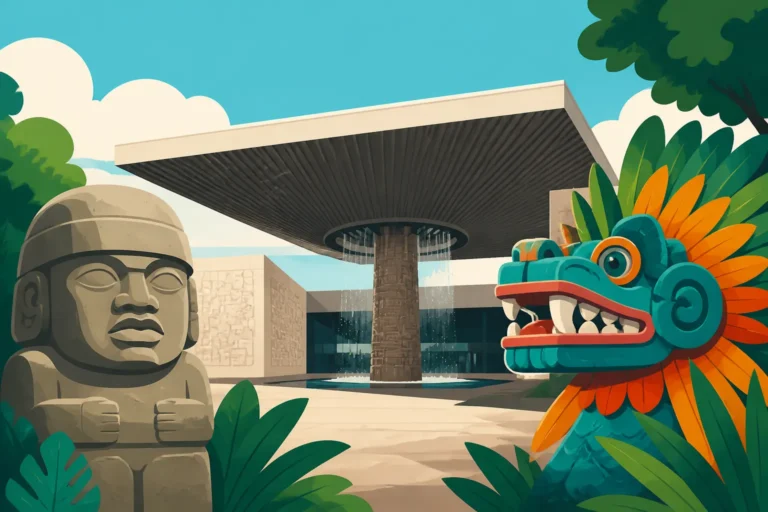
Just a few blocks north of the Plaza Grande, you'll find the majestic Paseo de Montejo, Mérida's answer to European boulevards. Lined with opulent, pastel-colored mansions built during the henequen (sisal fiber) boom of the late 19th and early 20th centuries, it's a testament to the city's past wealth. Take a leisurely stroll, admire the architecture, and perhaps pop into the Museo Casa Montejo for a glimpse into a perfectly preserved 19th-century aristocratic home. For a deeper dive into the region's ancient past, the Gran Museo del Mundo Maya (Great Museum of the Maya World) offers an excellent collection of artifacts and insights into Maya civilization, though it’s located a bit outside the city center, easily accessible by a short taxi or ride-share. Mérida offers a rich tapestry of experiences, and understanding some of the local rhythms, as outlined in our guide to Mexican Customs, Etiquette, and Social Life, can truly enhance your visit.
Culinary Delights of Mérida
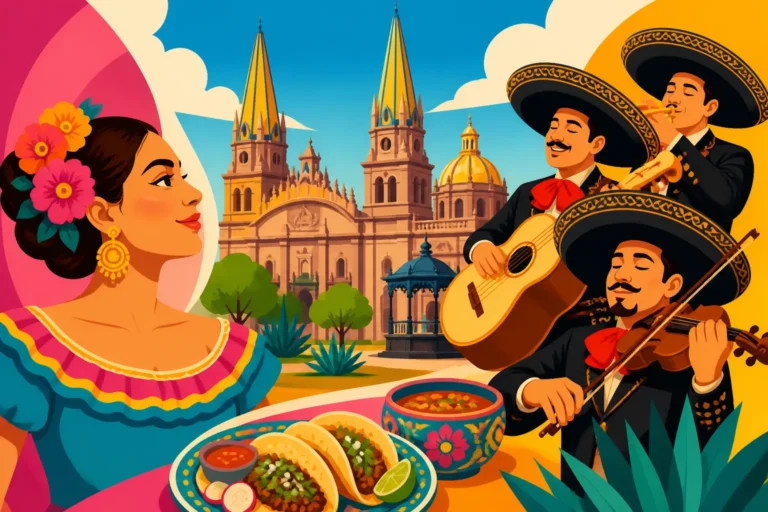
The food in Yucatán is unlike any other Mexican cuisine you'll encounter, and Mérida is the epicenter of this unique gastronomic tradition. The flavors are a delicious blend of Maya, Spanish, and even Caribbean influences, utilizing local ingredients like sour oranges, achiote paste, and habanero chiles.
You absolutely must try cochinita pibil, slow-roasted pork marinated in achiote and sour orange juice, traditionally cooked in a pib (earth oven) and served on tortillas with pickled red onion. It's a revelation. Other essential dishes include sopa de lima (a refreshing chicken-lime soup), panuchos (fried tortillas topped with refried beans, cochinita pibil, and salad), and salbutes (similar to panuchos but with puffed tortillas). For the most authentic experience, head to Mercado Lucas de Galvéz, Mérida’s main market, where you can sample these dishes from various food stalls, usually at incredibly affordable prices. Be aware that markets can be a sensory overload for first-timers, but the food is worth it. Just remember our tips on Food and Water Safety in Mexico: Avoiding Illness when indulging in street food, though generally, food cooked fresh in busy places is a good bet.
Beyond the markets, Mérida boasts a thriving restaurant scene, from traditional Yucatecan eateries to modern fusion spots. For a more upscale experience, places like Ku'uk or La Chaya Maya offer refined versions of local classics. And don't forget to sample local drinks like agua de chaya con piña (chaya and pineapple juice) or a refreshing horchata.
Mérida After Dark
When the sun sets and the heat begins to dissipate, Mérida takes on a magical glow. The city truly comes alive with cultural events, music, and a relaxed social scene. One of my absolute favorite experiences is the nightly cultural calendar provided by the city government, offering free events almost every evening in different plazas. Keep an eye out for performances like the Pok-Ta-Pok Maya ball game reenactment, often held at La Noche Mexicana on Saturday nights, or the serenades in Parque de Santa Lucía on Thursdays. These events are fantastic ways to immerse yourself in local culture.
For those looking for a lively evening, Mérida has a growing number of rooftop bars offering stunning views of the city, perfect for sipping a craft cocktail as the stars emerge. You can also explore the more traditional cantinas, like El Dzalbay, which are local institutions where you can enjoy a cold beer and complimentary botanas (snacks) while soaking in the authentic atmosphere. A leisurely evening stroll along the illuminated Paseo de Montejo, perhaps with an ice cream from a local heladería, is also a delightful way to end your day in this charming city.
Exploring Beyond Mérida: Yucatán's Must-See Attractions
While Mérida is a captivating city in itself, the true magic of the Yucatán lies in the treasures scattered across the peninsula. From ancient civilizations to breathtaking natural wonders, there's a lifetime of exploration here.
Ancient Maya Cities
No trip to the Yucatán is complete without visiting at least one of its incredible Maya archaeological sites. These ancient cities stand as powerful testaments to a sophisticated civilization, and each offers a unique experience.
Of course, the most famous is Chichén Itzá, a UNESCO World Heritage site and one of the New Seven Wonders of the World. Its iconic El Castillo pyramid is instantly recognizable. Be warned, it gets incredibly crowded, especially mid-day. My best advice, which I cannot stress enough, is to go early – really early – right when the gates open, or consider a late afternoon visit to avoid the throngs. Many tours, some of which you can conveniently book through platforms like Viator, offer early access or timed entries, which can make a huge difference. You can find more targeted advice in our post on How to Visit Chichén Itzá Without the Crowds. While Chichén Itzá is magnificent, don't let its popularity overshadow other equally fascinating sites.
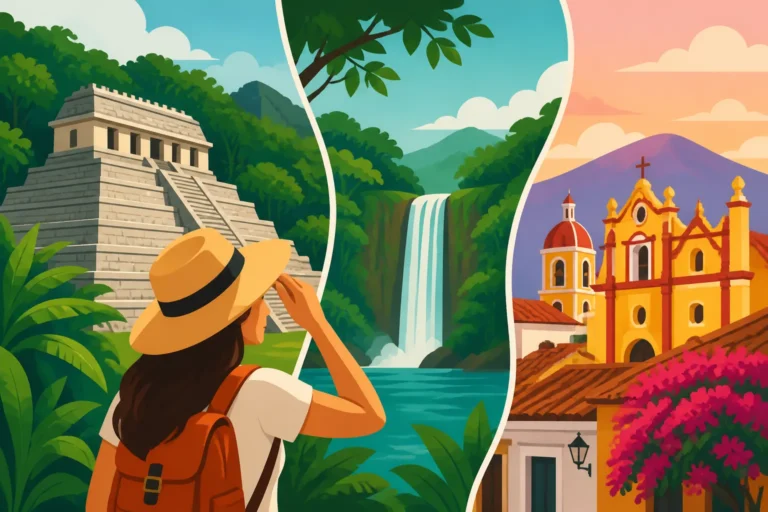
Uxmal, located closer to Mérida, is often considered by archaeologists to be even more architecturally significant than Chichén Itzá, boasting the unique Puuc style. It's also far less crowded, allowing for a more serene and reflective visit. Its Pyramid of the Magician and the Governor's Palace are awe-inspiring. For those craving adventure and the chance to climb a pyramid (a rarity now at many sites), Ek Balam offers a fantastic opportunity. Its massive Acropolis can be ascended, rewarding you with panoramic jungle views, and the stucco artwork found there is remarkably preserved. Plus, there's a beautiful cenote nearby for a refreshing swim after your climb. For a more off-the-beaten-path experience, consider Mayapan, often called the "last great Maya capital," or Dzibilchaltún, which features the Temple of the Seven Dolls and a large open cenote. To truly grasp the scope of these incredible ancient sites, take a look at our broader guide to Maya Ruins in Mexico: Chichén Itzá, Tulum, and Palenque.
Natural Wonders: Cenotes and Haciendas
The Yucatán Peninsula is famous for its cenotes, natural sinkholes formed by collapsed limestone bedrock that expose crystal-clear groundwater. These magical swimming holes range from open, lake-like pools to dark, mysterious caves, and each offers a unique, refreshing experience. They were sacred to the ancient Maya, who considered them gateways to the underworld.
Near Mérida, the towns of Homún and Cuzamá are particularly renowned for their "cenote routes," where you can hire a local guide (sometimes on a horse-drawn cart along old hacienda rail lines) to take you to several different cenotes in one day. Remember to pack your swimsuit, a towel, and use biodegradable sunscreen only to protect these delicate ecosystems. We have a dedicated guide for Cenote Day Trips in the Yucatán that delves much deeper into this.
Sprinkled throughout the region are also grand haciendas, former sisal (hemp) plantations that were once the engines of Yucatán's economy. Many have been beautifully restored and transformed into luxurious boutique hotels, restaurants, or museums, offering a glimpse into the region's colonial past and the lives of the wealthy landowners. Places like Hacienda Yaxcopoil or Hacienda Sotuta de Peón offer tours that explain the process of sisal production and the complex history of the hacienda system.
For wildlife enthusiasts, a trip to the Reserva de la Biósfera Ría Celestún on the Gulf Coast is a must. This biosphere reserve is famous for its vibrant flocks of flamingos, particularly during the winter months, and you can take boat tours to see them up close, along with crocodiles and other bird species.
Coastal Escapes
While Mérida itself isn't on the coast, the Gulf of Mexico is just a short drive away, offering a different flavor of Yucatán beach life compared to the more famous Caribbean side.
The closest beach town to Mérida is Progreso, easily reachable in about 30-40 minutes. It's a popular spot for Merida locals on weekends and holidays, boasting a long pier (the longest in Mexico!) and a recently revitalized malecón (oceanfront promenade) lined with seafood restaurants and shops. The waters are calm and shallow, making it perfect for families. It’s not the turquoise waters of the Caribbean, but it’s a charming, relaxed coastal escape.
Further afield, but well worth the journey, is Río Lagartos and the famous Las Coloradas. Río Lagartos is a fishing village known for its boat tours through mangrove estuaries, where you can spot a variety of birdlife, including flamingos. Nearby, Las Coloradas is home to a series of stunning pink lakes, which get their color from microscopic algae and brine shrimp. It’s a surreal landscape and a fantastic photo opportunity. For a truly unique experience, consider an overnight stay in Río Lagartos to fully explore the area.
If you’re up for a slightly longer day trip or even an overnight stay, the walled city of Campeche (a UNESCO World Heritage site) is about two hours south of Mérida. Its vibrant, pastel-colored colonial buildings, cobblestone streets, and impressive fortifications make it one of Mexico's most beautiful cities. It feels like stepping back in time. For more general insights into the diverse coastal regions of the peninsula, our article The Yucatán Peninsula: Beaches, Ruins, and Cenotes provides a fantastic overview.
Practical Tips for a Smooth Yucatán Adventure
To make your trip as enjoyable and stress-free as possible, a few practical considerations can go a long way. After all, nobody wants to feel unprepared in a new country.
When to Visit and What to Pack
The Yucatán Peninsula generally experiences two main seasons: the dry season and the rainy season. The dry season, from November to April, is widely considered the best time to visit. Temperatures are usually warm but tolerable, and humidity is lower. This is also peak tourist season, so expect more crowds and higher prices for flights and accommodations, especially around Christmas, New Year's, and Easter (Semana Santa). Using sites like Booking.com can help you compare prices and find deals, but booking well in advance is key.
The rainy season, from May to October, brings higher temperatures, significant humidity, and daily afternoon showers (though these often pass quickly). This period also falls within hurricane season, particularly from August to October, so it's wise to keep an eye on weather forecasts if traveling during these months. On the plus side, the landscape is lush and green, and you'll encounter fewer tourists and potentially better deals.
Regardless of when you visit, packing essentials include lightweight, breathable clothing (linen and cotton are your friends), a wide-brimmed hat, good quality sunglasses, and comfortable walking shoes. Sunscreen is non-negotiable – the Yucatán sun is intense! I always recommend bringing biodegradable sunscreen to protect the cenotes and reefs. Insect repellent is also a must, especially if you plan on exploring jungles or visiting cenotes. And a reusable water bottle is not only environmentally friendly but crucial for staying hydrated.
Safety and Local Etiquette
Mérida and the Yucatán Peninsula are generally considered very safe areas in Mexico, with low crime rates compared to other parts of the country. This makes it a popular choice for expats and families. However, like anywhere, it's always smart to exercise common sense: be aware of your surroundings, avoid walking alone late at night in unlit areas, and don't flash expensive belongings. Petty theft can occur, so keep an eye on your valuables.
A little Spanish goes a long way in Mérida. While many people in the tourism industry speak English, locals deeply appreciate it when you make an effort to speak their language. Even basic phrases like hola (hello), gracias (thank you), por favor (please), and cuánto cuesta? (how much does it cost?) can open doors and make your interactions more pleasant. We have a great resource on Learning Spanish in Mexico: Top Tips and Resources for Expats if you want to brush up before your trip. Always be polite, smile, and understand that things sometimes move at a slower pace – patience is a virtue here. When entering churches or other sacred sites, dress respectfully (shoulders and knees covered).
Above all, staying hydrated is paramount in the Yucatán's tropical climate. Always drink bottled or purified water. Tap water in Mexico is generally not safe to drink directly. Carry water with you, especially when exploring ruins or walking around the city. Our guide Staying Healthy in Mexico: Essential Tips for Food, Water, and Preventive Care offers even more crucial advice.
Staying Connected and Hydrated
Staying connected is easy in Mérida and throughout most of the Yucatán. Wi-Fi is widely available in hotels, restaurants, and cafés, and many places offer free public Wi-Fi. However, for constant connectivity on the go, especially if you're venturing out to more remote areas or relying on navigation apps, picking up a local SIM card is a smart move. Telcel is the largest and generally most reliable provider in Mexico, offering excellent coverage throughout the peninsula. AT&T and Movistar are other options. You can usually buy a SIM card and a prepaid data plan at Oxxo convenience stores, official carrier stores, or even at the airport. Our article on Getting a SIM Card in Mexico (Telcel, AT&T, Movistar) will give you all the details. For more general connectivity advice, you can check out Best Internet Providers in Mexico: Expats' Top Picks for Reliability.
And again, I can't emphasize this enough: hydrate, hydrate, hydrate! Drink plenty of water throughout the day. You’ll see large 20-liter garrafones (water jugs) everywhere, a clear sign that bottled water is the norm. Most hotels will provide purified water, and it’s inexpensive to buy bottles from any convenience store or supermarket.
A Note on Evolving Information
Please remember that travel guidelines, regulations, and even entry fees to archaeological sites can change. While I strive to provide the most current and accurate information based on my experiences and extensive research, it's always a good idea to double-check official government websites or local tourism boards closer to your travel dates. Safe travels, and enjoy every moment of your Yucatán adventure!
Disclaimer
This article is for general informational purposes only and does not constitute professional advice. Laws, prices and regulations vary by location and change over time. Consult a qualified professional for guidance on your specific situation.