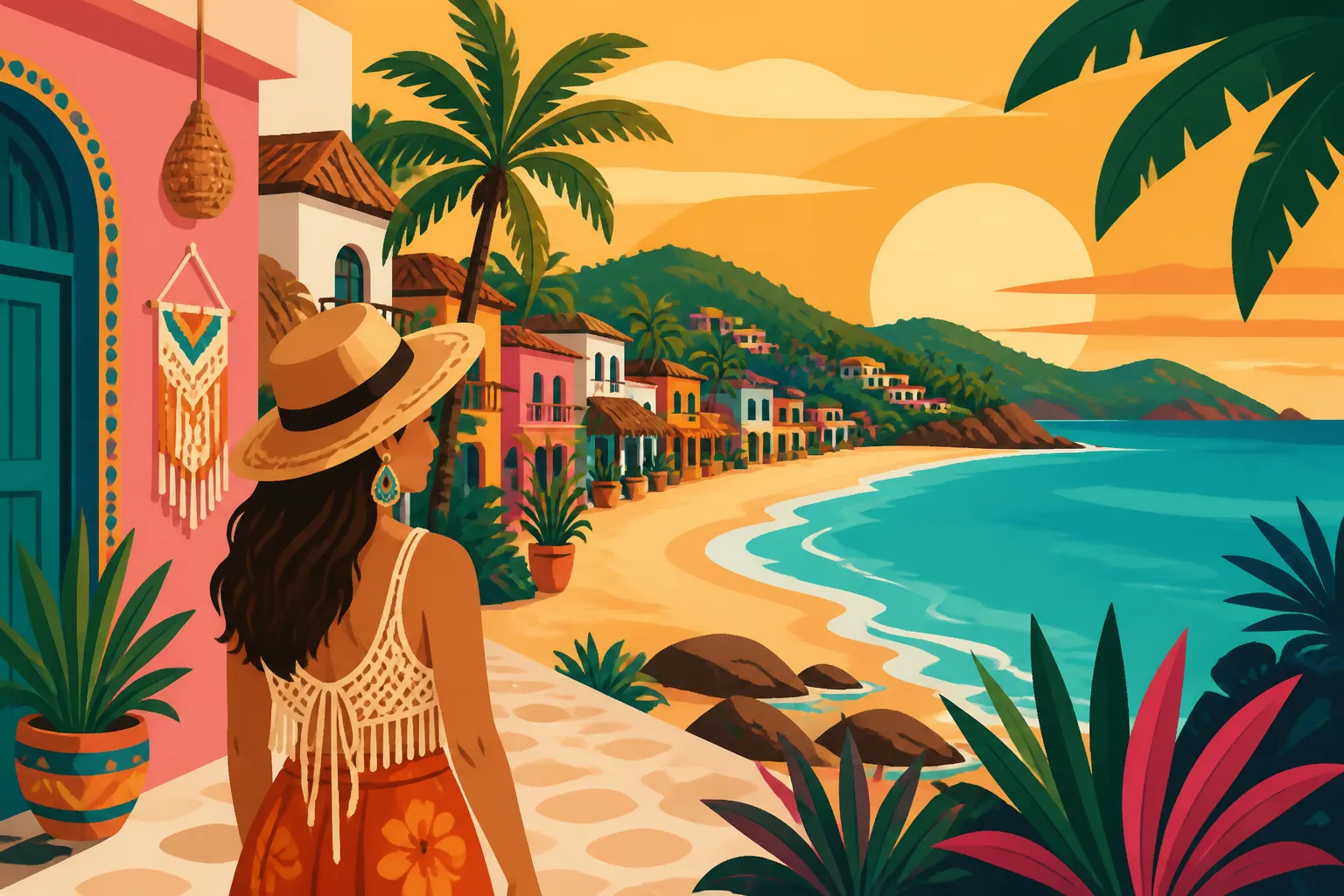
Sayulita and Bohemian Beach Towns in Mexico
Many travelers arrive in Mexico seeking a serene escape only to find themselves trapped in the high-rise shadows of Cancún or the crowded all-inclusive resorts of Puerto Vallarta. This guide solves the dilemma of the modern seeker by identifying the authentic, bohemian beach towns where the roads are still dusty, the surf is world-class, and the spirit of "Old Mexico" still breathes through the palm fronds.
Disclosure: This post may contain affiliate links. We may earn a commission at no extra cost to you if you make a purchase through these links. Read full disclosure.
The Sayulita Phenomenon: From Hidden Gem to Boho Hub
Sayulita is the undisputed heavyweight champion of Mexico’s bohemian scene. What was once a sleepy fishing village discovered by roving surfers in the 1960s has transformed into a vibrant, multi-colored tapestry of boutique shops, surf schools, and organic cafes. For many expats, it is the first stop on a journey to a more permanent life in the sun. The town is famous for its "Gringo Hill," where long-term residents have built stunning villas overlooking the bay, blending international design with Mexican craftsmanship.
The vibe and culture of Sayulita are defined by a unique mix of Huichol artistry and surf culture. As you walk through the central plaza, you will see the iconic "pueblo mágico" decorations—brightly colored flags (papel picado) stretching across the streets. The local Huichol people sell intricate beadwork and yarn paintings that are world-renowned. Living here means embracing a slower pace, where the day is measured by the tides rather than the clock. However, the secret is well and truly out, and the town now buzzes with a high-energy nightlife that can be a shock to those expecting total silence.
Navigating the crowds and infrastructure is the reality check every veteran expat will give you. During peak season, the narrow streets become a labyrinth of golf carts and pedestrians. The infrastructure has struggled to keep pace with the town's popularity, leading to occasional issues with water pressure and electricity. If you are planning a visit, checking Booking.com for accommodations in the quieter north end of town is a wise move, as it offers a buffer from the thumping bass of the downtown bars. You should also be aware of the "Sayulita sickness," a common stomach bug often attributed to the town's aging drainage system during heavy rains.
Sustainable travel in Sayulita has become a focal point for the community. Expats and locals have teamed up to form organizations like SayulitAnimals to manage the local pet population and Pro Sayulita to improve public works. As a visitor, you can contribute by minimizing plastic use—most cafes here are ahead of the curve, offering bamboo straws and glass bottles. Supporting the local economy means buying directly from the artisans in the plaza rather than mass-produced souvenirs. Understanding How to Bargain at a Mexican Market Politely can help you navigate these transactions with respect and grace.
Beyond Sayulita: The Riviera Nayarit’s Quieter Cousins
If Sayulita feels a bit too "discovered" for your tastes, you only need to travel a few miles north to find a different world. The Riviera Nayarit is dotted with smaller settlements that offer a more grounded experience. Many expats who found Sayulita too loud have migrated to these spots, seeking the peace they originally came to Mexico to find. These towns are connected by the coastal highway, and using Busbud to book regional transport between these hubs is a cost-effective way to explore without the stress of driving a rental car.
San Pancho, officially known as San Francisco, is often described as what Sayulita was twenty years ago. It is the cultural heart of the region, boasting a sophisticated community that prioritizes art and education. The town is home to Entre Amigos, a massive community center and recycling project that serves as a model for sustainable development across Mexico. The beach here is wider and more powerful than Sayulita’s, making it less ideal for beginner swimmers but perfect for sunset walks and contemplative evenings. The dining scene is surprisingly upscale, with several farm-to-table restaurants that rival the best in Mexico City.
Lo de Marcos is the next step in the journey toward total tranquility. This is a place where you will still see vaqueros (cowboys) riding horses through the streets and neighbors sitting on their front porches in the evenings. It is one of the few places left on this stretch of coast that feels like a true Mexican fishing village. There are no high-end boutiques here; instead, you’ll find small tiendas selling fresh eggs and local produce. For those who want to disconnect entirely, this is the spot. However, you should come prepared, as English is less commonly spoken here, and you may need to brush up on Survival Spanish for Travelers in Mexico: Key Phrases to get by comfortably.
The Oaxacan Coast: Pure Bohemian Soul
The Oaxacan coast is arguably the last frontier of bohemian life in Mexico. Unlike the Pacific North, the geography here is rugged, with mountains tumbling directly into the sea. This has kept large-scale development at bay, preserving a raw, untamed energy. The towns here are not just vacation spots; they are centers of conservation and alternative lifestyles. The heat is more intense, the jungle is thicker, and the lifestyle is decidedly "off the grid."
Mazunte is a world-renowned center for turtle conservation. After the government banned the hunting of sea turtles in the 1990s, the town reinvented itself as an eco-tourism hub. It is home to the Mexican Turtle Center and host to an international jazz festival every November. The vibe is decidedly "hippy-chic," with plenty of yoga retreats and meditation centers tucked into the hillsides. The famous Punta Cometa, the southernmost point of the state, offers a ritualistic sunset experience where hundreds of people gather in silence to watch the sun disappear into the Pacific. If you are looking for organized excursions to see the turtles or dolphins, Viator offers several eco-conscious tours led by local biologists.
Zipolite is famous—or perhaps infamous—for being Mexico’s only legal clothing-optional beach. While the "naked" aspect gets the headlines, the reality is a deeply respectful community based on the principles of freedom and "live and let live." The main street, known as El Adoquín, comes alive at night with fire dancers, street musicians, and artisanal pizza shops. It is a place where social hierarchies disappear. However, the ocean here is dangerous; the name Zipolite actually translates to "beach of the dead" in the local Zapotec language due to the strong undertows. Always pay attention to Beach Safety 101: How to Read Warning Flags and Stay Safe in the Ocean when visiting these southern waters.
San Agustinillo sits just between Mazunte and Zipolite, offering a middle ground of quiet romance. The bay is more sheltered, making it one of the few spots on the Oaxacan coast where you can swim safely. The accommodations here are mostly boutique eco-hotels built with palm fronds and local stone. It is the kind of place where you spend your days reading in a hammock and your evenings eating fresh red snapper at a candlelit table on the sand. It is essential to remember that cash is king in these Oaxacan towns; ATMs are notoriously unreliable and often run out of money, so knowing How Much Cash Should You Carry When Traveling in Mexico? is vital before you leave the larger cities.
The Caribbean’s Alternative: Holbox and Tulum’s Shadow
On the other side of the country, the Yucatán Peninsula offers its own version of bohemian life, though it faces greater pressure from the massive tourism engines of the Riviera Maya. While Tulum was once the bohemian darling of the world, many now find it overpriced and overcrowded. Seekers are moving further afield to find the "barefoot luxury" that originally put this region on the map.
Isla Holbox is a car-free paradise located within the Yum Balam Biosphere Reserve. Instead of taxis, you hire golf carts or bicycles to navigate the sandy streets. The island is famous for its bioluminescent plankton and the whale sharks that visit from June to September. Because there is no pavement, the island turns into a series of giant puddles when it rains, which only adds to the sense of adventure. The birdlife is spectacular, with flamingos often seen wading in the shallows. When booking a stay here, use Booking.com to find hotels that emphasize eco-friendly practices, as the island’s ecosystem is extremely fragile.
Puerto Morelos is often called the "Anti-Cancún." Located halfway between Cancún and Playa del Carmen, it has managed to maintain its village atmosphere despite being in the heart of the tourist corridor. The town is split into two parts: the colonial town center and the seaside village. The Mesoamerican Barrier Reef is just offshore, providing excellent snorkeling and keeping the waves calm. It is a favorite for expat retirees who want the conveniences of the Riviera Maya—like proximity to a major airport—without the spring break chaos. It is a great place to settle in and learn How to Find Authentic Restaurants in Mexico (Not Tourist Traps) among the many local seafood spots.
Comparing the Top Bohemian Beach Towns
To help you decide which dusty road to follow, here is a breakdown of what to expect in each of these unique locations.
| Town | Primary Vibe | Internet Reliability | Best For | The "Catch" |
|---|---|---|---|---|
| Sayulita | Surf & Party | High | Surfers & Socialites | Noise and crowds |
| San Pancho | Art & Community | Medium | Families & Creatives | Strong waves (not for swimming) |
| Mazunte | Eco-Spirituality | Low | Soul-Seekers | Very humid & limited ATMs |
| Zipolite | Total Freedom | Low | Backpackers & Nudists | Dangerous swim conditions |
| Holbox | Barefoot Luxury | Medium | Nature Lovers | Muddy streets after rain |
| Puerto Morelos | Quiet Fishing Village | High | Retirees & Snorkelers | Slower pace than neighbors |
Practical Logistics for Beach Hopping
Moving between these towns requires a bit more planning than a standard resort stay. In the Riviera Nayarit, the proximity to Puerto Vallarta’s airport makes logistics easy. However, the Oaxacan coast requires a flight into either Huatulco or Puerto Escondido, followed by a long drive over winding mountain roads. For those traveling on a budget, the ADO bus system is the gold standard of Mexican travel. You can use Busbud to check schedules and secure seats in advance, which is highly recommended during the Christmas and Easter holidays.
Connectivity is the bane of the digital nomad’s existence in bohemian Mexico. While Sayulita has seen a massive upgrade in fiber-optic internet, towns like Mazunte and Holbox still struggle. Satellite internet is becoming more common, but a heavy rainstorm can still knock out the town’s connection for hours. If you are working remotely, always have a local SIM card with a generous data plan as a backup. Understanding Mobile Data and eSIMs for Travel in Mexico is a prerequisite for anyone needing to stay online while sitting under a palapa.
Budgeting for these towns can be tricky. While the cost of living is generally lower than in the US or Canada, "bohemian" has become a brand that carries a premium. A boutique hotel in Tulum or a high-end villa in Sayulita can cost as much as a room in New York or London. However, the daily expenses—food, local transport, and beer—remain very affordable. You can eat like a king for a few dollars if you know Is Street Food Safe to Eat in Mexico? and seek out the local tianguis (street markets) for your groceries.
Staying Healthy and Safe in Tropical Mexico
Living the bohemian life means being closer to nature, which brings its own set of challenges. Mosquito-borne illnesses like Dengue are a reality in the tropical south, especially during the rainy season. Expats swear by local repellents and ensuring their homes have screened windows. Sun safety is also paramount; the Mexican sun is significantly stronger than in northern latitudes, and a "base tan" won't protect you from a serious burn during a four-hour surf session.
Water safety is another area where realism must trump the "no worries" vibe. Beyond the risk of Is Tap Water Safe to Drink in Mexico?, you must be aware of the "red tide" (algae blooms) that can occasionally make ocean swimming unsafe. In many of these towns, the local lifeguards are volunteers, and rescue equipment can be sparse. Always check with locals before heading into the water in a new spot. If you find yourself in a medical pinch, knowing How to Call an Ambulance in Mexico (911 and Cruz Roja) is information you hope you never need, but should always have.
Finally, respect for the local community is the most important "safety" tip. These towns are homes before they are playgrounds. The "bohemian" influx has led to rising rents that often push local families out of the centers. Being a conscious traveler means tipping fairly, learning the language, and participating in local events without trying to change them. Whether you are enjoying a Michelada at a beach bar or browsing a gallery, remember that you are a guest in a culture that values politeness and indirect communication.
Disclaimer
The information provided in this guide is for informational purposes only and reflects the personal experiences and observations of the author. Travel conditions, safety levels, and local regulations in Mexico can change rapidly. Readers are encouraged to consult official government travel advisories and local news sources before planning their trip. The author and publisher are not responsible for any incidents, health issues, or financial losses incurred while following the advice in this article. All recommendations for third-party services are based on their general reputation at the time of writing.