What Is a Michelada and How Do You Order One?
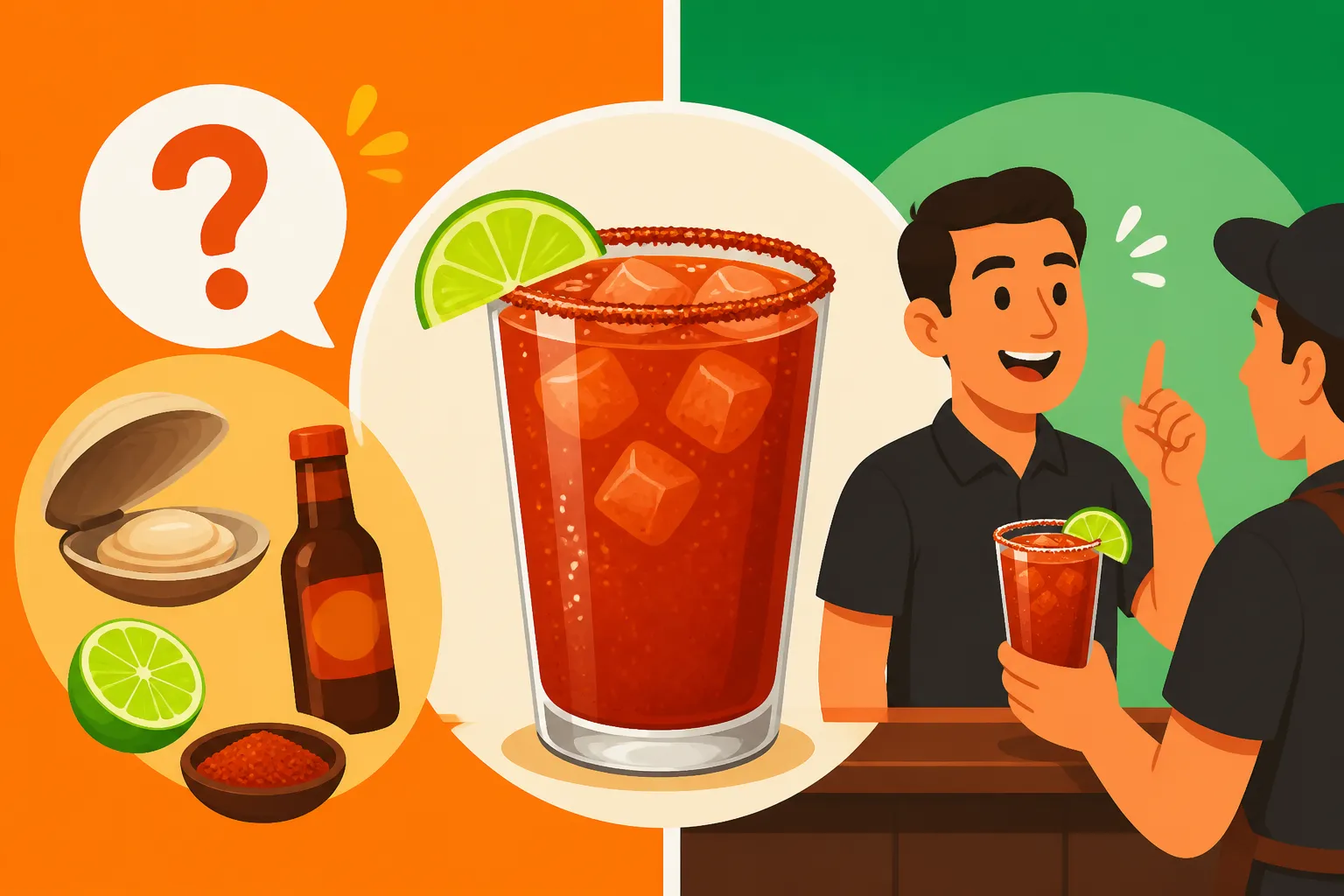
Sitting down at a bustling Mexican cantina for the first time can be an overwhelming sensory experience, and nothing personifies that confusion quite like the Michelada. Many travelers order one expecting a simple, refreshing lime-flavored beer, only to be served a dark, spicy, and savory concoction that looks more like a meal than a beverage. This guide solves the mystery of Mexico's most iconic beer cocktail, ensuring you know exactly what’s in your glass and how to order it like a seasoned local.
Disclosure: This post may contain affiliate links. We may earn a commission at no extra cost to you if you make a purchase through these links. Read full disclosure.
The Anatomy of a Michelada: What Is Actually in That Glass
The first time I ordered a Michelada in Mexico City, I was convinced the waiter had accidentally brought me a bowl of soup. There were sauces dripping down the side, a thick rim of dark powder, and a lime wedge that looked like it had been through a war. But after one sip, I realized why this is the country's national remedy for everything from a hot afternoon to a self-inflicted headache. To understand the drink, you have to understand that it is a customizable "salsa" for your beer. It is designed to hit every taste bud—salty, sour, bitter, and spicy—all at once.
The Essential Base: Beer Selection
The soul of the drink is, of course, the beer. While you can technically make a Michelada with any brew, most veterans will tell you that a light, crisp lager is the only way to go. If you are staying at a place you found through Booking.com in a coastal town like Puerto Vallarta, you will likely see locals opting for a Corona, Pacifico, or Modelo Especial. These "Claras" (light beers) provide a clean canvas for the heavy spices. They don't compete with the savory elements; they carry them.
However, there is a growing trend of using "Oscuras" (dark beers) like Negra Modelo or Indio. Using a dark beer creates a much richer, almost bready flavor profile that stands up well against the heavier sauces like Worcestershire. I usually recommend that newcomers start with a light beer to get used to the spice levels before moving on to the more complex dark beer versions. You want the carbonation of a light lager to cut through the salt and lime.
When you are out exploring after a long day of activities you might have booked on Viator, you’ll find that the quality of the beer matters less than its temperature. In Mexico, the beer must be "bien fría"—ice cold. A lukewarm Michelada is a tragedy. The coldness of the beer is what provides the refreshing counterpoint to the heat of the chili, creating that famous "spark" on the tongue that makes the drink so addictive.
The Salsa Mix: Savory and Spicy Additions
The "mix" is where the magic happens, and where many foreigners start to get nervous. A standard Michelada contains what we call "salsas negras." This usually includes Worcestershire sauce (known locally as Salsa Inglesa) and Jugo Maggi. Jugo Maggi is a savory, soy-like seasoning that provides a massive hit of umami. If you’ve spent any time researching Mexican Food Culture: Eating and Drinking as a Visitor, you know that umami is a secret weapon in many local dishes, and it is no different in the drinks.
In addition to the dark sauces, most bartenders will add a healthy dose of hot sauce. The brand varies by region; in the center of the country, you’ll see Valentina or San Luis, while in the Yucatan, they might use a habanero-based sauce. Then comes the fresh lime juice—and plenty of it. We aren't talking about a single wedge; a good Michelada often uses the juice of two or three whole limes. This acidity is crucial for balancing out the salt and the fermented notes of the sauces.
Some places might also add a pinch of black pepper or even a splash of orange juice to mellow out the acidity, but that’s venturing into "house secret" territory. The key takeaway for an expat is that the mix is salty and concentrated. It is meant to be diluted by the beer as you pour it in. If you are at a cantina, you will often be served a glass filled with the mix and ice, and a separate, unopened bottle of beer. This allows you to control the ratio yourself, which is a hallmark of Mexican Beer and Michelada Culture.
The Rim and the Garnish: Salt, Chili, and Beyond
You cannot have a Michelada without an "escarchado"—the rim. At its most basic, this is just coarse salt. But in most of Mexico, the rim is a mixture of salt and chili powder, often Tajín. Tajín is a blend of dehydrated lime, salt, and mild chili that provides a zing without overwhelming heat. The bartender will rub a lime around the edge of the glass and then press it into the powder, ensuring every sip is accompanied by a hit of flavor.
In more modern or "botanero" style bars, the garnish can get quite elaborate. I’ve seen Micheladas topped with celery stalks, cucumber slices, shrimp, or even "cecina" (dried beef). However, the most traditional garnish remains a simple lime wedge and perhaps a "chamoy" stick. Chamoy is a fermented fruit paste that is sweet, sour, and spicy all at once. It adds a sticky, candy-like element to the drink that many expats find strange at first but eventually grow to crave.
If you are traveling through the country, perhaps taking a scenic route you planned using Busbud, you’ll notice the rim changes by state. In the north, it might be more salt-heavy. In the south, you might find more fruit-based powders like mango-chili. Regardless of the topping, the rim is essential. It acts as a bridge between the cold, carbonated liquid and the savory sauces at the bottom of the glass. It’s the first thing you taste, and it sets the stage for the complexity to come.
Understanding the Regional Variations: It Is Not One Size Fits All
One of the biggest frustrations for expats is ordering a "Michelada" in one city and getting something completely different in another. Mexico is a massive country with deep regional culinary divides, and drink names are not standardized. What is a Michelada in Mexico City might be called something else in Monterrey or Cancun. Understanding these nuances is the difference between a great afternoon and a confusing conversation with a waiter.
The Classic Michelada vs. Chelada
The most common point of confusion is the difference between a "Chelada" and a "Michelada." In most parts of central and southern Mexico, a Chelada is simply beer, lime, and a salted rim. It is clean, refreshing, and has no sauces or spices. It is the perfect choice if you find the full Michelada too heavy or if you are worried about Staying Healthy in Mexico: Essential Tips for Food, Water, and Preventive Care and want to keep things simple for your stomach.
A Michelada, on the other hand, is the full version described above, containing the "salsas negras" (Worcestershire and Maggi) and hot sauce. However, in some northern states, the terms are flipped. I once ordered a Michelada in Sonora and was served what I considered a Chelada. When I asked for the sauces, the waiter looked at me like I was crazy. To avoid this, it is always best to ask, "Tiene salsas?" (Does it have sauces?) before you commit to the order.
If you are looking for a deeper dive into the world of Mexican spirits beyond beer, you might want to read about Tequila, Mezcal, and Mexican Drinking Culture. But for those casual afternoon sessions, mastering the Chelada vs. Michelada distinction is the first step toward social integration. It’s also worth noting that a Chelada is generally cheaper because it doesn't require the specialized mix, making it a budget-friendly option for long-term residents.
The Clamato Michelada: Ojo Rojo
In many parts of Mexico, particularly the north and the coastal regions, people prefer to add Clamato to their Michelada. Clamato is a commercial blend of tomato juice and clam broth. When added to the mix of lime and sauces, it creates what is often called an Ojo Rojo (Red Eye). This version is much thicker and more savory, essentially becoming a beer-based Bloody Mary. It is incredibly popular as a brunch drink and is widely considered the ultimate "levantamuertos" (death-raiser) for those recovering from a long night.
If you are browsing through Cantinas and Mexican Bar Culture for Visitors, you will see the Ojo Rojo mentioned frequently. The addition of the tomato juice makes the drink more of a snack. In places like Sinaloa or Baja California, the Ojo Rojo might even come with a few pieces of cooked shrimp or stalks of celery dipped in chili powder. It’s a heavy drink, and one or two are usually enough to keep you full until a late Mexican Breakfast and Meal Times Explained session.
Ordering an Ojo Rojo requires a bit of caution for those with shellfish allergies. Because Clamato contains clam broth, it is a hidden danger for the unwary. If you are allergic, stick to a standard Michelada or a Chelada. For everyone else, the Ojo Rojo is a savory delight that pairs perfectly with a plate of fresh ceviche or fish tacos on a hot afternoon by the beach. It is the quintessential "vacation in a glass."
The Gomichela: Mexico’s Candy-Coated Chaos
If the standard Michelada is the traditional grandfather, the Gomichela is the wild teenage rebel. Popular in street markets and "tianguis" (open-air markets), the Gomichela takes the Michelada base and adds a staggering amount of gummy candies. We are talking about gummy worms, gummy bears, and "gomitas" covered in chili and sugar. The rim is usually caked in a thick layer of chamoy and fruit-flavored sugar.
You will often find these being sold from large plastic cups (sometimes 32 ounces or more) in places like Mexico City’s Tepito or during local festivals. While it might look like a sugary nightmare to some, it is a beloved part of modern urban culture. If you are adventurous and want to know Is Street Food Safe to Eat in Mexico?, the Gomichela is a high-risk, high-reward choice. The sweetness of the candy provides a bizarre but strangely functional contrast to the salty, spicy beer mix.
Most expats try a Gomichela exactly once for the photo and then return to their classic Micheladas. However, it is a fun experience, especially if you are out with a group of local friends. Just be prepared for a massive sugar rush followed by a salt crash. It is the maximalist version of a drink that is already quite "extra," and it perfectly encapsulates the playful, vibrant nature of Mexican street food innovation.
| Variety | Ingredients | Flavor Profile | Best For |
|---|---|---|---|
| Chelada | Beer, Lime, Salt Rim | Sour, Salty, Refreshing | Hot afternoons, Beginners |
| Michelada | Beer, Lime, Salsas Negras, Hot Sauce, Chili Rim | Savory, Spicy, Umami | Food pairing, Seasoned expats |
| Ojo Rojo | Beer, Lime, Clamato, Salsas, Chili Rim | Rich, Tomato-heavy, Savory | Hangover cure, Brunch |
| Gomichela | Michelada base + Chamoy + Gummy Candies | Sweet, Spicy, Eccentric | Festivals, Adventure seekers |
How to Order a Michelada Like a Local: Phrases and Etiquette
Knowing what the drink is is only half the battle; the other half is communicating that to a busy waiter in a loud bar. Mexican Spanish is full of nuances, and being specific about your preferences will save you from getting a drink that is either too spicy or too bland. Don't worry about being "high maintenance"—Mexicans are very particular about their food and drink, and the staff is used to custom requests.
Navigating the Menu: Specific Terms to Use
When you open a menu, look for a section titled "Bebidas" or "Cervezas." Usually, the Michelada and Chelada options are listed separately from the plain beers. If they aren't, you order the beer first and then the "preparado." For example, you would say, "Me das una Corona, preparada como Michelada, por favor." This tells the waiter you want the beer and the accompanying mix.
If you are looking for tips on How to Order Food in Spanish in Mexico Without Stress, remember that the word "vaso" (glass) is your friend. You can ask for a "vaso preparado" if you already have a beer or if you want to see the mix before the beer is added. In some informal places, they might ask you, "Con todo?" (With everything?). If you say yes, you are getting the full experience: sauces, salt, chili, and any garnishes they have on hand.
When you are out exploring cities like Guadalajara or Merida, using the right terminology shows that you aren't just another tourist. If you've used Booking.com to find a boutique hotel in a local "colonia," walk to the nearest corner bar and try out these phrases. The more specific you are, the better the service. And don't forget that Tipping in Mexico (Propina): When and How Much still applies to drinks, especially if the bartender spent five minutes perfectly rimming your glass with Tajín.
Customizing Your Drink: Sin Chile or Con Todo?
The beauty of the Michelada is its flexibility. If you are someone who struggles with heat, you can ask for it "con poco chile" (with a little chili) or even "sin chile" (without chili), though the latter usually defaults to a Chelada. If you specifically like the savory flavor but want to skip the hot sauce, you can ask for it with "puras salsas negras" (only the black sauces). This gives you the Worcestershire and Maggi flavor without the burn.
Another common customization is the type of glass. You can ask for it in a "tarro" (mug), which is usually glass and keeps the drink colder for longer, or a "litro," which is the large plastic cup common at sporting events and street fairs. If you are worried about your stomach while traveling between regions on a bus booked via Busbud, asking for "poco hielo" (little ice) is a smart move, as it ensures the flavor doesn't get diluted too quickly and reduces your intake of local tap-water ice if that's a concern for you.
For the ultimate local experience, try asking for a "chamoyada." This is a Michelada that uses a heavy amount of chamoy around the rim and sometimes swirled into the glass. It makes the drink thicker and much more "agridulce" (sweet and sour). Most expats who have lived in Mexico for more than a year eventually find themselves ordering their Micheladas with very specific instructions, as the palate adapts to the local love for complex, layered flavors.
Where to Find the Best Micheladas
While you can get a Michelada at almost any restaurant, the best ones are usually found in two places: seafood restaurants (marisquerías) and traditional cantinas. Seafood spots are great because they treat the Michelada like a companion to the food, often using very fresh lime and high-quality Clamato. If you are on a Viator food tour, your guide will likely point out the best local spots where the "mix" is made from scratch rather than poured from a bottle.
Cantinas, on the other hand, offer the historical vibe. In these dimly lit bars, the Michelada is a ritual. The bartenders have been making them the same way for decades, and the atmosphere—often accompanied by a live mariachi band—makes the drink taste better. If you are in Mexico City, look for historic cantinas in the Centro Histórico. If you are in a beach town, look for the places where the plastic tables are set directly in the sand; those are usually where the coldest beers and the spiciest rims are found.
Don't overlook the local "depósitos" or beer stores. In many neighborhoods, the local corner store will have a small counter where they "prepare" beers for you to take away. These are often the most authentic versions because they are made for the people living in the neighborhood. They might not have the fancy garnishes, but the balance of lime and salt is usually perfect. It’s a great way to integrate into your new community if you’ve recently moved to the area.
The Cultural Context of the Michelada
To an outsider, the Michelada might seem like just a drink, but to a Mexican, it is a cultural touchstone. It represents leisure, friendship, and the pragmatic Mexican approach to health and recovery. Understanding the "why" behind the drink is just as important as knowing the ingredients. It is a drink that bridges the gap between a casual lunch and a night out on the town.
The Ultimate Hangover Cure: La Cruda
If you ask any local what to do after a night of too much Tequila, Mezcal, and Mexican Drinking Culture, the answer will invariably involve a Michelada and a spicy soup. The Michelada is the king of "remedios para la cruda" (hangover remedies). The logic is sound: the beer provides a bit of "hair of the dog," the lime and salt replenish electrolytes, and the chili provides a much-needed kick to the metabolism.
I have spent many Sunday mornings in local markets watching people slowly nurse an Ojo Rojo back to life. It is a social ritual. You don’t drink a hangover Michelada alone; you do it with friends while discussing the events of the previous night. It’s part of the restorative process. If you find yourself in this position, don't be ashamed to head to the nearest "puesto" and order a large one. It’s a rite of passage for any expat living in Mexico.
The drink's ability to "resurrect" you is so well-known that many bars and restaurants specialize in "sueros," which are essentially non-alcoholic Cheladas (mineral water, lime, and salt). But for the true believer, only the beer-based version will do. It’s a testament to the Mexican spirit of finding joy and flavor even in the midst of a rough morning. It’s not just a drink; it’s a survival strategy.
Social Settings: From Markets to High-End Bars
The Michelada is a democratic drink. You will find it being sipped by executives in high-end rooftop bars in Polanco and by construction workers at a street-side stand in Iztapalapa. This universality is rare in a country with significant class divides. In a cantina, the Michelada acts as a leveler. Everyone is there for the same thing: a cold drink that tastes like home.
In high-end bars, you might see "Artisan Micheladas" made with craft beers and house-made bitters. While these are delicious, they often lack the "soul" of a classic version served in a chilled glass at a local dive. The drink is inherently unpretentious. It’s messy, it’s loud, and it’s meant to be enjoyed without overthinking. Whether you are celebrating a promotion or just the fact that it’s Friday, the Michelada is the appropriate choice.
As an expat, participating in Michelada culture is a great way to break the ice with locals. Complimenting a bartender on their "mezcla" (mix) or asking where they get their chili powder can spark a long conversation. It shows that you aren't just visiting; you are trying to understand the rhythms of life here. So, the next time you see a Michelada on the menu, don't be intimidated by the dark sauces and the spicy rim. Embrace the chaos, order one "con todo," and enjoy one of the most unique flavors Mexico has to offer.
Disclaimer
This guide is intended for informational purposes for travelers and expats in Mexico. Drinking culture and local laws may vary by region. Always consume alcohol responsibly and be aware of your surroundings when visiting unfamiliar areas. The author is an expat sharing personal experiences and research, not a medical professional or legal expert. Be mindful of personal health conditions, such as allergies to shellfish (found in Clamato) or sensitivities to high sodium and spicy foods.