Monterrey City Guide: Mountains and Modern Mexico
Many travelers and digital nomads land in Mexico with visions of swaying palms and turquoise Caribbean waters, completely overlooking the industrial powerhouse and stunning mountainous landscapes of the north. This guide solves the confusion of navigating Monterrey, providing a deep dive into the best neighborhoods, culinary must-haves, and outdoor adventures that make this "Sultana del Norte" a world-class destination.
Disclosure: This post may contain affiliate links. We may earn a commission at no extra cost to you if you make a purchase through these links. Read full disclosure.
Arriving and Navigating the Industrial Powerhouse
Monterrey is not your typical colonial Mexican town with cobblestone streets at every turn. It is a sprawling, ambitious metropolis that feels more like a blend of Houston and Mexico City. Your first hurdle is simply getting into the city. Most international visitors arrive via Aeropuerto Internacional de Monterrey (MTY), which is actually located in the neighboring municipality of Apodaca. It is about a 30-to-45-minute drive to the city center, depending on the notorious Monterrey traffic. I always recommend using authorized airport taxis or ride-sharing apps like Uber or Didi, as they provide a fixed rate and a layer of security that is vital when you are still finding your bearings in a new environment.
For those traveling domestically or coming from the South Texas border, the bus system in Mexico is surprisingly luxury-oriented compared to what you might find in the U.S. or Canada. Using platforms like Busbud can help you secure seats on executive-class buses that feature reclining seats, individual screens, and climate control. The Central de Autobuses in Monterrey is busy and can be overwhelming, so having your tickets pre-booked is a lifesaver. Once you are in the city, the "Transmetro" and "Metrorrey" (the light rail system) are efficient for certain routes, but as an expat who has lived here, I can tell you that Monterrey is a car-centric city. If you plan on staying long-term, you might eventually look into How to Obtain a Mexican Driver's License as a Resident (Visa Implications) to make daily life more manageable.
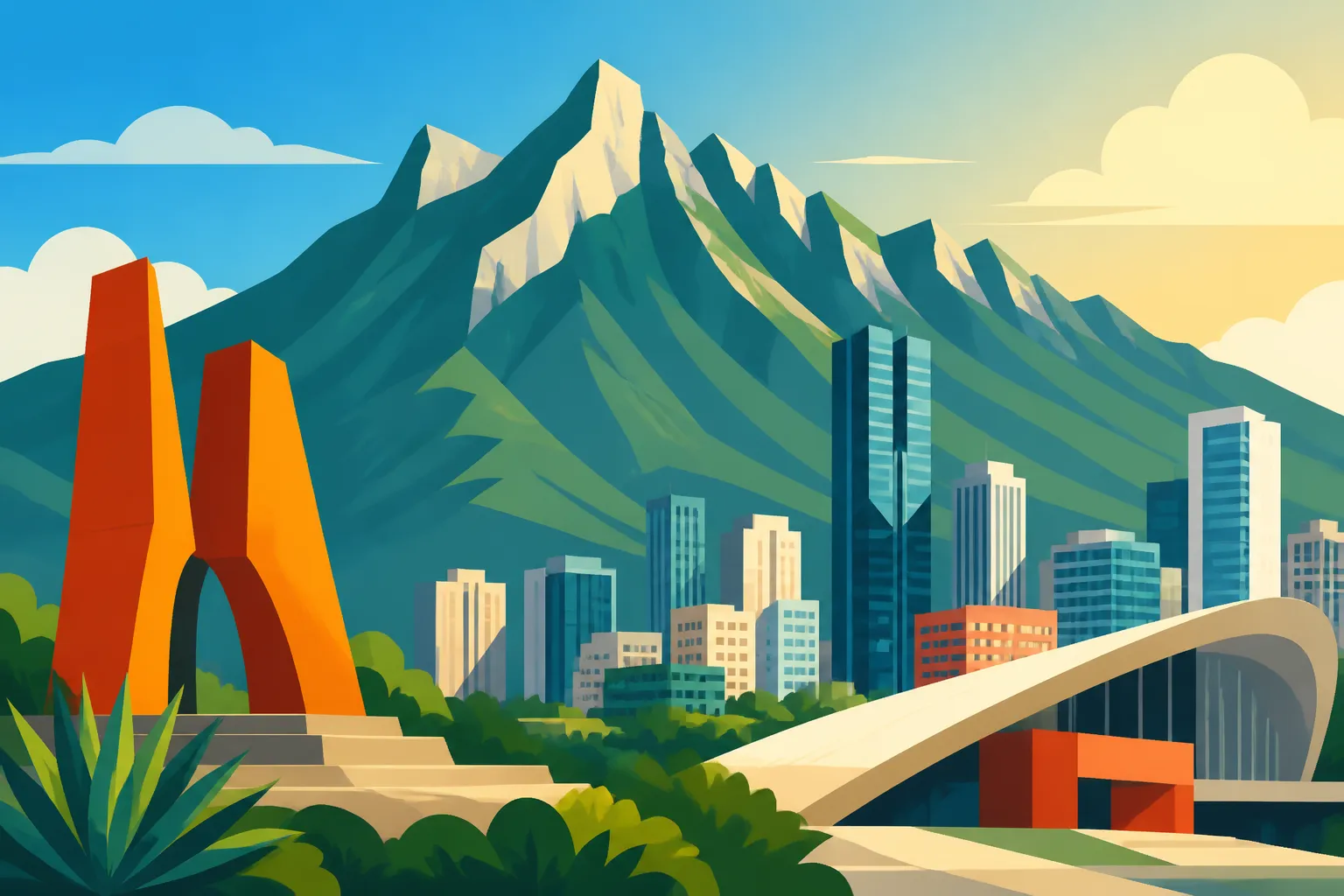
Navigating the city also requires an understanding of its geography. The city is cradled by the Sierra Madre Oriental, and landmarks like the iconic Cerro de la Silla (Saddle Hill) act as a natural compass. If you can see the mountain, you generally know where you are. However, the sheer scale of the city means that walking between neighborhoods is rarely an option. You will find yourself relying heavily on ride-sharing, which is thankfully affordable and plentiful. Just be prepared for the "Regio" driving style—people here are in a hurry, and the highway systems can be complex for the uninitiated.
Arriving via Aeropuerto Internacional de Monterrey
MTY is a modern hub with three terminals (A, B, and C). If you are flying in from abroad, you will likely land at Terminal A or B. Terminal B is particularly sleek and serves as the home for Aeroméxico. After clearing customs, you will find several transport kiosks. I highly suggest skipping the unofficial "taxis" that approach you in the lobby and heading straight for the official counters. If you prefer to use a ride-share, you often have to walk to a designated pick-up zone, so keep an eye out for signs or ask a security guard for the "punto de encuentro de Uber."
For a smooth transition, I often suggest booking a private transfer ahead of time through platforms like Viator, especially if you are traveling with a lot of luggage or a family. It removes the stress of negotiating in Spanish the moment you land. Once you leave the airport perimeter, you will travel down the Miguel Alemán highway. This road is lined with factories and industrial parks, which might not look like the "Mexico" you see in brochures, but it is the engine that drives the country’s economy. Keep your eyes on the horizon, though; as you approach the city, the jagged peaks of the mountains will begin to tower over the skyscrapers.
Taking the Bus to Monterrey
The bus terminal is a hub of constant motion. If you are arriving from places like San Luis Potosí, Querétaro, or even the border towns of Nuevo Laredo or McAllen (via Reynosa), you will experience the high standard of Mexican bus travel. Companies like ETN and Turistar are the "first class" of the road. When booking through Busbud, look for the "Platino" or "Executive" labels. These buses are often more comfortable than a domestic flight, and the views of the desert and mountains as you enter the state of Nuevo León are spectacular.
Upon arrival at the station, keep your belongings close. Like any major transportation hub in a big city, it attracts a mix of people. There are designated taxi ranks within the station that are safe to use. If you are looking to save money, the Metrorrey station "Cuauhtémoc" is right nearby, which can take you toward the Macroplaza or out toward the northern residential areas. However, if this is your first time in the city, a taxi or Uber to your hotel or Airbnb is the smarter, more comfortable move to avoid navigating stairs and turnstiles with heavy bags.
Navigating Within the City
Public transport in Monterrey is a bit of a mixed bag. The Metro is great for North-South and some East-West travel, but it doesn't reach the affluent areas like San Pedro Garza García or the scenic heights of Chipinque. Most expats and tourists find that a combination of Uber and the occasional "Ecovía" bus works best. If you are staying in the center, you can walk around the Macroplaza and Barrio Antiguo quite easily, but to see the real Monterrey, you have to venture further out.
For those planning to stay longer, understanding the costs of getting around is part of your Monthly Budget in Mexico: Living Well on $1,500, $2,500, and $4,000. While gas prices are similar to those in the U.S., the convenience of a car is hard to beat here. Just be wary of the "Hoy No Circula" rules if you ever drive a car with Mexico City plates here, though Monterrey generally doesn't have the same strict restrictions as the capital. Traffic jams during "hora pico" (rush hour) are legendary, particularly on the Morones Prieto and Constitución avenues that run along the Santa Catarina riverbed, so plan your meetings and tours accordingly.
Neighborhoods and Where to Stay
Choosing where to stay in Monterrey will fundamentally change your experience of the city. Unlike many other Mexican cities where the "Centro" is the undisputed best place to be, Monterrey’s appeal is split between the historic heart and the ultra-modern suburbs. For most visitors, the choice comes down to the charm of the old world or the luxury of the new. If you are scouting the city for a potential move, I recommend spending a few days in each area to get a feel for the different lifestyles.
Booking.com is an excellent resource for comparing hotels in these areas, as it offers everything from boutique stays in 18th-century buildings to high-rise luxury suites in San Pedro. When looking for accommodation, consider your proximity to your main interests. If you want to hike every morning, stay near the mountains. If you want to party and eat at the best restaurants, San Pedro is your spot. If you want culture and history, stick to the Barrio Antiguo.
San Pedro Garza García: The Beverly Hills of Mexico
San Pedro is technically its own municipality, but it is effectively Monterrey’s most prestigious neighborhood. It is widely considered the wealthiest municipality in Latin America, and it shows. Here, you will find high-end malls like Fashion Drive and Paseo San Pedro, manicured parks, and some of the best international dining in the country. It is also the safest part of the city, with its own dedicated police force. For many expats, this is the only place they consider living, and you can find more details on why in the Healthcare in Monterrey: What Expats Need to Know guide, as most of the top-tier private hospitals are located nearby.
Staying in San Pedro means you are close to the mountains, specifically the Chipinque Ecological Park. The air is slightly cooler here, and the streets are cleaner. However, it is also the most expensive area. Expect prices for everything from coffee to rent to be significantly higher than in the rest of the city. If you are looking for luxury hotels, this is where you will find brands like the JW Marriott and the Westin. It is a world of glass, steel, and high-end SUVs, offering a version of Mexico that is sophisticated, globalized, and very comfortable.
Barrio Antiguo and Centro: History and Heart
If San Pedro is the future, the Barrio Antiguo (Old Quarter) is the soul. Located just East of the Macroplaza, this neighborhood is characterized by its colorful colonial houses, cobblestone streets, and vibrant nightlife. By day, it is a quiet area with art galleries, antique shops, and cozy cafes. By night, it transforms into a hub for live music, craft beer bars, and underground clubs. Staying here gives you a more "authentic" feel, and it is much more walkable than other parts of the city.
The Centro area around the Macroplaza is home to many of the city’s major museums and government buildings. While it can be busy and a bit gritty in parts, it is the cultural heart of the city. You are within walking distance of the Paseo Santa Lucía and the Museum of Contemporary Art (MARCO). Accommodation here is often more affordable, ranging from hostels to mid-range business hotels. Just be aware that like most downtown areas in large cities, it can feel a bit deserted and "sketchy" late at night once the shops close, so stay alert and use common sense.
Santa María and San Jerónimo: Business Hubs
These areas are located along the corridor that connects the Centro with San Pedro. They are popular with business travelers and digital nomads who want a middle ground. San Jerónimo is an established residential and commercial area with plenty of plazas, restaurants, and grocery stores. It offers a more "local" feel than San Pedro but is significantly more upscale than the Centro. It is a great place to look for long-term rentals if you are working with a mid-range budget.
Santa María is home to several new skyscraper developments and "work-live-play" complexes. It is very convenient for those who need to be close to the corporate offices of San Pedro without paying the absolute premium of living in the heart of Garza García. You will find many modern apartments here with incredible views of the Puente de la Unidad (the suspension bridge) and the mountains. It is a practical choice for someone who values modern amenities, fast internet, and easy highway access.
| Neighborhood | Vibe | Price Range | Best For |
|---|---|---|---|
| San Pedro | Ultra-Luxury / Modern | $$$$ | Expats, Luxury Travelers |
| Barrio Antiguo | Hip / Historic | $$ | Nightlife, Artists, History Buffs |
| Centro | Busy / Cultural | $$ | Museum lovers, Budget Travelers |
| San Jerónimo | Residential / Quiet | $$$ | Families, Long-term stays |
| Santa María | Corporate / High-rise | $$$ | Business, Digital Nomads |
Modernity and Nature: Things to Do
Monterrey offers a unique juxtaposition of heavy industry and raw, untouched nature. One moment you are standing in a defunct steel mill, and the next you are hiking up a limestone cliff. This duality is what makes the city so fascinating for those who take the time to explore it. You don't come here for the beaches; you come here for the "grands" — the grand mountains, the grand plazas, and the grand industrial history.
If you are looking to maximize your time, I highly recommend checking out some of the guided experiences on Viator. They offer everything from city architecture tours to extreme canyoneering trips in the nearby Matacanes canyon. For a first-time visitor, a mix of the following landmarks will provide a well-rounded view of what makes Monterrey tick.
Parque Fundidora: The Industrial Soul
Parque Fundidora is perhaps the greatest urban park in Mexico. It is built on the site of the former Monterrey Foundry and Steel Company, which was the first of its kind in Latin America. Instead of tearing down the massive blast furnaces and chimneys, the city turned them into museums, exhibition centers, and industrial monuments. It is a massive space where you can rent a bike and ride through the history of the city. The contrast of rusted iron structures against green lawns and modern art is visually stunning.
Within the park, you will find the Horno³ Steel Museum, which is an absolute must-visit. You can take an elevator to the top of the old blast furnace for a panoramic view of the city. The park also hosts major international music festivals like Pa'l Norte and Machaca. For families, there is an ice rink, a Sesame Street-themed park (Bosque Mágico was nearby but has evolved), and plenty of playgrounds. It’s the perfect place to spend a Sunday afternoon, watching "Regios" enjoy their city. It’s also a great spot to practice your Spanish; you can find some helpful phrases in Pharmacy Spanish: Phrases to Help You Buy Medicine in Mexico if you happen to need a sunblock or aspirin at a nearby shop.
Macroplaza and the Paseo Santa Lucía
The Macroplaza is one of the largest public squares in the world, stretching from the Governor’s Palace down to the city’s cathedral. It is a vast expanse of fountains, statues, and plazas. The most striking feature is the Faro del Comercio (Lighthouse of Commerce), a tall red tower that shoots a green laser across the city at night. Walking the Macroplaza gives you a sense of the scale and ambition of Monterrey.
Connecting the Macroplaza to Parque Fundidora is the Paseo Santa Lucía, an artificial river that you can walk alongside or take a boat tour on. The walk is about 2.5 kilometers long and is lined with restaurants, murals, and bridges. It is especially beautiful at sunset when the lights reflect off the water and the mountains glow in the background. It is a very safe and family-friendly area, and it serves as a great introduction to the city's modern urban planning.
Outdoor Adventures: Chipinque and La Estanzuela
For those who love the outdoors, Monterrey is a paradise. Chipinque Ecological Park is located on the slopes of the Sierra Madre and offers miles of hiking and biking trails. The views of the city from the "M" peak or the various lookouts are breathtaking. It is a managed park, so you do need to buy tickets online in advance, but it is well worth the effort. You might even spot a coati or a black bear (yes, bears in Mexico!) if you are lucky.
Another hidden gem is La Estanzuela, a natural park with a creek that forms several small waterfalls and pools. It is a bit further out from the center but offers a much more "wild" feel than Chipinque. If you are feeling even more adventurous, the Huasteca Canyon is just outside the city in Santa Catarina. The towering limestone walls are a magnet for rock climbers and photographers. Just make sure you are prepared for the heat; as I mention in Heat Stroke and Sunburn: Preventative Care in Mexico’s Hot Climate, the sun in the North is unforgiving, and the altitude can sneak up on you.
The Food Scene: Northern Flavors
Forget the seafood tacos of the coast or the moles of the south; Monterrey is the land of fire and meat. The culinary identity here is built on the "Carne Asada" culture. For a "Regio," a weekend isn't complete without gathering around a grill with friends and family. This focus on high-quality beef and traditional goat (Cabrito) sets the northern palate apart from the rest of the country.
When dining out, you will notice that Monterrey is a city that loves its "grand" restaurants. These are often large, bustling establishments where the service is fast and the portions are generous. While you can find great street food, the "sit-down" experience is where the city's culinary heart truly beats.
El Rey del Cabrito: Authentic Monterrey
You cannot say you have been to Monterrey without trying Cabrito (baby goat). The most famous place to do this is El Rey del Cabrito in the Centro. The walls are covered in photos of celebrities and hunting trophies, giving it a very specific, old-school Northern vibe. The goat is slow-roasted over an open charcoal fire (al pastor style) and is incredibly tender. I recommend ordering the "paleta" (shoulder) or the "pierna" (leg) if it's your first time.
If you are feeling brave, you can try "fritada," which is a stew made with the goat’s blood and organs. It is a local delicacy, though it’s definitely an acquired taste. Most meals come with "frijoles charros," a savory bean soup with bacon and chili. It is a heavy, protein-rich meal that perfectly reflects the rugged, hardworking history of the region.
The Steak Culture: Carnes Asadas
The "Carne Asada" is more than just a meal; it is a social ritual. If you aren't lucky enough to be invited to a local’s backyard, you should head to one of the city's many high-end steakhouses. Places like La Nacional or El Gaucho (technically Argentine but very popular) serve incredible cuts of beef like Rib-eye, Picaña, and the local favorite, Arranchera. The quality of the meat here is arguably the best in Mexico.
A true Monterrey steak experience involves "empalmes" (stacked tortillas with beans and meat) and plenty of "salsa de molcajete." Don’t forget to order some "queso flameado" (melted cheese with chorizo) as an appetizer. To wash it all down, a local beer like Carta Blanca or Indio is the traditional choice. If you are looking for something more refined, the Valle de Guadalupe wines from Baja California are widely available and pair perfectly with the rich meats.
Street Food and Sweet Treats (Glorias)
While steak is king, the street food in Monterrey has its own charms. You must try "Machacado con Huevo," which is dried, shredded beef scrambled with eggs, tomatoes, onions, and serrano peppers. It is the quintessential Monterrey breakfast. You will also find "Tacos de Trompo," which are similar to Tacos al Pastor but often use a different spice rub and are served on flour tortillas (since the North is flour tortilla country).
For dessert, the city is famous for "Glorias." These are goat milk candies with pecans, originating from the nearby town of Linares. They are sweet, chewy, and addictive. You can find them in every supermarket and airport shop. If you want a more modern treat, Monterrey has a booming craft coffee and donut scene, particularly in neighborhoods like San Pedro and Barrio Antiguo. It is a city that definitely knows how to indulge.
Practical Tips for Foreigners
Living or traveling in Monterrey requires a bit of an adjustment period, especially regarding the climate and the pace of life. It is a city that works hard and plays hard. People are generally very friendly but can be direct, which is a trait of northern Mexicans (often called "Norteños"). Understanding these nuances will help you integrate and enjoy your stay much more.
Safety is always a concern for travelers in Mexico, and while Monterrey has had its rough patches in the past, it is currently quite safe for tourists and residents alike, provided you stick to the well-traveled areas. Always keep an eye on local news and perhaps register with your embassy. If you ever find yourself in a pinch, knowing Calling an Ambulance in Mexico: How Emergency Services Operate is a vital piece of information.
Surviving the Heat and High Altitude
Monterrey is a land of extremes. In the summer, temperatures can easily soar above 40°C (104°F). The heat is dry and intense. Conversely, in the winter, the "nortes" (cold fronts) can bring temperatures down to freezing. If you are visiting in the summer, do like the locals: stay indoors during the peak afternoon hours and save your outdoor activities for the early morning or late evening.
The city is also at a moderate altitude (about 540 meters), but the surrounding mountains are much higher. If you are planning to hike, be aware of Altitude Sickness in Mexico: Tips for Adjusting to High Elevations. Even a fit hiker can be caught off guard by the combination of steep climbs and the thin, dry air. Always carry more water than you think you need, and don't forget the electrolytes.
Safety and Local Etiquette
In Monterrey, the general rule for safety is to stay in the "zones." San Pedro, Barrio Antiguo, and the major commercial corridors are very safe. Avoid wandering into unknown residential areas on the outskirts of the city, particularly at night. If you are using an ATM, do it inside a mall or a bank during daylight hours, as advised in Using ATMs in Mexico: Avoiding Fees and Staying Secure.
Etiquette-wise, "Regios" are proud of their city and their industrial heritage. They appreciate it when foreigners show an interest in their local history and culture. When greeting people, a handshake is standard in business, while a light hug or a kiss on one cheek is common among friends. Punctuality is more respected here than in southern Mexico, but don't be surprised if social gatherings start an hour later than the invited time.
Managing Your Money in the North
Monterrey is one of the more expensive cities in Mexico. While it is still cheaper than most major U.S. or European cities, you won't find the rock-bottom prices of Oaxaca or Chiapas. Credit cards are accepted almost everywhere, but it is always a good idea to have some pesos for street food or small shops. If you are considering a permanent move, you'll need to look into Banking in Mexico: Complete Guide for Foreigners to handle your long-term finances.
Tipping (the "propina") is standard at 10-15% in restaurants. In San Pedro, 15% is the norm. You will also see "cerillitos" (older people or students) bagging your groceries; it is customary to give them a few pesos. For those living here, be prepared for high electricity bills in the summer due to the constant need for air conditioning. It is a "pay-to-play" city, but the quality of life and the opportunities available make it a price many are willing to pay.
Disclaimer
The information provided in this guide is based on personal experience and general knowledge of Monterrey as of 2026. Travel conditions, safety situations, and business operations can change rapidly. Readers are encouraged to verify current travel advisories and local regulations before their trip. This guide does not constitute legal, medical, or financial advice. Always consult with professionals regarding residency, healthcare, or investment decisions in Mexico.