Snorkeling and Diving on Mexico’s Coasts
Many visitors to Mexico spend their entire vacation within twenty feet of a swim-up bar, but they are missing the most spectacular part of the country: the world beneath the waves. Navigating the logistics of boat charters, gear rentals, and seasonal migrations can be daunting for newcomers. This guide provides an expansive look at snorkeling and diving on Mexico's coasts, solving the mystery of where to go, when to dive, and how to stay safe.
Disclosure: This post may contain affiliate links. We may earn a commission at no extra cost to you if you make a purchase through these links. Read full disclosure.
The Geographic Diversity of Mexican Waters
Mexico is one of the few countries in the world that offers three entirely distinct marine environments: the Caribbean Sea, the Sea of Cortez, and the vast Pacific Ocean. Each region requires a different set of skills and expectations. If you are planning an extended trip to explore these areas, The Yucatán Peninsula: Beaches, Ruins, and Cenotes is an excellent starting point for the eastern coast, while the western side offers a more rugged, wild experience.
The Caribbean Sea and the Mesoamerican Barrier Reef
The Caribbean coast of Mexico, stretching from the tip of the Yucatan down to the border with Belize, is home to the Mesoamerican Barrier Reef, the second-largest reef system in the world. For divers and snorkelers, this area is the "Old Reliable" of the region. The water is consistently warm, the visibility is often legendary, and the currents in places like Cozumel provide some of the world's best drift diving. You aren't fighting the water here; you are flying over it, watching the coral formations pass by like a slow-motion film.
In places like Playa del Carmen and Akumal, the reef is easily accessible even for beginners. Akumal, which translates to "Place of the Turtles" in Mayan, is famous for its resident green sea turtle population. You can simply walk off the beach with a mask and fins and find yourself hovering over a prehistoric-looking creature munching on sea grass. However, as a veteran who has seen these areas change over the decades, I must emphasize the importance of following local regulations to protect these habitats. Many areas now require a certified guide to prevent tourists from accidentally damaging the fragile ecosystem.
Further south, near the fishing village of Mahahual and the Chinchorro Bank, the experience becomes much more raw. Chinchorro is a biosphere reserve and a "shipwreck graveyard" that houses some of the most pristine coral in the northern hemisphere. It is a long boat ride, often two hours of bumping over the waves, but the reward is seeing the Caribbean as it looked fifty years ago. Booking a trip through a platform like Viator can help you secure a spot with the few operators licensed to visit these remote atolls.
The Sea of Cortez The World's Aquarium
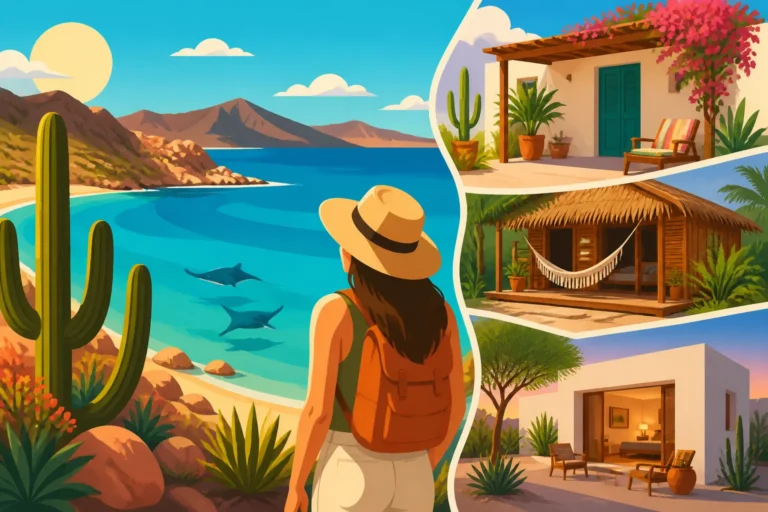
On the other side of the country lies the Sea of Cortez, famously dubbed "The World's Aquarium" by Jacques Cousteau. This body of water, sandwiched between the Baja California Peninsula and the Mexican mainland, is a biological hotspot. Unlike the reef-centric Caribbean, the Sea of Cortez is about the "big stuff." We are talking about sea lions, hammerhead sharks, whale sharks, and massive pods of dolphins. The underwater topography is volcanic, with dramatic walls and deep trenches that attract pelagic species.
La Paz is the undisputed crown jewel of this region. Just a short boat ride from the city is Los Islotes, a sea lion colony where the "pups" are known to be incredibly interactive. Imagine a golden retriever with flippers; they will zoom circles around you and might even playfully nibble on your fins. It is one of the most joyous underwater experiences you can have in Mexico. Because the conditions here can be more challenging—with thermoclines that can drop the temperature ten degrees in a matter of seconds—it is vital to understand Beach Safety 101: How to Read Warning Flags and Stay Safe in the Ocean before heading out on a panga.
Cabo Pulmo, located further south on the East Cape of Baja, is another success story. Once a depleted fishing ground, it was declared a national park in 1995, and the biomass has since increased by over 400%. Today, you can dive into "tornadoes" of jackfish so thick they block out the sun. The logistics of getting to Cabo Pulmo involve a dusty drive down washboard roads, but the sight of a healthy, thriving reef in the middle of a desert landscape is a memory that sticks with you forever.
Pacific Coast Gems from Nayarit to Oaxaca
The open Pacific coast of Mexico is often overlooked by divers in favor of the Caribbean or Baja, but that is a mistake. The waters off Nayarit, Jalisco, and Oaxaca offer a more adventurous, unpredictable experience. Puerto Vallarta is the main hub here, providing access to the Marietas Islands and Los Arcos Marine Park. These sites are famous for their underwater tunnels and caves, as well as the seasonal arrival of humpback whales, whose songs can often be heard vibrating through your chest while you are underwater.
Moving south to the state of Oaxaca, the coastline becomes even more rugged. Puerto Escondido and Huatulco offer diving that is dominated by rocky volcanic outcroppings and massive schools of rays. The Pacific is generally cooler and has more surge than the Caribbean, which means it isn't always the best for those prone to seasickness. However, the lack of massive crowds means you often have the dive sites entirely to yourself, which is a luxury in today's world of over-tourism.
The Revillagigedo Archipelago, also known as the Socorro Islands, is Mexico's answer to the Galapagos. Located about 240 miles off the coast of Cabo San Lucas, this is "bucket list" diving at its most extreme. This is not a place for snorkeling; it is a place for experienced divers on liveaboard vessels. The draw here is the giant oceanic manta rays, which have a wingspan of up to 20 feet and genuinely seem to enjoy the presence of divers. Getting out there requires a 24-hour boat ride across open ocean, so you’ll want to check Getting Around Mexico: Buses, Flights, and Car Hire for tips on coordinating your travel to the departure ports.
Planning Your Underwater Adventure Logistics
Experience has taught me that the difference between a dream dive trip and a logistical nightmare in Mexico usually comes down to three things: timing, transport, and where you lay your head at night. Mexico is massive, and moving between these marine zones is not something you can do on a whim. It requires a strategic approach to the calendar and the map.
Best Seasons for Visibility and Wildlife Encounters
In Mexico, the "best" time to dive depends entirely on what you want to see. For the Caribbean, the water is calmest and clearest from May to September. This also happens to be whale shark season off the coast of Isla Holbox and Isla Mujeres. Thousands of these gentle giants gather to feed on plankton, and snorkeling with them is an experience that defies description. However, this is also hurricane season, so you must be prepared for the occasional "norte" (storm) that might close the ports for a few days.
In the Sea of Cortez, the window is narrower. The water is freezing in the winter (January to March), sometimes dropping to 18°C (64°F), which requires a thick wetsuit. The best visibility and warmest water occur from August to November. If you are looking for hammerhead sharks or humpback whales, you’ll actually want the cooler months, but you’ll trade off the comfort of the "aquarium" feel. Always keep an eye on Staying Healthy in Mexico: Essential Tips for Food, Water, and Preventive Care as changing seasons can also affect local food and water safety in coastal towns.
For the Pacific coast, the winter months (December to April) are prime for whale watching. While you can't officially dive with humpbacks in most areas, seeing them breach from the boat on your way to a dive site is a common occurrence. The water clarity is usually best in the late autumn. If you are planning around these specific windows, using a service like Viator to book your tours in advance is highly recommended, as the best operators fill up months ahead of peak migratory events.
Transport and Getting to Remote Dive Sites
One of the biggest hurdles for expats and tourists is the "last mile" of transport. While Mexico has an incredible network of luxury buses, getting from the bus station to a remote dive camp in Baja or a cenote in the jungle requires a bit of hustle. For long-distance travel between major hubs like Cancun and Playa del Carmen, I always recommend using Busbud to book your ADO bus tickets. These buses are air-conditioned, punctual, and far safer than trying to navigate the highways in a rental car at night.
Once you arrive in a coastal town, you will likely be using "colectivos" (shared vans) or taxis. If you are heading to the cenotes near Tulum, colectivos are a cheap and authentic way to travel, but they aren't ideal if you are carrying a full set of dive gear. In that case, renting a car is often the better move. Just be sure to read up on Safety in Mexico: What Expats Need to Know About Staying Safe to understand the nuances of checkpoints and local driving etiquette.
For those heading to the Sea of Cortez, the logistics often involve flying into San Jose del Cabo and then taking a private shuttle or a smaller regional flight to La Paz or Loreto. The peninsula is vast, and what looks like a short distance on a map can be an eight-hour journey through winding mountain roads. Planning your transit through Busbud for the land segments can save you a significant amount of stress and pesos.
Where to Stay for Maximum Water Access
Choosing the right base of operations can make or break your trip. In Cozumel, you want to stay on the southern end of the island if you are a serious diver. This puts you closer to the major reef systems like Palancar and Columbia, meaning shorter boat rides and more time underwater. If you stay in the main town of San Miguel, you’ll spend an hour each day just getting to the sites. I usually use Booking.com to find small, diver-centric hotels that have dedicated gear rinsing stations and lockers.
In the Riviera Maya, staying in Akumal or Puerto Morelos offers a quieter, more reef-focused experience than the high-rise chaos of Cancun. Puerto Morelos, in particular, has a protected marine park just offshore that offers some of the best snorkeling in the region without the massive crowds. For cenote enthusiasts, staying in the "La Veleta" or "Aldea Zama" neighborhoods of Tulum provides a central location for exploring the jungle pits, though the town has become increasingly expensive over the years.
In Baja, La Paz offers a wonderful mix of authentic Mexican culture and world-class marine access. The "Malecon" (boardwalk) is lined with dive shops and restaurants, and staying in a boutique hotel nearby allows you to walk to your boat in the morning. For those truly wanting to get away, there are eco-camps on Espiritu Santo Island where you can sleep in a high-end tent and wake up with the dolphins. Use Booking.com to filter for properties that offer "sustainable travel" badges, as these are often the ones most committed to reef conservation.
Essential Gear and Safety for Foreigners
Safety in Mexican waters is generally high, but it relies heavily on your own personal responsibility and gear maintenance. While the big dive centers have top-tier equipment, smaller outfits in rural areas can be a bit more "relaxed." As an expat who has seen it all, I always suggest a "trust but verify" approach when it comes to life-support equipment.
Renting vs Bringing Your Own Equipment
If you are a casual snorkeler, renting gear is fine. Most tours include a mask, snorkel, and fins. However, if you are a diver, I strongly advocate for bringing at least your own mask and computer. There is nothing worse than a leaky mask ruining a $150 dive or a rental computer with a dying battery. Having your own gear also ensures a better fit, which reduces air consumption and increases your bottom time.
For those staying long-term, buying gear in Mexico can be expensive due to import taxes. It is often cheaper to buy your kit in the US or Canada and bring it with you. However, you must be careful about How to Get a CURP as a Foreigner: The Mexican ID Number Explained if you plan on receiving shipped items, as customs can be a headache. If you do rent, check the "service date" stickers on the regulators and tanks. Most reputable shops in Mexico City or Playa del Carmen are very diligent, but in smaller towns, you should check for any signs of corrosion or wear.
Understanding Local Currents and Safety Standards
The Caribbean and the Pacific offer very different safety challenges. In Cozumel, the current is the main factor. It is almost exclusively "drift diving," meaning the boat follows your bubbles and picks you up where you surface. This requires an SMB (Surface Marker Buoy). If you don't know how to deploy one, learn before you go. In the Sea of Cortez, the challenge is the "surge" and the visibility. It is easy to get separated from your buddy in murky water or heavy swells.
Most Mexican dive masters are incredibly skilled—many have thousands of dives in the same three-mile stretch of reef. However, the ratio of guides to divers can sometimes be higher than what you might be used to in the US or Europe. Don't be afraid to ask for a private guide if you are feeling rusty. It is a small extra cost that significantly increases your safety margin. Also, be sure to verify Are Doctors in Mexico Properly Qualified? Understanding Medical Training in case you need a dive physical or treatment for a minor ear infection.
Insurance and Emergency Protocols
This is the part most people skip, but it is the most important. Traditional travel insurance often does not cover scuba diving accidents or decompression sickness. I cannot stress this enough: get DAN (Divers Alert Network) insurance. It is inexpensive and specifically designed to handle the high costs of hyperbaric chamber treatments. Mexico has world-class chambers in Cozumel, Playa del Carmen, Cabo San Lucas, and La Paz, but they are private and extremely expensive.
In a medical emergency, you need to know how the system works. Calling 911 is the standard, but the response can be variable depending on your location. Knowing how to navigate Medical Emergencies in Mexico: What Expats Should Know and Prepare is vital. Most dive shops have their own emergency protocols and oxygen on board, but you should always verify this before the boat leaves the dock. In the event of a serious accident, the Red Cross (Cruz Roja) is a major player in Mexican emergency services, though they rely heavily on donations and are often stretched thin.
Unique Underwater Experiences in Mexico
Beyond the standard reef dives, Mexico offers several "bucket list" experiences that you simply cannot find anywhere else on the planet. These are the things that turn a vacation into a life-changing event.
The Mystical Cenotes of the Yucatan Peninsula
The cenotes are natural sinkholes that lead to the world's largest underground river systems. For a diver, entering a cenote is like entering a cathedral. The water is filtered through limestone, making it so clear that you feel like you are floating in air. The light beams—known as "God rays"—pierce through the jungle canopy and down into the depths, creating an ethereal atmosphere that is impossible to capture on camera.
There are cenotes for every level. Snorkelers can enjoy places like Casa Cenote, which is open to the sky and feels like a mangrove river. For cavern-certified divers, Dos Ojos and El Pit offer dramatic stalactites and stalagmites. For the truly advanced, the "halocline" in Cenote Angelita—where fresh water meets salt water—creates a cloud of hydrogen sulfide that looks like an underwater river with fallen trees. It is eerie, beautiful, and a bit surreal. If you are planning a day trip, check Cenote Day Trips in the Yucatán for the best spots to visit without the massive tour bus crowds.
Encountering Giants Whale Sharks and Mantas
Swimming with a whale shark is a humbling experience. These fish can grow to 40 feet long, and being in the water next to a creature the size of a school bus is a reminder of how small we are. The whale shark season in the Caribbean runs from June to September, while in the Sea of Cortez (near La Paz), it usually runs from November to April. These are strictly snorkeling encounters; bubbles from scuba tanks can disturb the sharks, so leave the heavy gear at home.
The giant oceanic mantas of Socorro are a different story. These creatures are known for their intelligence and curiosity. They will often approach divers and hover in the bubbles, seemingly enjoying the sensation on their bellies. Unlike stingrays, mantas have no stinger and are completely harmless. These encounters are life-altering, but they require a high level of physical fitness and comfort in deep, open-ocean conditions.
The Underwater Museum of Art (MUSA)
Located between Cancun and Isla Mujeres, MUSA is one of the most successful conservation projects in the world. It consists of over 500 life-sized sculptures submerged on the seafloor, designed by artist Jason deCaires Taylor. The goal was to draw tourists away from the natural reefs, which were suffering from over-visitation, and provide a substrate for new coral growth.
Today, the sculptures are being reclaimed by nature. "The Silent Evolution"—a crowd of 400 figures—is now covered in fans, sponges, and fire coral. It looks like a sunken civilization. It is a shallow dive (about 30 feet), making it perfect for beginners and snorkelers. You can book a trip through Viator that includes both the museum and a nearby natural reef for comparison. It is a poignant reminder of the impact humans have on the ocean, both negative and positive.
Costs and Booking Tips for Divers and Snorkelers
Budgeting for a dive trip in Mexico requires looking beyond the sticker price of the tour. You need to account for park fees, equipment rentals, and the ever-important "propina" (tip).
Budgeting for Tours and Certifications
Mexico is one of the most cost-effective places in the world to get PADI or SSI certified. A full Open Water course usually costs between $400 and $600 USD, which includes your materials, pool sessions, and four open-water dives. If you are already certified, a two-tank boat dive typically ranges from $90 to $150 USD, depending on the location and the quality of the gear. Cenote dives are usually more expensive (around $150-$200) due to the specialized guiding and transport required.
| Activity | Estimated Cost (USD) | Includes |
|---|---|---|
| 2-Tank Reef Dive (Cozumel) | $95 – $130 | Boat, tanks, weights, guide |
| Cenote 2-Tank Dive | $150 – $200 | Transport, entrance fees, guide |
| Whale Shark Snorkel | $150 – $225 | Boat, gear, lunch, guide |
| PADI Open Water Course | $450 – $600 | Full certification, gear rental |
| Discover Scuba (Beginner) | $120 – $160 | 1 pool session, 1 shallow dive |
Don't forget to factor in the cost of health contingencies. While the tours are affordable, specialized medical care is not. You can compare these prices with Healthcare Costs in Mexico: Doctor Visits, Hospital Stays, and Surgery Expenses to see how they fit into your overall travel budget.
Booking Platforms and Finding Reputable Operators
In the digital age, it is tempting to just book the cheapest thing you find on a flyer on the street. Don't do it. Use platforms like Viator to read reviews and ensure the operator has the proper insurance and certifications. A reputable shop will always ask to see your certification card and will have you fill out a medical waiver. If they don't, that is a massive red flag.
When using Booking.com for your accommodation, look for "Dive Resorts." These are hotels that have on-site dive shops. The benefit here is the "concierge" service; they handle your gear, they know the local captains, and they can often get you better rates on multi-day dive packages. It also makes those 7:00 AM boat departures much easier to manage when the dock is only fifty yards from your breakfast table.
Practical Tips for a Smooth Experience
To truly enjoy your time in the water, you need to think like a local. This means respecting the environment, managing your health, and understanding the social cues of a Mexican dive boat.
Marine Conservation and Reef-Safe Practices
The reefs of Mexico are under immense pressure from rising sea temperatures and pollution. The most important thing you can do as a visitor is to use reef-safe sunscreen. Traditional sunscreens contain oxybenzone, which bleaches coral. In fact, many parks like Xel-Há and Cozumel officially ban non-biodegradable sunscreens. Better yet, wear a "rash guard" or a thin wetsuit to minimize the need for sunscreen altogether.
Another critical tip: do not touch anything. This seems obvious, but even a light brush with a hand can kill the delicate polyps that make up a coral reef. In the cenotes, the oils from your skin can damage the prehistoric rock formations. We are guests in this world; let’s act like it. If you want to know more about the local water quality, check Is Tap Water Safe to Drink in Mexico? to understand how groundwater systems like the cenotes are connected to the local infrastructure.
Managing Physical Demands and Altitude
Diving is physically taxing, and the Mexican sun is relentless. Dehydration is the number one cause of dive-related issues in the country. Drink twice as much water as you think you need, but stick to bottled or filtered water. Also, be aware of the "altitude gap." Many people fly into Mexico City (over 7,000 feet) and then take a bus to the coast to dive.
If you are coming from a high-altitude city, your body is already under stress. Check Altitude Sickness in Mexico: Tips for Adjusting to High Elevations for advice on acclimating. More importantly, remember the "No Fly" rule: you must wait at least 18 to 24 hours after your last dive before flying or going to high altitude (like driving back up to Mexico City or San Miguel de Allende). Breaking this rule can lead to a very painful and dangerous case of "the bends."
Overcoming the Language Barrier with Dive Crews
While most dive instructors in major hubs speak excellent English, the boat captains (the "capitanes") and deckhands often speak only Spanish. Learning a few basic terms goes a long way in earning their respect and ensuring a smooth trip. Terms like "aleta" (fin), "visor" (mask), and "tanque" (tank) are essential.
If you are struggling with the language, don't worry—the "scuba signs" are universal. However, being polite in the local style is important. Always greet the crew with a "Buenos días" and a "Gracias." Tipping is also a standard part of the culture. A good rule of thumb is $5-$10 USD per tank for the crew. They work incredibly hard to keep you safe and haul your heavy gear, and a little "propina" goes a long way.
Disclaimer
The information provided in this guide is for informational purposes only and does not constitute professional medical or safety advice. Scuba diving and snorkeling involve inherent risks, including the risk of serious injury or death. Always dive within your limits, seek proper certification from recognized agencies like PADI or SSI, and consult with a medical professional before engaging in strenuous underwater activities. The author and publisher are not responsible for any accidents or incidents that may occur while following the advice in this article.