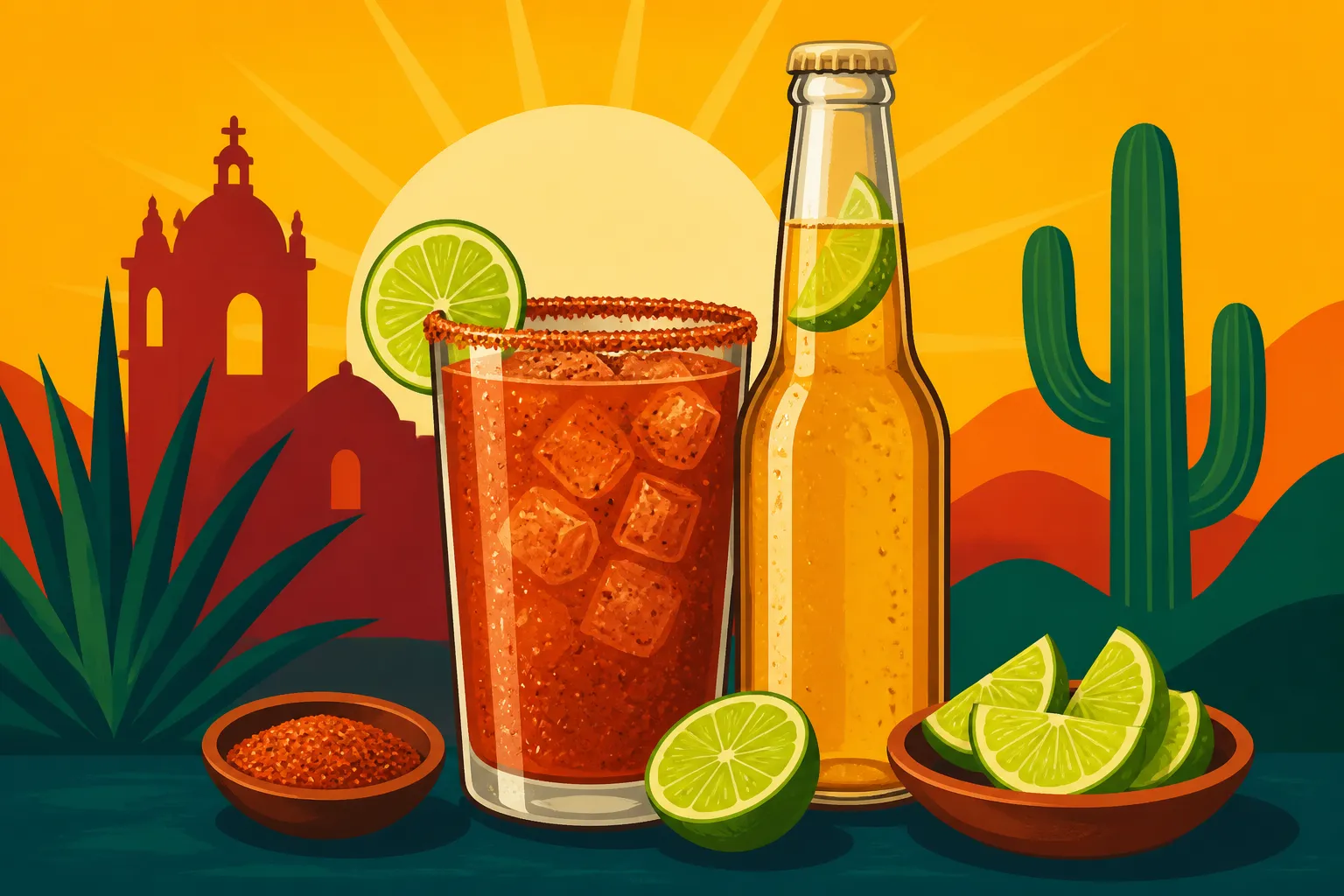
Mexican Beer and Michelada Culture
Stepping into a Mexican cantina or beachside palapa for the first time can be surprisingly overwhelming when confronted with a bewildering array of crisp lagers, unexpected savory condiments, and complex beer cocktails like the Michelada. Many newcomers default to familiar bottled imports, missing out on an integral part of local culture. This guide breaks down Mexican beer traditions, decoding classic styles, regional favorites, and Michelada etiquette so you can sip like a local.
Disclosure: This post may contain affiliate links. We may earn a commission at no extra cost to you if you make a purchase through these links. Read full disclosure.
The Landscape of Mexican Beers: Beyond Commercial Lagers
The Domination of Industrial Macro-Brews
To understand drinking in Mexico, one must first appreciate the dual monopoly that has defined the nation’s beer market for decades. The vast majority of beer consumed across the country comes from two brewing titans: Grupo Modelo (producers of Corona, Modelo Especial, Negra Modelo, Victoria, and Pacífico) and Heineken México, formerly known as Cervecería Cuauhtémoc Moctezuma (producers of Dos Equis, Tecate, Indio, Carta Blanca, and Bohemia). These breweries perfected pale, highly carbonated, sessionable lagers specifically engineered to complement Mexico’s warm climates and spicy culinary heritage.
While international marketing has turned light beers into global icons, domestic consumption tells a more nuanced story. Locals often favor amber lagers and Vienna-style brews over ultra-light options. Victoria, billed as Mexico’s oldest beer brand, is a classic Vienna lager offering a toasted malt richness that balances street taco seasonings effortlessly. Negra Modelo, a rich Dunkel-style lager, brings caramel notes and a smooth finish that pairs brilliantly with slow-roasted pork or rich mole dishes. Understanding these macro-brews allows you to navigate any basic corner tiendita or neighborhood eatery with confidence.
The Explosive Growth of Mexican Craft Beer (Cerveza Artesanal)
Over the last decade, an extraordinary craft beer revolution—known locally as cerveza artesanal—has taken root across the country. Independent microbreweries have popped up from Baja California down to the Yucatán, challenging the dominance of traditional industrial lagers. Cities like Tijuana, Ensenada, Guadalajara, and Mexico City now host thriving craft scenes where passionate brewmasters experiment with traditional European styles while infusing distinctively Mexican ingredients.
When exploring independent taprooms, you will encounter crisp West Coast-style IPAs alongside inventive small-batch brews flavored with local produce. Expect stouts aged in tequila barrels or infused with single-origin Mexican chocolate, roasted coffee beans, and chili peppers. Pale ales and farmhouses frequently feature additions like hibiscus flower (jamaica), guava, or passion fruit. Navigating this sector offers a fascinating contrast to macro-brews, though independent breweries often navigate steep distribution taxes and exclusive pouring contracts that keep them out of standard neighborhood bars.
Regional Favorites and Local Loyalties
Beer loyalty in Mexico is fiercely regional, deeply tied to local pride and industrial history. In northern states like Nuevo León and Baja California, Tecate and Carta Blanca reign supreme. Carta Blanca, served in its iconic squat glass bottle (often called a caguamita or chubby), carries a wave of blue-collar nostalgia and is a staple at northern backyard barbacoas. Meanwhile, along the Pacific coast—particularly in Sinaloa and surrounding regions—Pacífico is the undisputed king of beachside drinking.
As you head into central Mexico, including the capital, Victoria and Indio dominate market share, while southern and eastern regions retain their own historic preferences. In Yucatán, you will frequently see long-time locals reaching for Montejo or León, brands originally established in Mérida before being absorbed into larger corporate portfolios. Recognizing these regional preferences is a quick way to demonstrate cultural awareness. For a deeper understanding of how geographic differences shape local flavors and traditions, explore our guide to Mexican Regional Cuisine: How Food Changes Across Mexico.
Decoding the Michelada: Mexico’s Ultimate Beer Cocktail
The Classic Michelada vs The Chelada
Few beverage traditions cause as much confusion for foreign visitors as the distinction between a Chelada and a Michelada. Ask three different people in Mexico to define these drinks, and you might get slightly conflicting answers depending on the region, but a general rule of thumb applies across most of the country. A Chelada is the simpler, highly refreshing combination of a pale beer poured over fresh lime juice in a ice-filled glass heavily rimmed with coarse salt. It is crisp, intensely tart, and arguably the ultimate cure for a hot afternoon or a slow morning.
A Michelada, on the other hand, steps into savory, complex flavor territory. It builds upon the basic Chelada base by introducing a blend of savory, spicy sauces—collectively referred to as salsas. A standard Michelada includes fresh lime juice, salt, Worcestershire sauce (salsa inglesa), Maggi seasoning sauce (jugo Maggi), hot sauce (such as Valentina, Valentina Negra, or Tamazula), and occasionally a dash of black pepper. The glass is typically rimmed with Tajín—a tangy blend of chili powder, dehydrated lime, and salt—creating an umbrella of complex umami and spice that transforms a basic lager into a deeply satisfying savory elixir.
Clamato, Chamoy, and Extreme Variations (Gomicheladas)
Beyond the foundational Chelada and Michelada, Mexican beer cocktail culture enters a realm of boundless creativity and outrageous showmanship. Adding Clamato—a seasoned tomato juice reconstituted with clam broth—is one of the most popular upgrades, resulting in a drink known as a Clamato con Cerveza or simply a Michelada con Clamato. This variation leans heavily into savory, bloody mary-adjacent territory, making it an undisputed staple at Sunday seafood stands and morning cantina sessions.
In street markets, festival grounds, and bohemian neighborhoods, street vendors take these drinks to spectacular extremes. You will find glasses lined with thick, sticky chamoy (a sweet and sour pickled fruit paste) before being dipped in crushed chili candies. Modern iterations include:
- Gomicheladas: Micheladas heavily garnished with sweet and sour gummy candies skewered across the top of the cup.
- Licuacheradas: Massive Michelada concoctions served inside colorful, plastic blender jars that you can carry around street markets.
- Kekas and Cucharadas: Drinks garnished with tamarind candy sticks, dried shrimp skewer snacks, sticks of cucumber, and strips of dried salted beef (cecina).
How to Order a Michelada Like a Local
Ordering a beer cocktail requires a small amount of vocabulary, as bartenders will expect you to specify both your preparation preference and your choice of base beer. Most establishments do not prepare a blanket “house Michelada” without asking what beer you want inside it. A dark, full-bodied amber lager like Victoria or Negra Modelo provides a richer caramel backbone that stands up well to heavy sauces, while a lighter lager like Modelo Especial or Pacífico creates a crisper, more lime-forward profile.
When you sit down, the server will usually ask: “¿Cómo la quiere?” (How would you like it?) or “¿Con qué cerveza?” (With which beer?). You can specify your base beer and target style cleanly. To refine your vocabulary and feel comfortable communicating with waitstaff in busy environments, check out our guide on Ordering Food and Drinks in Spanish in Mexico as well as handy daily expressions found in Mexican Spanish: Slang and Expressions for Visitors.
The Social Rituals and Etiquette of Drinking Beer in Mexico
Botanas and Cantina Tradition
Drinking beer in Mexico is rarely an isolated activity; it is almost always paired with food, conversation, and relaxed hospitality. Nowhere is this more apparent than in traditional neighborhood cantinas. Historically male-only spaces, modern cantinas have evolved into welcoming, nostalgic establishments frequented by diverse crowds seeking cold drinks, traditional music, and generous hospitality.
The cornerstone of the traditional cantina experience is the botana—a sequence of small, complimentary food plates brought out automatically with every round of drinks you order. Starting with simple items like salted peanuts, pickled pig feet, or potato chips bathed in hot sauce, subsequent drink rounds might bring out simmering bowls of birria, fish soup, tacos, or meatballs. The unwritten rule of the cantina is simple: keep ordering drinks, and the kitchen will keep feeding you. To dive deeper into the etiquette of these classic drinking halls, read our overview of Cantinas and Mexican Bar Culture for Visitors.
The Caguama Culture and Sharing Mechanics
Outside of formal bars and sit-down restaurants, much of Mexico’s casual beer consumption centers around the caguama. Named after the loggerhead sea turtle due to its broad shape and brown glass, a caguama is a large returnable glass bottle holding approximately 940 milliliters to one liter of beer. Caguamas represent affordability, sustainability, and community spirit. Purchasing a cold caguama from a neighborhood corner store requires leaving a small cash deposit for the glass bottle—or bringing an empty glass bottle back to exchange for a full one.
Sharing a caguama with friends, neighbors, or co-workers at the end of a workday is a deeply embedded social bonding ritual. Typically, a group will sit on street curbs, garage doorsteps, or plastic outdoor patio tables with a single caguama placed in the center. The bottle is poured into small plastic cups or passed around, ensuring everyone’s drink remains ice-cold in small quantities rather than warming up in a large glass. Participating in a shared caguama circle is a sign of trust and casual camaraderie among friends.
Public Drinking Laws and Staying Safe
While casual drinking around neighborhood corners is common in residential barrios, it is vital for expats and travelers to understand Mexican public consumption laws. Technically, drinking alcohol on public streets, sidewalks, and parks (vía pública) is illegal throughout Mexico. Municipal police officers can and do fine or detain individuals violating open-container laws, particularly in municipal city centers, tourist zones, and major public plazas.
Rules tend to be somewhat relaxed on private beach premises, inside gated resorts, or during designated cultural festivals, but carrying an open beer can while walking down a city street is a risk you should avoid. If you ever find yourself interacting with local authorities, remaining polite, respectful, and calm is essential. For comprehensive advice on navigating local law enforcement, personal security, and general legal boundaries, review our guide to Staying Safe in Mexico: Practical Tips for Travelers. Additionally, when enjoying service at local establishments, keeping standard tipping norms in mind is helpful; consult our breakdown of Tipping in Mexico (Propina): When and How Much to handle your bill with confidence.
Exploring Mexico’s Beer and Michelada Scene across Regions
Baja California and Northern Craft Hotspots
If you are a devoted enthusiast of modern craft brewing, northern Mexico—and Baja California in particular—demands top priority on your travel itinerary. The proximity to West Coast brewing hubs in California, combined with Baja’s world-class culinary revolution, has turned cities like Tijuana and Ensenada into premier beer destinations. The Plaza del Zapato in Tijuana and the industrial-chic taprooms along Ensenada’s coastal strip showcase complex IPAs, balanced lagers, and wine-barrel-aged wild ales that regularly win international awards.
Further east in the desert north, cities like Monterrey offer a different, highly traditional beer culture deeply connected to meat-heavy gastronomy. Here, ice-cold macro-brews like Tecate and Carta Blanca are consumed out of metal ice buckets (cubetazos) alongside grilled arrachera and cabrito. The heat of northern Mexico makes the ritual of ultra-cold beer serving an art form, with bottles served frozen to the touch—often described locally as being vestida de novia (dressed like a bride) due to the thick layer of white frost coating the glass.
Mexico City, Central Highlands, and Coastal Cantinas
In the central highlands, Mexico City serves as a vast melting pot of both historic drinking culture and modern craft innovation. Neighborhoods like Roma Norte, Condesa, and Juárez host slick microbrewery taprooms and specialty beer bars pouring independent draft selections from across the republic. Just a short metro ride away in the Historic Center, century-old cantinas continue to pour traditional Micheladas surrounded by stained glass, tilework, and strolling mariachi musicians.
Moving toward coastal regions like Puerto Vallarta, Oaxaca’s Pacific coast, or the Riviera Maya, beer consumption pivots back to light, highly refreshing styles designed to combat coastal humidity. Beachside shacks (palapas) specialize in serving fresh ceviche paired with lime-loaded Cheladas served in salt-crusted glassware. The relaxed pace of coastal life encourages long, unhurried afternoons where the line between a morning hangover cure and an afternoon refreshment blurs completely. First-time travelers often find these contrasts striking; read more about what to expect in our guide to Common Cultural Surprises for First-Time Visitors to Mexico.
Navigating Logistics and Brewery Tours
Planning an itinerary around Mexico’s diverse beer regions requires a bit of logistical foresight. Transit between major cultural centers in the central highlands—such as moving from Mexico City to craft-friendly neighboring cities like Querétaro, Puebla, or Guadalajara—is straightforward using luxury long-distance buses. Online booking platforms like Busbud make it simple to compare routes and reserve comfortable intercity bus tickets in advance without needing to navigate busy bus terminal counters in Spanish.
When booking accommodations near iconic nightlife districts, such as staying within walking distance of taprooms in Mexico City’s Condesa or historic cantinas in Oaxaca’s Centro Histórico, using Booking.com helps you filter options by location, security features, and guest reviews. For travelers who want to dive straight into local bar cultures without worrying about transportation or language barriers, booking curated pub crawls or craft brewery tasting experiences through Viator offers a safe, structured, and educational way to explore hidden taprooms with expert local guides. If you are considering planning driving routes through rural brewing or agricultural areas yourself, ensure you check our safety tips in Taking Road Trips in Mexico: Safety and Planning Tips.
Comparing Popular Mexican Beer Servings and Styles
Breakdown of Classic Styles, Servings, and Flavors
Understanding the menu options at Mexican bars, restaurants, and convenience stores helps you select the exact drink profile you want. The table below outlines the most common commercial styles, traditional serving formats, and flavor characteristics you will encounter across the country.
| Name / Style | Base Style or Format | Flavor Profile | Best Food Pairing / Occasion |
|---|---|---|---|
| Pilsner / Pale Lager (e.g., Pacífico, Corona, Modelo Especial) | Light American/International Lager | Clean, crisp, light grain notes, mild bitterness, high carbonation | Street tacos, fresh ceviche, hot beach afternoons |
| Vienna Lager (e.g., Victoria, Dos Equis Ambar) | Amber Lager | Toasted malt, subtle caramel sweetness, smooth medium body | Tacos al pastor, grilled meats, casual cantina visits |
| Dunkel-Style Lager (e.g., Negra Modelo) | Dark Munich/Dunkel Lager | Roasted malt, chocolate undertones, smooth and rich finish | Mole, slow-roasted pork (cochinita pibil), rich stews |
| Chelada | Beer cocktail (Beer + Lime + Salt) | Intensely tart, salty, crisp, ultra-refreshing | Hot afternoons, spicy seafood, morning hangover cure |
| Michelada Clásica | Beer cocktail (Beer + Lime + Salt + Salsas) | Savory, umami-rich, spicy, tangy rim with Tajín | Hearty afternoon meals, bar snacks, Sunday gatherings |
| Michelada con Clamato | Beer cocktail (Michelada + Clamato Juice) | Rich tomato flavor, savory seafood notes, mild spice | Seafood lunches, Sunday brunches, casual street markets |
| Caguama | 940ml – 1L returnable glass bottle | Depends on brand (usually Pale or Amber Lager) | Casual backyard gatherings, sharing with friends |
Essential Tips for Expats Navigating Local Beer Menus
Navigating a local drink menu becomes second nature once you understand a few practical nuances. First, pay attention to the bottle format. Many traditional neighborhood eateries sell media bottles (standard 325ml–355ml bottles), but some carry returnable bottles (retornables). If buying returnable bottles from a corner store to take home, you must provide a matching empty bottle or pay a small refundable deposit for the glass container.
Second, don’t hesitate to specify your glass preferences when ordering in sit-down restaurants. If you prefer your beer served ice-cold without ice cubes, simply ask for it “bien fría” (very cold) or with a “vaso con hielo” (a glass with ice) on the side if you want to control dilution yourself. Finally, if you want to explore the vibrant nightlife in larger urban centers like the capital, check out our dedicated guide to Nightlife in Mexico City: Bars and Clubs to find the best spots operating today.
Whether you prefer a simple crisp lager enjoyed on a sunny beach, an adventurous artisanal IPA from a local microbrewery, or a spicy, sauce-laden Michelada served in a bustling neighborhood street market, Mexico’s beer culture offers incredible variety. By stepping outside your comfort zone and embracing these local rituals, you will discover a rich, hospitable world that forms the beating heart of Mexican social life.
Disclaimer
This article is for general informational purposes only and does not constitute professional advice. Laws, prices and regulations vary by location and change over time. Consult a qualified professional for guidance on your specific situation.