The Yucatán Peninsula: Beaches, Ruins, and Cenotes
The Yucatán Peninsula, for many, conjures images of pristine beaches and all-inclusive resorts, a sun-drenched escape from the everyday. But for those of us who've lived here or ventured beyond the main tourist strips, we know it's a vibrant, sometimes overwhelming, tapestry of ancient history, natural wonders, and distinct culture. This isn't just a guide to what to see, but how to experience this incredible region, navigating its unique challenges and unlocking its true magic.
Disclosure: This post may contain affiliate links. We may earn a commission at no extra cost to you if you make a purchase through these links. Read full disclosure.
Understanding the Yucatán Peninsula: More Than Just Resorts
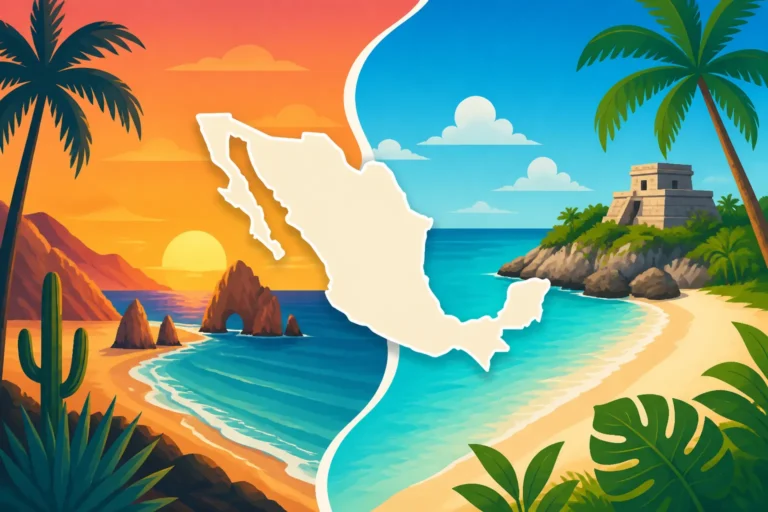
When people talk about the Yucatán, they often mean the state of Quintana Roo, home to Cancún, Playa del Carmen, and Tulum. But the peninsula itself is a much larger entity, a sprawling limestone landmass encompassing three Mexican states: Quintana Roo, Yucatán, and Campeche. Each offers a distinct flavor, from the bustling, international vibe of the Caribbean coast to the deeply traditional, colonial charm of Mérida and the historical richness of Campeche City. It's a place that demands exploration beyond the brochure photos, and trust me, the effort is always rewarded.
Geographical Overview: States and Major Hubs
The peninsula's geography is fascinating. It's largely flat, covered in dense jungle, and notably lacks visible rivers. Instead, its freshwater flows underground, creating the famous cenotes. Quintana Roo, on the eastern side, faces the Caribbean Sea, boasting the most developed tourist infrastructure. Here you'll find the glittering hotels of Cancún, the lively pedestrian streets of Playa del Carmen, and the bohemian chic of Tulum. Venture further north, and you'll hit Isla Holbox, a car-free island paradise, or south towards Bacalar, known for its "Lagoon of Seven Colors."
Moving west, you enter the state of Yucatán, the historical and cultural heartland of the peninsula. Its capital, Mérida, is a grand colonial city, often dubbed "The White City," renowned for its safety, exquisite cuisine, and vibrant arts scene. Here, the pace slows down, and you feel a deeper connection to the region's Maya roots. Beyond Mérida, you'll find charming towns like Izamal, the "Yellow City," and Valladolid, a gateway to many ruins and cenotes. Finally, to the southwest lies Campeche, with its eponymous capital, a UNESCO World Heritage site famous for its fortified walls and colorful architecture. This state is less frequented by tourists, offering a more authentic, tranquil experience for those willing to explore.
A Rich Tapestry of Culture: Maya Heritage and Colonial Influence
The Yucatán Peninsula is utterly unique in Mexico due to its strong Maya heritage, which is still incredibly present in daily life, language, and customs. When you hear the soft, lilting Spanish spoken here, you'll notice it's often infused with Maya words and intonations. Many communities, especially in the state of Yucatán, are predominantly Maya-speaking, and their traditions, cuisine, and crafts remain fiercely preserved. This isn't just ancient history; it's a living, breathing culture.
Alongside this indigenous foundation, centuries of Spanish colonial rule left an indelible mark, particularly visible in the architecture of cities like Mérida and Campeche. The blending of these two powerful cultures has created a unique identity, distinct even from other parts of Mexico. You'll see it in the vibrant mestizo folk dances, the intricate embroidery of the hipil dresses, and the fusion of flavors in Yucatecan gastronomy. Understanding this dual heritage helps you appreciate the depth and complexity of the region far beyond its beautiful beaches. It's not just a backdrop for your vacation photos; it's the soul of the place.
Chasing the Sun: Mexico's Caribbean Beaches
Ah, the Caribbean coast! This is often the primary draw for many visitors, and for good reason. The white sand, turquoise waters, and gentle breezes are undeniably alluring. However, what people don't always realize is the sheer variety of beach experiences available, from the bustling party zones to secluded, pristine natural reserves. Choosing the right spot depends entirely on your travel style and what you hope to get out of your trip. Don't be fooled into thinking it's all one big resort strip – it's far from it.
The Iconic Riviera Maya: Cancún, Playa del Carmen, and Tulum
The Riviera Maya stretches south from Cancún, offering a string of world-famous destinations. Cancún itself is a powerhouse of tourism, known for its sprawling resorts, vibrant nightlife, and endless activities. It’s perfect if you want convenience, luxury, and a high-energy atmosphere. While some might find it overly commercialized, it offers unparalleled services and easy access to day trips. You can easily find flights into Cancún International Airport, and from there, shuttle services can take you directly to your resort or to other towns.
A bit further south, about an hour from Cancún, lies Playa del Carmen. Once a sleepy fishing village, it has transformed into a cosmopolitan hub with Quinta Avenida (Fifth Avenue) as its pulsating heart. Here, you'll find a mix of boutique hotels, international restaurants, lively bars, and excellent shopping. The vibe is trendier and more walkable than Cancún, appealing to those who want a blend of beach relaxation and urban buzz. You can often find great deals on accommodation through sites like Booking.com, allowing you to compare various hotels and apartments.
Even further down the coast is Tulum, which has carved out a niche as the eco-chic, bohemian hotspot. Famous for its stunning Mayan ruins perched dramatically above the Caribbean Sea, Tulum offers a blend of pristine beaches, yoga retreats, high-end jungle stays, and a focus on sustainable tourism. It's often more expensive than Playa del Carmen or Cancún, but the unique atmosphere and natural beauty are captivating. However, be prepared for sometimes spotty infrastructure and a very laid-back, "anything goes" attitude. While incredibly popular, the secret is out, so expect crowds, especially during peak season.
Isla Mujeres, Cozumel, and Holbox: Mexico's Islands
For a truly distinct island escape, the Yucatán Peninsula delivers with three fantastic options. Isla Mujeres, just a short ferry ride from Cancún, is a charming, golf-cart-friendly island with a relaxed atmosphere. Its Playa Norte is consistently ranked among the world's best beaches, offering shallow, calm turquoise waters perfect for swimming. You can easily spend a day or even a few nights here, enjoying fresh seafood and stunning sunsets.
Cozumel, a larger island south of Playa del Carmen, is a diver's paradise, famous for its incredible coral reefs and crystal-clear waters. It's a major cruise ship destination, so certain areas can get crowded during the day, but away from the main port, you'll find serene beaches and world-class diving and snorkeling opportunities. It has a more authentic Mexican feel than the bustling parts of Cancún, especially once the cruise ships depart.
Then there's Holbox, located off the northern coast of the Yucatán, reachable by ferry from Chiquilá. This car-free island embodies rustic charm with unpaved sandy roads, colorful murals, and a focus on nature. It's famous for its bioluminescence tours and whale shark encounters (seasonal, usually May-September). If you're looking to truly disconnect, enjoy birdwatching, and walk for miles on unspoiled beaches, Holbox is your spot. Just remember, "rustic" means some amenities might be simpler, but that's part of its charm.
Beyond the Crowds: Hidden Gems and Tranquil Shores
While the big names draw the crowds, the Yucatán Peninsula still holds many tranquil secrets for those willing to seek them out. Consider places like Xpu-Ha, a gorgeous, less developed beach between Playa del Carmen and Tulum, where you can often find a quiet spot to relax, snorkel, or enjoy a beach club without the throngs. Or head south from Tulum to the Sian Ka'an Biosphere Reserve, a UNESCO World Heritage site. Access is more challenging, often requiring a 4×4 or a guided tour, but the reward is pristine, untouched beaches, abundant wildlife, and a true sense of natural wonder.
Another lesser-known but equally stunning destination is the Laguna de Bacalar, the "Lagoon of Seven Colors," located inland in southern Quintana Roo. While not an ocean beach, its fresh, clear waters shimmer in incredible shades of blue due to its different depths and mineral content. It's a peaceful alternative for those seeking water activities without the waves and salt. Kayaking, paddleboarding, and swimming in its calm waters are pure bliss. It's places like these that remind you why you travel – to discover the unexpected and find moments of profound peace.
Journey Through Time: Unveiling Ancient Maya Ruins
No trip to the Yucatán Peninsula is complete without stepping back in time to explore the awe-inspiring ruins of the ancient Maya civilization. These sites are not just piles of old stones; they are profound testaments to a complex, intelligent, and deeply spiritual society. What makes them particularly captivating is how they are intertwined with the natural landscape, often hidden within dense jungle, making each visit an adventure.
The Grandeur of Chichen Itza and Uxmal
Chichen Itza, a UNESCO World Heritage site, is undoubtedly the most famous and most visited Mayan ruin on the peninsula. And for good reason: its iconic El Castillo pyramid, the Temple of the Warriors, and the Great Ball Court are incredibly impressive. The sheer scale and intricate astronomical alignment of the structures are mind-boggling, showcasing the advanced knowledge of the Maya. It's a must-see, but be prepared for massive crowds, especially tour buses arriving from Cancún and the Riviera Maya. Go early in the morning right at opening, or late in the afternoon, to try and beat the heat and the throngs. Many tours, which you can often book through platforms like Viator, offer early access options.
However, if you're looking for a more immersive and less crowded experience, Uxmal is a phenomenal alternative, often considered by many historians and expats to be even more architecturally significant and beautiful than Chichen Itza. Located in the Puuc region of Yucatán state, Uxmal is characterized by its distinct Puuc architectural style, featuring elaborate friezes, intricate stone carvings, and round edges on its structures like the magnificent Pyramid of the Magician. The site feels more integrated with the jungle, and you can still climb some of the pyramids, offering breathtaking panoramic views. A visit to Uxmal allows for a deeper appreciation of Maya artistry and engineering without the constant buzz of selfie sticks.
Coastal Wonders: Tulum and Cobá
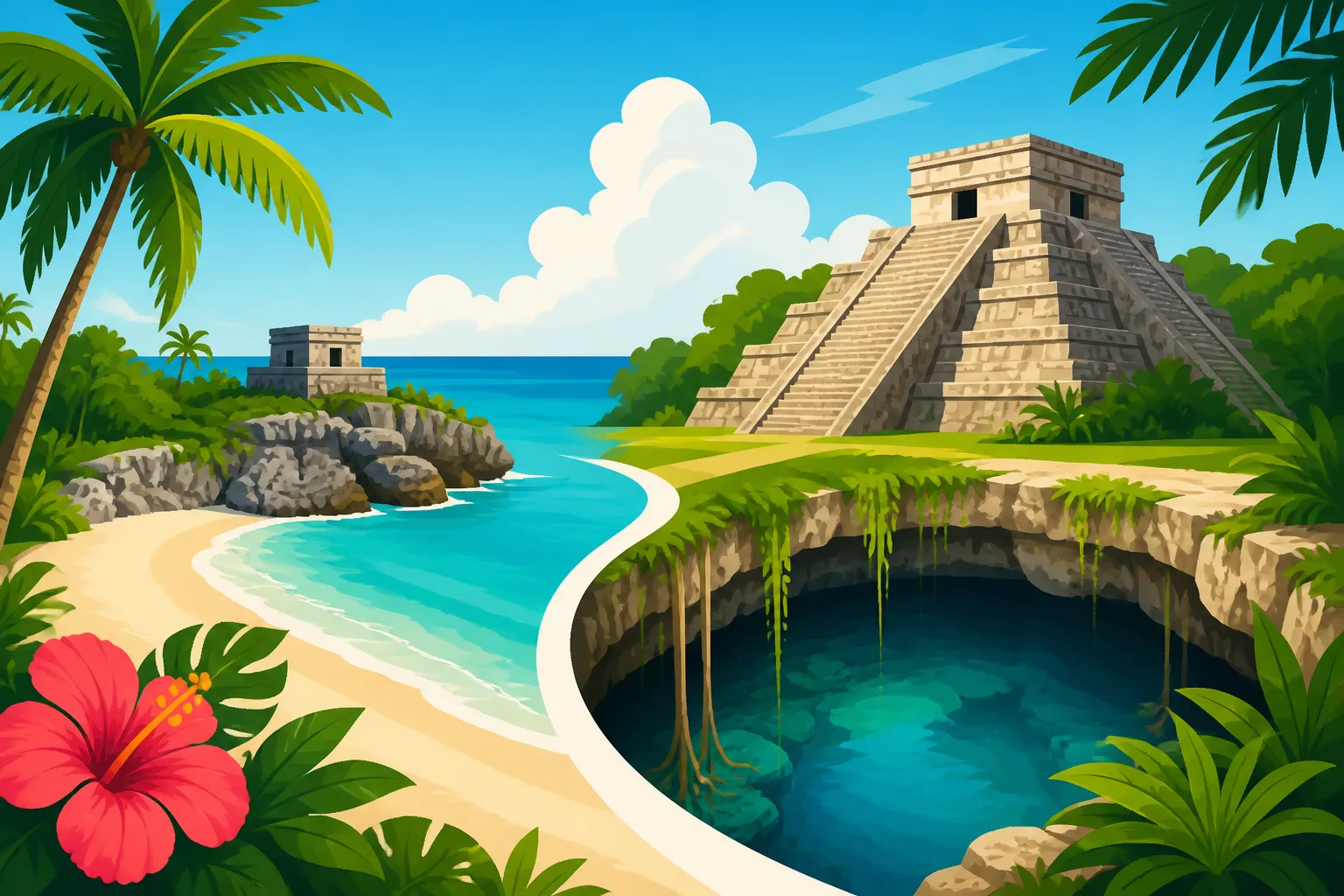
For those staying on the Caribbean coast, the Tulum ruins offer a truly unique experience. While not as grand in scale as Chichen Itza or Uxmal, their dramatic location atop a cliff overlooking the turquoise Caribbean Sea is simply unparalleled. The Temple of the Wind and El Castillo are stunning, especially with the waves crashing below. It's a smaller site, easily explored in a couple of hours, and perfectly combines history with incredible natural beauty. After exploring the ruins, you can even descend to the small beach below for a refreshing swim, making it a perfect half-day excursion.
Just a short drive inland from Tulum, you'll find the ruins of Cobá. This site offers a completely different vibe, spread out over a large jungle area. What makes Cobá particularly exciting is that you can rent bicycles or hire a "Maya taxi" (a tricycle with a driver) to explore the various structures. The main draw is Nohoch Mul, one of the tallest Maya pyramids on the Yucatán Peninsula, which you used to be able to climb for incredible views of the surrounding jungle canopy. While the climbing is now restricted, the journey through the jungle to reach it is an adventure in itself, and the sense of discovery is palpable. For those who want to experience the jungle meeting history, Cobá is a fantastic option.
Off the Beaten Path: Ek Balam and Mayapan
If you're eager to escape the main tourist circuit and delve into lesser-known, yet equally impressive, archaeological sites, the Yucatán Peninsula has plenty to offer. Ek Balam, located near Valladolid, is a hidden gem. This site boasts remarkably well-preserved stucco sculptures, particularly on its main structure, the Acropolis, which you can often still climb. The intricate carvings of winged warriors and a jaguar-mouthed entrance offer a glimpse into Maya cosmology that you won't find anywhere else. The jungle setting adds to the sense of discovery, and the smaller crowds allow for a more intimate experience.
Another fascinating, though less developed, site is Mayapan. Often referred to as "the last great Maya capital," Mayapan flourished after the decline of Chichen Itza and Uxmal. While its structures are not as imposing as those of its predecessors, it offers a valuable insight into a later period of Maya history. The site is spread out, allowing for quiet contemplation, and you'll often find yourself sharing the pyramids with only a handful of other visitors. It's a testament to the enduring legacy of the Maya and a great spot for those who appreciate history without the commercial gloss. Exploring these sites truly helps you understand the rich tapestry of Maya civilization. To truly dive into the history, consider booking guided tours from a platform like Viator, as their local experts can bring these ancient stones to life with fascinating stories and facts.
Diving into the Mystical: Exploring Yucatán's Cenotes
Beyond the sandy beaches and ancient cities, the Yucatán Peninsula hides another natural marvel: its cenotes. These natural sinkholes, filled with crystal-clear freshwater, are not just swimming holes; they are sacred sites, geological wonders, and an absolute must-do for any visitor to the region. The feeling of swimming in these cool, subterranean pools is an experience unlike any other.
What are Cenotes? Geology and Cultural Significance
Cenotes are formed when the limestone bedrock of the Yucatán Peninsula collapses, revealing underground rivers and cave systems. Because the peninsula has no surface rivers, these cenotes were the primary source of fresh water for the ancient Maya, making them vital for survival. But more than just a water source, they were considered gateways to the underworld, Xibalba, a place of spiritual significance and ritual. The Maya performed ceremonies and made offerings in cenotes, believing them to be places of immense power. You can literally feel the history and mystery when you enter one, especially the more secluded cave cenotes.
Geologically, they range from open, swimming-pool-like formations to semi-open caves and completely enclosed caverns. Each type offers a different experience. The water temperature is consistently cool and refreshing, typically around 75°F (24°C), making them a perfect escape from the tropical heat. The visibility in the water is usually excellent, revealing stunning rock formations, tree roots, and even small fish. It’s important to remember that these are delicate ecosystems, so always use biodegradable sunscreen and shower before entering to protect the water quality.
Popular Cenotes for Swimming and Snorkeling
For first-timers, or those looking for easily accessible and well-maintained cenotes for swimming and snorkeling, there are plenty of popular choices. Gran Cenote, near Tulum, is a fantastic option, offering both open and cave sections, with wooden walkways and clear water perfect for exploring. It's very well-equipped with changing rooms and restrooms. Another popular choice is Cenote Azul, located between Playa del Carmen and Tulum, which is an open-air cenote with varying depths, perfect for families and those who enjoy jumping off small cliffs into the water.
Cenote Ik Kil, famously close to Chichen Itza, is often included in tour packages and is visually stunning with vines cascading down into the deep, circular pool. It can get very crowded due to its proximity to the ruins, but the experience of swimming beneath the open sky with the jungle canopy above is unforgettable. For those closer to Mérida, Cenote X'Keken and Samula, located near Valladolid, offer beautiful cave environments with impressive stalactite formations and a beam of light filtering down from an opening in the ceiling, creating a magical glow. Remember that many cenotes have small entrance fees, and some require life vests.
Adventurous Cenote Experiences: Diving and Cave Exploration
For the more adventurous, the Yucatán Peninsula is a world-renowned destination for cenote diving. The intricate network of underwater caves offers an unparalleled experience for certified divers. Sites like Dos Ojos (Two Eyes), near Tulum, are famous for their cavern and cave diving, allowing divers to explore stunning stalactites, stalagmites, and crystal-clear water in a truly otherworldly environment. The visibility can be hundreds of feet, and the play of light entering through cracks in the ceiling is mesmerizing.
For experienced cave divers, the possibilities are virtually endless, with thousands of miles of explored and unexplored cave systems. You need proper certification and a reputable guide for these dives, as they can be challenging and require specialized equipment. Even if you're not a diver, some cenotes offer opportunities for cliff jumping, zip-lining over the water, or even rappelling into a sinkhole, providing an adrenaline rush alongside the natural beauty. Whichever type of cenote experience you seek, from a leisurely swim to a deep dive, you'll find something truly spectacular here. If you're planning a full day of cenote hopping, companies like Busbud can help you find routes to towns close to multiple cenotes, and many local tour operators will offer full-day excursions that combine several spots. You can often find and book these through Booking.com or Viator, making it easy to compare options and secure your spot.
Navigating the Peninsula: Transport and Logistics
Getting around the Yucatán Peninsula can feel a bit daunting at first, especially if you're used to driving everywhere or relying on robust public transport. But trust me, once you get the hang of it, you'll find a variety of reliable and efficient ways to explore this stunning region. It all comes down to balancing cost, convenience, and how much flexibility you crave.
Getting Around by Bus and Colectivo
For budget-conscious travelers and those who prefer not to drive, the bus system in Mexico, particularly the ADO line, is excellent. ADO buses are comfortable, air-conditioned, and connect all the major cities and towns on the peninsula, including Cancún, Playa del Carmen, Tulum, Mérida, and Campeche. They offer different classes of service, from executive (luxury with wider seats and snacks) to first-class, and even some second-class routes. You can buy tickets online, at the bus station, or sometimes through third-party sites like Busbud. Knowing how to buy ADO bus tickets in Mexico will open up a world of comfortable inter-city travel for you.
For shorter distances or within towns, colectivos (shared vans) are a ubiquitous and incredibly affordable option. These white vans run fixed routes, picking up and dropping off passengers along the way. For example, the route between Playa del Carmen and Tulum is heavily serviced by colectivos, making it a cheap and efficient way to travel between the two towns and even stop at cenotes or theme parks along the highway. They might not be as luxurious as ADO, but they are fast, frequent, and give you a taste of local life. Just make sure you know your destination, as English isn't always spoken.
Renting a Car: Freedom and Flexibility
If you truly want to explore the more remote ruins, cenotes, or charming small towns that buses don't reach as frequently, renting a car is arguably the best option. It offers unparalleled freedom and flexibility to create your own itinerary and stop whenever you please. The roads between major tourist destinations in Quintana Roo and Yucatán are generally well-maintained and safe. However, navigating city traffic, especially in Mérida or Cancún, can be challenging, and parking can be an issue.
It’s crucial to understand the nuances of renting a car in Mexico, particularly regarding insurance. The initial online quote might seem incredibly cheap, but mandatory liability insurance (often not included in the initial price) will significantly increase the cost. Be prepared for this when you pick up the car. Always opt for comprehensive insurance for peace of mind. While driving in Mexico, expect topes (speed bumps) which can appear suddenly, and be aware of potentially slower or less predictable local drivers. Having offline maps like Google Maps or Waze downloaded is essential, as cell signal can be spotty in rural areas. For a more detailed guide, check out our post on Renting a Car in Mexico: Insurance and Driving Tips.
Tours and Organized Excursions
For those who prefer a hassle-free experience, a wide array of tours and organized excursions are available. These tours typically include transportation, a guide, and entrance fees, and are particularly popular for visiting major sites like Chichen Itza, which often includes a stop at a cenote or a colonial town like Valladolid. Companies like Viator offer a vast selection of tours, from basic transport to more elaborate experiences with specific themes.
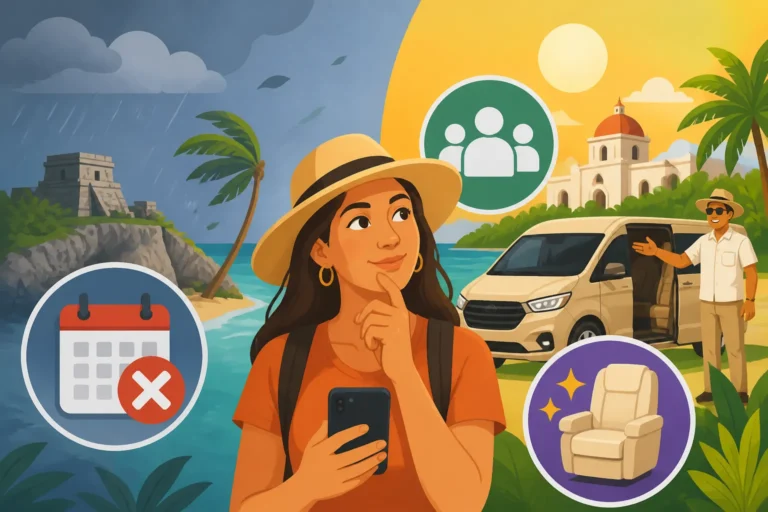
The benefit of tours is that they handle all the logistics, allowing you to relax and enjoy the sights. However, they often run on a strict schedule, which can mean less time at places you might want to linger. Group tours can also be quite large. Consider private tours if you want more flexibility and a personalized experience, though these come at a higher cost. Many hotels also have tour desks, or you can find reputable local operators in any major town. If you're just looking for how to get from Cancún Airport to Playa del Carmen or Tulum, direct shuttle services and private transfers are plentiful and can be booked in advance through various online platforms.
Planning Your Yucatán Adventure: Essential Tips
Embarking on a journey through the Yucatán Peninsula is an exciting prospect, but a little thoughtful planning goes a long way. This region offers so much, and knowing a few key tips can help you navigate everything from finding the perfect place to stay to savoring every bite of the incredible local cuisine, all while staying safe and respecting the vibrant culture around you.
Accommodation Options: From Resorts to Haciendas
The Yucatán Peninsula truly offers accommodation for every style and budget. In Cancún and the Riviera Maya, you'll find everything from luxurious all-inclusive resorts (perfect for a worry-free beach holiday) to boutique hotels, vacation rentals, and budget-friendly hostels. Platforms like Booking.com are invaluable here for comparing prices and amenities, allowing you to find everything from high-rise hotel zones to cozy beachfront bungalows.
As you move inland to places like Mérida or Valladolid, the options shift. Here, you can find charming colonial hotels, beautifully restored haciendas (old estates, many converted into luxury hotels), guesthouses, and Airbnb rentals. Staying in a hacienda offers a unique, historical experience, often with lush gardens and serene pools, a stark contrast to the bustling coast. Consider what kind of experience you want – constant activity or tranquil retreat – when choosing your base. If you're planning on exploring the Riviera Maya: Cancún, Playa del Carmen, and Tulum, you'll find a concentration of excellent accommodation choices there.
Savoring Yucatecan Cuisine
Oh, the food! Yucatecan cuisine is a gastronomic delight, distinct from other Mexican regions due to its strong Maya and Caribbean influences. You'll find unique ingredients like achiote, sour oranges, and habanero peppers in many dishes. Don't leave without trying cochinita pibil (slow-roasted pork marinated in achiote and sour orange), sopa de lima (a refreshing lime soup), panuchos and salbutes (fried tortillas with various toppings), and poc chuc (grilled pork marinated in sour orange).
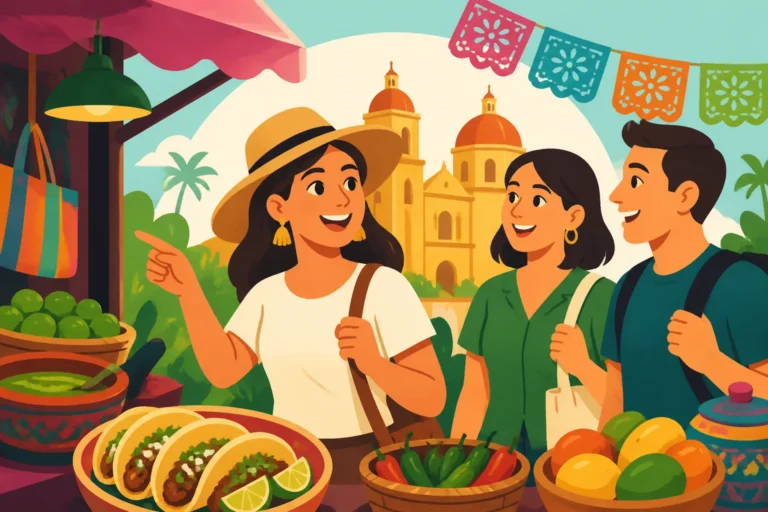
Eating locally is not just delicious, it's also incredibly affordable. Seek out comedores (small, casual eateries), mercados (markets), and street food stalls for the most authentic flavors. Don't be shy about trying new things, but do use common sense: look for places with a steady stream of locals, and if something doesn't look or smell right, trust your gut. Remember to stay hydrated, especially if you're exploring ruins, and be mindful of the spice levels! For a deeper dive into the region's culinary offerings, check out our guide on Mexican Food Culture: Eating and Drinking as a Visitor.
Safety and Respecting Local Culture
The Yucatán Peninsula is generally considered one of the safest regions in Mexico for tourists and expats, but like anywhere, it's wise to practice common-sense safety. Be aware of your surroundings, especially at night. Avoid walking alone in poorly lit areas. Keep valuables out of sight, and consider leaving expensive jewelry or flashy items at home. Use ATMs inside banks or well-lit, busy areas. If you decide to go out, travel in groups and use reputable taxi services or ride-sharing apps like Uber (where available). It's also a good idea to inform someone of your plans if you're venturing off to remote areas. Our guide on Staying Safe in Mexico: Practical Tips for Travelers offers more in-depth advice.
Beyond personal safety, respecting the local culture is paramount. The Maya culture is incredibly rich and deeply ingrained, especially in the state of Yucatán. Always ask before taking photos of people, particularly in indigenous communities or during ceremonies. Dress respectfully when visiting churches or smaller towns (shoulders and knees covered). Learn a few basic Spanish phrases like Hola, Gracias, and Por favor; a little effort goes a long way. Be patient with service, as the pace of life can be slower than what you're accustomed to. Embrace the local customs, immerse yourself in the traditions, and you'll find the people of the Yucatán warm, welcoming, and eager to share their beautiful home with you.
Comparative Look at Key Yucatán Attractions
To help you visualize and compare some of the incredible options available, here's a quick overview of popular destinations:
| Feature | Cancún / Riviera Maya | Mérida (Yucatán State) | Campeche City (Campeche State) |
|---|---|---|---|
| Vibe | Bustling, resort-focused, international, party | Colonial, cultural, relaxed, authentic Maya | Historic, walled city, tranquil, less touristy |
| Main Draw | Beaches, nightlife, theme parks, water sports | Culture, food, safety, colonial architecture, haciendas | History, unique architecture, quiet charm |
| Proximity to Beaches | On the beach (Caribbean) | ~45 min to Progreso (Gulf) | On the Gulf Coast (less swim-friendly) |
| Major Ruins Nearby | Chichen Itza, Tulum, Cobá | Uxmal, Mayapan | Edzná, Calakmul (further afield) |
| Cenotes Access | Excellent (many along highway) | Good (many around Mérida & Valladolid) | Limited (some near ruins) |
| Best For | Families, party-goers, beach lovers, first-timers | Culture seekers, foodies, retirees, slower pace | History buffs, those seeking authenticity, quiet relaxation |
| Typical Cost | High (resorts, tours) | Moderate | Moderate |
| English Spoken | Widely | Some (more in tourist areas) | Less |
Remember, this is just a snapshot, and each place offers its own unique layers. Mixing and matching destinations can give you the most well-rounded Yucatán experience! Don't forget to check out our guides on How to plan a Yucatán road trip and When is the best time for a beach holiday in Mexico? to help you finalize your itinerary. And if you're wondering how to take a cenote day trip in the Yucatán, there are countless operators ready to guide you. For specific ruin visits, like How to visit Chichén Itzá from the Riviera Maya, local tour companies, and even public transport, can get you there.
Disclaimer
Please remember that travel information can change rapidly. Always double-check current entry requirements, local regulations, and safety advisories before and during your trip. While we strive to provide the most accurate and up-to-date information, it's always wise to consult official sources.