Mexico City and Mexico’s Great Cities: Explorer’s Guide
Choosing which of Mexico’s magnificent cities to explore can feel like standing before a vast, glittering buffet – where do you even begin? Many expats and travelers arrive feeling overwhelmed by the sheer scale and diversity, wondering which urban center truly fits their vibe. This comprehensive guide is designed to cut through the noise, offering an insider’s look at Mexico's greatest cities, helping you navigate their unique charms, practicalities, and unforgettable experiences.
Disclosure: This post may contain affiliate links. We may earn a commission at no extra cost to you if you make a purchase through these links. Read full disclosure.
Mexico City: The Grand Dame of North America
Ah, Mexico City, or "CDMX" as the cool kids call it. There's truly no other place like it on Earth. It's a sprawling, pulsating metropolis that seamlessly blends ancient history with cutting-edge modernity. As an expat who's spent my fair share of time getting lost (and found!) in its labyrinthine streets, I can tell you it’s an adventure. From the moment you arrive, you’re hit with an energy that’s both invigorating and, at times, a little intimidating. But dive in, mi amigo, because beneath that initial overwhelming facade lies a city rich in culture, history, and flavor that will absolutely steal your heart.
Navigating the Urban Jungle: Transport and Logistics
Getting around a city of over 20 million people can seem daunting, but CDMX has a remarkably efficient, if sometimes crowded, public transportation system. You've got options, and knowing them is key to truly enjoying your time here without constantly battling traffic or overpaying for rides.
The Metro is your best friend for long distances, especially during non-peak hours. It’s one of the cheapest subway systems in the world and covers a huge amount of ground. You’ll want to buy a reloadable transit card (tarjeta de movilidad) which works for the Metro, Metrobús, and other systems. Just be mindful of your belongings, especially on crowded lines, and try to use the women-only cars during rush hour if you're a female traveler; it can offer a bit more space and comfort. For a deeper dive into the ins and outs, check out our guide on Getting Around Mexico City: Metro, Metrobús, and Apps.
The Metrobús is another fantastic option, especially for exploring areas like Reforma or Condesa without going underground. These are bus rapid transit lines that run on dedicated lanes, cutting through traffic. Then there are the regular buses, microbuses (the little green or white vans that weave through local neighborhoods), and of course, taxis and ride-sharing apps. Uber, Didi, and Cabify are widely used and generally very safe and affordable here. Just confirm the license plate before getting in, as you would in any major city. Walking is also incredibly rewarding in many neighborhoods like Roma Norte, Condesa, or Coyoacán, allowing you to discover hidden cafes, street art, and charming boutiques.
Iconic Landmarks and Must-See Sights
Mexico City is a living museum, and its landmarks tell tales spanning millennia. You could spend months here and still not see everything, but some spots are simply non-negotiable for a first-timer.
The Historic Center (Centro Histórico) is where it all began, built directly atop the ancient Aztec capital of Tenochtitlán. The Zócalo, one of the largest city squares in the world, is truly the heart of Mexico. Here, you'll find the colossal Catedral Metropolitana, a stunning blend of architectural styles built over centuries, and the Palacio Nacional, which houses Diego Rivera’s epic murals depicting Mexican history (bring your passport for entry!). Just steps away, you can explore the Templo Mayor, the unearthed remains of the main Aztec temple, a powerful testament to the city's pre-Hispanic past. It's a surreal experience to see such ancient ruins juxtaposed with colonial cathedrals and bustling modern life.
Then there’s Chapultepec Park, an urban oasis larger than NYC's Central Park. It’s home to the majestic Castillo de Chapultepec, the only royal castle in North America, offering incredible panoramic views of the city. More importantly, it hosts the Museo Nacional de Antropología, an absolute masterpiece of a museum that I recommend dedicating an entire day to. Its exhibits on Mexico's pre-Columbian cultures are unparalleled. You can book fantastic guided tours through platforms like Viator that really bring the history to life, especially in these major cultural institutions. Another gem is Coyoacán, a charming colonial neighborhood that feels like a village within the city. It’s most famous for the Casa Azul, Frida Kahlo's former home and now a museum dedicated to her life and work. The lines can be long, so booking tickets online in advance is essential.
Culinary Adventures: Eating Your Way Through CDMX
Prepare your taste buds, because Mexico City’s food scene is legendary. It’s not just about what you eat, but how you eat it – from bustling street corners to elegant dining rooms. This city is truly a culinary capital, and you'll find yourself constantly surprised and delighted.
Street food is an absolute religion here, and for good reason. Forget any preconceived notions; it's fresh, flavorful, and incredibly diverse. You simply must try tacos al pastor from a reputable stand – watch for the trompo (vertical spit) and the pineapple slice expertly carved onto your taco. Don’t miss esquites (corn in a cup with mayo, cheese, chili, and lime) or the array of tamales, quesadillas, and sopes. My advice? Follow the crowds and look for stands that are busy; that’s usually a good sign of quality and freshness. Be adventurous but smart; if something doesn’t look right, skip it. The sheer variety of flavors you’ll encounter on the streets is mind-boggling, and it’s an experience that truly connects you to the local culture. For a deep dive into the street food scene, check out our guide on Street Food in Mexico: Tacos, Tamales, and More.
Beyond the street, Mexico City boasts an incredible array of restaurants, from traditional fondas serving up hearty Mexican comfort food to Michelin-starred establishments pushing the boundaries of contemporary cuisine. Explore neighborhoods like Roma Norte and Condesa for trendy eateries, or delve into the Centro Histórico for classic Mexican fare. You'll find regional specialties from all over Mexico, which is a fantastic way to experience the country's diverse culinary landscape without leaving the capital. Seriously, Mexico City's food scene is so dynamic, you could spend a lifetime exploring it. It's truly a place where you can experience Mexican Regional Cuisine: How Food Changes Across Mexico all in one place.
Guadalajara: The Land of Mariachi and Tequila
If Mexico City is the country's bustling brain, Guadalajara is its soulful heart. The capital of Jalisco state, Guadalajara offers a more relaxed, yet equally vibrant, urban experience. Known as the birthplace of mariachi music and the home of tequila, it's a city steeped in traditions that are synonymous with Mexico itself. My first visit to Guadalajara felt like stepping into a romantic movie, with its grand plazas, colonial architecture, and the ever-present strains of mariachi music drifting through the air.
Historic Charm and Modern Vibrancy
Guadalajara's Centro Histórico is a treasure trove of colonial architecture, with wide pedestrian streets that invite leisurely strolls. The iconic twin-spired Catedral Metropolitana dominates the central plaza, surrounded by other impressive buildings like the Palacio de Gobierno, which features stunning murals by José Clemente Orozco. The Rotonda de los Jaliscienses Ilustres, a circular monument honoring Jalisco's notable figures, is also a must-see. The city feels less frenetic than CDMX, making it easier to simply soak in the atmosphere.
Beyond the historic core, Guadalajara pulses with modern energy. The neighborhoods of Chapultepec (sometimes called Zona Rosa) and Providencia are popular among younger locals and expats alike, offering a fantastic array of trendy restaurants, cafes, bars, and art galleries. You'll find a lively nightlife here, with live music venues and stylish spots to enjoy a craft beer or a sophisticated cocktail. For a more traditional experience, venture out to the magical pueblos of Tlaquepaque and Tonalá. These towns are renowned for their incredible artisan crafts, from pottery and ceramics to glassblowing and furniture. You can watch artisans at work, browse countless shops, and enjoy delicious regional cuisine in charming settings. Tlaquepaque, in particular, has a beautiful pedestrian street, Independencia, perfect for an afternoon stroll.
Exploring the Tequila Route
You simply cannot visit Guadalajara without experiencing the spirit of tequila! This region is the heartland of the iconic agave-based liquor, and a day trip to the town of Tequila is an essential pilgrimage. The agave fields stretching as far as the eye can see are a UNESCO World Heritage site, a beautiful landscape of blue-green plants.
There are numerous options for visiting distilleries, from large, well-known brands like Jose Cuervo or Sauza to smaller, artisanal producers. Many tours, easily booked through services like Viator, will take you on a journey through the tequila-making process, from harvesting the agave piña to fermentation, distillation, and aging. You’ll learn about the different types of tequila – blanco, reposado, añejo, extra añejo – and, of course, enjoy a tasting. It's an educational and delicious experience that offers a deep appreciation for Mexico’s national drink. Be sure to check out our detailed guide on Tequila 101: How to Taste and Where to Visit to make the most of your visit.
Gastronomy of Jalisco
Jalisco's cuisine is hearty, flavorful, and deeply comforting. It's a regional gastronomy that perfectly complements the city's warm hospitality. When in Guadalajara, you absolutely must try birria. This savory stew, traditionally made with goat or lamb (though often beef now), slow-cooked in a rich chili broth, is a local obsession, often served with tortillas and a squeeze of lime. There's nothing quite like a steaming bowl of birria on a cool morning.
Another iconic dish is the torta ahogada, or "drowned sandwich." It's a crusty birote bread roll (unique to Guadalajara) filled with shredded pork, generously doused in a spicy tomato and chili sauce. It’s messy, it’s spicy, and it’s utterly delicious. Don’t be afraid to ask for it "semi-ahogada" if you prefer less sauce, or "poca picosa" if you’re not a fan of intense heat. For a quick and satisfying meal, try carne en su jugo, a deceptively simple yet incredibly flavorful dish of finely chopped beef cooked in its own juices with bacon, beans, and often topped with cilantro and onion. Exploring the vibrant Mercado de San Juan de Dios, one of Latin America’s largest indoor markets, is also a must for foodies, offering everything from fresh produce to prepared dishes and local sweets.
Monterrey: The Industrial Giant with Mountain Views
Monterrey, the capital of Nuevo León, stands apart from Mexico's other major cities. It's often called the "Sultana del Norte" (Sultaness of the North) and carries a distinct identity – a powerhouse of industry and business, surrounded by dramatic mountain landscapes. While perhaps not as overtly "colonial" or "beachy" as other destinations, Monterrey offers a unique blend of modernity, natural beauty, and a strong sense of regional pride that makes it fascinating for the right kind of explorer.
Modernity Amidst Nature
Monterrey is truly a city where urban development meets striking natural beauty. The majestic Sierra Madre Oriental mountains provide a stunning backdrop to the city's skyline. One of the best examples of this blend is Parque Fundidora. This massive urban park was once a steel foundry and has been brilliantly repurposed into a sprawling green space with walking trails, lakes, museums, a convention center, and even an amusement park. It’s a fantastic place for a leisurely stroll, a bike ride, or simply to enjoy the fresh air and impressive mountain views. The Paseo Santa Lucía is a man-made riverwalk that connects Parque Fundidora to the Macroplaza in the city center, offering boat tours and a picturesque pathway lined with cafes and public art.
For those who love the outdoors, the mountains surrounding Monterrey offer incredible opportunities for hiking, climbing, and exploring. Parque Ecológico Chipinque is a popular spot, providing trails for all skill levels and breathtaking views of the city below. Grutas de García, a series of impressive limestone caves, is another popular excursion just outside the city. It’s this unique combination of urban sophistication and easy access to stunning natural landscapes that sets Monterrey apart.
Business Hub and Cultural Gems
As a significant industrial and business hub, Monterrey has a modern, cosmopolitan feel. Its downtown is characterized by sleek skyscrapers and bustling commercial areas. The Macroplaza, one of the largest plazas in the world, is the heart of the city center, flanked by government buildings, historical landmarks, and the Faro del Comercio, a distinctive red lighthouse-like structure that emits a green laser beam at night.
Despite its industrial focus, Monterrey also boasts a burgeoning cultural scene. The Museo de Arte Contemporáneo de Monterrey (MARCO) is one of Latin America's leading contemporary art museums, housing an impressive collection of international and Mexican works. The city also has several other museums, theaters, and a growing number of culinary experiences. When it comes to food, Monterrey is famous for its cabrito, slow-roasted young goat, a regional specialty that is both delicious and an experience in itself. You'll find it in dedicated cabrito restaurants throughout the city. Another local staple is machacado con huevo, shredded dried beef scrambled with eggs, often enjoyed for breakfast. Monterrey might not be the first city that comes to mind for cultural tourism, but its unique character and strong identity offer a compelling and different perspective on urban Mexico.
Mérida: The White City of the Yucatán Peninsula
Step into Mérida, and you step back in time. The capital of Yucatán state, Mérida is known as "La Ciudad Blanca" (The White City) due to its pristine colonial architecture and the traditional use of white limestone. It offers a tranquil yet vibrant counterpoint to the more bustling beach destinations of the Yucatán Peninsula. For me, Mérida feels like a warm embrace – a city that moves at a gentler pace, inviting you to savor its history, culture, and incredible food.
Colonial Elegance and Mayan Roots
Mérida's Plaza Grande is the heart of its historic center, surrounded by grand colonial buildings painted in cheerful pastels. The Catedral de San Ildefonso, built partly with stones from Mayan temples, stands majestically on one side, while the Palacio de Gobierno and Casa de Montejo (the original conqueror's home) complete the impressive square. Horse-drawn carriages offer romantic rides through the illuminated streets at night, adding to the city's old-world charm.
One of the most elegant avenues in Mexico, Paseo de Montejo, is Mérida’s answer to the Champs-Élysées. Lined with opulent mansions from the henequen (sisal fiber) boom era, many of which are now museums, hotels, or restaurants, it’s perfect for a leisurely stroll. The city's deep Mayan roots are ever-present. You'll hear Mayan spoken alongside Spanish, and the indigenous heritage is reflected in the local cuisine, crafts, and the faces of its people. Furthermore, Mérida serves as an excellent base for exploring some of Mexico’s most awe-inspiring Mayan ruins. Sites like Uxmal, with its magnificent Pyramid of the Magician, and even the world-famous Chichén Itzá, are easily accessible by day trip. To plan your visits, take a look at our guide on Maya Ruins in Mexico: Chichén Itzá, Tulum, and Palenque.
Yucatecan Cuisine and Cultural Experiences
Mérida’s food scene is a distinct and delicious journey into Yucatecan cuisine, which differs significantly from other Mexican regional dishes. It’s a tantalizing blend of Mayan, Spanish, and even Lebanese influences, characterized by unique spices and slow-cooking techniques.
The undisputed king of Yucatecan cuisine is cochinita pibil: pork marinated in achiote and sour orange, then slow-roasted in a banana leaf-wrapped pit until incredibly tender. It’s often served in tacos or tortas with pickled red onions and habanero salsa. Another classic is sopa de lima, a refreshing and tangy chicken-lime soup. And you can't leave without trying panuchos and salbutes, open-faced or stuffed tortillas topped with various savory ingredients. You'll find fantastic local food in markets like Mercado Lucas de Gálvez or in more formal restaurants throughout the city. For those looking for local flavors, Viator offers some excellent culinary tours here.
Culturally, Mérida is a vibrant hub. Almost every night of the week, there are free cultural events in the city center – from traditional jarana dance performances and live music in the plazas to light and sound shows. Sunday mornings are particularly lively when the main streets are closed to traffic for cyclists and pedestrians, and vendors and performers fill the streets, creating a festive atmosphere.
Day Trips to Cenotes and Beaches
One of the greatest perks of living in or visiting Mérida is its proximity to natural wonders. The Yucatán Peninsula is famous for its cenotes, natural swimming holes formed by collapsed limestone bedrock, revealing crystal-clear groundwater. These magical, cool pools are perfect for swimming, snorkeling, or simply escaping the heat. There are countless cenotes within a short drive of Mérida, ranging from open-air pools to cavernous underground chambers. Some popular ones include Cenote Homún, Santa Bárbara, or X’Cajum. For a comprehensive guide, explore Cenotes in Mexico: What They Are and Where to Swim.
If you're craving the coast, the Gulf of Mexico beaches are also easily accessible. Puerto Progreso, a charming port town, is just a 30-minute drive away, offering a long malecón (waterfront promenade), fresh seafood restaurants, and a more laid-back vibe than the Caribbean side. It's the perfect spot for a relaxed day trip to enjoy the sea breeze and a plate of fresh ceviche.
Oaxaca City: Cultural Capital and Culinary Delight
Oaxaca City, the capital of Oaxaca state, is a place that truly captivates the soul. Recognized as a UNESCO World Heritage site, it’s a city rich in indigenous cultures, vibrant arts, colonial architecture, and a world-renowned culinary scene. My visits to Oaxaca have always felt like a profound immersion into Mexico's artistic and spiritual heart. The colors, the smells, the sounds – it all weaves together into an unforgettable tapestry.
Artistic Flair and Indigenous Heritage
Oaxaca’s Centro Histórico is a masterpiece of colonial architecture, with cobblestone streets, charming plazas, and buildings constructed from green volcanic stone. The focal point is the magnificent Templo de Santo Domingo de Guzmán, a former monastery now housing the Cultural Center of Oaxaca and the Museum of Cultures of Oaxaca. This complex is a breathtaking example of Baroque architecture and its museum offers a fascinating journey through the region's history, from pre-Hispanic times to the colonial era.
The city is a hotbed of artistic expression. You'll find countless galleries, workshops, and artisan markets showcasing traditional crafts passed down through generations. From vibrant textiles and intricate alebrijes (fantastical wooden carvings) to black pottery from Coyotepec and hand-woven rugs from Teotitlán del Valle, the artistry here is incredible. Exploring these markets is a feast for the senses, and it's a joy to interact with the artisans themselves. For more insights, check out our Oaxaca City Guide: Markets, Mezcal, and Art.
Just a short drive from the city, perched atop a flattened mountain, lies Monte Albán, the ancient capital of the Zapotec civilization. This monumental archaeological site offers spectacular views of the Oaxaca Valley and provides a profound glimpse into a sophisticated pre-Hispanic culture. It's a powerful reminder of Mexico's deep indigenous heritage.
The World of Mezcal and Oaxacan Gastronomy
Oaxaca is widely considered the culinary capital of Mexico, and its most famous export, beyond mole, is mezcal. This smoky agave spirit has been produced here for centuries, and exploring its world is a delightful journey. You can visit traditional palenques (mezcal distilleries) in the surrounding valleys, where you can witness the artisanal production process firsthand, from the roasting of the agave hearts in earthen pits to the distillation. Of course, tastings are part of the experience, allowing you to appreciate the vast diversity of flavors depending on the agave species and production method. If you’re a fan, or even just curious, our guide on Mezcal in Oaxaca: Tours and Tastings is a must-read.
And then there's the food. Oh, the food! Oaxaca is famous for its seven types of mole, complex sauces that can contain dozens of ingredients. You'll find everything from the rich, dark mole negro to the lighter, herbaceous mole verde. Beyond mole, don't miss tlayudas, large, crispy tortillas topped with beans, cheese, meat, and vegetables; or the adventurous chapulines (fried grasshoppers), a surprisingly delicious and crunchy snack. The Mercado 20 de Noviembre and Mercado Benito Juárez are vibrant hubs of culinary activity, offering everything from fresh produce and regional cheeses to prepared foods.
Vibrant Festivals and Traditions
Oaxaca is a city that loves to celebrate, and its cultural calendar is packed with vibrant festivals and traditions that often draw deeply from its indigenous roots. Experiencing these events is like stepping into a living, breathing piece of history.
One of the most famous is Guelaguetza, an annual indigenous festival held in July, where communities from across the state gather to share their traditional dances, music, and crafts. It's a breathtaking display of color, sound, and cultural pride. Even if you can't make it for the main event, you'll often find smaller, more intimate performances throughout the year.
Another incredibly poignant and visually stunning celebration is Día de Muertos (Day of the Dead). Oaxaca transforms into a kaleidoscope of marigolds, altars, and joyful remembrance. The cemeteries become places of vibrant celebration, and the city hums with parades and festivities. It's an experience that truly redefines how one views death and remembrance. If you plan to visit during this time, our guide on Día de Muertos in Mexico: A Visitor's Guide offers essential tips for respectfully participating in the celebrations. Throughout the year, you’ll also encounter local fiestas, religious processions, and spontaneous celebrations that make every day in Oaxaca feel special.
Essential Tips for Urban Explorers
Venturing into Mexico’s big cities is an incredibly rewarding experience, but a little preparation goes a long way to ensure your trip is smooth and enjoyable. As a seasoned expat, I've learned a few things the hard way, so let me share some wisdom to help you navigate these urban landscapes with confidence.
Getting Between Cities
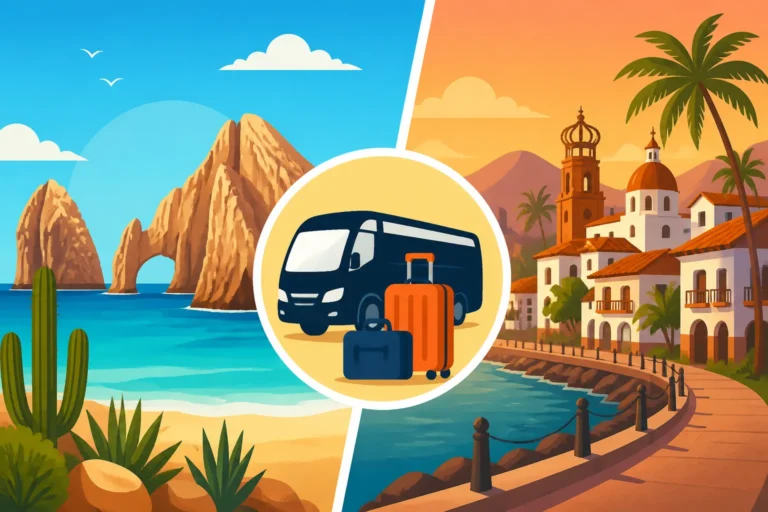
Mexico has an excellent long-distance bus system that is often more comfortable and efficient than flying for shorter distances, or even for overnight journeys. Companies like ADO offer first-class and luxury services with comfortable reclining seats, air conditioning, and even onboard entertainment. They connect all the major cities we've discussed and countless smaller towns. You can easily check schedules and book tickets online through platforms like Busbud, which aggregates routes from various carriers, making planning your intercity travel a breeze. Many of these routes offer great views of the diverse Mexican landscape, so it’s not just a journey, it’s part of the adventure! For more details on this, our Long-Distance Buses in Mexico: ADO and Premium Lines article is a great resource.
If you're covering longer distances, such as flying from Mexico City to Cancún or Tijuana, domestic flights are your best bet. Mexico has several reliable airlines like Aeromexico, Volaris, and VivaAerobus. Booking in advance usually secures better prices, and always compare direct flights with connecting options. Just be mindful of baggage allowances, as budget airlines can be strict. To ensure you get the best deals and smooth transitions, consult our guide on Domestic Flights in Mexico: Airlines and Booking Tips.
Accommodation in the Big Cities
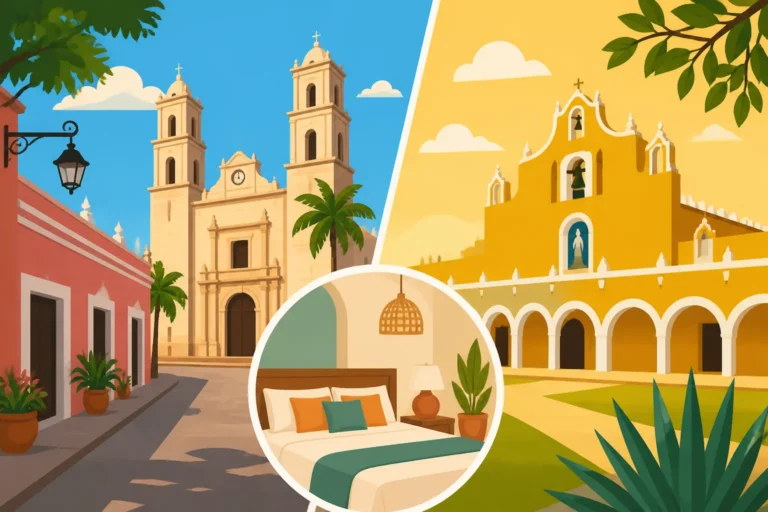
When choosing where to stay in Mexico's big cities, you'll find a wide spectrum of options to suit every budget and travel style. From luxurious boutique hotels in historic buildings to modern international chains, charming guesthouses (casas de huéspedes), and budget-friendly hostels, there's truly something for everyone.
Online platforms like Booking.com are invaluable for finding and reserving accommodation, offering a huge selection and often competitive prices. I always recommend reading recent reviews to get a sense of cleanliness, safety, and neighborhood vibe. Consider your priorities: do you want to be right in the heart of the action (and potentially deal with more noise), or prefer a quieter, more residential neighborhood that requires a bit more transit time? Neighborhoods popular with expats and tourists, such as Roma Norte or Condesa in Mexico City, Chapultepec in Guadalajara, or the Centro Histórico in Oaxaca and Mérida, generally offer a good balance of safety, amenities, and access to attractions. To help you choose, our guide on Accommodation in Mexico: Hotels, Hostels, and Rentals offers more specific advice.
Safety and Preparedness
While Mexico's big cities offer incredible experiences, it's essential to remain aware of your surroundings and take common-sense precautions, just as you would in any major urban center worldwide. Petty crime, like pickpocketing, can occur, especially in crowded tourist areas or on public transport.
Here are a few tips I always share:
- Be aware of your valuables: Don't flash expensive jewelry or electronics. Keep your phone secure and out of sight when not in use.
- Use ATMs inside banks: This offers more security and reduces the risk of card skimming. Inform your bank of your travel plans to avoid card freezes.
- Learn basic Spanish phrases: Even a few words go a long way in emergencies or navigating local interactions.
- Know emergency numbers: The general emergency number in Mexico is 911.
- Trust your gut: If a situation or area feels uncomfortable, it’s best to remove yourself.
- Stay informed: Keep an eye on local news (or expat forums) for any areas to avoid.
Remember, most visits to Mexico's cities are safe and uneventful. Being prepared simply allows you to relax and enjoy the incredible experiences these places have to offer. For more detailed advice, our Staying Safe in Mexico: Practical Tips for Travelers article provides comprehensive safety guidelines.
Major Cities Overview
To help you visualize the distinct flavors of Mexico's great cities, here's a quick comparison:
| City | Primary Vibe | Key Highlights | Must-Try Food | Best For |
|---|---|---|---|---|
| Mexico City | Cosmopolitan, Historic, Dynamic | Zócalo, Chapultepec, Museums, Coyoacán, Teotihuacán | Tacos al Pastor, Esquites, Mole | Culture Enthusiasts, Foodies, Nightlife |
| Guadalajara | Traditional, Mariachi, Tequila | Centro Histórico, Tlaquepaque, Tequila Route, Chapultepec nightlife | Birria, Torta Ahogada | Culture, Tequila Lovers, Traditional Mexico |
| Monterrey | Modern, Industrial, Mountainous | Parque Fundidora, Macroplaza, Chipinque, MARCO Museum | Cabrito, Machacado | Business Travelers, Outdoor Activities, Modernity |
| Mérida | Colonial, Mayan, Tranquil | Plaza Grande, Paseo de Montejo, Cenotes, Uxmal | Cochinita Pibil, Sopa de Lima | History Buffs, Relaxed Pace, Mayan Culture |
| Oaxaca City | Artistic, Indigenous, Culinary | Santo Domingo, Monte Albán, Mezcal, Artisan Markets, Festivals | Seven Moles, Tlayudas, Mezcal | Art & Crafts, Foodies, Cultural Immersion |
Disclaimer
The information provided in this guide is for general informational purposes only and does not constitute professional advice. While we strive to keep the information up-to-date and accurate, regulations, prices, and situations in Mexico can change rapidly. Always consult official sources, local authorities, and relevant experts for the most current and specific guidance. Travel involves inherent risks, and personal safety measures should always be taken.