Día de Muertos in Mexico: A Visitor’s Guide
Every year, countless visitors arrive in Mexico expecting to see a simple, festive parade, perhaps a spooky costume party, or something akin to Halloween, only to discover that Día de Muertos is so much more profound, spiritual, and deeply rooted in culture. It's a time of heartfelt remembrance and celebration, not fear. This guide will help you understand the true essence of Día de Muertos and navigate the celebrations respectfully, whether you're observing or participating in this incredible Mexican tradition.
Disclosure: This post may contain affiliate links. We may earn a commission at no extra cost to you if you make a purchase through these links. Read full disclosure.
Understanding Día de Muertos Beyond the Pop Culture Portrayal
For many of us who grew up outside of Latin America, the Day of the Dead might seem like a vibrant, colorful spectacle seen in movies or on social media. While it is undeniably vibrant and colorful, reducing it to mere spectacle misses the profound spiritual and cultural significance that underpins every marigold petal, sugar skull, and flickering candle. It’s a genuine experience of connecting with ancestry and the cycle of life and death, lived out with deep reverence and joy in homes and public spaces across Mexico.
More Than Just a "Mexican Halloween"
Let’s get this out of the way upfront: Día de Muertos is absolutely not "Mexican Halloween." This is probably the biggest misconception newcomers bring, and it’s crucial to understand why it's so different. Halloween often focuses on ghosts, ghouls, and fright, with themes of scary monsters and the macabre. Día de Muertos, by contrast, is a celebration of life, a heartfelt reunion with loved ones who have passed on. It’s about honoring their memory, inviting their spirits back to the earthly realm for a brief visit, and celebrating the continuum of life and death. You won't see children trick-or-treating in scary costumes (though some cities have adopted elements of Halloween due to cultural exchange, it's not the core tradition), nor is there an emphasis on fear. Instead, families lovingly prepare for the return of their ancestors, creating altars, cooking favorite dishes, and sharing stories.
The Deep Roots: Indigenous Traditions and Catholicism
To truly grasp Día de Muertos, you have to look at its rich historical tapestry, woven from both ancient indigenous beliefs and the influence of Catholicism. Long before the Spanish arrived, various Mesoamerican cultures, like the Aztecs, Mayans, and Purépecha, held rituals honoring the dead. These traditions often involved revering ancestors and saw death not as an end, but as a transition or a continuation of life. Offerings, rituals, and ceremonies were common to guide souls through their journey. When the Spanish conquistadors introduced Catholicism, these existing indigenous beliefs didn't simply vanish. Instead, they blended with Catholic observances like All Saints' Day (November 1st) and All Souls' Day (November 2nd). This syncretism resulted in the unique celebration we know today – a beautiful fusion where ancient reverence for ancestors meets Christian commemoration of saints and the departed. This blending allowed the traditions to survive and evolve, becoming a cornerstone of Mexican cultural identity.
Core Beliefs: Welcoming Spirits Home
At the heart of Día de Muertos is the powerful belief that for one special night each year, the veil between the living and the dead thins, allowing the spirits of our ancestors to return home to visit their families. It’s not a mournful event, but rather a joyous one, filled with anticipation and warmth. Families believe that the spirits embark on a long journey, and the preparations made by the living are crucial to guiding them home and ensuring their comfort. This belief dictates many of the traditions: the vibrant marigold petals (cempasúchil) are laid out to create a fragrant, visible path, the candles illuminate the way, and the offerings on the ofrendas provide sustenance and refreshment after their long travels. The underlying message is one of enduring love, respect, and the continuation of family bonds beyond physical death.
When and Where to Experience Día de Muertos
Deciding when and where to immerse yourself in Día de Muertos celebrations can make all the difference in your experience. While it's observed throughout Mexico, some places have particularly iconic and deeply moving traditions. Knowing the dates and the regional nuances will help you plan an unforgettable trip.
The Key Dates: October 31st to November 2nd
While many celebrations might begin a bit earlier with altar preparations, the core of Día de Muertos takes place over three specific days:
- October 31st (Noche de Brujas/All Hallows' Eve): This evening is traditionally dedicated to remembering children who have passed away, often referred to as angelitos (little angels). Families may set up the initial layers of their ofrendas and light candles to welcome the spirits of the children.
- November 1st (Día de Todos los Santos/All Saints' Day): This is the day when the spirits of the angelitos are believed to visit. Families spend time together, perhaps visiting cemeteries to clean and decorate graves, or sharing special foods. Many communities hold processions and events.
- November 2nd (Día de los Muertos/All Souls' Day): This is the main day for honoring adults who have passed. It's often the most vibrant day, with families gathering at cemeteries, bringing food, music, and stories to share with their ancestors. Public plazas often host large ofrendas, parades, and cultural performances.
Keep in mind that some towns might extend their festivities, or have preparatory events days in advance. If you plan to travel by bus during this peak time, especially between major cities or to popular celebration spots, booking your tickets well in advance through services like Busbud is highly recommended. You can read more about options for getting around Mexico for travel planning.
Best Cities and Towns for Celebrations
While you’ll find authentic celebrations almost anywhere in Mexico, some destinations are renowned for their particularly vibrant or traditional observances:
- Oaxaca City: Without a doubt, Oaxaca is one of the most famous places to experience Día de Muertos. The city comes alive with elaborate tapetes de arena (sand tapestries), competitive ofrendas, lively comparsas (street parades with music and costumes), and profound cemetery vigils. The markets are overflowing with seasonal goods, and the air is thick with the scent of cempasúchil and copal incense. Exploring the city during this time offers an incredibly rich cultural immersion. If you’re considering an extended stay, check out our guide on the Cost of Living in Oaxaca City.
- Pátzcuaro, Michoacán: This town, and the surrounding Lake Pátzcuaro region (especially Janitzio Island), is famous for its deeply spiritual and indigenous Purepécha traditions. The overnight vigils in the cemeteries, where families light thousands of candles and offer food and drink, are incredibly moving. The sight of fishermen in canoes with torches on the lake, believed to guide the spirits, is iconic.
- Mexico City: As the capital, Mexico City offers a grand scale of celebration. The Zócalo often features a massive ofrenda display, and the city hosts a spectacular Grand Día de Muertos Parade, inspired partly by the James Bond movie "Spectre." While not traditional in origin, it's a magnificent display of art, music, and culture. Neighborhoods like Mixquic (a Pueblo Mágico on the outskirts) offer a more traditional, intimate cemetery experience. For navigating the city, our guide on Getting Around Mexico City: Metro, Metrobús, and Apps will be invaluable.
- San Miguel de Allende, Guanajuato: Known for its artistic community, San Miguel de Allende celebrates Día de Muertos with its unique "La Calaca" festival, featuring art installations, workshops, and parades. The city’s beautiful colonial architecture provides a stunning backdrop for the vibrant decorations.
Regional Variations: How Celebrations Differ Across Mexico
It's important to remember that Mexico is a vast country, and Día de Muertos traditions can vary significantly from one region to another, even from town to town.
- Central Mexico (e.g., Mexico City, Puebla): Here, you'll often see elaborate public ofrendas, large parades, and community events. While personal family altars are still key, there's a strong emphasis on public displays and vibrant, often large-scale, celebrations that draw many visitors.
- Southern Mexico (e.g., Oaxaca, Michoacán): These regions tend to have more deeply traditional and indigenous-influenced celebrations. Cemetery vigils are central, often lasting through the night, with families bringing food, music, and stories directly to the gravesites. The rituals feel more ancient and spiritual, often involving traditional prayers and offerings unique to their local customs. The local markets are also a focal point, selling specialized crafts and foods for the occasion.
- Yucatán Peninsula (e.g., Mérida): In the Yucatán, Día de Muertos is known as Hanal Pixán (Food for the Souls) in the Mayan language. The celebration focuses heavily on food offerings, particularly specific regional dishes like mucbipollo (a large tamal baked in a pib, or earth oven). Family ofrendas are central, and you might see fewer large parades but more intimate family gatherings and special meals. Our guide to Living in Mérida: The Expat Guide to Yucatán’s Colonial Gem can give you more insight into this region.
- Northern Mexico: Celebrations in the North, particularly near the U.S. border, can sometimes be more influenced by Halloween, with a blend of traditions. However, core elements like ofrendas and remembering loved ones remain.
Understanding these regional differences can help you choose the experience that resonates most with what you hope to gain from visiting Mexico during this special time.
Essential Elements of Día de Muertos Celebrations
Día de Muertos is a sensory feast, each element contributing to the rich tapestry of remembrance and celebration. From the intricate altars to the sweet bread, every detail serves a purpose in welcoming the spirits home and honoring their memory. These elements are not just decorations; they are symbols imbued with centuries of tradition and belief.
Ofrendas: Altars for the Departed
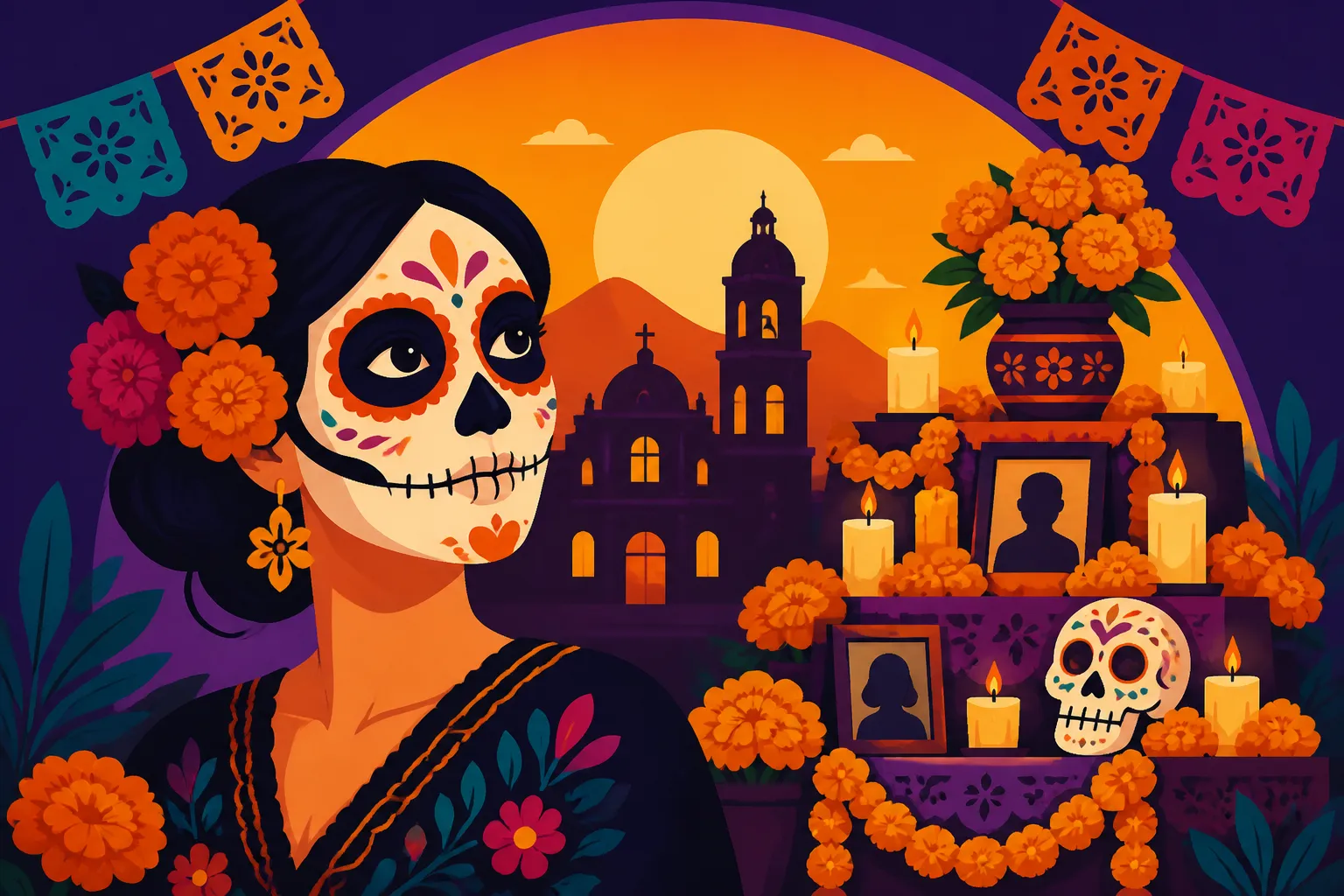
The ofrenda, or altar, is arguably the most central and sacred component of Día de Muertos. These aren't just decorative displays; they are lovingly constructed tributes, meant to guide, nourish, and welcome the returning spirits. Each element on an ofrenda has symbolic meaning:
- Levels: Ofrendas typically have two or three levels. Two levels represent heaven and earth, while three levels add purgatory or symbolize the heavens, earth, and underworld. These levels also represent the stages the soul must pass through.
- Photos: Prominently placed are photographs of the deceased individuals being honored. This personalizes the ofrenda and directly invites their spirits.
- Food and Drink: This is where the spirits truly feel welcomed. Families place the favorite foods and drinks of their departed loved ones. This could be anything from a specific brand of soda, a beloved regional dish like mole, or sweet bread. For adults, often a shot of tequila or mezcal is included, while water is always present for weary travelers. You can learn more about Mexican Food Culture: Eating and Drinking as a Visitor.
- Cempasúchil (Marigold Flowers): These bright orange and yellow flowers are iconic. Their strong fragrance and vibrant color are believed to attract and guide the spirits back to the ofrenda. Petals are often strewn from the altar to the home's entrance, creating a "path" for the souls.
- Candles: Candles represent light, faith, and hope. They illuminate the path for the spirits and symbolize their presence. The number of candles can sometimes correspond to the number of souls being remembered.
- Copal Incense: This ancient resin, burned since pre-Hispanic times, is believed to purify the air, cleanse the space, and act as a sacred offering to the gods, guiding the spirits home.
- Pan de Muerto: "Bread of the Dead" is a sweet, often orange-flavored bread, typically decorated with bone-like shapes on top. It's a staple offering, symbolizing the generosity of the host and a treat for the visiting spirits.
- Salt and Water: Salt purifies and preserves, while water quenches thirst after the long journey and signifies life.
- Personal Items: Toys for angelitos, tools, books, or cherished belongings of the adults are placed to remind the spirits of their earthly lives and comforts.
Calaveras and Catrinas: Iconic Imagery
The imagery of skulls and skeletons, far from being morbid, is central to the playful and philosophical approach to death in Mexican culture.
- Calaveras (Skulls): Sugar skulls (calaveras de azúcar) are a delightful and delicious part of the tradition. Made from sugar and often vibrantly decorated with icing, glitter, and foil, they represent the sweetness of life and the acceptance of death. They are often personalized with names of the deceased (or even living friends, as a playful gesture) and placed on ofrendas.
- La Catrina: Perhaps the most recognizable symbol, La Catrina is an elegant, well-dressed female skeleton, often adorned with a fancy hat. Originally a satirical etching by José Guadalupe Posada in the early 20th century, she was a commentary on Mexican natives who aspired to European aristocracy. Diego Rivera later popularized her in his murals. Today, La Catrina embodies the idea that death equalizes everyone, regardless of wealth or status. She’s a reminder to embrace who you are and to not take life too seriously, even in the face of death. Many people paint their faces and dress up as Catrinas (or Catrines for men) during the festivities, especially during parades and comparsas.
Cemeteries (Panteones): Sacred Spaces for Reunion
Cemeteries play a crucial role in Día de Muertos, serving as primary gathering places for families to commune with their departed loved ones. It’s here that the traditions become most intimate and moving.
- Cleaning and Decorating Graves: Days before, or on the days of the celebration, families visit the panteones (cemeteries) to meticulously clean the graves of their relatives. They pull weeds, wash headstones, and repaint where necessary.
- Candlelight Vigils: As night falls on November 1st and 2nd, cemeteries transform. Thousands of candles are lit, casting a warm, ethereal glow over the graves. This creates an incredibly powerful and spiritual atmosphere, guiding the spirits to their resting places and for families to spend the night in vigil.
- Food, Music, and Stories: Families often bring picnics, setting up chairs and blankets next to the graves. They share the favorite foods and drinks of the deceased, playing their favorite music, telling stories, and reminiscing. It’s a true celebration of life and memory, often filled with laughter as much as poignant reflection. Mariachi bands might stroll through, playing requested songs.
- A Collective Experience: While deeply personal for each family, the collective experience of hundreds or thousands of families gathered in the flickering candlelight, sharing food and stories, creates a profound sense of community and connection. These vigils are a testament to the enduring bond between the living and the dead.
Food and Drink: Feast for the Living and the Dead
Food is not just an offering; it’s a vital part of the celebration, symbolizing the bounty of life and the warmth of shared meals. Both for the returning spirits and the gathered family, the culinary aspect is deeply significant.
- Pan de Muerto: As mentioned, this sweet bread is ubiquitous. Its round shape represents the cycle of life and death, and the "bones" on top symbolize tears or bones. It's a treat for both the living and the dead.
- Tamales: These corn masa pockets, filled with savory or sweet fillings and steamed in corn husks or banana leaves, are a labor of love and a traditional offering.
- Mole: Particularly in regions like Oaxaca and Puebla, rich, complex mole sauces are prepared. These can be incredibly time-consuming to make, signifying the effort and love put into welcoming the spirits.
- Dulce de Calabaza (Candied Pumpkin): A sweet, comforting dessert often made with brown sugar, cinnamon, and other spices.
- Atole: A warm, thick beverage made from corn masa, often flavored with chocolate (champurrado), vanilla, or fruit. Perfect for chilly evenings.
- Hot Chocolate: A traditional drink, often prepared with water and served with pan de muerto.
- Alcoholic Beverages: For adult spirits, a shot of their favorite tequila, mezcal, or beer is often placed on the ofrenda. The living also partake in these drinks as part of the celebration and remembrance.
- Aguas Frescas: Refreshing fruit-based drinks are also common.
These foods are not just placed on the ofrenda; they are consumed by the living as part of the shared meal, cementing the bond between all who are present, seen and unseen. For those considering the diverse culinary landscape of the country, our piece on Mexican Regional Cuisine: How Food Changes Across Mexico provides excellent context.
Participating Respectfully as a Visitor
Día de Muertos is an intimate cultural and spiritual event, not a performance for tourists. While visitors are welcomed, it's paramount to approach the celebrations with respect, humility, and an understanding of their deep significance. Your presence is an honor, not a right, and should reflect that.
Observing vs. Participating: Finding Your Place
As a visitor, it’s crucial to understand the line between respectful observation and active participation.
- Observation: Most of the time, as a visitor, you will be observing. This means taking in the sights, sounds, and smells from a respectful distance. Wander through public plazas to see elaborate ofrendas, watch street comparsas, and admire the beautiful decorations. Many communities welcome visitors to their public celebrations, parades, and market festivities. When you visit a cemetery, remember it’s a sacred family space. Stay on designated paths, maintain a quiet demeanor, and avoid interrupting family gatherings.
- Participation: True participation usually requires an invitation or being part of an organized, ethical tour specifically designed for cultural immersion. For example, some tour operators offer workshops where you can learn to make ofrendas or pan de muerto, or they might arrange visits to local homes where families genuinely welcome visitors to share a meal. If you receive an invitation to a private family gathering, treat it with the utmost reverence. Offer to bring something (like flowers, candles, or food for the ofrenda), dress modestly, and follow the lead of your hosts. If you're interested in structured ways to engage, reputable tour companies often offer experiences; check platforms like Viator for cultural tours, but always research their ethical practices.
Photography Etiquette and Sensitivity
In our hyper-connected world, it's natural to want to capture beautiful moments. However, during Día de Muertos, especially in more intimate settings like cemeteries or private homes, photography requires immense sensitivity.
- Always Ask Permission: This is the golden rule. Before taking a photo of an ofrenda in someone's home, a person in costume, or especially a family at a gravesite, always make eye contact, smile, and ask "¿Puedo tomar una foto?" (May I take a photo?). A gesture of "photo?" with your camera is often understood. If they say no, or even hesitate, respect their wishes immediately and move on.
- Be Discreet: Even if permission is granted, try to be as unobtrusive as possible. Don't use flash at night in a cemetery unless explicitly allowed, as it can be disruptive and disrespectful. Avoid using large, professional camera equipment that makes you stand out or feels invasive.
- Avoid "Paparazzi" Behavior: Don't chase people for photos, particularly children. Remember, this is not a photo shoot for your social media; it's a sacred time for families.
- Reflect on Your Intent: Before snapping a picture, ask yourself why you're taking it. Is it to genuinely capture a beautiful cultural moment, or just to get a "cool" shot? Ensure your intention aligns with respect for the tradition.
Supporting Local Traditions and Communities
Your visit can contribute positively to the local communities by supporting their traditions and economy.
- Purchase from Local Artisans: Instead of buying mass-produced souvenirs, seek out local markets and artisans for your Día de Muertos crafts, sugar skulls, candles, and pan de muerto. This directly supports the families who keep these traditions alive.
- Eat at Local Restaurants and Street Stalls: Indulge in the seasonal culinary delights offered by local eateries and street food vendors. This is not only a delicious way to experience the culture but also puts money directly into the local economy. Our guide on How to Eat Tacos Like a Local in Mexico will help you navigate the street food scene.
- Be Mindful of Your Impact: Consider that large numbers of tourists can sometimes overwhelm small communities. Practice responsible tourism by minimizing your footprint, being patient, and being aware of your surroundings.
- Learn Basic Spanish Phrases: Even a few words like "Gracias" (Thank you), "Por favor" (Please), and "Permiso" (Excuse me) go a long way in showing respect and facilitating interaction. Our guide on Survival Spanish for Travelers in Mexico: Key Phrases can help you get started.
Planning Your Día de Muertos Trip
Día de Muertos is a highly sought-after cultural experience, and planning ahead is essential to ensure a smooth and enjoyable trip. From securing your lodging to understanding transportation, a little foresight can save you a lot of hassle.
Accommodation and Transportation Tips
As one of Mexico's most celebrated holidays, demand for travel and lodging skyrockets.
- Book Well in Advance: This cannot be stressed enough, especially if you plan to visit popular destinations like Oaxaca, Pátzcuaro, or Mexico City. Hotels, Airbnb rentals, and even hostels fill up months in advance, and prices can surge significantly. Use platforms like Booking.com to secure your accommodations as early as possible. Expect higher prices during this period.
- Transportation: Buses are Key: Mexico's extensive bus network is an excellent way to travel between cities. Companies like ADO offer comfortable and reliable services. However, during Día de Muertos, bus tickets, especially to popular destinations, sell out rapidly. Book your tickets on Busbud or directly with the bus lines at least a few weeks ahead of time. For more information on intercity travel, check out our guide on Long-Distance Buses in Mexico: ADO and Premium Lines.
- Consider Domestic Flights: If you're traveling long distances, domestic flights can save time. Airlines like Aeromexico, Volaris, and VivaAerobus operate throughout the country. Again, booking in advance is crucial for better prices and availability.
- Local Transportation: In cities like Mexico City, be prepared for heavier traffic and crowded public transport. Using ride-sharing apps like Uber or DiDi, or authorized taxis, can be convenient but may also experience surge pricing.
Booking Tours and Experiences
While some experiences are best discovered by simply wandering, guided tours can offer invaluable insights and access to specific events, especially for a complex cultural event like Día de Muertos.
- Look for Reputable Local Guides: Seek out tour operators who are known for their cultural sensitivity and for working directly with local communities. They can provide context, facilitate respectful interactions, and sometimes offer access to smaller, more traditional events that you might not find on your own. Platforms like Viator can be a starting point, but always read reviews with a focus on ethical tourism.
- Cemetery Tours: Some cities offer guided tours of cemeteries during the vigil nights. These can be a good way to experience the atmosphere with guidance, but remember to maintain respect and follow the guide’s instructions diligently regarding photography and behavior.
- Workshops: Many cities, particularly Oaxaca, offer workshops where you can learn to make ofrendas, sugar skulls, or traditional paper cutouts (papel picado). These hands-on experiences are a wonderful way to learn about the traditions.
- Cooking Classes: Consider a cooking class focused on Día de Muertos dishes. It's an excellent way to delve into the culinary traditions that are so central to the holiday.
Packing Essentials for the Celebrations
Beyond your usual travel items, a few specific things will enhance your Día de Muertos experience.
- Comfortable Walking Shoes: You'll be doing a lot of walking, especially during parades, exploring markets, and visiting cemeteries.
- Layers of Clothing: Depending on the region, evenings can be cool, especially during cemetery vigils. Pack light layers that you can add or remove.
- Cash (Pesos): While credit cards are accepted in many places, cash is essential for street vendors, small shops, market purchases, and tips. Having small denominations is always helpful. For tips on managing your money, our guide on Currency Exchange in Mexico: Getting the Best Rates on Pesos is useful.
- Reusable Water Bottle: Stay hydrated, especially if you're out and about for long periods. You can refill it with purified water.
- Small Backpack: For carrying essentials like water, snacks, a light jacket, and any purchases.
- Power Bank: To keep your phone charged for navigation and communication.
- Open Mind and Respectful Attitude: The most important items to pack are an open mind, a willingness to learn, and a deep respect for the cultural and spiritual significance of the celebrations you are witnessing.
By planning ahead and approaching Día de Muertos with respect and an open heart, you are sure to have a truly memorable and transformative experience that goes far beyond any movie portrayal.
Regional Día de Muertos Celebration Styles
To help you decide where to experience this incredible holiday, here's a quick comparison of how Día de Muertos manifests in some of Mexico's most popular destinations:
| Feature/Region | Oaxaca City | Pátzcuaro, Michoacán | Mexico City | Mérida, Yucatán (Hanal Pixán) |
|---|---|---|---|---|
| Main Focus | Community comparsas, elaborate ofrendas, cemetery vigils | Indigenous rituals, lake procession, cemetery vigils | Grand parade, large public ofrendas, cultural events | Family ofrendas (food-centric), intimate gatherings |
| Atmosphere | Vibrant, artistic, deeply spiritual | Ethereal, solemn, deeply traditional | Festive, cosmopolitan, large-scale | Quiet, familial, rooted in Mayan traditions |
| Cemetery Role | Central; intricate decorations, music, shared meals | Extremely significant; overnight vigils, thousands of candles | Mix of local vigils (Mixquic) and general visitation | Less public, more family-focused vigils |
| Unique Elements | Sand tapestries, comparsas (parades) | Lake procession with canoes and torches, Purepécha rituals | Massive Grand Parade, Zócalo ofrendas | Mucbipollo (special tamal), Hanal Pixán name |
| Best For | Immersive cultural experience, art lovers, traditionalists | Authentic indigenous experience, photographers | Grand spectacle, diverse offerings, urban explorers | Those seeking a quieter, food-focused, Mayan-rooted experience |
| Crowd Level | Very High | High | Very High | Moderate |
| Booking Needs | Crucial for all aspects | Crucial for all aspects | Essential for popular events, good for accommodations | Advisable for hotels, less critical for events |
Disclaimer
The information provided in this guide is for general informational purposes only and is subject to change. While we strive to offer the most current and accurate advice, travel regulations, local customs, and event schedules for Día de Muertos can vary. Always verify details with official sources, local tourism boards, or reputable tour operators before making travel plans. We recommend exercising personal judgment, practicing responsible tourism, and respecting local traditions and etiquette at all times.