Mexican Independence Day and El Grito
Oh, my friends, if you’ve spent any time at all in Mexico, you've probably encountered the well-meaning but often mistaken enthusiasm for "Cinco de Mayo" as the big Mexican holiday. Let me tell you, as a seasoned expat who has witnessed countless confused tourists, that September 16th is when Mexico truly shines with national pride and celebratory fervor! This guide is here to walk you through the real deal: Mexican Independence Day and the electrifying tradition of El Grito, ensuring you not only understand its profound significance but also experience it like a true local.
Disclosure: This post may contain affiliate links. We may earn a commission at no extra cost to you if you make a purchase through these links. Read full disclosure.
Understanding Mexican Independence Day: More Than Just a Party
Many foreigners, especially those from the United States, mistakenly believe that Cinco de Mayo is Mexico's Independence Day. While Cinco de Mayo is a legitimate and historically significant day, commemorating the Battle of Puebla, it pales in comparison to the nationwide jubilation and historical depth of September 16th. This day marks the beginning of Mexico's struggle for independence from Spanish colonial rule, a defining moment that forged the nation's identity.
The Historical Significance: A Fight for Freedom
Imagine a Mexico nearly three centuries under the thumb of Spanish colonial rule. The criollos (people of Spanish descent born in the Americas), mestizos (mixed Indigenous and Spanish ancestry), and especially the Indigenous populations and castas (other mixed-race groups) faced systemic discrimination, economic exploitation, and a rigid social hierarchy. Spain controlled every aspect of life, from trade to governance, funneling vast wealth back to Europe while neglecting the needs and aspirations of those living in New Spain. This wasn't just about taxes; it was about dignity, self-determination, and the very soul of a burgeoning nation. The discontent simmered for decades, fueled by Enlightenment ideals spreading from Europe and the successful independence movements in the United States and Haiti. The frustration was palpable, a heavy blanket of injustice covering the land, just waiting for a spark.
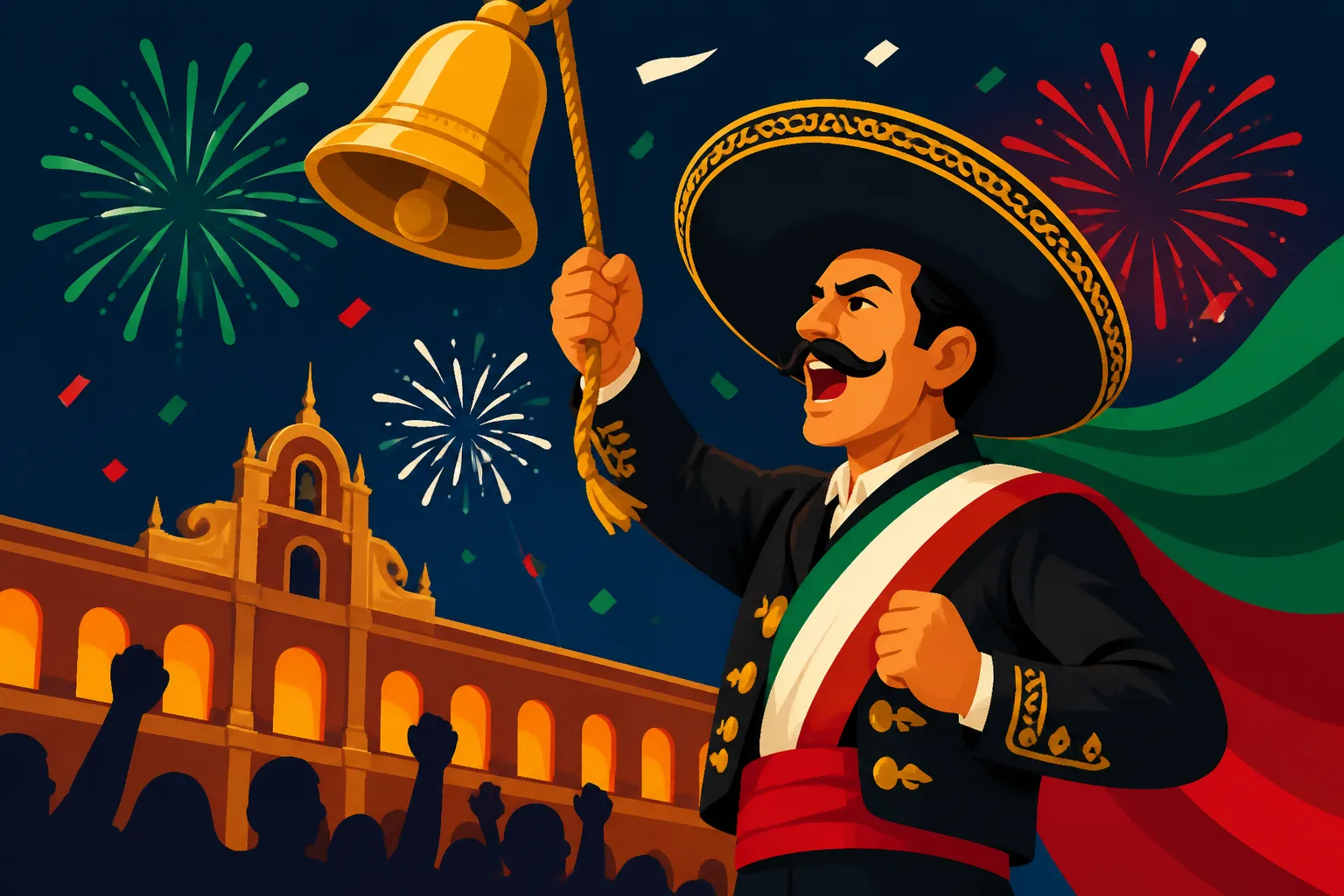
The pivotal moment, the true catalyst for armed rebellion, came with the ringing of a church bell and a fiery sermon known as "El Grito de Dolores." This wasn't some calculated political maneuver; it was a spontaneous outburst, a desperate plea for justice from a small town priest. From that moment, a ragtag army began to form, driven by a shared dream of liberation. The fight was brutal and protracted, a decade-long war of attrition against a well-equipped colonial power. It was a struggle marked by immense sacrifice, betrayal, and moments of incredible bravery from figures like José María Morelos and Vicente Guerrero, who carried the torch after Hidalgo's capture and execution. The initial uprising, fueled by the cry for independence, transformed into a full-scale war that reshaped the destiny of North America.
Why It's Not Cinco de Mayo (A Common Expat Misconception)
Alright, let's clear this up once and for all, because this is one of those expat learning curves you have to get right. Cinco de Mayo, celebrated on May 5th, commemorates Mexico's unlikely victory over the invading French army at the Battle of Puebla in 1862. It was a significant morale booster for the young republic, a moment of national pride, but it did not lead to immediate independence or fundamentally alter Mexico's sovereignty. In fact, the French eventually regrouped and occupied Mexico City, installing Emperor Maximilian. So, while it's a day to remember Mexican resilience and military prowess, especially for Mexican-Americans who often celebrate it more fervently than those within Mexico, it's not the day the nation broke free from its colonial chains.
Mexican Independence Day, however, is a different beast entirely. It marks the precise moment, or rather the spark, of Mexico's full-blown, decade-long war for self-governance from Spain. Think of it this way: Cinco de Mayo is like celebrating a crucial battle won, while September 16th is the equivalent of celebrating the Declaration of Independence and the subsequent Revolutionary War. The latter represents the birth of the nation, the former a brave defense. If you want to dive deeper into all the vibrant traditions, check out our guide on Mexican Holidays and Festivals: What Expats Should Know. Understanding this distinction isn't just about historical accuracy; it's about showing respect for the profound cultural significance this holiday holds for every Mexican.
El Grito de Dolores: The Cry Heard Across the Nation
The heart of Mexico's Independence Day celebrations isn't just a date on a calendar; it's an impassioned, collective reenactment of a cry for freedom that echoes through time. El Grito de Dolores is truly a spine-tingling experience, a moment where the past feels incredibly present, and you can almost feel the revolutionary spirit still coursing through the streets.
The Origin of the Cry: Father Hidalgo's Call
The story begins in the sleepy town of Dolores (now Dolores Hidalgo Cuna de la Independencia Nacional, in Guanajuato) on the cusp of September 16, 1810. Padre Miguel Hidalgo y Costilla, a forward-thinking priest, had been involved in secret discussions with fellow revolutionaries, planning an uprising against Spanish rule. When their conspiracy was uncovered, they knew time was running out. Hidalgo, faced with imminent arrest, had a choice: surrender or act. In a move of incredible courage and desperation, he decided to accelerate their plans. In the early hours of September 16th, he rang the bells of his parish church, gathering the local villagers, many of whom were Indigenous and mestizo laborers, farmers, and artisans who had long suffered under colonial oppression.
Standing before them, Hidalgo delivered a fervent, spontaneous sermon that history would forever remember as "El Grito." While the exact words are debated by historians, the essence was a call to arms, a denouncement of the oppressive Spanish government, and an appeal for loyalty to Ferdinand VII (at the time, Napoleon had deposed him, causing a crisis of legitimacy for Spain). He invoked the Virgin of Guadalupe, a powerful symbol of Mexican identity and faith, galvanizing the crowd with a cry for independence and justice. This wasn't just a priest speaking to his parishioners; it was a leader igniting a revolution, transforming a frustrated populace into a revolutionary force ready to fight for their freedom. The raw emotion, the sheer audacity of that moment, resonates to this day, becoming the bedrock of Mexican national identity.
The Modern Tradition: Re-enacting History
Fast forward over two centuries, and that historic moment is meticulously re-enacted every year, transforming public plazas across Mexico into vibrant stages for national pride. The grandest and most iconic Grito takes place in Mexico City's Zócalo, the immense central square. On the evening of September 15th, usually around 11 PM, the President of Mexico emerges onto the main balcony of the Palacio Nacional, overlooking a sea of thousands upon thousands of citizens waving flags and chanting "¡Viva México!". With the historic Bell of Dolores (which was moved to Mexico City) by their side, the President rings it proudly and recites a modernized version of Hidalgo’s Grito, proclaiming cheers to the heroes of independence, the Mexican nation, and ultimately, "¡Viva México!" three times. The crowd roars back each "¡Viva!" with an intensity that is absolutely electric.
But it’s not just the President. Every state governor and city mayor across the country performs their own Grito from the balconies of their respective government palaces. While the core phrases remain the same, local leaders often add shouts honoring local heroes or specific aspects of their state or city. In smaller towns, the mayor will stand on the balcony of the presidencia municipal, the town hall, and perform the Grito for their community. These local celebrations might lack the sheer scale of the Mexico City event, but they often carry an intimate charm and a deep sense of community that is uniquely Mexican. The tradition ensures that the revolutionary spirit is rekindled annually, uniting people from all walks of life under the banner of national identity.
Celebrating in Mexico: An Expat's Guide to Fiestas Patrias
For expats, Fiestas Patrias is more than just another holiday; it's an immersive cultural experience that truly brings you closer to the heart of Mexico. Forget what you think you know about national holidays; this one is an explosion of color, sound, and flavor that lasts from dusk till dawn.
The Night of September 15th: The Real Celebration Begins
The evening of September 15th is, without a doubt, the main event. The air practically crackles with anticipation, starting hours before the actual Grito. Streets are draped in green, white, and red banners, twinkling lights, and paper cutouts. Vendors pop up everywhere, selling tiny Mexican flags, traditional toys, whistles, and even elaborate headdresses. It’s a sensory overload in the best possible way. Families, friends, and entire communities gather in public squares (zócalos or plazas) or in their homes for joyous celebrations. The atmosphere is akin to New Year's Eve combined with a Fourth of July barbecue, but with a uniquely Mexican flavor. You'll hear mariachi music, cumbia, and rancheras blaring from speakers, often accompanied by impromptu dancing.
And the food! Oh, the food is an experience in itself. This is the time for classic, comforting Mexican dishes. You absolutely must try pozole, a hearty hominy soup, often garnished with radishes, lettuce, onion, and lime. Chiles en nogada, a beautiful dish of poblano peppers stuffed with picadillo (a savory meat and fruit mixture) and covered in a creamy walnut sauce, sprinkled with pomegranate seeds and parsley, represents the colors of the Mexican flag and is typically only available around this time of year. Don't forget the antojitos – a smorgasbord of street food delights like sopes, quesadillas, flautas, and tamales. Washed down with aguas frescas or a cold cerveza, it’s a feast for the senses. As the clock ticks closer to 11 PM, the crowd’s energy builds, culminating in the collective roar of El Grito. Immediately after, the sky erupts with dazzling fireworks, painting the night in brilliant colors, followed by more music, dancing, and general merriment that often continues into the wee hours of September 16th. If you're wondering about managing your budget for all these delicious treats, check out our guide on the Cost of Living in Mexico City (2026): Detailed Expat Budget Guide.
The Morning of September 16th: Parades and Civic Pride
While the night of September 15th is all about raucous celebration and communal joy, September 16th itself takes on a slightly more formal, civic tone. The morning typically features grand military parades, especially in Mexico City, where the President presides over a massive display of the armed forces, military vehicles, and patriotic floats. These parades are meticulously planned and showcase Mexico's military strength, cultural heritage, and national unity. From soldiers marching in formation to traditional dancers and charros on horseback, it's a spectacle of discipline and pride. You’ll see families lining the streets, waving flags, and cheering for the participants.
In other major cities and even smaller towns, you'll find local parades featuring school children, civic groups, emergency services, and sometimes even local charro associations. These smaller parades are charming and offer a glimpse into local community pride. After the parades, the energy generally shifts. While some families might continue their celebrations with a festive breakfast or lunch, the intense partying of the previous night typically winds down. It becomes a day for quiet reflection on the nation's history, for family gatherings, and for simply enjoying the national holiday off. You might still find plenty of street food vendors, but the throngs of revelers usually thin out, allowing for a more relaxed exploration of the decorated streets. It’s a beautiful balance between exuberant celebration and dignified remembrance.
Where to Experience the Best Independence Day Celebrations
Deciding where to spend El Grito can be tough because every city, town, and even neighborhood offers something unique. But rest assured, whether you crave the grand spectacle or a more intimate local feel, Mexico has you covered.
Mexico City: The Epicenter of El Grito
If you want to experience El Grito at its most monumental, there is no place quite like Mexico City. The Zócalo, the historic main square, transforms into a pulsating sea of people, all adorned in green, white, and red. Imagine being part of a crowd of hundreds of thousands, their collective energy and patriotic fervor creating an almost tangible buzz in the air. The President’s appearance on the balcony of the Palacio Nacional, followed by the ringing of the Bell of Dolores and the heartfelt recitation of the Grito, is truly an unforgettable experience. Immediately afterwards, the skies above the cathedral and surrounding buildings explode with a massive fireworks display that is arguably one of the best in the country. Before and after the Grito, a huge stage is set up featuring major Mexican musical acts, drawing even more crowds for a free concert that can last for hours.
Getting to the Zócalo on September 15th requires planning and patience. Public transportation, like the Metro, will be packed, and certain stations might be closed for security. Consider taking a ride-share like Uber or a taxi well in advance, or better yet, stay in a hotel within walking distance of the historic center. Security is tight, with checkpoints and restrictions on what you can bring into the main plaza, so travel light. For navigating the city's transport, our guide on Getting Around Mexico City: Metro, Metrobús, and Apps might come in handy. Hotels with balconies overlooking the Zócalo are highly coveted and booked months in advance (Booking.com is your friend here!), offering a premium, albeit expensive, viewing experience away from the densest crowds. If you can't get into the Zócalo itself, many surrounding streets and restaurants will have their own celebrations, often with live music and fireworks viewing. It’s an evening of pure, unadulterated patriotic energy.
Regional Celebrations: Beyond the Capital
While Mexico City hosts the grandest Grito, many other places offer incredible, often more accessible, celebrations with their own unique charm. Guanajuato, a beautiful colonial city, is a fantastic option. Its stunning plazas, particularly the Jardín de la Unión, become focal points for festivities, complete with live music, dancing, and a heartfelt Grito from the local authorities. The city's narrow, colorful streets come alive with lanterns and decorations, creating a magical atmosphere.
Just a short distance away lies Dolores Hidalgo, the very birthplace of the Grito. Celebrating here is like stepping into a living history book. The emotion of being in the exact spot where Father Hidalgo issued his call to arms is palpable. The town transforms with historical reenactments, traditional music, and vibrant street parties. San Miguel de Allende, another jewel in the Bajío region, is also famous for its elaborate celebrations. The iconic Parroquia de San Miguel Arcángel serves as a breathtaking backdrop to the Grito and subsequent fireworks. The town's large expat community often embraces these celebrations with gusto, making it a truly international affair. Other major cities like Guadalajara, Oaxaca City, and Mérida also host impressive, locally flavored Gritos and parades, often incorporating regional music, dances, and cuisine. For instance, in Oaxaca, you might find calendas (parades with giant puppets) joining the festivities, while in Guadalajara, mariachi bands are, naturally, everywhere. Exploring these regional nuances is part of the magic of Mexico, and you can delve into the unique character of places like San Miguel by checking out guides like Living in San Miguel de Allende: A Cultural Haven for Expat Retirees.
Smaller Towns and Neighborhoods: Authentic Local Flavor
Sometimes, the most memorable experiences aren't found in the grandest spectacles, but in the intimate, heartfelt gatherings of local communities. Celebrating Fiestas Patrias in a smaller Mexican town or even a colonia (neighborhood) within a larger city can offer a profoundly authentic and heartwarming experience. Here, the celebrations might be less about professional concerts and massive fireworks, and more about community bonds, shared traditions, and genuine local pride. You might find a humble stage set up in the main plaza, with local bands playing cumbia or salsa, children performing traditional dances, and families picnicking on blankets spread across the square.
The mayor of the municipio or a local community leader will deliver their Grito from the small town hall, often surrounded by familiar faces. The fireworks might be simpler, but they're set off with immense enthusiasm, often involving Roman candles and bottle rockets bought from local vendors. This is where you'll find the most delicious homemade antojitos and traditional dishes prepared by local women, often sold from makeshift stands that spill over with delicious aromas. Engaging with locals, trying their family recipes, and witnessing the unadulterated joy in these smaller settings provides a different, often deeper, appreciation for the holiday. It's an opportunity to truly connect with the cultural fabric of Mexico, away from the throngs of tourists. You might even discover a charming Pueblo Mágico where the celebrations feel like stepping back in time.
Essential Tips for Expats and Tourists During Fiestas Patrias
Mexican Independence Day is an incredible experience, but like any major national holiday involving large crowds and widespread celebrations, it's wise to go in with a plan and a few tips to ensure your enjoyment and safety.
Navigating Crowds and Transportation
Let's be realistic: if you're planning to be in a major city like Mexico City, Guadalajara, or Oaxaca for El Grito, you're going to encounter crowds. Significant, joyful, but definitely dense crowds. Public transportation systems, particularly the metro in Mexico City, will be running, but they will be exceptionally busy, and certain stations near main squares might be closed or have restricted access for security reasons. Plan your route well in advance and consider walking if your accommodation is within a reasonable distance, even if it’s a bit of a hike. Roads around major celebration areas will likely be closed to traffic, making ride-sharing services or taxis difficult to flag down and often subject to surge pricing. If you do plan to use a taxi, ensure it's a registered, reputable service or use an app like Uber.
Booking accommodation and transport far in advance is crucial. Hotels with prime viewing locations fill up months ahead of time. If you're traveling between cities during this period, bus tickets (check services like Busbud) and domestic flights will also be in high demand. If you're considering a bus trip, securing your seats early is a smart move. For those planning to do a lot of sightseeing around the country, consider booking organized tours or activities through platforms like Viator for a hassle-free experience, as they often handle logistics and can navigate crowds more efficiently. Remember, patience is key. Embrace the festive chaos, but be prepared for delays and altered routes.
Safety and Preparedness
While Fiestas Patrias is overwhelmingly a joyous and peaceful celebration, large crowds always present certain risks. General safety precautions apply: be aware of your surroundings, keep an eye on your belongings, and avoid flashing expensive electronics or jewelry. Pickpocketing can be an issue in very dense crowds, so consider a money belt or a secure cross-body bag. It’s also wise to avoid isolated or poorly lit areas late at night, especially if you’re alone. Make sure your phone is charged so you can communicate with your group or access emergency services if needed. Knowing a few basic Spanish phrases, especially for directions or emergencies, can be incredibly helpful; our guide on Overcoming Language Barriers at the Doctor: Tips for Expats could be a good starting point for learning essential communication.
Beyond security, think about your comfort. September in many parts of Mexico can still be quite warm, so stay hydrated by drinking plenty of water. The celebrations often involve a lot of standing and walking, so wear comfortable shoes. Sun protection, even in the evening, is a good idea if you're arriving early for a good spot. If you’re traveling with children, establish a meeting point in case you get separated and consider writing your phone number on their arm. While it’s tempting to get caught up in the revelry, staying vigilant ensures a fun and safe experience for everyone. Always remember, a little common sense goes a long way in ensuring a memorable, positive celebration.
Embracing the Culture: Food, Attire, and Spirit
To truly make the most of Mexican Independence Day, you need to lean into the culture. First and foremost, indulge in the food! This is the holiday for traditional Mexican dishes. Don't be shy; try the pozole, the chiles en nogada, and all the antojitos from the street vendors. These are often regional specialties, so savor the flavors. A cold beer or a refreshing agua fresca is the perfect accompaniment. This is also a fantastic opportunity to try Mexican drinks like pulque or mezcal. To truly show your spirit, embrace the colors of the Mexican flag: green, white, and red. You'll see locals dressed head-to-toe in patriotic attire, from sombreros to elaborate dresses. A simple ribbon, a t-shirt, or a small flag goes a long way in showing your respect and participation.
The spirit of Fiestas Patrias is one of unity, pride, and joy. Participate in the chants of "¡Viva México!" during El Grito. Listen to the mariachi bands and maybe even try a little dancing. Don't be afraid to strike up a conversation with locals – they are generally incredibly welcoming and eager to share their traditions. This is a time when the collective identity of Mexico truly shines, and being a respectful, engaged observer (or participant!) will make your experience so much richer. Forget about any preconceived notions; just immerse yourself in the vibrant energy. For more general advice on navigating social situations, our guide on Mexican Etiquette and Customs: Do's and Don'ts for New Expats can provide valuable insights. It’s about being present, appreciating the history, and celebrating alongside the people who call this incredible country home.
Comparing Independence Day Celebrations
Here's a quick look at how you might experience Mexican Independence Day in different settings:
| Aspect | Mexico City (Zócalo) | Medium-Sized City (e.g., Guadalajara, Oaxaca) | Small Town/Neighborhood (e.g., Dolores Hidalgo, Local Colonia) |
|---|---|---|---|
| Scale of Celebration | Massive, presidential, national broadcast | Large, regional importance, civic and festive | Intimate, community-focused, strong local flavor |
| Crowd Size | Hundreds of thousands, very dense | Tens of thousands, lively but manageable | Hundreds to thousands, very friendly and familial |
| Key Attraction | President's Grito at Palacio Nacional, huge concert | Governor's/Mayor's Grito at main plaza, local bands | Mayor's Grito at presidencia municipal, local talent |
| Fireworks Display | Spectacular, professional, extensive | Impressive, good quality | Smaller, often more spontaneous, community-funded |
| Food & Drink | Wide variety from vendors, dedicated food areas | Plenty of street food and restaurant specials | Homemade antojitos, family recipes, local drinks |
| Transportation | Challenging, metro closures, significant walking | Can be busy, some street closures | Easier to navigate, local walking or short drives |
| Atmosphere | Electric, exhilarating, grand patriotic fervor | Vibrant, festive, strong regional pride | Warm, communal, traditional, family-oriented |
| Expat Experience | Overwhelming, exhilarating, must-do once | Engaging, good balance of spectacle and local feel | Authentic, heartwarming, deeply cultural immersion |
Disclaimer
The information provided in this guide is for general informational purposes only and does not constitute professional advice. While we strive to ensure accuracy, regulations, events, and local conditions in Mexico can change rapidly. Always cross-reference information with official sources and local authorities. Celebrate responsibly and prioritize your personal safety.