Tequila, Mezcal, and Mexican Drinking Culture
Stepping into a local cantina for the first time can feel overwhelming when your only previous exposure to Mexican spirits was wincing through high-proof tequila shots with lime and salt back home. Navigating Mexico’s rich, historical drinking landscape requires unlearning those old habits and embracing an entirely different cultural philosophy. This comprehensive guide breaks down everything from artisanal agave production and traditional sipping etiquette to regional fermented brews, helping you drink like a seasoned local while respecting the profound traditions behind every glass.
Disclosure: This post may contain affiliate links. We may earn a commission at no extra cost to you if you make a purchase through these links. Read full disclosure.
The Agave Spirits Spectrum: Understanding Tequila and Mezcal
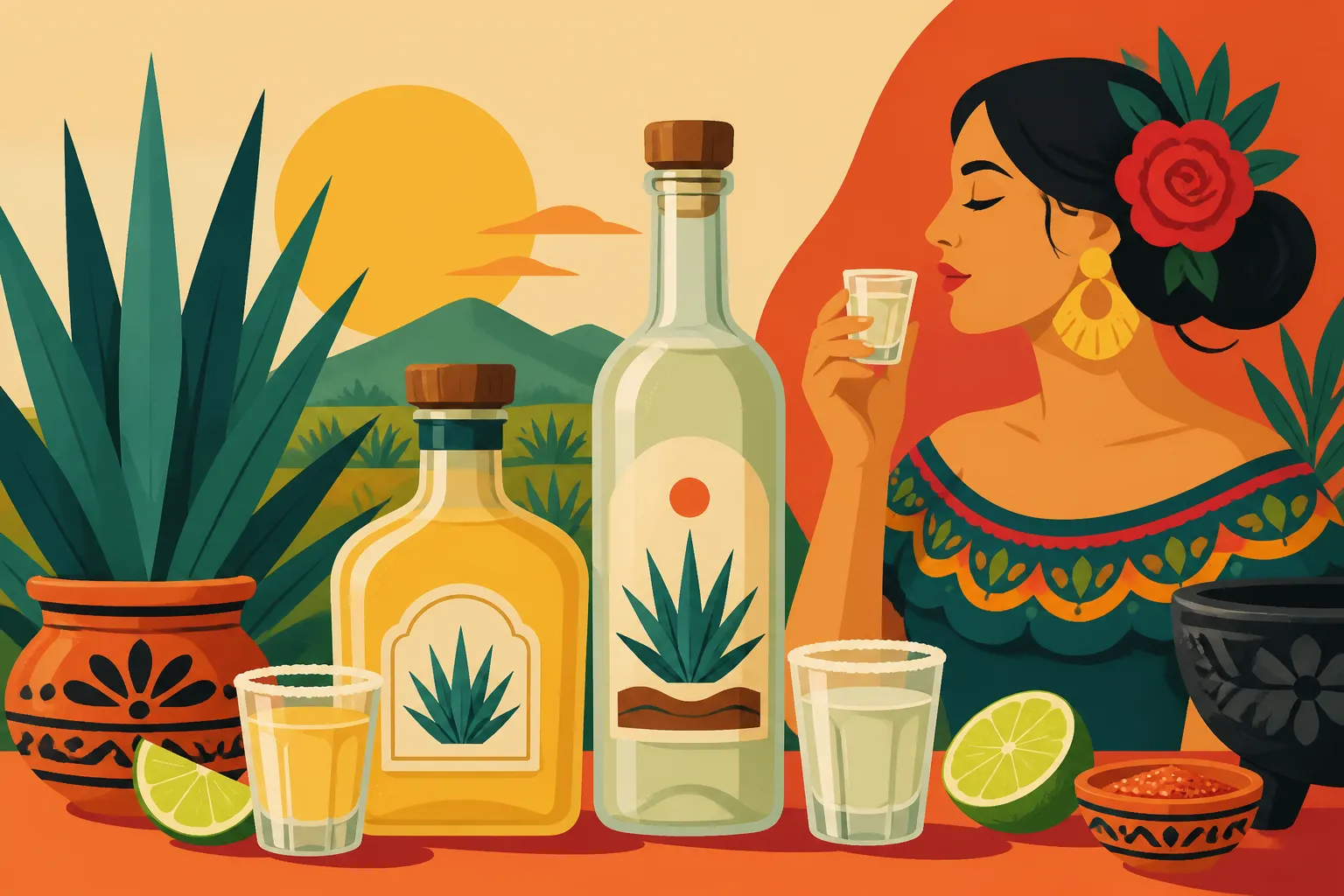
To truly appreciate Mexican drinking culture, one must first understand that agave is not merely a plant; it is a sacred crop that takes anywhere from seven to thirty years to mature before it can ever be harvested. For generations, jimadores (agave farmers) have passed down the specialized knowledge required to cultivate and harvest these spiky succulents across Mexico’s varied terrains. When foreigners first arrive, they often assume tequila and mezcal are completely different spirits, but in reality, tequila is simply a specific, highly regulated subset of mezcal made under strict industrial guidelines.
The relationship between these spirits is rooted in geographical protection, production traditions, and plant biology. Every bottle tells a story of microclimates, soil conditions, and centuries-old distillation methods that vary wildly from state to state. Learning to distinguish between the two opens the door to appreciating the subtle nuances of agave, moving far beyond the mass-produced bottles found on international supermarket shelves.
The Legal and Geographical Definitions of Tequila and Mezcal
The primary distinction between tequila and mezcal begins with federal law and protected designations of origin (Denominación de Origen). Tequila can legally only be produced in five Mexican states: Jalisco (which accounts for the vast majority), and specific municipalities within Guanajuato, Michoacán, Tamaulipas, and Nayarit. If an agave spirit is distilled outside these legally defined boundaries, it cannot bear the name tequila on its label, regardless of the techniques or plant varieties used during production.
Mezcal also operates under its own Denominación de Origen, which covers nine Mexican states, with Oaxaca serving as the undisputed epicenter of production. Other recognized mezcal-producing states include Durango, Zacatecas, Guerrero, San Luis Potosí, Michoacán, Tamaulipas, Guanajuato, and Puebla. Because mezcal encompasses such a vast geographic footprint spanning tropical valleys, high-altitude deserts, and pine-forested mountains, its flavor profiles are vastly more diverse than those of tequila.
Beyond geography, the regulatory standards governing production methods create stark differences in the final product. Tequila manufacturing has largely modernized, utilizing industrial stainless-steel autoclaves, mechanical diffusers, and automated column stills to meet massive global demand. Mezcal, by contrast, is overwhelmingly produced using artisanal or ancestral methods, where agave hearts (piñas) are roasted in underground earthen pits lined with volcanic rock, crushed using horse-drawn stone wheels (tahonas), and fermented in open wooden vats using wild airborne yeasts.
Blue Weber vs Wild Agave Varieties
The plant material itself represents another fundamental point of divergence between these two iconically Mexican spirits. Under official regulatory guidelines, tequila must be produced exclusively from a single agave species: Agave tequilana Weber var. azul, commonly known as Blue Weber Agave. This species was selected historically because of its relatively fast growth cycle (taking roughly six to eight years to reach maturity) and its exceptionally high concentration of fermentable sugars.
Mezcal, on the other hand, can be crafted from more than thirty different species of agave, including both cultivated varieties and wild plants harvested from remote hillsides. The vast majority of commercial mezcal is made from Espadín, a cultivated agave that matures in seven to twelve years and yields a balanced, accessible spirit. However, the true magic of mezcal often lies in its silvestre (wild) expression, crafted from rare agaves that require decades to mature in harsh environments.
Tasting a mezcal made from wild agaves like Tobalá, Arroqueño, Tepeztate, or Jabali is a lesson in patience and terroir. A wild Tepeztate agave, for instance, often clings to sheer limestone cliffs and can take up to twenty-five or thirty years to accumulate enough sugar for harvesting. Because these wild agaves cannot be farmed on a commercial scale, the resulting mezcal offers complex botanical, mineral, and herbal notes that are impossible to replicate in industrial agricultural setups.
Classification and Aging Profiles: Blanco, Reposado, Añejo, and Beyond
When shopping for tequila or mezcal, understanding the age designations printed on the label is crucial for choosing a bottle that suits your palate. Spirits categorized as Blanco (also referred to as Plata or Silver) are unaged and bottled immediately after distillation, or rested in neutral stainless-steel tanks for less than two months. Blanco expressions offer the purest representation of the agave plant itself, delivering bright citrus, pepper, cooked agave, and floral notes unaffected by wood contact.
Reposado translates to “rested,” meaning the spirit has spent between two months and one year aging in oak barrels. Wood aging softens the sharp bite of raw alcohol, introducing subtle notes of vanilla, caramel, toasted nuts, and soft oak while still allowing the core agave character to shine through. Añejo spirits are aged in oak barrels with a maximum capacity of 600 liters for anywhere between one and three years, resulting in a rich, amber-colored liquid heavily influenced by wood tannins, baking spices, dried fruits, and dark chocolate.
For those looking for extreme wood influence, Extra Añejo tequila spends a minimum of three years aging in oak casks, often rivaling high-end cognac or aged single-malt scotch in smooth complexity. In recent years, Cristalino tequilas have also surged in popularity; these are aged Añejo or Reposado tequilas that have been filtered through activated charcoal to remove the amber color and wood tannins, creating a clear spirit that combines the velvety smoothness of an aged tequila with the crisp profile of a Blanco.
The Art of Tasting Tequila and Mezcal Like a Local
If you want to blend in with local connoisseurs while exploring Mexico’s vibrant nightlife, you must abandon the idea of knocking back spirits in a single, hurried swallow. In Mexican culture, premium agave spirits are viewed as artisanal products meant to be appreciated slowly alongside good conversation, delicious food, and warm company. Learning how to properly taste tequila and mezcal allows you to uncover intricate layers of flavor that are completely lost when drinking shots.
| Spirit Category | Primary Agave Used | Core Production Method | Dominant Flavor Notes |
|---|---|---|---|
| Tequila Blanco | Blue Weber (100%) | Steamed in autoclaves/ovens | Cooked agave, citrus, pepper |
| Tequila Reposado | Blue Weber (100%) | Aged 2-12 months in oak | Vanilla, wood spice, agave |
| Mezcal Espadín | Cultivated Espadín | Roasted in pit ovens | Smoke, earth, bright herbal |
| Mezcal Silvestre | Wild (Tobalá, Tepeztate) | Artisanal pit/clay stills | Floral, mineral, botanical |
| Pulque | Salmiana / Manso | Natural sap fermentation | Sour, milky, fruity/yeasty |
| Sotol | Dasylirion (Desert Spoon) | Pit roasted, small batch | Pine, forest floor, leather |
Developing your palate takes time, but adopting traditional tasting rituals will instantly elevate your drinking experience across the country. Whether you are sitting at a historic bar in Mexico City or visiting a rural producer, taking a mindful approach demonstrates respect for the craft and the generations of artisans who produced the liquid in your glass.
Ditching the Salt and Lime: Proper Glassware and Pacing
The international habit of licking salt off your hand, downing a shot of low-grade tequila, and sucking on a lime wedge was originally invented to mask the harsh, unpleasant flavors of impure spirits containing added sugars (mixtos). When drinking high-quality, 100% agave spirits, salt and lime only serve to numb your tastebuds and obscure the delicate flavors carefully preserved during distillation.
In authentic Mexican settings, glassware choices reflect a respect for the spirit’s aromas and historical origins. High-end tequilas are frequently served in tulip-shaped tasting glasses, similar to a Riedel tequila glass or a small cognac snifter, which concentrates the volatile aromatic compounds near the nose. For mezcal, tradition dictates the use of a wide, shallow clay dish called a copita, or a traditional veladora glass—a short, squat votive candle holder featuring a small cross etched into the bottom, originally repurposed from Catholic church services.
Pacing is equally fundamental to the experience. A standard pour of high-proof mezcal or fine tequila is meant to last anywhere from twenty minutes to an hour. Pouring a measure of fine agave spirit and rushing through it is considered a waste of craftsmanship. To explore this tasting culture deeper, check out our detailed guide on Tequila 101: How to Taste and Where to Visit.
Sip, Don’t Shot: The Savoring Technique
When local bartenders hand you a glass of artisanal mezcal or neat tequila, they will often remind you to take small, gentle sips—a practice affectionately referred to in Mexico as taking besitos (little kisses). Because artisanal spirits are typically bottled at high proof (often between 45% and 55% alcohol by volume), taking a large gulp will overwhelm your palate with alcohol burn, blinding your sensory receptors to the underlying flavors.
To taste agave spirits like a trained expert, follow a simple, four-step sipping routine:
- Bring the glass or veladora to your lips and inhale deeply through your nose to evaluate the aromas, paying attention to notes of cooked agave, smoke, herbs, or flowers.
- Take a microscopic sip—just a few drops—and coat the inside of your mouth, swallowing gently to adjust your palate to the alcohol proof.
- Take a second small sip, hold the liquid on your tongue for two or three seconds, and breathe out gently through your mouth after swallowing.
- Pay attention to the finish (retronasal profile), noting how the flavors evolve from sweet and botanical to mineral, earthy, or peppery across your tongue.
By incorporating this gentle method, you eliminate the harsh burn associated with high-proof alcohol, allowing complex notes of roasted agave, wet stone, leather, citrus peel, and herbal smoke to emerge naturally.
Traditional Pairings and Chasers: Sangrita, Sal de Gusano, and Orange Slices
While raw limes and table salt are avoided when drinking fine spirits, traditional accompaniments serve as palate cleansers rather than cover-ups. When sipping mezcal, you will almost universally be served fresh orange or grapefruit slices alongside a small dish of sal de gusano (agave worm salt). This savory condiment is made by grinding dried agave worms (gusanos de maguey) with chili peppers and sea salt, providing an umami-rich, savory contrast that perfectly cuts through the intense earthy smoke of artisanal mezcal.
For neat tequila, the classic pairing is a chilled sidecar shot of sangrita (literally “little blood”). Authentic Mexican sangrita contains zero tomato juice, contrary to what is commonly served in North American bars. Traditional sangrita from Jalisco is a tart, spicy blend of fresh orange juice, pomegranate or lime juice, a splash of hot sauce or powdered chili, and sometimes a touch of red onion juice.
The ritual involves taking a small sip of neat tequila, letting the warmth spread across your palate, and following it with a small sip of cold, tangy sangrita to reset your palate. The bright acidity of the citrus and the subtle heat of the chili enhance the natural sweetness of the cooked agave without overpowering it.
Beyond Agave: Exploring Mexico’s Regional Fermented and Distilled Beverages
While tequila and mezcal dominate international headlines, Mexico is home to an astonishing variety of native fermented drinks and lesser-known regional spirits. Long before the Spanish brought copper alembic stills to the Americas in the sixteenth century, Indigenous populations were fermenting native plants, fruits, and agave saps for medicinal, ceremonial, and social purposes. Exploring these regional alternatives provides a fascinating window into Mexico’s diverse microclimates and cultural history.
Traveling through different states reveals a tapestry of unique drinking traditions that have survived for centuries. From mountain villages in Chiapas to coastal valleys in Jalisco, sampling regional drinks offers an authentic taste of local heritage that few short-term tourists ever get to experience.
Pulque: The Ancient Drink of the Gods
Pulque is Mexico’s oldest recorded alcoholic beverage, boasting a history that spans over two thousand years. Long before distillation existed in Mesoamerica, the Aztecs and neighboring civilizations harvested the sweet sap (aguamiel) from massive, mature agave plants known as maguey pulquero. This sweet sap is collected daily and allowed to ferment naturally using wild bacteria and yeasts, transforming into a viscous, milky-white beverage with a low alcohol content (usually between 4% and 7% ABV).
Because pulque continues to ferment rapidly and spoils within a few days, it cannot be bottled or exported successfully, making it an exclusive delicacy to sample while traveling in central Mexico. The texture of pulque is notoriously unique—slightly thick, viscous, and mildly frothy—with a complex flavor profile that is tangy, sour, and faintly yeasty, akin to a natural kombucha or sour farmhouse ale.
In cities like Mexico City, Puebla, and Hidalgo, traditional pulque bars called pulquerías are experiencing a major cultural renaissance among younger generations. Visitors can try pulque natural (plain) or order curados, which are pulque blends flavored with freshly blended ingredients like guava, passionfruit, pine nuts, celery, coconut, or oatmeal. To learn how to navigate these historic drinking establishments, consult our guide on How to Try Pulque in Mexico.
Raicilla, Bacanora, and Sotol: The Hidden Wild Spirits
Beyond standard mezcal, several regional distilled spirits possess protected designations of origin and distinct production heritage. Raicilla is an agave spirit produced in the state of Jalisco—both along the Pacific coast and in the high Sierra Madre mountains. Crafted from wild agave species like Maximiliana and Inaquidens, raicilla was historically hidden from Spanish colonial tax collectors, earning it a reputation as a moonshine spirit. Mountain raicillas are floral, bright, and fruity, while coastal expressions lean botanical, funkier, and intensely aromatic.
Bacanora originates from the northern state of Sonora, made exclusively from wild Agave pacifica. Bacanora production was banned by state authorities for nearly a century, forcing producers into hiding high in the mountains until the prohibition was finally lifted in the late twentieth century. Bacanora features a dry, fiery, herbaceous character with crisp notes of mesquite, roasted pepper, and dry earth.
Sotol, while often categorized alongside agave spirits, is actually distilled from a completely different plant family: Dasylirion, commonly known as Desert Spoon. Native to the Chihuahuan desert across Chihuahua, Coahuila, and Durango, sotol plants take up to fifteen years to mature in extreme desert environments. The resulting spirit is remarkably clean, grassy, and forest-like, exhibiting notes of pine, eucalyptus, wet moss, and leather.
Pox, Charanda, and Regional Fruit Ferments
In the southern highlands of Chiapas, particularly around San Cristóbal de las Casas, the Maya-Tzotzil communities produce a sacred spirit called Pox (pronounced “posh”). Distilled from a base of white corn, sugarcane, and wheat, Pox has been used for centuries in Indigenous healing ceremonies and religious rituals to warm the body and purify the soul. Modern artisanal Pox is smooth, slightly sweet, and earthy, often infused with regional herbs or tropical fruits.
Michoacán boasts its own official spirit called Charanda, a protected sugarcane rum that has been crafted in the region for centuries. Produced in high-altitude volcanic areas where sugarcane thrives alongside pine forests, Charanda blends juice from fresh sugarcane with molasses, resulting in a rum that bridges the gap between grassy French rhum agricole and rich Caribbean dark rums.
Across different Mexican states, you will also encounter low-alcohol fermented fruit drinks sold at roadside stands and local markets:
- Tepache: A refreshing, low-proof ferment made from pineapples rinds, dark brown sugar (piloncillo), cinnamon, and cloves, served icy cold on hot days.
- Tejuino: A cold, fermented corn-dough beverage native to Jalisco and Nayarit, served with lime juice, sea salt, and a scoop of lime shaved ice.
- Colonche: An ancient, bright red fermented drink made from the sweet juice of wild prickly pear cactus fruit (tunas), traditional to San Luis Potosí and Zacatecas.
Mexican Beer Culture and the Legendary Michelada
While agave spirits hold a special spiritual status, beer (cerveza) is undeniably the most widely consumed alcoholic beverage across daily life in Mexico. Whether enjoyed at a beachside palapa, accompanying street tacos on a bustling corner, or paired with a long Sunday family meal, beer is an indispensable component of social culture. Mexican brewing traditions were heavily shaped by nineteenth-century Austrian and German immigrants who brought classic lager, pilsner, and Vienna-style brewing techniques to the country.
Understanding how locals drink beer goes far beyond simply ordering a cold bottle. From elaborate beer-based cocktails to an exploding independent craft beer movement, Mexico’s beer scene offers incredible variety for thirsty travelers.
The Major Breweries and the Rise of Mexican Craft Beer
The domestic beer landscape in Mexico has long been dominated by two massive brewing conglomerates: Grupo Modelo (creators of Corona, Modelo Especial, Negra Modelo, and Pacifico) and Cervecería Cuauhtémoc Moctezuma (creators of Dos Equis, Tecate, Sol, and Indio). These commercial lagers are intentionally designed to be light, crisp, and extremely refreshing, making them ideal companions for spicy food and warm tropical weather.
Negra Modelo, a Munich-dunkel style dark lager, and Indio, an amber lager, showcase the lasting influence of nineteenth-century European brewmasters. These beers offer toasted malt, caramel, and smooth bread notes while remaining light-bodied and drinkable. If you want a deeper look into local brewing histories, explore our post on Mexican Beer and Michelada Culture.
Parallel to these commercial giants, an energetic craft beer (cerveza artesanal) revolution has taken hold across urban centers over the past decade. Cities like Ensenada, Tijuana, Guadalajara, Mexico City, and Monterrey are now home to hundreds of independent microbreweries. Expat beer lovers can easily find world-class IPAs, rich imperial stouts brewed with local cacao and vanilla, crisp saison ales, and sour beers infused with regional tropical fruits.
Deconstructing the Michelada and Clamato Culture
To foreign visitors, the concept of adding hot sauce, lime juice, and savory condiments to a cold beer can seem strange at first, but the Michelada is one of Mexico’s most beloved and effective inventions—especially as a cure for a rough hangover (la cruda). The word itself is said to be a contraction of “mi chela helada” (“my ice-cold beer”).
The term Michelada actually refers to an entire family of beer cocktails, which vary depending on the region and the specific bar:
- Chelada: The simplest variation, consisting of a cold light beer poured over fresh lime juice in a glass heavily rimmed with coarse sea salt.
- Michelada Clásica: Takes the base of fresh lime juice and adds dark savory sauces (Maggi seasoning sauce and Worcestershire sauce), hot chili sauce (like Valentina or Tamazula), and a pinch of black pepper, served in a chili-salt rimmed glass.
- Clamato or Ojo Rojo: Adds tomato juice reconstituted with clam broth (Clamato) to the Michelada Clásica base, creating a rich, savory, brunch-friendly cocktail similar to a Bloody Mary.
- Gomichela: An eccentric street-food version loaded with chewy gummy candies, tamarind sticks, dried plum pastes (chamoy), and extra hot sauce, popular at open-air street markets.
Non-Alcoholic Refreshments: Aguas Frescas and Artisanal Sodas
Staying hydrated while exploring sunny Mexican cities or pacing yourself between rounds of drinks is made effortless by the country’s incredible selection of non-alcoholic beverages. Found at street stalls, family restaurants (fondas), and juice bars across the country, aguas frescas (fresh waters) are light, natural beverages crafted by blending fresh fruit, seeds, or flowers with water and a touch of sugar.
The three undisputed classics found throughout Mexico are:
- Agua de Horchata: A creamy, refreshing drink made from ground rice, milk, cinnamon, and vanilla, served ice-cold over ice.
- Agua de Jamaica: A tart, deep-crimson tea brewed from dried hibiscus flowers, packed with antioxidants and similar in flavor to cranberry juice.
- Agua de Tamarindo: A sweet and tangy beverage crafted from sour tamarind fruit pulp, providing a distinct sweet-sour balance.
In addition to traditional frescas, Mexico boasts a vibrant artisanal soda culture. Famous national brands like Jarritos utilize real cane sugar and natural fruit extracts, offering flavors like Mexican cola, grapefruit, guava, mandarin, and tamarind. Grapefruit soda (toronjada or Squirt) holds a particularly special place in Mexican bar culture, as it forms the essential sparkling mixer for the famous Paloma cocktail. You can learn more about non-alcoholic staples in our article on Aguas Frescas, Coffee, and Non-Alcoholic Drinks in Mexico.
Navigating Cantinas, Bars, and Nightlife Etiquette
Socializing in Mexico is an intrinsically warm, lively, and inclusive experience. However, stepping into traditional nightlife establishments requires an understanding of unwritten social rules, tipping practices, and local etiquette. Whether you are enjoying an afternoon drink in a historic working-class neighborhood or visiting an upscale cocktail lounge, adjusting your social rhythms ensures a welcoming reception.
Understanding local bar customs prevents awkward misunderstandings and helps you comfortably order drinks, engage with staff, and handle your bill like an experienced resident.
The Traditional Cantina Experience: Free Botanas and Hospitality
The traditional Mexican cantina is a cherished institution with deep historical roots. Originally male-only saloons during the nineteenth century, modern cantinas have transformed into welcoming neighborhood gathering places for friends, families, and colleagues to eat, drink, play games, and listen to live music.
One of the greatest cultural joys of visiting a traditional cantina is the tradition of free food (botanas). In many classic establishments—particularly in Mexico City, Puebla, and Yucatán—when you order alcoholic beverages, the waiter will automatically bring out complimentary plates of hot food from the kitchen. With your first beer or drink, you might receive a simple bowl of spiced beans, potato chips, or pork rinds (chicharrones).
As you continue ordering subsequent rounds, the quality and size of the free food escalates dramatically:
- First Round: Simple snacks like roasted peanuts, pickled vegetables, or soup (caldo de camarón).
- Second Round: Heartier appetizers like tacos de guisado, quesadillas, or sopes.
- Third Round: Full entrees such as chamorro (braised pork shank), mole, ceviche, or meatballs.
To make the most of your afternoon, browse our complete guide to Cantinas and Mexican Bar Culture for Visitors.
Modern Speakeasies, Rooftop Bars, and Neighborhood Pubs
Beyond classic cantinas, urban centers across Mexico boast some of the world’s most innovative, highly awarded cocktail lounges and craft mezcalerías. Neighborhoods like Roma and Condesa in Mexico City, Americana in Guadalajara, and Jalatlaco in Oaxaca City feature hidden speakeasies where master mixologists incorporate native botanical ingredients, ancestral agave spirits, and complex chili reductions into modern cocktail creation.
Rooftop bars (terrazas) are another staple of Mexican urban nightlife, offering sweeping views over historic colonial plazas, soaring cathedrals, or dramatic mountain landscapes. Gathering on a rooftop terrace to sip craft palomas while watching the sunset is a quintessential weekend ritual for locals and expats alike.
When visiting specialized mezcalerías, service is far more educational. Knowledgeable bartenders act as spirit guides, asking about your personal flavor preferences (sweet, earthy, floral, smoky, or spicy) before selecting specific small-batch mezcals from independent producers for you to sample.
Toasting, Drinking Pace, and Social Rules
When drinking with Mexican companions, social warmth and eye contact are central to the experience. Before taking your first sip of a fresh drink, it is customary to wait until everyone at the table has been served so you can perform a group toast. Raise your glass, make direct eye contact with your companions, and say “¡Salud!” (To health!).
A popular local variation of the toast involves moving your glasses together through a series of steps:
- “Arriba” (raise your glass high).
- “Abajo” (lower your glass low).
- “Al centro” (bring your glasses to the center).
- “Y pa’ dentro” (and down it goes / take a sip).
Respecting local etiquette makes every night out smoother. To brush up on everyday social interactions, check out our overview on Mexican Social Etiquette for Visitors: Greetings and Warmth.
When it comes to paying your bill (la cuenta), waiters in Mexico will virtually never bring the check to your table automatically, as rushing guests off the premises is considered rude (sobresmesa is the cherished art of lingering at the table long after a meal to converse). You must explicitly ask your server for the bill by catching their eye and making a signing gesture in the air with your hand, or saying “La cuenta, por favor“.
When settling up, tipping is standard practice across Mexican bars and cantinas. A tip of 10% to 15% is expected for good service. For detailed advice on handling gratuities across different settings, read our resource on Tipping in Mexico (Propina): When and How Much. Additionally, keep in mind that cash is still preferred in smaller, traditional cantinas, while cards are widely accepted at modern bars; check our guide on Cash vs Card in Mexico: What Visitors Should Know to plan accordingly.
Planning Agave Pilgrimages: Tours, Transport, and Destinations
For true spirit enthusiasts, nothing compares to making a pilgrimage directly to the agricultural regions where agave is grown and distilled. Standing in a sun-drenched field of blue agave or breathing in the sweet steam of roasting agave pits inside an artisanal palenque provides an unbeatable, firsthand understanding of the immense labor behind every bottle.
Planning a trip to spirit-producing regions requires thoughtful transport arrangements, lodging bookings, and local tour selections. Having a well-structured itinerary ensures you get beyond tourist traps and experience authentic, small-batch craftsmanship.
Visiting the Town of Tequila and the Jalisco Highlands
Jalisco’s agave landscape offers two distinct regions for travelers to explore: the Lowlands around the magical town of Tequila (Pueblo Mágico de Tequila), and the scenic Jalisco Highlands (Los Altos de Jalisco), home to towns like Arandas and Atotonilco El Alto.
The town of Tequila, located about an hour and a half west of Guadalajara, is filled with historic distilleries, charming cobbled streets, and vast UNESCO World Heritage agave fields. Here, you can tour world-famous distilleries, walk through subterranean aging cellars, and ride historic agave-themed trains. Lowland tequilas tend to feature robust earthy, vegetal, and spicy profiles due to the volcanic soil.
To experience the Tequila region safely and comprehensively, follow these steps to organize your trip:
- Book Transportation: Reserve long-distance bus tickets from Guadalajara’s main bus terminal (Central Nueva) to the town of Tequila using booking platforms like Busbud to secure comfortable, reliable coach seats.
- Select Lodging: Book a boutique hotel or a converted historic hacienda near Tequila’s central plaza through Booking.com to serve as your base for exploring rural distilleries.
- Organize Distillery Tours: Reserve guided tasting excursions through Viator to visit both large historic producers and small family-run craft distilleries.
- Explore the Highlands: Take an additional day trip to Los Altos (Arandas), where higher altitudes and iron-rich red soils produce tequilas celebrated for sweeter, floral, and fruit-forward profiles.
For a deeper dive into organizing this trip, refer to our dedicated guide on Visiting the Tequila Region Near Guadalajara.
Navigating Oaxaca’s Mezcal Palenques and Artisanal Distilleries
Oaxaca is the spiritual heartland of artisanal mezcal, offering an endless array of rustic distilleries (palenques) scattered across mountain valleys and Indigenous villages. Oaxaca City serves as the primary hub for organizing day trips out to key mezcal-producing regions like Santiago Matatlán (self-proclaimed “World Capital of Mezcal”), Santa Catarina Minas, and San Baltazar Chichicapam.
Visiting Santa Catarina Minas is particularly special for spirit aficionados, as the producers here specialize in ancestral mezcal. In ancestral production, crushed agave is fermented in open wooden vats and distilled using primitive clay pots with bamboo condenser pipes, imparting a soft, round, earthy mineral texture that copper stills simply cannot replicate.
When visiting small palenques, you will meet maestros mezcaleros (master distillers) who take immense pride in their multi-generational craft. Sampling wild agave mezcals straight from the clay still (alambique de barro) using a hollow reed pump (venencia) is one of the most unforgettable sensory experiences Mexico has to offer. To plan a seamless tasting itinerary through Oaxaca’s central valleys, read our detailed feature on Mezcal in Oaxaca: Tours and Tastings.
Logistics: Booking Flights, Bus Travel, and Organized Excursions
Organizing an agave-focused trip across Mexico is straightforward when using reliable travel booking tools. For regional transportation, Mexico’s executive-class bus networks (such as ADO, Primera Plus, and ETN) offer luxurious, highly punctual, and affordable transit between major cities and regional spirit hubs. Using digital booking services like Busbud allows you to easily compare schedules, secure seats, and store e-tickets directly on your smartphone without language barriers at crowded bus stations.
When arranging day trips from major cities out to rural distilleries or hidden palenques, booking through platforms like Viator ensures you are traveling with licensed, English-speaking guides who possess established relationships with local producing families. Organized tours eliminate the worry of driving on unfamiliar rural roads after participating in spirit tastings.
For accommodations, relying on Booking.com provides access to a wide selection of boutique hotels, colonial bed-and-breakfasts, and eco-lodges near spirit destinations, complete with verified user reviews and flexible cancellation policies. Combining these transport and lodging options lets you focus entirely on savoring the rich flavors, warm hospitality, and deep cultural heritage of Mexico’s iconic spirits.
Comparative Overview of Popular Mexican Spirits
Spirit Profiles and Characteristics Table
| Spirit | Origin / Region | Primary Raw Material | Distillation / Ferment | Flavor & Aroma Profile |
|---|---|---|---|---|
| Tequila | Jalisco & select states | Blue Weber Agave (100%) | Steamed; Copper / Column | Cooked agave, citrus, pepper, oak |
| Mezcal | Oaxaca & 8 other states | 30+ Agave species (Espadín) | Pit roasted; Copper / Clay | Smoky, earthy, mineral, botanical |
| Raicilla | Jalisco (Coast / Sierra) | Wild Agaves (Maximiliana) | Oven roasted; Wood / Clay | Tropical fruit, floral, cheesy-funk |
| Bacanora | Sonora | Wild Agave Pacifica | Underground pit roasted | Dry, mesquite smoke, pine, pepper |
| Sotol | Chihuahua, Coahuila | Dasylirion (Desert Spoon) | Pit roasted; Copper still | Grass, eucalyptus, wet soil, oak |
| Pulque | Central Mexican Highlands | Maguey Pulquero Sap | Wild bacterial fermentation | Sour, milky, yeast, fruit tang |
| Pox | Chiapas | White corn, sugarcane, wheat | Pot distilled | Sweet corn, warm grain, grassy |
| Charanda | Michoacán | Sugarcane juice & molasses | Column / Pot still | Fresh sugarcane, soil, tropical oak |
Key Takeaways for Buyers and Travelers
Navigating Mexico’s spirit landscape successfully boils down to curiosity, respect, and smart shopping practices. When buying tequila or mezcal to take home or gift to friends, always look for the phrase “100% de Agave” or “100% Puro de Maguey” on the bottle label. If a bottle omits this phrasing, it is a low-grade spirit blended with up to 49% fermented sugar water (mixto), which is precisely what causes severe hangovers and unpleasant burn.
Support small-scale producers whenever possible by purchasing directly from palenques or specialized local artisanal shops (mezcalerías). Buying small-batch, artisanal spirits ensures that your money directly supports multi-generational farming families and preserves traditional, eco-friendly production methods that have endured for centuries.
Approach every glass with mindfulness: sip slowly, honor the years the plant spent drawing nutrients from the earth, hydrate frequently with fresh water, and enjoy the rich tapestry of culture, history, and community woven into every sip.
Disclaimer
This article is for general informational purposes only and does not constitute professional advice. Laws, prices and regulations vary by location and change over time. Consult a qualified professional for guidance on your specific situation.