Living in Playa del Carmen and the Riviera Maya
Walking down Quinta Avenida, it’s easy to fall for the neon lights and the promise of a margarita-soaked life, but the reality of finding an apartment that doesn’t mold in three months or navigating a lease written entirely in legal Spanish can be paralyzing. I remember my first rainy season in Playa, watching my power bill triple while my internet cut out during a major client call, feeling completely overwhelmed by the logistical "secret code" of the Riviera Maya. This guide breaks down that code, helping you transition from a confused vacationer to a savvy local resident.
Disclosure: This post may contain affiliate links. We may earn a commission at no extra cost to you if you make a purchase through these links. Read full disclosure.
Beyond the Beach: Choosing Your Riviera Maya Home Base
Deciding where to plant your roots in the Riviera Maya is about more than just proximity to the ocean. Each town along this stretch of the Caribbean coast offers a radically different lifestyle, and what feels like paradise for a week might feel like a logistical nightmare after six months. You have to balance your need for infrastructure against your desire for that "untouched" tropical vibe, which is increasingly hard to find.
Playa del Carmen: The Hub of Everything
Playa del Carmen remains the primary choice for most foreigners because it offers a "walkable city" feel that is rare in Mexico. Unlike Cancun, which is sprawling and requires a car, or Tulum, which is fragmented, Playa is built on a grid. If you live in Centro or the north end, you can walk to the grocery store, the gym, and the beach. However, the noise is a real factor. Living near the 12th street club district is a mistake I see many newcomers make, only to realize that the bass thumping until 4:00 AM makes for a miserable work-from-home environment.
For a more settled experience, many look toward Playacar, a gated community on the south end of town. It is significantly quieter, filled with lush greenery and ancient ruins, but it comes with higher HOA fees and a slight "suburban" feel. If you are looking for more local flavor and lower rents, the neighborhoods across the highway (like Ejido) offer more space for your money, though you’ll likely want a scooter or a car to get around. You can find more specific neighborhood breakdowns in our Living in Playa del Carmen: A Digital Nomad’s Beach Town Guide.
Tulum: From Yoga Mecca to Modern Struggles
Tulum has undergone a massive transformation over the last decade. It has moved from a sleepy backpacker outpost to a high-end "eco-chic" destination, but the infrastructure hasn't always kept pace with the construction. If you choose Tulum, you are likely looking at neighborhoods like Aldea Zama or La Veleta. These areas offer stunning modern condos with private pools, but you should be prepared for frequent power outages and unpaved roads that turn into rivers during a tropical downpour.
Living in Tulum requires a certain level of patience. The "beach zone" where all the famous hotels and restaurants are located is actually several miles away from the town center (Tulum Pueblo). Biking is the primary mode of transport, but in the heat of July, a 20-minute bike ride can be grueling. For those who prioritize aesthetics and a deep connection to the wellness community, Tulum is unbeatable, but for those who need a stable home office, Playa is usually the safer bet.
The Hidden Gems: Puerto Morelos and Akumal
If the high-octane energy of Playa and Tulum feels like too much, Puerto Morelos offers a much-needed breath of fresh air. It is a fishing village that has managed to maintain its small-town charm despite the surrounding development. The expat community here is older and more integrated with the local population. There is a "port side" and a "town side," and most expats prefer the port side for its quiet streets and lack of massive beach clubs.
Akumal, famous for its sea turtles, is another alternative, though it is much more of a residential community than a town. It’s perfect for retirees or those who want a quiet, ocean-front life, but you will find yourself driving to Playa or Tulum for major grocery hauls or specialized medical care. Both of these locations offer a glimpse into what the Riviera Maya felt like twenty years ago, though prices are catching up quickly.
The Practicalities of Living in Paradise
Once you’ve picked a town, the real work begins. Moving your life to Mexico involves a steep learning curve, especially when it comes to legalities and logistics. I’ve seen too many people arrive with five suitcases and no plan, only to end up in a high-priced "tourist rental" because they didn't understand how the local market works.
Navigating the Rental Market and Relocation
Renting a home in the Riviera Maya is different from the US or Canada. Most long-term leases (12 months) require a "convenio transaccional," which is a legal contract that often involves a notary. You will typically be asked for the first month's rent, a security deposit, and the cost of the contract itself. Be very wary of anyone asking for "last month's rent" or multiple months upfront without a formal contract. For more on this, check out Renting a Home in Mexico: Complete Expat Guide to Leases, Deposits, and More.
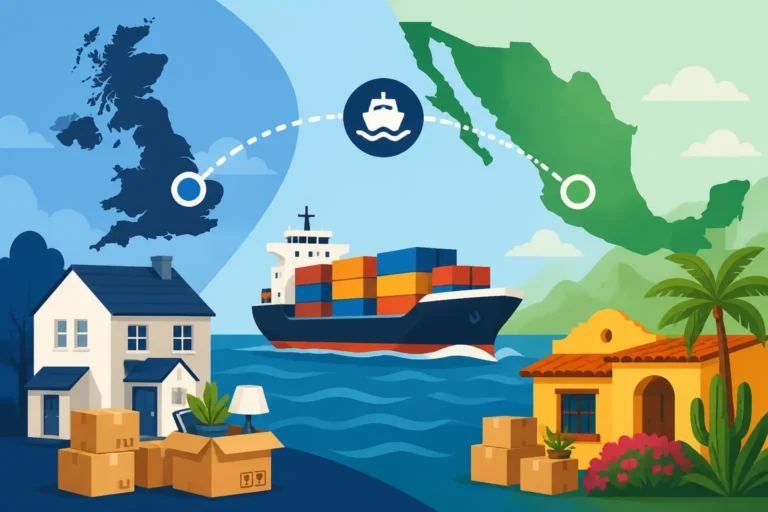
If you are moving significant amounts of furniture or personal belongings from abroad, the process can be daunting. Dealing with Mexican customs and finding a reliable mover is where many expats hit a wall. Using a reputable service like Sirelo can help you compare international moving companies and find one that specifically understands the "menaje de casa" (household goods) process for Mexican residency holders. Sirelo acts as a bridge to ensure your belongings don't get stuck at the border in a bureaucratic limbo, which I have sadly seen happen to several friends.
Utility Bills and the OXXO Life
Setting up and paying utilities is a rite of passage. Electricity (CFE) is billed every two months, and the rates are tiered. If you use your air conditioning 24/7, you will likely hit the "DAC" (High Consumption) rate, which can result in bills that rival a mortgage payment. It is vital to learn How to Pay Your CFE Electricity Bill in Mexico because if you miss a payment by even one day, they will cut your power, and getting it reconnected can take days of frustrating phone calls.
Water is usually handled by a company called Aguakan in the Riviera Maya. Unlike in many other countries, you cannot drink the tap water here. You will become very familiar with "garrafones"—the 20-liter blue jugs of purified water that are delivered to your door or swapped at the local convenience store. For everything else, from cell phone reloads to paying your internet bill, the local OXXO store is your best friend. It’s the unofficial administrative hub of Mexico.
International Relocation Logistics
When you are in the planning stages, don't underestimate the physical move. Moving to Mexico isn't just about a flight; it's about the legal transition of your life. Whether you are shipping a few boxes or a whole house, finding a partner like Sirelo is essential for vetting the companies that handle the heavy lifting. They provide a layer of transparency that is often missing in the local moving market. Beyond the physical move, you’ll also need to ensure your paperwork is in order. Most people start with a Mexico Temporary Resident Visa: Comprehensive Guide for Expats (2026 Update), which allows you to stay for up to four years and eventually transition to permanent status.
| Aspect | Playa del Carmen | Tulum | Puerto Morelos |
|---|---|---|---|
| Vibe | Urban, high-energy, walkable | Eco-chic, bohemian, spread out | Quiet, authentic, village-style |
| Internet Stability | High (Fiber widespread) | Moderate to Low | Moderate |
| Walkability | Very High (in Centro) | Low (requires bike/car) | High (in the Port area) |
| Grocery Access | Multiple large supermarkets | One major supermarket, small shops | Local markets, one medium store |
| Rent (1BR 2026) | $1,200 – $1,800 USD | $1,500 – $2,500 USD | $900 – $1,400 USD |
Connectivity, Community, and Co-working
The Riviera Maya is a top-tier destination for remote workers, but "island time" still applies to the infrastructure. You can have a high-speed fiber-optic connection in your apartment, but if a construction crew down the street accidentally cuts a line, you might be offline for forty-eight hours. Having a backup plan isn't just a good idea; it’s a requirement for professional survival.
Reliable Internet and Mobile Data
Most modern apartments in Playa and Tulum now offer Telmex Infinitum or Totalplay fiber. However, I always recommend having a secondary data source. When I’m traveling between towns or if my home fiber goes down, I rely on a digital SIM. Using a service like Airalo allows you to download an eSIM before you even land or as a backup when your local SIM is acting up. Airalo is particularly useful for expats who haven't yet secured their local ID (CURP) and find it difficult to get a postpaid plan at a Telcel office.
Staying connected isn't just about work; it's about safety. Having data while navigating the backroads of the Riviera Maya is crucial. Airalo provides that immediate connectivity without the hassle of hunting down a physical SIM card in a town you don't know yet. For a deeper look at your home-based options, see Best Internet Providers in Mexico: Expats' Top Picks for Reliability.
Co-living and Co-working Spaces
If you find that working from your humid apartment is killing your productivity, the Riviera Maya has a thriving co-working scene. Selina is perhaps the most well-known name in the region, offering a blend of co-living and co-working that is perfect for those who are new to the area. I often suggest people spend their first two weeks at a Selina because it’s an instant community. You’ll meet people who have already figured out where the best taco stands are and which landlords to avoid.
The coworking space at Selina in Playa del Carmen or Tulum provides stable, high-speed internet and—perhaps more importantly—air conditioning that actually works. It solves the isolation that often comes with moving to a new country. Beyond Selina, there are local spots like Nest in Playa, but the "all-in-one" nature of a Selina stay makes the transition much smoother for those who are still waiting for their household goods to arrive via a company they found through Sirelo.
Building Your Social Circle
The "honeymoon phase" of living in Mexico usually lasts about three months. After that, the reality of being away from your support system back home starts to set in. Building a local community is vital. Most expat life in the Riviera Maya happens on Facebook and WhatsApp. There are groups for everything: "Moms of Playa," "Digital Nomads Tulum," and "Puerto Morelos Community." You should definitely be Using Facebook and WhatsApp to Connect with Expat Communities to find everything from reliable handymen to weekend beach meetups.
Don’t just stick to the expat bubble, though. Making an effort to learn Spanish and engage with your Mexican neighbors will change your experience from being a "long-term tourist" to a true resident. The locals are incredibly warm and welcoming, but they see people come and go every week. Showing that you are here to stay and respect the culture goes a long way.
Navigating Health and Safety
One of the biggest concerns for anyone moving to Mexico is safety and healthcare. The media often paints a grim picture, but the reality on the ground in the Riviera Maya is much more nuanced. It’s about understanding the specific risks and being proactive about your well-being.
Medical Care in the Riviera
We are fortunate in this region to have access to high-quality private hospitals. Facilities like Hospiten or CostaMed in Playa del Carmen offer care that is on par with what you would find in the US or Europe. If you have an emergency, you need to know exactly where to go, as Healthcare in Cancún and Riviera Maya: Hospitals and Clinics for Expats varies significantly from the public IMSS system.
Most expats opt for private health insurance to ensure they can access these facilities without a massive out-of-pocket expense. Even if you don't have a local policy yet, the Healthcare Costs in Mexico: Doctor Visits, Hospital Stays, and Surgery Expenses are generally much lower than in the US, but an emergency surgery can still run into the tens of thousands of dollars. Always have a "health fund" or a solid international policy in place before you arrive.
Safety Realities and Street Smarts
Safety in the Riviera Maya is generally about being "street smart." Petty theft is common, especially on the beach or in crowded areas. Leaving your laptop on a table while you go to the bathroom in a cafe is a mistake you only make once. More importantly, understanding the Safety in Mexico: What Expats Need to Know About Staying Safe means staying away from "the trade" and avoiding shady areas late at night.
The local police (Policía Municipal and Turística) are generally helpful, but language barriers can be an issue. If you are ever pulled over while driving, stay calm and polite. Most of the time, they are looking for a reason to give you a ticket, and knowing your rights is essential. Never offer a bribe; it only perpetuates a system that hurts the community in the long run.
Food and Water Safety
Finally, let’s talk about "Montezuma’s Revenge." It’s real, and it will probably happen to you at least once. Learning How to Avoid Traveler's Stomach Illness in Mexico involves more than just avoiding tap water. It's about being careful with ice, unpeeled fruits, and street food that hasn't been properly handled. However, don't let fear stop you from eating the local cuisine—some of the best food in the world is found in the small "cocinas económicas" of Playa and Tulum.
If you do get sick, local pharmacies (Farmacias Similares or Ahorro) often have a doctor on-site in a small "consultorio" next door. For about 50 to 100 pesos, they can give you a quick consultation and a prescription for whatever ails you. It’s an incredibly efficient system for minor issues.
The Cost of Living in 2026
The Riviera Maya is no longer the "cheap" destination it once was. With the arrival of the Tren Maya and the new Tulum International Airport, prices have surged. You need a realistic budget to live comfortably here without constantly stressing about your bank account.
Rent and Real Estate Trends
Rent is your biggest expense. A modern one-bedroom apartment within walking distance of the beach in Playa del Carmen will likely cost you between $1,200 and $1,800 USD. In Tulum, those prices can easily climb to $2,500 USD for a place in a high-demand area like Aldea Zama. You can find cheaper options further from the beach, but then you have to factor in the cost of transportation. For a more detailed breakdown, check out Cost of Living in Playa del Carmen: Living Costs in 2026.
Many expats eventually look to buy property, either as a primary residence or an investment. The market is hot, but the legal process is complex for foreigners, usually requiring a bank trust called a "fideicomiso." Always work with a reputable lawyer and a real estate agent who comes highly recommended by the local community.
Daily Expenses and Transportation
Groceries will cost you about 70% of what they do in the US or Canada, provided you shop like a local. If you insist on buying imported cheeses and wines at Chedraui Selecto, your bill will be higher than it was back home. Local markets (tianguis) are the best place for fresh produce.
Transportation is another variable. While Using Uber and Ride-Sharing Apps: A Guide for Expats in Mexico is an option in some areas, the taxi union in the Riviera Maya is very powerful and often makes ride-sharing difficult or even dangerous in certain zones. Most long-term residents eventually buy a scooter or a car. Just remember that if you have a car, you’ll need to navigate the "Hoy No Circula" rules if you drive into Mexico City, though those don't apply locally in Quintana Roo.
Summary of Living in the Riviera Maya
Living in this part of the world is a beautiful, frustrating, vibrant, and soul-expanding experience. You will have days where the sunset over the turquoise water makes every struggle worth it, and days where the humidity and the bureaucracy make you want to pack your bags and go home. The key is preparation.
Use tools like Airalo to stay connected, lean on communities like Selina to find your tribe, and trust professionals like Sirelo to handle the heavy lifting of your move. If you come with an open heart and a lot of patience, the Riviera Maya will reward you with a lifestyle that most people only ever see on a postcard.
Disclaimer
The information provided in this guide is for informational purposes only and does not constitute legal, financial, or medical advice. Regulations regarding visas, property ownership, and healthcare in Mexico can change frequently. Always consult with certified professionals, such as immigration attorneys, financial advisors, or healthcare providers, before making significant life decisions. The author and publisher are not responsible for any actions taken based on the content of this article.