How to Buy Prescription Medicine in Mexico
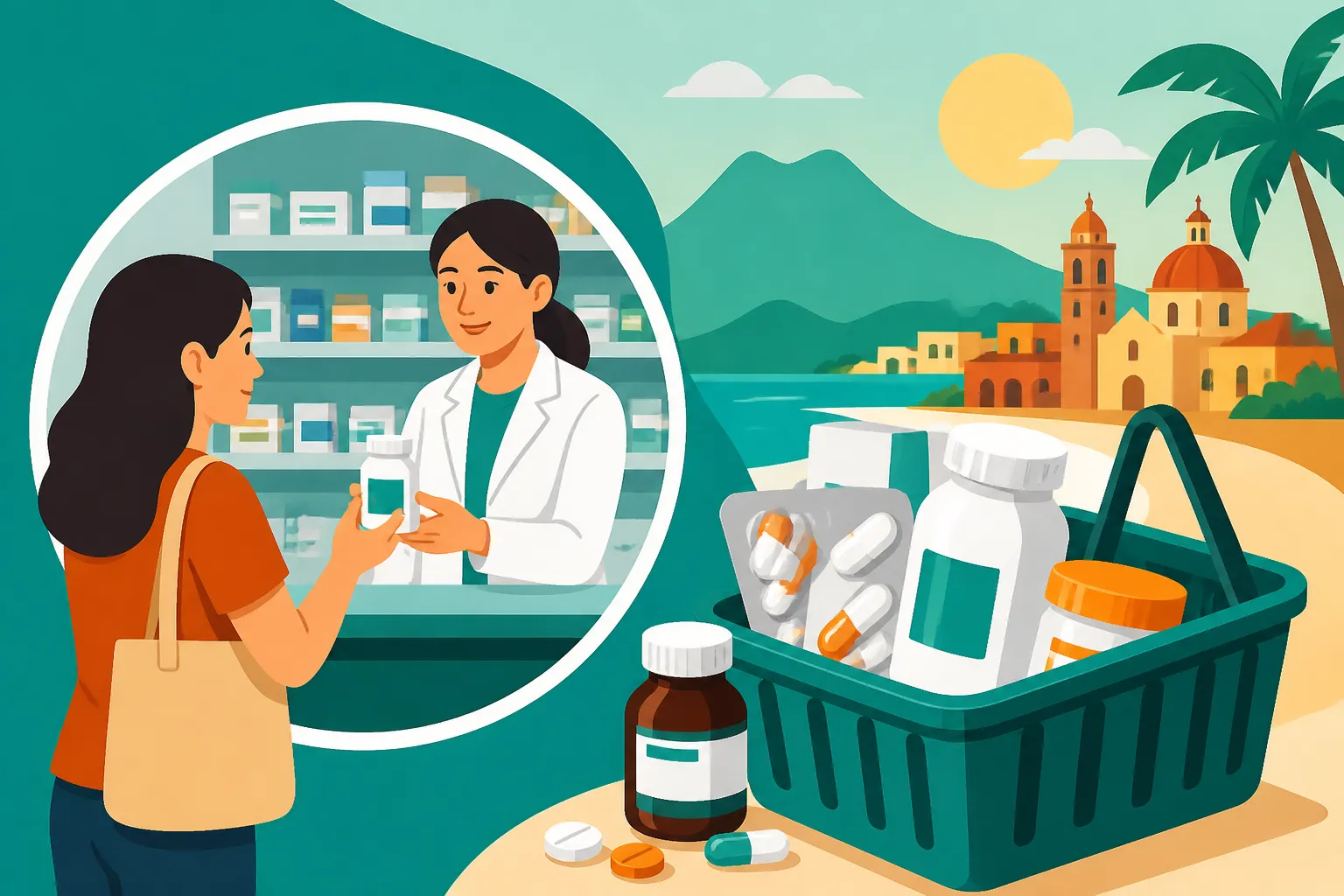
Standing in a brightly lit pharmacy in Mexico for the first time, staring at rows of unfamiliar boxes while clutching a bottle of nearly-empty pills from home, is a rite of passage for every expat. I remember the cold sweat I felt when I realized my US prescription meant nothing to the clerk behind the counter. This guide will walk you through exactly how to navigate the Mexican pharmaceutical system so you never feel stranded without your essential health supplies.
Disclosure: This post may contain affiliate links. We may earn a commission at no extra cost to you if you make a purchase through these links. Read full disclosure.
Navigating the Mexican Pharmacy Landscape
The first thing you’ll notice in Mexico is that pharmacies (farmacias) are everywhere—literally on every corner in cities like Mexico City, Guadalajara, and Mérida. However, they are not all created equal. As someone who has spent years living here, I’ve learned that choosing the right shop depends entirely on what you need, how much you want to pay, and whether you need a quick medical consultation on the spot.
Major Chains vs. Independent Farmacias
Mexico is dominated by several massive pharmacy chains. Farmacias del Ahorro is perhaps the most ubiquitous, known for its "Monedero del Ahorro" loyalty program and a wide selection of generic medications. Farmacias Guadalajara is another giant, often operating 24/7 and doubling as a mini-supermarket where you can buy bread, milk, and household goods along with your medicine. Then there is Farmacias Benavides, which often carries more high-end skincare and imported brands.
While independent "Mom and Pop" pharmacies exist, I generally recommend sticking to the major chains for your essential prescriptions. The chains have more robust supply chains, which means the temperature control for sensitive medications (like insulin) is more reliable. If you are a digital nomad or a frequent traveler, having a SafetyWing policy can be a lifesaver if you have an adverse reaction to a local medication and need to see a specialist quickly. For long-term residents with complex needs, Cigna Global provides the kind of comprehensive coverage that helps you manage high-cost specialty drugs that smaller pharmacies simply won't stock.
The Consultorio System: The Two Dollar Doctor
One of the most unique aspects of the Pharmacies in Mexico: How to Get Medications (OTC vs Prescription) experience is the "Consultorio." Next door to almost every Farmacias del Ahorro or Farmacias Similares, you’ll find a small medical clinic. These are staffed by licensed general practitioners who can see you for minor ailments—think ear infections, sinus pressure, or skin rashes.
The cost is incredibly low, usually ranging from 50 to 100 pesos (about $3 to $6 USD). You don’t need an appointment; you simply walk in, put your name on a list, and wait. The doctor will examine you and, if necessary, write a Mexican prescription that you can take right next door to the pharmacy. This is the fastest way to get a legal prescription for antibiotics or other regulated drugs. However, for more serious issues, you should still prioritize Finding English-Speaking Doctors and Specialists in Mexico to ensure there is no miscommunication regarding your medical history.
Understanding the Rules: Prescription vs. OTC
In your home country, the line between over-the-counter (OTC) and prescription meds might be very thick. In Mexico, that line is a bit more blurry, but it has become much stricter over the last decade. It is a common myth that you can buy "anything" at a Mexican pharmacy without a script. While many things are available, the authorities have cracked down significantly on specific classes of drugs.
Medications Requiring a Local Prescription
Since 2010, Mexico has strictly enforced a law requiring a valid Mexican prescription for all antibiotics. This was done to combat antibiotic resistance, and most pharmacies will not budge on this. If you show up with a bottle of Amoxicillin from Canada, they will likely tell you to visit the consultorio next door to get a local equivalent script.
Additionally, "Group II" and "Group III" medications—which include psychotropics, strong painkillers (opioids), and some sleep aids—require a highly regulated prescription often called a "receta médica" with specific stamps. Getting these as an expat can be a hurdle. If you are Managing Chronic Illness in Mexico: Access to Medication and Specialists, you need to establish a relationship with a local specialist early on. I’ve found that bringing my original medical records and a letter from my home doctor helps the local specialist feel comfortable rewriting the prescription in the Mexican format.
Medications Available Without a Prescription
You will be surprised to find that many medications that require a prescription in the US or UK are sold over-the-counter here. This includes many high-strength anti-inflammatories, birth control pills, asthma inhalers (like Albuterol), and various blood pressure or cholesterol medications.
However, just because you can buy them doesn't mean you should do so without professional guidance. I always suggest checking in with a local doctor first, especially if you are Staying Healthy in Mexico: Essential Tips for Food, Water, and Preventive Care. It's easy to accidentally buy a dosage that is different from what you're used to back home. If you're here long-term, having a plan through Cigna Global can help cover the costs of these routine medications if they are part of a larger treatment plan for a chronic condition.
Practical Steps: How to Buy Your Meds
When you walk up to the counter, the experience is quite different from the "drop off a script and come back in an hour" routine of North America. Most medications in Mexico are sold in pre-packaged boxes rather than being counted out into orange plastic bottles.
Finding the Correct Active Ingredient
The most important tip I can give you is to know the "sustancia activa" (active ingredient) of your medication. Brand names in Mexico are often completely different. For example, if you are looking for Tylenol, you should ask for Paracetamol or the brand Tempra. If you need Advil, ask for Ibuprofeno or the brand Actron.
I usually keep a list on my phone with the generic name and the dosage in milligrams. Most pharmacists speak some basic English in tourist areas, but in smaller towns, you will find Pharmacy Spanish: Phrases to Help You Buy Medicine in Mexico essential. Don't be afraid to use a translation app to show the pharmacist exactly what you need.
| Category | Common US/Global Brand | Mexican Equivalent/Generic | Prescription Required? |
|---|---|---|---|
| Pain Relief | Tylenol | Paracetamol / Tempra | No |
| Pain Relief | Advil / Motrin | Ibuprofeno / Actron | No |
| Antibiotic | Zithromax | Azitromicina | Yes |
| Allergy | Zyrtec | Cetirizina | No |
| Heartburn | Prilosec | Omeprazol | No |
| Anxiety | Xanax | Alprazolam | Yes (Strict) |
Bringing Prescriptions from Home
Can you use your home country’s prescription? Technically, no. A Mexican pharmacist is not legally allowed to dispense regulated medication based on a foreign piece of paper. However, they can use that paper as a reference to help you find the right item, or it can serve as proof for the doctor in the consultorio that you have a legitimate need for the drug.
If you are Bringing Prescription Medications from Home: Rules and Tips for Expats, make sure you keep everything in its original packaging with the prescription label attached. This is vital for both the pharmacy and for customs if you are ever searched at the airport. For those traveling on a SafetyWing policy, keep your receipts for any medications prescribed for a sudden illness, as you may be able to claim reimbursement depending on your specific coverage.
Delivery and 24-Hour Options
One of the perks of living in a major Mexican city is the convenience. Most large chains have excellent apps where you can upload a photo of your prescription and have the meds delivered to your door via a motorcycle courier (repartidor) within 30 to 60 minutes. Farmacias del Ahorro and Farmacias San Pablo have particularly good delivery systems.
If you find yourself in a situation where you are Running Out of Medication: Getting a Prescription Refill in Mexico in the middle of the night, look for a "Farmacia de Turno" or a 24-hour Farmacias Guadalajara. These are well-lit, safe, and usually have a security guard at the door. It is a much better option than waiting until morning if you are dealing with a high fever or sudden pain.
Costs, Safety, and Insurance
The cost of medication in Mexico is significantly lower than in the United States, but it can still add up if you are paying entirely out-of-pocket for "Patente" (brand name) drugs.
Generics vs. Brand Names (Similares)
You will see the face of "Dr. Simi"—a dancing cartoon doctor—all over Mexico. This is the mascot for Farmacias Similares, which sells only generic medications. These are often 50% to 75% cheaper than the brand-name versions sold at other pharmacies. For common issues like high blood pressure, generic versions are usually just as effective.
However, for very specific medications—like those for thyroid issues or certain psychiatric conditions—some doctors recommend sticking to the brand name (patente) because the fillers in generic versions can occasionally affect absorption. Always ask your doctor if "genéricos" are okay for your specific condition. You can compare prices by looking for the "Precio Máximo al Público" (maximum price to the public) printed on every box of medicine in Mexico—it is illegal for a pharmacy to charge more than that amount.
Safety and Counterfeit Concerns
While the Mexican pharmaceutical market is generally safe and regulated by COFEPRIS (Mexico's version of the FDA), you should be cautious when buying medication in high-traffic tourist zones like the "main drag" in Playa del Carmen or Cabo San Lucas. Some small, independent pharmacies in these areas have been flagged for selling counterfeit or tainted pills, particularly painkillers.
Always buy from established chains like Farmacias del Ahorro, Benavides, or San Pablo. If a deal seems too good to be true, or if a pharmacy offers to sell you a controlled substance like Xanax or Percocet without a prescription, walk away. It isn't worth the health risk. If you are worried about the quality of care, you can read more on Are Medications in Mexico Safe and Regulated? to understand how the government monitors these businesses.
Insurance and Reimbursement
Most Mexican pharmacies do not "bill" your foreign insurance directly. You will pay for your medication at the register with cash or a credit card and receive a "factura" (a formal tax receipt). If you are using Cigna Global for your long-term health needs, you will typically submit these receipts through their portal for reimbursement.
Keep in mind that to get a reimbursement, you often need the official XML and PDF version of the factura, not just the paper ticket from the cash register. You will need to provide your RFC (tax ID number) to the pharmacist to get this. If you don't have an RFC, ask for a "Factura al Público en General." Navigating this can be tricky, which is why Healthcare Costs in Mexico: Doctor Visits, Hospital Stays, and Surgery Expenses is a must-read for anyone trying to manage a budget while living abroad.
Health and Medical Disclaimer
This article is for informational purposes only and does not constitute medical or legal advice. Regulations regarding prescription medications in Mexico are subject to change. Always consult with a licensed medical professional in Mexico before starting, stopping, or changing any medication. Ensure you are compliant with all Mexican laws regarding the possession and purchase of controlled substances.