How to Access IMSS-Bienestar in Mexico
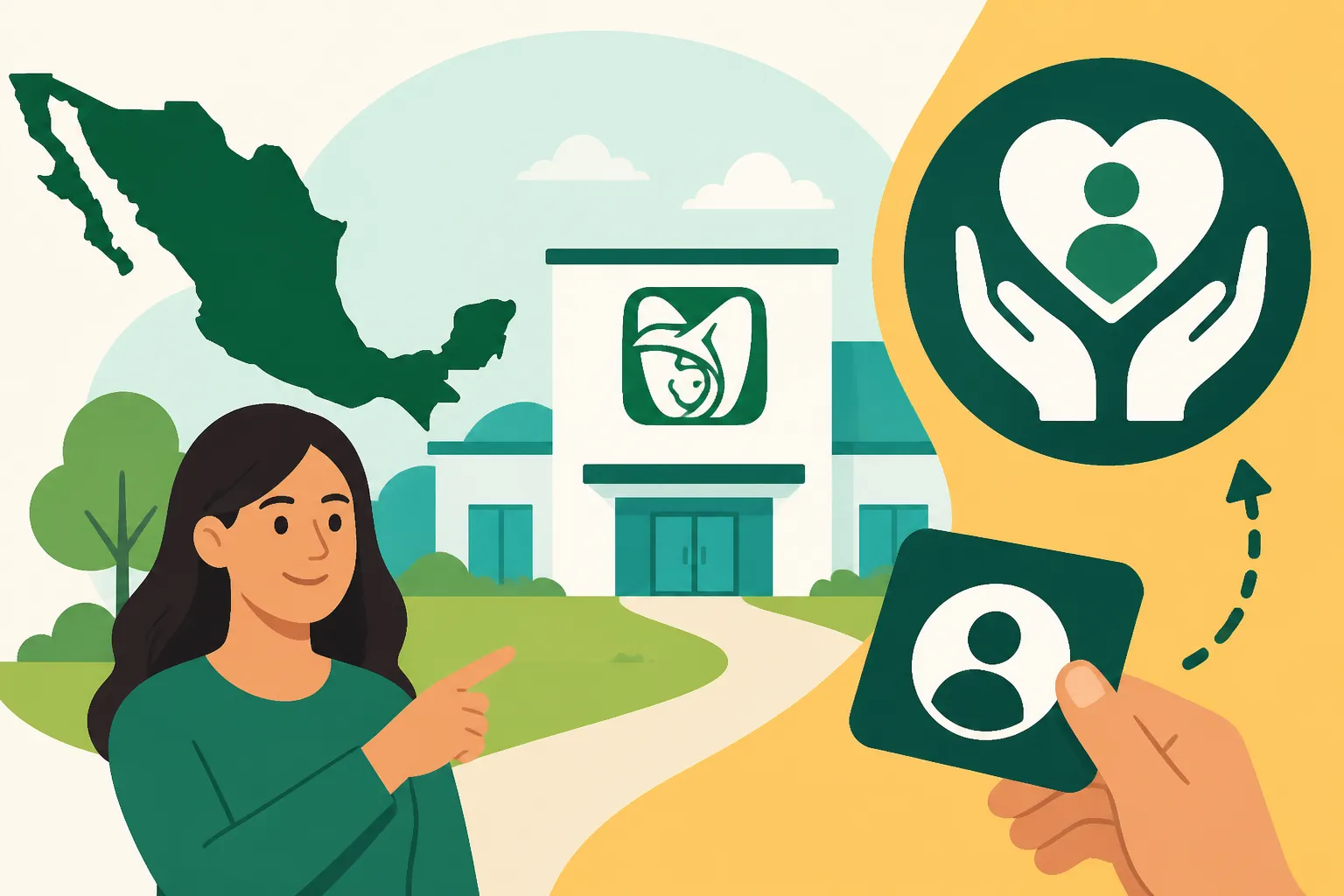
Navigating the healthcare system in a new country often feels like trying to solve a puzzle where the pieces keep changing shape. I remember the first time I stood in a local clinic, clutching my residency card and wondering if a simple flu visit would cost me a week’s rent or hours of bureaucratic paperwork. This guide explains exactly how to navigate IMSS-Bienestar, the newest evolution of Mexico’s public healthcare for those without formal employment insurance.
Disclosure: This post may contain affiliate links. We may earn a commission at no extra cost to you if you make a purchase through these links. Read full disclosure.
Understanding the Shift to IMSS-Bienestar in Mexico
For years, the landscape of public health in Mexico was dominated by Seguro Popular, which then transitioned into INSABI. If you have been living here for a while, you probably remember the confusion during that transition. Now, the Mexican government has moved toward IMSS-Bienestar as the primary vehicle for providing universal healthcare to those who are not covered by traditional social security systems like IMSS (for private employees) or ISSSTE (for government employees).
IMSS-Bienestar is designed to be a "free at the point of service" model. Unlike the traditional IMSS Explained: Mexico's Public Health Insurance for Residents, which requires either an employer contribution or a voluntary annual fee, IMSS-Bienestar is intended for the uninsured population. For an expat, this distinction is vital. If you are a temporary or permanent resident but do not have a Mexican employer, you are technically part of the "uninsured" population unless you have opted for private coverage.
The program aims to provide everything from basic consultations to complex surgeries and medications. However, the rollout is still ongoing across various states. It is not a uniform experience from Tijuana down to Mérida. Some states have fully integrated their local clinics into this federal system, while others are still in a state of flux. Understanding this background helps manage your expectations; you aren't just walking into a hospital, you are participating in a massive national administrative overhaul.
Who Qualifies for IMSS-Bienestar as a Foreigner
The most common question I hear in expat forums is whether "we" are actually allowed to use this service. The short answer is yes, provided you have legal residency. Mexico’s constitution guarantees the right to health, and the current administration has doubled down on making this accessible to all residents, regardless of nationality. However, you cannot simply show up with a tourist stamp. To access IMSS-Bienestar: Public Healthcare for the Uninsured in Mexico, you must have a valid CURP (Clave Única de Registro de Población).
Your residency status—whether Temporary or Permanent—is your golden ticket here. Without that residency card and the associated CURP, you are essentially a visitor, and visitors are expected to have travel insurance like SafetyWing to cover their needs. Once you have your residency, you are viewed by the system as a local inhabitant. It is worth noting that IMSS-Bienestar is specifically for those who do not already have IMSS or ISSSTE. If you are already paying for voluntary IMSS, you cannot "double dip" into the Bienestar system, as you are already considered "insured."
Another eligibility nuance involves the level of care. While the program is open to all residents, it is deeply rooted in social solidarity. This means the clinics are often located in neighborhoods that are underserved. As an expat, you are welcome, but you must be prepared for the reality that the system is designed to catch those who have no other options. This is why many retirees still choose to maintain Private Health Insurance in Mexico: GNP, AXA, and Major Insurers alongside their public rights, just to ensure they have a backup plan for specialized care.
Required Documentation for Registration
The "paperwork dance" is a rite of passage for any expat in Mexico. To register for IMSS-Bienestar, you need to be organized. Do not expect the office to make copies for you; in fact, I always recommend bringing three copies of everything in a neat folder. It saves your sanity and makes the clerk's life easier.
The primary document you need is your CURP. This should be the most recent version downloaded from the government website, as the format changes occasionally. Next, you need your valid residency card (Residente Temporal or Permanente). You will also need a "Comprobante de Domicilio," which is a proof of address. This can be an electricity bill (CFE) or a water bill, but it must be recent—usually not older than three months. The name on the bill doesn't always have to be yours, especially if you are renting, but the address must match where you are currently living.
Finally, you will need a valid official ID, which in your case is your passport. Some clinics might also ask for a couple of "infantil" size photos for your physical carnét (health ID card), though many are moving toward digital records. Once you have these, you need to find the "Ventanilla" (service window) at your nearest Public Hospitals and Clinics in Mexico: What Expect. The staff will verify that you are not already registered in the IMSS or ISSSTE databases before issuing your Bienestar registration.
The Registration Process Step by Step
Actually getting registered involves a bit of patience. First, identify the "Centro de Salud" (Health Center) or the IMSS-Bienestar hospital closest to your home. Not every hospital is an intake point, so it’s often best to start at the smaller neighborhood clinics. These clinics act as the "First Level" of care and are where your primary records will be held.
When you arrive, look for the area marked "Afiliación" or "Archivo." You should try to get there early in the morning—I’m talking 7:30 AM or 8:00 AM. This is when the daily slots for administrative tasks are usually handed out. When it's your turn at the window, simply state, "Quiero registrarme en IMSS-Bienestar." Hand over your folder of copies and wait for the clerk to input your data into the federal system.
Once the process is complete, you will often be given a paper or a small booklet known as a "carnét." This is your lifeblood within the system. It tracks your appointments, vaccinations, and prescriptions. Keep it in a plastic sleeve! If you lose it, the process of How to Replace a Lost Mexican Resident Card is a walk in the park compared to trying to reconstruct your medical history in a busy public clinic without your carnét.
What is Covered by IMSS-Bienestar
The scope of IMSS-Bienestar is surprisingly broad on paper. It covers what the government calls "integral health care." This includes general practitioner visits, dental cleanings, emergency services, and even specialized surgeries in many cases. The program is tiered into three levels. The First Level is your local clinic for things like flu, minor infections, and prenatal checkups. The Second Level involves general hospitals where you find specialists like pediatricians or internists. The Third Level is for highly specialized procedures.
Medications are also covered under this program. After your consultation, you take your prescription to the "farmacia" located right inside the clinic. If the medicine is in stock, it is free. However, a reality of the public system is the occasional "desabasto" or shortage. You might find that for chronic conditions, you occasionally have to buy your own refills at a local Pharmacies in Mexico: Prescriptions and Over-the-Counter Medicine.
It is also important to understand that while major surgeries are covered, the waitlists can be long. This is the trade-off for a free system. For things that aren't life-threatening but require a specialist, you might wait months for an appointment. This is why many expats use IMSS-Bienestar for routine things but keep a policy from a provider like Cigna Global for major health events that require immediate, high-tech intervention.
| Feature | IMSS-Bienestar | Voluntary IMSS | Private Insurance |
|---|---|---|---|
| Cost | Free for residents | Annual fee (approx. $800-$1,000 USD) | Varies by age/health ($1,500+) |
| Eligibility | Legal residents without other insurance | Legal residents | Anyone who qualifies medically |
| Pre-existing Conditions | Generally covered | Strict waiting periods/exclusions | Often excluded or higher premium |
| Wait Times | Can be very long | Moderate to Long | Short/Immediate |
| Facilities | Public clinics and hospitals | Dedicated IMSS hospitals | Private hospitals (Ángeles, etc.) |
Comparing IMSS-Bienestar and Private Options
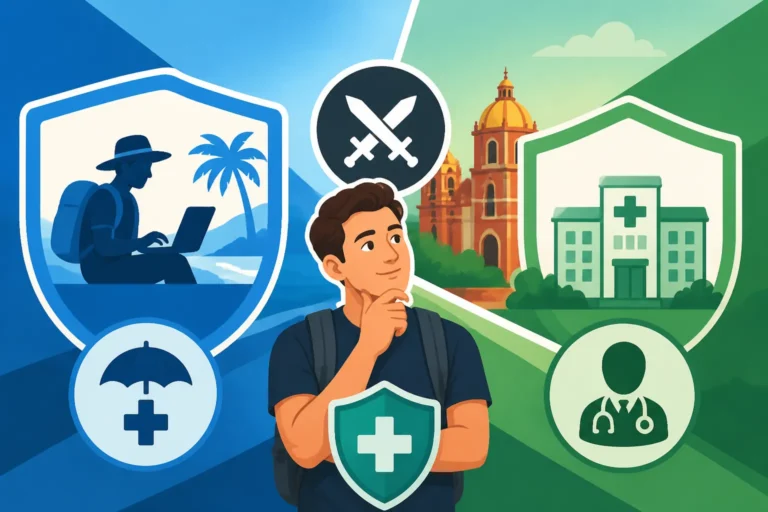
Choosing between relying on the public system and paying for private coverage is a major decision for any expat. IMSS-Bienestar is an incredible safety net, especially for those on a fixed budget or those who have been denied private coverage due to age or pre-existing conditions. Because it is a social program, it doesn't "reject" people based on their health history in the way a private company might.
However, the convenience of the private sector is hard to ignore. When you use International Health Insurance for Expats in Mexico, you are paying for the ability to choose your doctor, get an MRI the same day, and stay in a hospital room that feels more like a hotel than a ward. Brands like Cigna Global cater specifically to people who need that level of certainty and English-speaking staff.
For the "digital nomad" crowd or those who travel frequently, a hybrid approach often works best. You can register for IMSS-Bienestar as your "base" in Mexico, but use a plan from SafetyWing to cover you when you are traveling back home or to other countries. This ensures that you are never without some form of protection, whether you are dealing with a stomach bug in Oaxaca or a broken leg in Canada.
Navigating the Language Barrier
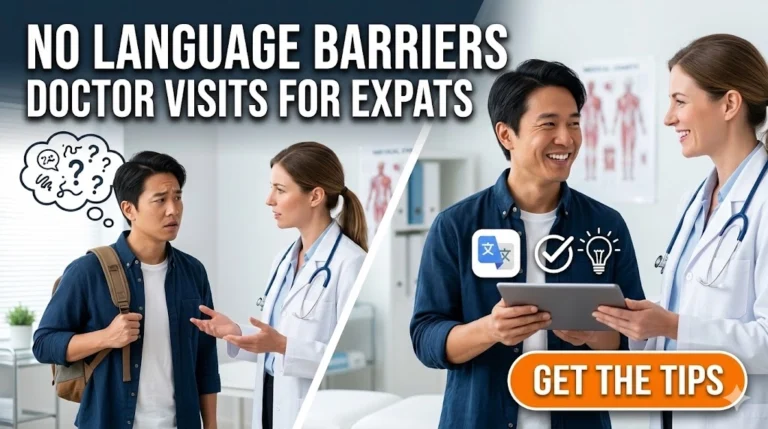
One of the biggest hurdles in accessing Public Healthcare in Mexico: IMSS and IMSS Bienestar Explained for Expats is the language. Unlike high-end private hospitals in Mexico City or Puerto Vallarta, the staff at a local IMSS-Bienestar clinic are unlikely to speak much English. They are working in a fast-paced, high-pressure environment serving the local community.
If your Spanish is still in the "survival" stage, I highly recommend bringing a local friend or hiring a translator for your first few visits. You need to be able to describe your symptoms accurately and, more importantly, understand the instructions for your medication. Using a translation app can work for basic interactions, but for a medical history, it can lead to dangerous misunderstandings.
I’ve found that being incredibly polite and patient goes a long way. Use the formal "Usted" with the doctors and nurses. Being the "demanding foreigner" will not get you faster service; in fact, it usually does the opposite. If you show up with your documents organized, a smile, and a humble attitude, the staff will usually go out of their way to help you navigate the system. For more tips on this, check out Overcoming Language Barriers at the Doctor: Tips for Expats.
Real-Life Scenarios and What to Expect
Let's talk about the actual "day of" experience. Suppose you wake up with a persistent pain in your side. If you choose the IMSS-Bienestar route, you go to your assigned clinic early. You will likely wait in a line to get a "ficha" (a token or spot for the day). Once you have your ficha, you wait again until your name or number is called. This can take several hours.
Once inside with the doctor, the consultation will be professional but brief. They will decide if you need lab work. If you do, you might be scheduled for the labs on a different day. This "multi-day" process is common in public health. It’s not a one-stop-shop experience. You have to be prepared to dedicate significant time to the process.
On the other hand, if you had a specialized plan from Cigna Global, you would likely call a concierge number, get a 2 PM appointment at a top-tier private facility, and have your results by dinner. The "cost" of IMSS-Bienestar isn't money—it's time and patience. For many of us living on a "Mañana" schedule, that’s a trade we are willing to make, but it’s a shock to the system for those used to the efficiency of US or European private care.
Emergency Services and IMSS-Bienestar
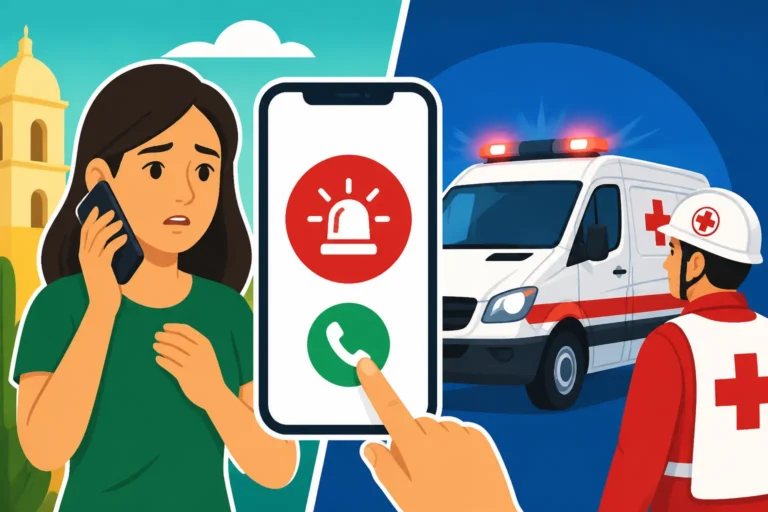
In a true life-or-death emergency, any public hospital in Mexico is required to stabilize you. If you are registered with IMSS-Bienestar, the subsequent care and hospitalization should be covered under the program. However, getting to the hospital is a different story. Public ambulances can be scarce in some regions.
Most expats keep the number of a private ambulance service on their fridge. Even if you plan to use the public hospitals, paying out-of-pocket for a private ambulance can save critical minutes. Once you arrive at an IMSS-Bienestar facility, you or your representative will need to present your carnét immediately to ensure the billing is handled through the program rather than as a private "uninsured" patient. For more details on this, see Calling an Ambulance in Mexico: How Emergency Services Operate.
It is also wise to have a "health folder" ready near your front door. This should include your IMSS-Bienestar ID, a list of your current medications, any allergies, and the contact info for your primary doctor. In the chaos of an emergency, having this information ready for the paramedics and the hospital intake staff is invaluable, especially if you are unable to speak for yourself.
Transitioning from Other Systems
If you previously used the INSABI system, your transition to IMSS-Bienestar should be relatively automatic, but you should still visit your clinic to "refresh" your file. The government is working hard to merge these databases, but "glitches" are common. Taking the initiative to ensure your CURP is correctly linked to the new Bienestar system now will save you a headache later when you actually need a doctor.
For those moving from the US, it is vital to remember that Does Medicare Cover You in Mexico? A Guide for U.S. Retirees is a hard no. You cannot rely on your home country's socialized or government insurance here. This makes getting into the IMSS-Bienestar system even more important as a baseline. Even if you can afford private doctors for 90% of your needs, having that public registration is your ultimate "worst-case scenario" insurance.
In conclusion, accessing IMSS-Bienestar is a straightforward process of residency, documentation, and patience. It represents a significant step forward in Mexico's goal of universal healthcare. While it may not offer the luxury of a private suite, it provides the peace of mind that no matter what happens, you have a right to medical care in the country you now call home.
Disclaimer
This guide is for informational purposes only and does not constitute legal or medical advice. Healthcare regulations and the availability of IMSS-Bienestar programs can change frequently. Always consult with official Mexican government sources or a qualified immigration professional for the most current information regarding your specific residency and healthcare rights.