Nomad Insurance vs a Mexican Private Plan: Cost and Coverage Compared
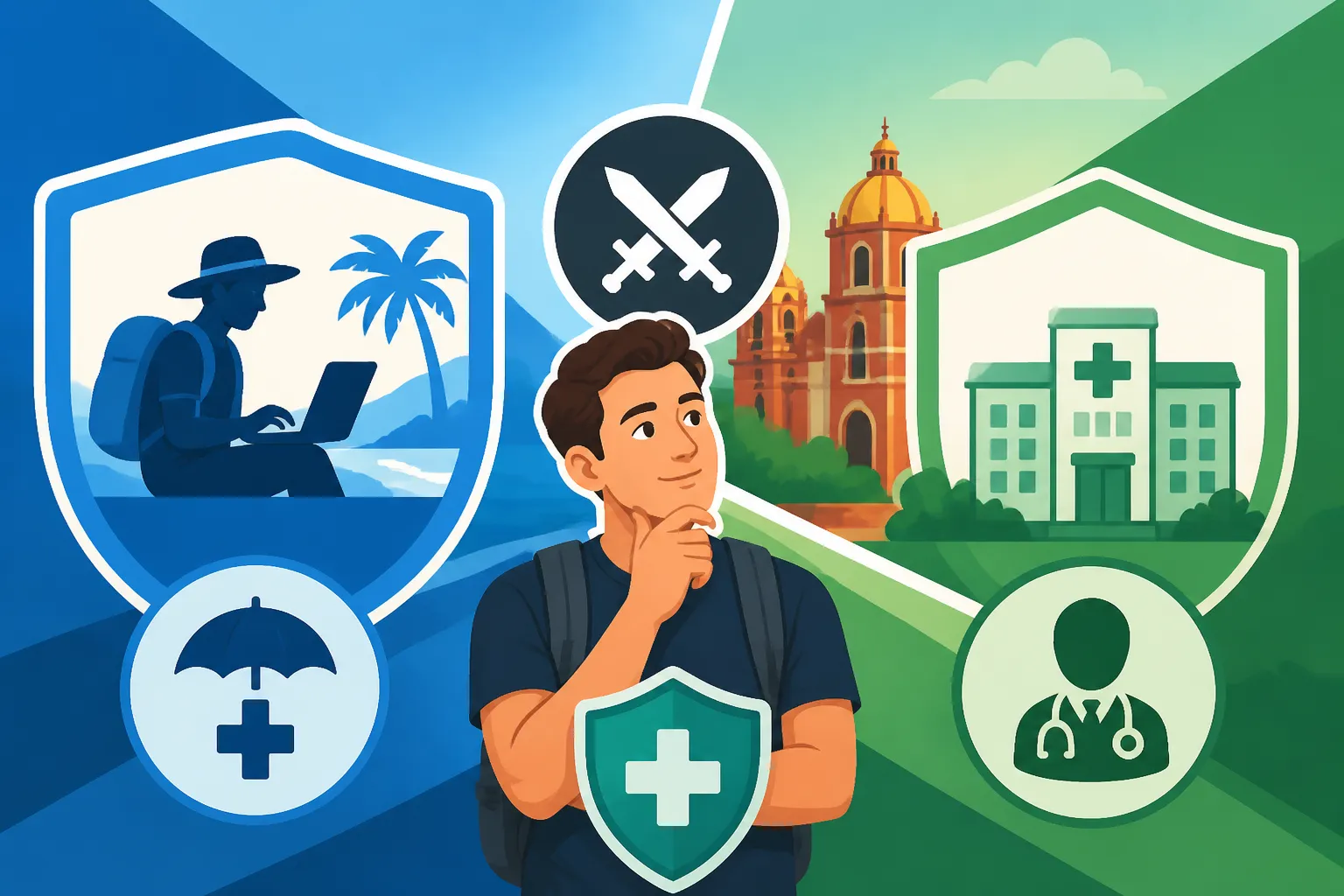
Choosing health insurance in a new country can feel like trying to navigate a bustling Mexican mercado blindfolded – it’s overwhelming, full of unfamiliar terms, and you’re constantly worried about making the wrong choice. Especially when it comes to your health in Mexico, you want to be sure you’re covered without breaking the bank. This comprehensive guide will peel back the layers on two common options for foreigners: flexible nomad insurance, exemplified by options like SafetyWing, and the more traditional Mexican private health plans, helping you compare costs, coverage, and practicalities to make an informed decision for your life here.
Disclosure: This post may contain affiliate links. We may earn a commission at no extra cost to you if you make a purchase through these links. Read full disclosure.
Understanding Nomad Insurance: The Flexible Choice for Expats
When you first arrive in Mexico, or if your lifestyle has you bouncing between countries, the idea of traditional, rigid health insurance can feel… well, confining. That's where nomad insurance steps in, offering a different kind of safety net, particularly for those of us who embrace a more mobile existence.
What is Nomad Insurance and How Does it Work?
Nomad insurance, often called travel medical insurance or international health insurance for digital nomads, is designed for individuals who are living and working outside their home country for extended periods, or who are frequent travelers. Unlike traditional plans that tie you to a specific country's healthcare system, nomad insurance provides a more global approach.
Think of it this way: companies like SafetyWing have carved out a niche for themselves by understanding the unique needs of location-independent individuals. Their core offering, for instance, isn't just about covering you for a two-week vacation; it's about providing continuous travel medical insurance that you can subscribe to on a monthly basis. This flexibility is a game-changer for many expats who might not yet be settled enough for a long-term local plan, or who maintain a fluid travel schedule. It covers you in most countries worldwide, and often even includes a short trip back to your home country, which is a huge relief for those who want to visit family without losing coverage.
The way it typically works is you pay a monthly premium, often very affordable, and you're covered for unexpected medical emergencies, accidents, and some travel-related incidents. When something happens, you usually pay upfront and then file a claim for reimbursement. It's built for convenience and adaptability, catering to a demographic that values freedom of movement as much as peace of mind regarding health.
Key Benefits and Limitations of Nomad Insurance for Mexico
Now, let's talk about the nitty-gritty of how a nomad insurance plan, like those offered by SafetyWing, stacks up when you're specifically in Mexico.
On the benefits side, the affordability is often the first thing that catches people's eye. For relatively healthy individuals, especially younger expats, the monthly premiums can be significantly lower than what you'd pay for a comprehensive local private plan here in Mexico. The global coverage is another massive plus; if you're planning weekend trips to Belize, or a longer stint in Europe, you don't need separate travel insurance. This continuity is a huge relief. Furthermore, the ease of sign-up is often unparalleled. You can typically apply and get approved online in minutes, without the lengthy underwriting processes that traditional insurance often demands. When you're new to the country and don't have all your residency paperwork sorted, this quick access to coverage is incredibly valuable. Many expats find this a perfect interim solution while they figure out their long-term plans.
However, it's crucial to understand the limitations. Nomad insurance is primarily travel medical insurance, not comprehensive local health insurance. This means it excels at covering emergencies, accidents, and acute illnesses, but it's generally not designed for routine check-ups, preventive care, or managing chronic pre-existing conditions on a long-term basis. While some plans might offer limited coverage for things like doctor visits, you'll often have to pay out-of-pocket and seek reimbursement, which can be a hassle and requires careful documentation. Another point to consider is that for non-emergencies, you'll likely be dealing with higher deductibles and possibly co-payments, meaning you'll bear a larger portion of the initial costs.
In the Mexican context, this means that if you sprain your ankle or get a nasty case of Montezuma's Revenge, a plan like SafetyWing will be there for you. But if you want to establish a relationship with a local family doctor for regular screenings, or if you need ongoing treatment for a condition like diabetes, it might fall short. The claims process can sometimes involve more paperwork and waiting for reimbursement compared to the direct billing often offered by local Mexican private plans. Understanding these nuances is key to knowing if this flexible option truly fits your healthcare needs while living in Mexico.
Delving into Mexican Private Health Plans: Local Expertise
While nomad insurance offers freedom, a local Mexican private health plan roots you firmly in the country's healthcare system, often providing a more integrated and familiar experience once you're settled. This option is popular for those planning a long-term stay, especially retirees or families.
How Mexican Private Insurance Operates for Expats
Mexican private health insurance, often referred to as seguro de gastos médicos mayores, operates much like private insurance in many other countries. It focuses on providing comprehensive medical coverage within Mexico, often with extensive networks of hospitals, clinics, and specialists. Major players in this market include long-standing Mexican companies like GNP Seguros, AXA Seguros, and Seguros Atlas, among others. These insurers have established relationships with top-tier private hospitals, such as those in the Hospital Ángeles or Star Médica networks, which are renowned for their quality of care. If you're wondering about the overall healthcare system here, you might find our guide on Healthcare in Mexico: Complete Guide for Expats (Public vs Private) particularly insightful.
Unlike the public IMSS system, which is based on employment or voluntary enrollment with often longer wait times, private plans offer quicker access to doctors and specialists and generally more comfortable facilities. When you choose a private plan, you're usually selecting from a range of coverage levels that dictate your deductible (deducible), co-payment (coaseguro), and the network of providers you can access. These plans are designed to cover everything from routine doctor visits and prescription medications to major surgeries, hospital stays, and specialized treatments, all within the Mexican borders.
For expats, enrolling in a Mexican private plan usually requires you to have some form of legal residency, such as a temporary or permanent resident visa. The application process will involve a medical questionnaire, and the insurer will underwrite your policy based on your age, health history, and any pre-existing conditions. This process can be more involved than signing up for a nomad plan, but it ultimately provides a deeper level of integration and direct billing services that many find invaluable. This means fewer out-of-pocket payments at the point of service and a more streamlined experience when accessing medical care.
Advantages and Disadvantages of Local Mexican Plans
When considering a Mexican private health plan, the advantages for long-term residents are quite clear. The primary benefit is direct billing. Imagine going to a private hospital for a minor procedure or even an emergency; with a local plan, the hospital often bills your insurance company directly, meaning you only pay your deductible and co-payment upfront, instead of the entire bill. This significantly reduces the financial stress during an already difficult time. These plans also have a deep understanding of the local healthcare nuances, from where to find the best specialists to handling specific local prescription needs. Many plans include comprehensive preventive care, regular check-ups, and a wider range of specialist services, which are often not priorities for travel medical policies. If you're thinking about a Healthcare Costs in Mexico: Doctor Visits, Hospital Stays, and Surgery Expenses guide, a local plan helps mitigate these.
However, there are definitely downsides. Cost is often the most significant one. While highly dependent on age, coverage level, and health history, Mexican private plans can be considerably more expensive than nomad insurance, particularly for older individuals or those with pre-existing conditions. Secondly, most Mexican private plans offer little to no coverage outside of Mexico. If you're a frequent international traveler, you might need supplemental travel insurance, or you'd be completely uninsured if something happened outside the country. The underwriting process can also be strict, potentially leading to exclusions for pre-existing conditions for an initial waiting period (often 12-24 months) or even higher premiums.
Another potential hurdle can be the language barrier, particularly when navigating complex policy documents which are primarily in Spanish. While many major insurance companies have English-speaking agents, the specifics of your coverage might require some translation or interpretation. But for those committed to making Mexico their long-term home, the stability, comprehensive local coverage, and the convenience of direct billing often outweigh these disadvantages, making it a solid choice for peace of mind in your adopted country. You can delve deeper into how to choose one in our article on How to Choose Private Health Insurance in Mexico.
Cost Comparison: Where Does Your Peso Go Further?
Let’s be honest, for most of us, the bottom line often comes down to cost. When you're budgeting for expat life in Mexico, every peso counts. Comparing the financial outlay for nomad insurance versus a Mexican private plan requires looking beyond just the monthly premium to understand the full picture of potential expenses.
Breaking Down Nomad Insurance Costs (SafetyWing)
Nomad insurance, particularly options like SafetyWing, operates on a subscription-based model that often feels refreshingly transparent and straightforward. The premiums are typically calculated monthly and are primarily age-based, with younger individuals paying significantly less than older ones. For a healthy individual in their 30s, for example, a basic SafetyWing plan might cost around $45-$55 USD per month, while someone in their 60s could see premiums in the $100-$150 USD range, or more, depending on the specific package and add-ons. This makes it incredibly cost-effective for the younger, healthier expat population.
The base price usually includes global travel medical coverage with a set deductible, say $250 USD, and a maximum out-of-pocket limit. What's often not included, or comes as an additional charge, are things like coverage for travel to your home country (though SafetyWing offers limited coverage for this in their standard plan, which is a big plus for US citizens traveling back to the States for short visits), or enhanced benefits like more comprehensive dental or vision. Always scrutinize what's covered in the base price versus what's considered an add-on, as these extras can quickly drive up your monthly cost.
It’s crucial to understand the impact of deductibles and out-of-pocket maximums. While the monthly premium might be low, if you have a medical incident, you'll be responsible for your deductible before the insurance kicks in. A higher deductible means a lower monthly premium but greater initial out-of-pocket expense if you need care. For minor issues that fall below the deductible, you'll be paying 100% of the cost yourself. This model works best for those who anticipate needing medical care infrequently and primarily for emergencies.
Unpacking Mexican Private Plan Premiums
Mexican private health plan premiums are a different beast entirely. They're usually quoted annually, although many insurers allow you to pay quarterly or monthly. The cost is influenced by a wider range of factors: your age (a major determinant), your medical history and any pre-existing conditions, the chosen level of coverage, and the deductible (deducible) and co-payment (coaseguro) you select. For a relatively healthy individual in their 30s, a decent local private plan could start from $800-$1,500 USD per year, but for someone in their 60s, these costs can easily jump to $3,000-$6,000 USD or even much higher annually, depending on the breadth of coverage. Companies like GNP, AXA, and MetLife are all prominent providers here.
The key terms here are deducible and coaseguro. The deducible is like your deductible in other countries – the fixed amount you pay before your insurance starts covering costs. The coaseguro is a percentage of the remaining medical bill you are responsible for after the deductible is met, often capped at a certain amount. For example, you might have a $20,000 MXN deductible and a 10% coaseguro with a $30,000 MXN coaseguro cap. This means for a large bill, you'd pay the deductible, plus 10% of the remaining amount up to $30,000 MXN. These figures dramatically influence your premium: a higher deductible and coaseguro will result in a lower annual premium, but greater out-of-pocket risk during a medical event.
Long-term cost trends are also a consideration. Premiums for local private plans tend to increase annually, not just due to inflation but also significantly as you age. This is a crucial factor for retirees or those planning to stay in Mexico for many years. It's not uncommon for premiums to jump substantially every five years as you enter a new age bracket, or if your health changes. It's a complex landscape, and understanding How Much Does Private Health Insurance Cost in Mexico? is a big piece of the puzzle.
To give you a clearer picture, here’s a quick comparison of the typical cost structures:
| Feature | Nomad Insurance (e.g., SafetyWing) | Mexican Private Plan (e.g., GNP, AXA) |
|---|---|---|
| Payment Model | Monthly subscription | Annual premium (often payable monthly/quarterly) |
| Primary Cost Driver | Age, selected coverage level | Age, health history, pre-existing conditions, coverage level, deductible/coaseguro |
| Typical Monthly Cost (30s) | $45 – $55 USD | ~$65 – $125 USD (annual converted to monthly) |
| Typical Monthly Cost (60s) | $100 – $150+ USD | ~$250 – $500+ USD (annual converted to monthly) |
| Deductible | Often fixed per incident ($250 USD common) | Fixed per incident (e.g., $10,000 MXN – $50,000 MXN or more) |
| Co-payment/Coaseguro | Not always a feature, or small percentage after deductible | Common: 10-20% of bill after deductible, with a cap |
| Underwriting | Minimal, often instant approval | Detailed medical questionnaire, potential exclusions/waiting periods |
Coverage Deep Dive: What Each Plan Actually Covers
Beyond the price tag, the real value of any health insurance lies in what it actually covers when you need it most. This is where nomad insurance and Mexican private plans really diverge, reflecting their different purposes and target audiences. It’s not just about getting some coverage; it’s about getting the right coverage for your specific life here.
Medical Coverage Differences
Let’s start with what you can expect in terms of fundamental medical coverage. For nomad insurance, like SafetyWing, the focus is squarely on travel medical emergencies and unexpected health issues. This means if you get into an accident, have a sudden acute illness (like a severe infection or a burst appendix), or need emergency surgery, these plans are designed to kick in. They typically cover doctor visits that are medically necessary due to such unforeseen circumstances, hospital stays, and essential prescription medications related to the emergency. For example, if you break your arm while exploring a ruin, SafetyWing would cover the emergency room visit, X-rays, casting, and follow-up appointments directly related to the injury.
Mexican private plans, on the other hand, offer a much broader scope of medical care within the country. These plans cover not only emergencies but also routine doctor visits, regular specialist consultations (whether you need a dermatologist for a skin issue or a cardiologist for heart health), and typically a wider range of diagnostic tests and procedures. With a local plan, you can establish continuity of care with a primary doctor and easily access a network of specialists. For instance, if you want regular check-ups, cancer screenings, or have a chronic condition like high blood pressure that requires ongoing monitoring and prescriptions, a Mexican private plan is built for this. For a comprehensive look at your options, check out our guide on Health Insurance in Mexico: How Expats Can Get Coverage (2027).
The critical difference often lies in what's missing from nomad insurance compared to local plans. Nomad plans rarely cover routine preventive care such as annual physicals, vaccinations, or routine screenings. They might have significant limitations or exclusions for pre-existing conditions, or long waiting periods before any coverage applies. Dental and vision care are almost always extra add-ons, if available at all, with nomad policies. With a local Mexican private plan, while there might be waiting periods for certain complex procedures or pre-existing conditions, the aim is to provide a holistic healthcare solution that allows you to manage both unexpected emergencies and your ongoing health proactively.
Beyond Medical: Additional Benefits and Exclusions
Beyond basic medical care, both types of insurance offer (or explicitly exclude) various benefits that are crucial to consider for expats.
One area where nomad insurance, particularly SafetyWing, shines is in its ancillary travel benefits. These plans almost always include emergency medical evacuation and repatriation. This means if you experience a severe medical emergency that cannot be adequately treated in Mexico, the policy will cover the costs to transport you to a facility in another country (often your home country) that can provide the necessary care. This is a huge comfort for many, knowing that if the worst happens, they won't be stranded or faced with astronomical out-of-pocket transport costs. They also often include coverage for travel delays, lost luggage, and other common travel mishaps, making them a true hybrid travel-medical insurance. Our post on Medical Evacuation Insurance: Do Expats in Mexico Need Airlift Coverage? further elaborates on this vital coverage.
Mexican private plans, while robust in medical coverage within Mexico, generally do not offer international evacuation as a standard benefit unless it's a very high-tier, specialized plan. Their focus is on a comprehensive network and services within the country. However, they are far more likely to include benefits like maternity coverage (often with a waiting period), extensive mental health support, and robust physical therapy options. Some plans may also offer optional riders for dental care (beyond emergency extractions) and vision, which are typically not core to nomad insurance. If you're planning on Having a Baby in Mexico: Maternity Care Options for Foreigners, a local private plan is almost certainly what you'll need.
When it comes to exclusions, both types of policies have them. Elective procedures (like cosmetic surgery), experimental treatments, and self-inflicted injuries are universally excluded. For pre-existing conditions, nomad plans tend to be very limited, often excluding them entirely or covering only acute onset of a pre-existing condition (a sudden flare-up requiring immediate treatment). Mexican private plans will generally cover pre-existing conditions after a waiting period, typically 12 to 24 months from the policy start date, but may have higher premiums or specific exclusions for severe long-term conditions. It's vital to read the fine print on all policies, especially regarding Pre-Existing Conditions: Will Mexican Health Insurance Cover You?, to avoid any nasty surprises down the line.
Practical Scenarios: Which Plan Fits Your Expat Life in Mexico?
Deciding between nomad insurance and a Mexican private plan isn't a theoretical exercise; it’s about aligning the coverage with your actual life, travel habits, and health needs in Mexico. Let’s look at a few common expat profiles.
The Digital Nomad or Short-Term Resident
If your lifestyle involves a laptop, Wi-Fi, and an eagerness to explore new horizons every few months, then nomad insurance, with its inherent flexibility, is likely going to be your hero. This applies perfectly to the digital nomad who might spend three months in Oaxaca, then move to a beach town in Quintana Roo, before heading off to Central America. For this type of expat, the priority is often affordability, ease of management on the go, and continuous coverage no matter where their wanderlust takes them.
Consider a scenario where you're healthy, in your 20s or 30s, and suddenly come down with a severe case of food poisoning in San Miguel de Allende. You visit a private clinic, get rehydrated, and receive antibiotics. A plan like SafetyWing would cover the costs after your deductible, and you can manage the claim process online from anywhere. The beauty is that if you then decide to fly to Colombia next month, your policy seamlessly travels with you. The low monthly subscription is also perfect for those who might not have a steady, high income or who are still exploring if Mexico is their long-term home. It's an excellent stop-gap solution, ensuring you have critical emergency medical coverage without the commitment or higher cost of a local plan.
However, be realistic about its limits. If, during your short-term stay, you discover a new chronic condition that requires ongoing monitoring, regular medications, or specialized treatments (e.g., a new diagnosis of diabetes or an autoimmune disorder), you'll quickly find that nomad insurance isn't built for that sustained, comprehensive care. You'd likely be paying a lot out-of-pocket for specialist visits and ongoing prescriptions, or facing the headache of frequent reimbursements, making you wish you had a local plan for Managing Chronic Illness in Mexico: Access to Medication and Specialists. It's ideal for unexpected, acute situations, but less so for proactive health management or complex, long-term conditions.
The Long-Term Resident or Retiree
For those of us who’ve chosen Mexico as our long-term home, whether for retirement or a settled family life, a Mexican private health plan usually becomes the more practical and reassuring option. This demographic values stability, access to local medical professionals they can trust, and comprehensive coverage for the inevitable health needs that arise with age or a more permanent lifestyle.
Imagine you're a retiree living in Lake Chapala, and you need a knee replacement. This isn't an emergency; it's a planned procedure requiring consultations with an orthopedic specialist, pre-op tests, the surgery itself, and post-op physical therapy. With a reputable Mexican private plan (like those from GNP or AXA), you could work with your chosen doctor, get a referral to a top-tier hospital (perhaps one of the Hospital Ángeles facilities in Guadalajara), and your insurance would handle the direct billing, leaving you responsible only for your deductible and coaseguro. This kind of seamless, integrated care for planned procedures and ongoing health management is the cornerstone of local private insurance. It also covers things like regular physicals, which become increasingly important as we get older, and can even offer benefits for Senior Care in Mexico: Assisted Living and Home Care Options.
The value here is the deep integration into Mexico's private healthcare system. You're not just covered for emergencies; you're covered for building a long-term relationship with your doctors, managing chronic conditions (after any initial waiting periods), and accessing preventive care. While the premiums are higher, the peace of mind that comes from knowing you have direct access to a comprehensive network, without constantly worrying about reimbursement paperwork for every consultation, is invaluable. For families, these plans often include robust pediatric and maternity coverage, essential for Pediatric Care in Mexico: Healthcare for Expat Children or new parents. While nomad insurance might cover a sudden illness, it simply doesn't offer the continuity and breadth of services a settled expat or retiree truly needs for comprehensive health management in their new home.
Making Your Decision: Considerations for Your Health and Wallet
Choosing health insurance in Mexico is a deeply personal decision, and there’s no one-size-fits-all answer. It truly boils down to weighing your individual circumstances and future plans.
Assessing Your Health Needs and Lifestyle
The first step in making an informed choice is a brutally honest assessment of your current health and your anticipated future needs. Are you generally healthy, rarely visit a doctor, and have no pre-existing conditions? If so, a more cost-effective nomad insurance plan like SafetyWing might be perfectly adequate, especially if you're younger and your stay in Mexico is uncertain. These plans are brilliant for covering the unexpected acute illnesses or accidents that can happen when you're traveling or in a new environment.
However, if you have any pre-existing conditions – be it diabetes, high blood pressure, asthma, or a history of heart issues – a Mexican private plan becomes almost essential. While you might face initial waiting periods for these conditions, once covered, you'll have the framework for consistent, ongoing care, including specialist visits and prescription refills, which are often limited or excluded from nomad policies. Your lifestyle also plays a huge role. Do you travel frequently outside of Mexico? If so, the international coverage of a nomad plan is a clear advantage. If you plan to settle down, establish roots, and rarely leave the country, then the local network and direct billing benefits of a Mexican private plan will serve you better. Don't forget to factor in your budget, your personal risk tolerance, and your comfort level with handling reimbursements versus direct payments.
The Blended Approach: Combining Coverage
For some expats, especially those who appreciate the best of both worlds, a blended approach might be the smartest strategy. This involves having a basic local Mexican private plan for your day-to-day medical needs and routine care within the country, combined with a separate, more robust international travel medical insurance like SafetyWing for when you leave Mexico.
Why would you do this? A local Mexican private plan ensures you have direct access to Mexico's excellent private hospitals and doctors, covering your general health, specialist visits, and planned procedures without the hassle of upfront payments and reimbursements. It means you can get your annual check-ups, manage chronic conditions, and feel fully integrated into the local healthcare system. However, as we discussed, most local plans offer very limited, if any, coverage outside of Mexico. This is where a nomad insurance plan can step in. When you travel internationally, your nomad policy provides that critical emergency medical coverage, including emergency evacuation, ensuring you're protected no matter where your travels take you. You can read more about this in our article Travel Insurance vs Local Insurance: Do Expats Need Both?.
Of course, this approach means paying two separate premiums, which will be the most expensive option. But for those who demand absolute peace of mind for both their life in Mexico and their international travels, and whose budget allows for it, it can be the ideal solution. It eliminates the gaps in coverage that either plan might have individually and provides truly comprehensive protection tailored to the unique, mobile expat lifestyle.
Disclaimer
The information provided in this article is for general informational purposes only and does not constitute professional medical, financial, or legal advice. Healthcare costs, insurance policies, and immigration regulations in Mexico are subject to change. Always consult with a qualified insurance professional, financial advisor, or immigration lawyer for advice tailored to your specific situation before making any decisions. We strive for accuracy, but cannot guarantee that all information is up-to-date at all times.