LGBTQ+ Expats in Mexico: Community and Cultural Attitudes
Moving to a foreign country while navigating a marginalized identity adds a terrifying layer of complexity to relocation. I remember intensely researching whether holding my partner’s hand in a local Mexican plaza would invite hostility or simple curiosity. This guide breaks down the current legal rights, cultural nuances, and logistical realities for LGBTQ+ expats seeking a safe, vibrant, and authentic life in Mexico.
Disclosure: This post may contain affiliate links. We may earn a commission at no extra cost to you if you make a purchase through these links. Read full disclosure.
The Legal Landscape: LGBTQ+ Rights in Mexico Today
Before packing your bags and dreaming of a beachfront retirement, you must understand the legal foundation that will protect your family. The gap between federal law and local state enforcement in Mexico can be confusing, but the overall trajectory has been overwhelmingly positive.
Nationwide Marriage Equality and Constitutional Protections
For years, expats looking to relocate with their same-sex spouses faced a patchwork of confusing state laws. Thankfully, that era has officially ended. As of October 2022, same-sex marriage is completely legal and recognized in all 32 Mexican states. Whether you get married on the beaches of Quintana Roo or the mountains of Jalisco, your union is legally protected.
Furthermore, the Mexican Constitution was amended in 2011 to explicitly prohibit discrimination based on sexual orientation. This means that, at a federal level, you are protected against discrimination in employment, housing, and access to public services. While the reality on the ground can sometimes lag behind the federal mandate, having this constitutional bedrock provides immense legal leverage and peace of mind for foreign couples establishing their lives. If you are preparing the legal documents to bring your spouse across the border, reviewing the broader logistical requirements in Mexico Immigration Fees and Costs: Budgeting for Your Residency is a crucial next step.
Transgender Rights and Legal Gender Recognition
The legal landscape for transgender expats and locals is significantly more complex than the fight for marriage equality. Legal Gender Recognition (LGR)—the ability to change your gender marker and name on official government documents—is not federally unified.
Currently, roughly two-thirds of Mexican states allow transgender individuals to update their official documents through a simple administrative process, rather than a grueling, pathologizing court battle. Mexico City (CDMX) has been a pioneer in this regard, offering highly progressive legal frameworks. However, as an expat, your gender marker is primarily dictated by your home country’s passport. If your home country allows you to update your passport, the Mexican immigration authority (INM) will generally process your residency cards to match that foreign passport.
If you require gender-affirming healthcare, Mexico boasts highly skilled endocrinologists and surgeons, particularly in major urban centers. However, accessing hormone replacement therapy (HRT) requires navigating the local pharmacy system. While many medications are available, ensuring a consistent supply of specific hormones requires strategic planning. To understand the intricacies of local medical supplies, consult Pharmacies in Mexico: How to Get Medications OTC vs Prescription.
Navigating Residency Visas for Same-Sex Spouses
One of the greatest fears for married LGBTQ+ expats is whether the Mexican government will recognize their foreign marriage certificate for immigration purposes. The answer is a resounding yes. The Mexican National Institute of Migration (INM) fully recognizes legal same-sex marriages performed abroad.
If you qualify for a Temporary or Permanent Resident Visa based on economic solvency, you can absolutely sponsor your same-sex spouse for a dependent visa (Vínculo Familiar). To do this, your foreign marriage certificate must be officially Apostilled by the issuing state or country and translated into Spanish by a certified Mexican translator (Perito Traductor). The consular agent will process your application exactly as they would for a heterosexual couple.
Navigating the bureaucratic hurdles of immigration is stressful for any family. To ensure your paperwork is flawless and you do not face rejections at the consulate, you must meticulously follow the steps outlined in How to Apply for Temporary Residency in Mexico: Step-by-Step.
Cultural Attitudes: Between Tradition and Progression
Legal rights are vital, but your day-to-day happiness relies on cultural acceptance. Mexico is a country of profound contrasts, where deeply entrenched traditional values coexist alongside incredibly vibrant, progressive communities.
The Influence of Religion and Machismo
Mexico is predominantly a Catholic nation. In many smaller, rural towns, conservative religious values still dictate social norms, and the culture of machismo—a rigid, hyper-masculine expectation of male behavior—remains prevalent. In these areas, LGBTQ+ individuals may face silent judgment, whispering, or social exclusion, though outright physical violence against foreign expats is exceedingly rare.
However, you must separate the institutional stance of the church from the warmth of the Mexican people. Family is the ultimate pillar of Mexican society. As younger generations become more progressive, many traditional families are embracing their queer children, prioritizing familial love over religious dogma. As an expat, you will often find that locals prioritize hospitality and respect (educación) above all else. If you are polite, respectful, and attempt to speak Spanish, you will generally be met with immense warmth, regardless of your sexual orientation.
Public Displays of Affection and Daily Safety
The question of Public Displays of Affection (PDA) is highly situational. In designated LGBTQ+ safe zones like the Zona Romántica in Puerto Vallarta or the Zona Rosa in Mexico City, holding hands, kissing, and openly displaying affection is completely normalized. You will see rainbow flags hanging from balconies and same-sex couples walking their dogs without a second glance.
Outside of these bubbles, discretion is often advised. In a traditional neighborhood (colonia) or a rural pueblo mágico, holding hands might elicit prolonged stares or surprised looks. It is rarely dangerous, but it can be uncomfortable. Many veteran LGBTQ+ expats adopt a chameleon approach, matching their level of public affection to the vibe of their immediate surroundings. Safety in Mexico is largely about situational awareness; understanding these neighborhood dynamics is just as critical as researching your housing options, which you can explore in Real Estate in Mexico: Renting vs Buying for Expats.
Indigenous Acceptance and the Third Gender
It is a massive misconception to assume that queer acceptance in Mexico is entirely a modern, Western import. Long before Spanish colonization, various indigenous cultures in Mexico embraced fluid gender identities and sexualities.
The most famous example is the Zapotec culture in the southern state of Oaxaca, specifically in the Isthmus of Tehuantepec region. They recognize a traditional third gender known as Muxe. Muxes are assigned male at birth but adopt roles, behaviors, and dress traditionally associated with women. Rather than being marginalized, Muxes are highly respected, considered a blessing to their families, and play crucial roles in local commerce and community organizing. Understanding this deep, pre-colonial history of gender fluidity provides expats with a much richer, more nuanced appreciation of Mexican diversity.
Top LGBTQ+ Expat Hubs in Mexico
While you can technically live anywhere, establishing a support network is critical to surviving the initial culture shock of moving abroad. These three hubs offer established infrastructure, vibrant queer communities, and total safety.
Puerto Vallarta: The Beachfront Gayborhood
Puerto Vallarta, specifically the neighborhood known as the Zona Romántica, is arguably the most famous LGBTQ+ destination in all of Latin America. It is not just a vacation spot; it is a fully functioning gay metropolis on the beach.
The Zona Romántica features dozens of gay-owned and operated businesses, from boutique hotels and co-working cafes to massive nightclubs and drag venues. The local expat community is incredibly tight-knit and fiercely protective of its inclusive culture. If you are a queer expat looking for instant community, daily social events, and a vibrant beach lifestyle, Puerto Vallarta is unmatched.
However, this popularity comes with a premium. Rent in the Zona Romántica has skyrocketed, and the dense nightlife means it is rarely quiet. When evaluating if this high-energy environment aligns with your retirement or remote work goals, you must calculate the local cost of living.
Mexico City (CDMX): The Urban Cosmopolitan Scene
If you prefer world-class museums, high-end gastronomy, and a fast-paced urban lifestyle, Mexico City is a spectacular choice. The city is highly progressive, having legalized same-sex civil unions long before the rest of the country.
The traditional heart of the LGBTQ+ scene is the Zona Rosa, located in the Juárez neighborhood. It is packed with gay bars, clubs, and queer-friendly cafes. However, many expats also flock to the adjacent, leafy neighborhoods of Roma Norte and Condesa, which offer a more relaxed, bohemian vibe while remaining fiercely inclusive. Mexico City provides a diverse, intersectional queer community that attracts artists, tech workers, and digital nomads from across the globe.
Merida and the Emerging Yucatan Community
For expats who find Mexico City too chaotic and Puerto Vallarta too heavily focused on nightlife, Merida is rapidly emerging as the perfect middle ground. Located in the Yucatan Peninsula, Merida is consistently ranked as the safest city in Mexico.
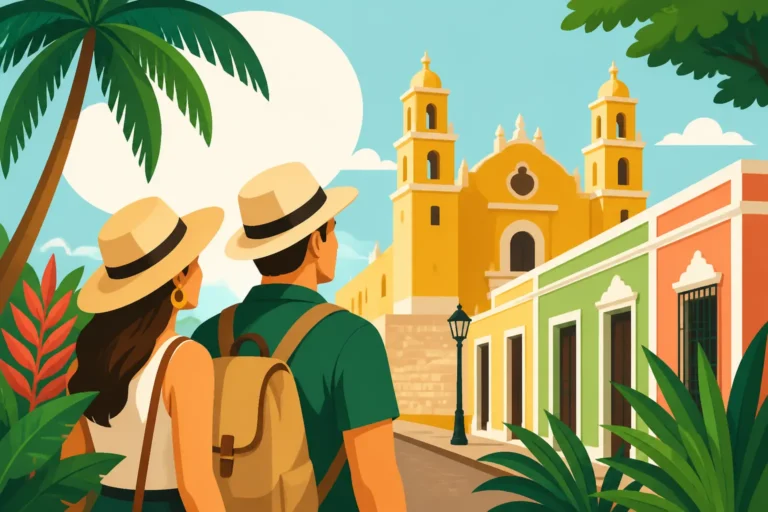
While historically conservative, Merida is experiencing a cultural renaissance. A younger, progressive generation and an influx of international expats have fostered a quiet but deeply supportive LGBTQ+ community. There are several gay bars in the historic center, and the city hosts a highly attended annual Pride parade. It offers a sophisticated, culturally rich lifestyle characterized by stunning colonial architecture and world-class culinary traditions.
| LGBTQ+ Hub | Vibe & Lifestyle | Cost of Living | Best Suited For |
| Puerto Vallarta (Zona Romántica) | Beachfront, high-energy nightlife, massive expat presence | High | Retirees, social butterflies, beach lovers |
| Mexico City (CDMX) | Urban, cosmopolitan, foodie, culturally intense | High (in central hubs) | Digital nomads, young professionals, artists |
| Merida (Yucatan) | Extremely safe, colonial charm, scorching heat | Medium | Introverts, couples, those seeking quiet immersion |
Healthcare and Logistics for Queer Expats
Your physical and mental well-being is the foundation of a successful life abroad. Navigating the Mexican healthcare system requires specific strategies for LGBTQ+ individuals.
Accessing LGBTQ+ Competent Medical Care
Finding a doctor who is not just tolerant, but actively competent in LGBTQ+ healthcare, is vital. In major hubs like CDMX and Puerto Vallarta, there are private clinics that cater specifically to the queer community. These clinics provide judgment-free STI testing, mental health counseling, and specialized care.
A major concern for many gay expats is access to PrEP (Pre-Exposure Prophylaxis) and HIV management. While PrEP is technically available through the public IMSS system, the bureaucracy and wait times make it highly impractical for foreigners. Most expats choose to purchase PrEP out of pocket from private specialized clinics or pharmacies.
A severe medical emergency, however, requires robust financial protection. The public healthcare system will not protect your assets if you require complex, catastrophic care. To shield yourself from terrifying private hospital bills, you must secure international health coverage. To compare how these policies operate and why local plans often fall short, consult Choosing Private Health Insurance: Local Mexican Plans vs International Coverage. Furthermore, understanding the divide between the public and private tiers is essential; review Healthcare in Mexico: Complete Guide for Expats Public vs Private.
Connectivity and Remote Work as an LGBTQ+ Nomad
If you are moving to Mexico as a digital nomad, securing reliable internet and a safe landing pad is your first logistical hurdle. You cannot afford to lose a client because your Wi-Fi dropped, nor do you want to rent an apartment from a homophobic landlord sight-unseen.
To bridge your arrival and instantly tap into a vetted, inclusive community, veteran queer nomads heavily utilize Selina. Booking a private room or a co-living suite at a Selina location for your first 30 days is a strategic masterclass. Whether you land in Oaxaca, Sayulita, or Mexico City, Selina provides commercial-grade internet and an inherently progressive, welcoming environment. You can walk downstairs to the co-working space and instantly network with other LGBTQ+ remote workers who can recommend safe neighborhoods and trustworthy local landlords.
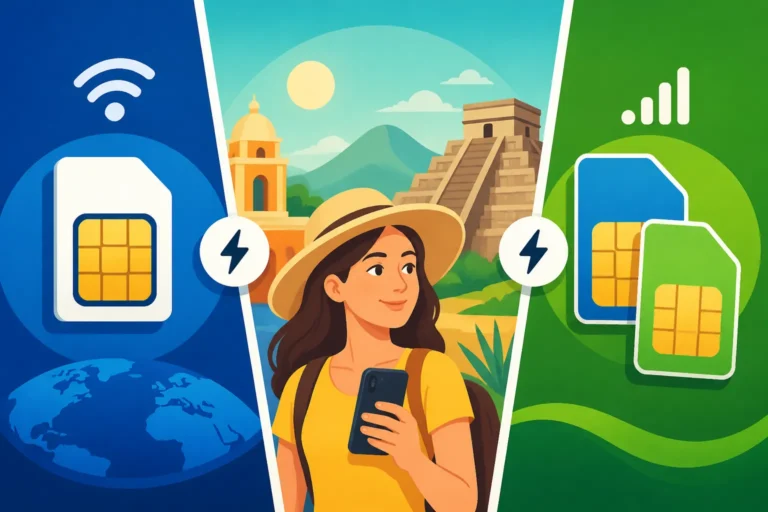
Furthermore, you must localize your cellular data the absolute second your plane lands. By downloading an eSIM profile through Airalo, you instantly connect to Mexico’s premier cellular networks without having to hunt down a physical store. Having an Airalo data package ready allows you to use GPS to safely navigate unfamiliar streets, use translation apps to communicate, and access queer dating and meetup apps the moment you arrive. Airalo ensures you are never disconnected during the most vulnerable phase of your relocation. To master the broader logistics of remote work, read Digital Nomads in Mexico: Remote Work Guide.
Securing Housing and Avoiding Discrimination
While the constitution prohibits housing discrimination, informal prejudice can still exist. When searching for long-term rentals outside of the primary expat bubbles, it is sometimes strategic to use an LGBTQ-friendly real estate agent (asesor inmobiliario). These professionals know exactly which neighborhoods and building management companies are genuinely welcoming and which might cause administrative friction for same-sex couples trying to co-sign a lease.
Once you secure an unfurnished apartment, outfitting it can be a logistical nightmare in a new country. Instead of dealing with the exhaustion of local big-box stores and arranging complex deliveries in Spanish, many queer expats rely on Amazon Mexico. Utilizing the localized Amazon Mexico platform allows you to order everything from high-quality mattresses and ergonomic home-office gear to pride flags and specialized personal care items with complete privacy. Amazon Mexico bypasses international customs delays and delivers reliably to your front door, allowing you to quickly transform an empty space into your personal sanctuary.
Building Your Community and Thriving Abroad
Surviving the logistics is only half the battle; the true goal is to build a vibrant, fulfilling life in your new country.
Pride Celebrations and Expat Networking
Mexicans know how to throw a party, and their Pride (Marcha del Orgullo) celebrations are nothing short of spectacular. The Mexico City Pride parade in June is one of the largest in the world, drawing millions of attendees. Puerto Vallarta hosts its own massive, week-long Pride festival in May, featuring beach parties, cultural exhibitions, and charity galas.
Attending these events is the easiest way to plunge into the local community. Beyond the massive parades, look for local LGBTQ+ Facebook groups, queer-friendly sports leagues (like fronton or volleyball clubs), and language exchange meetups. Finding your tribe is the ultimate antidote to the inevitable homesickness that hits during your first year.
Escaping the “Expat Bubble”
While it is incredibly comforting to surround yourself with fellow English-speaking queer expats, staying entirely within this bubble severely limits your experience of Mexico. The local Mexican LGBTQ+ community is fierce, highly organized, and deeply involved in political activism and mutual aid.
Make an effort to learn Spanish. Volunteer with local non-profits that support vulnerable queer youth or provide HIV outreach to rural communities. By stepping outside the expat enclave and contributing to the local ecosystem, you transform from a perpetual tourist into an integrated, respected resident. If you find the emotional toll of culture shock overwhelming, seeking professional support is vital. To learn how to find English-speaking, LGBTQ-affirming therapists locally, read Mental Health Services in Mexico: Finding Therapy and Psychiatric Care for Expats.
Creating a Safe, Welcoming Home Environment
Ultimately, your goal is to build a life where you feel entirely safe and celebrated. Mexico offers a beautiful, chaotic, deeply soulful backdrop for that life. By understanding the legal landscape, respecting the cultural nuances, and fiercely protecting your logistical and physical health, you can build an extraordinary chapter abroad.
Embrace the vibrant chaos, lean into the warmth of the local culture, and never compromise on your authenticity. The Mexican queer community is waiting to welcome you with open arms.
References
Primary sources (official)
- Secretaría de Relaciones Exteriores (SRE): The official Mexican government portal detailing the legal requirements for family unity visas (Vínculo Familiar), confirming the recognition of foreign same-sex marriage certificates. https://sre.gob.mx/visas
Other helpful sources
- Equaldex: A highly comprehensive, constantly updated database tracking the legality of same-sex marriage, transgender rights, and public attitudes across individual Mexican states. https://www.equaldex.com/region/mexico
- Human Rights Watch: An authoritative NGO providing deep analysis on the progress and ongoing challenges regarding legal gender recognition and queer safety in Mexico. https://www.hrw.org/americas/mexico
Disclaimer
The information provided in this guide is for educational, logistical, and informational purposes only and does not constitute formal legal, immigration, or medical advice. Mexican immigration laws regarding dependent visas, state-by-state variations in legal gender recognition, and anti-discrimination enforcement are complex and subject to change. Always consult with a certified bilingual Mexican attorney or a registered immigration facilitator to review your specific documentation, and rigorously verify medical coverage networks with your health insurance provider before relocating abroad.