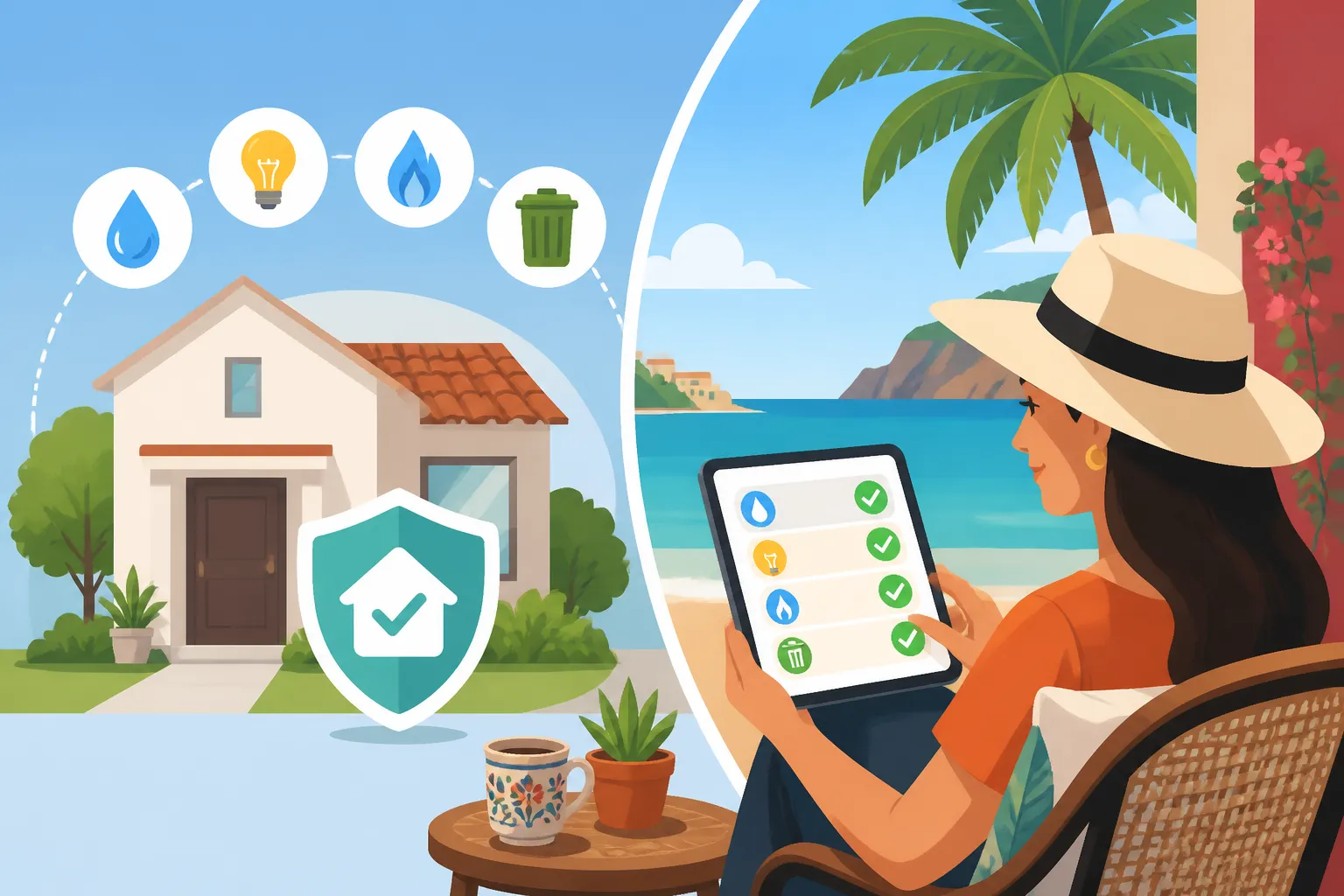
Keeping a Property at Home While Living in Mexico: Paying Bills Remotely
Making the leap to live in Mexico is an incredible adventure, but for many of us, it means leaving a piece of our lives back home – often, a property. The thought of managing your house, apartment, or even just a utility bill from a different country, especially with time zones, banking hurdles, and currency conversions, can feel like a monstrous administrative headache. This guide is for every expat wrestling with that reality, offering practical, empathetic advice on how to seamlessly pay bills remotely, making your life in Mexico just a little bit smoother.
Disclosure: This post may contain affiliate links. We may earn a commission at no extra cost to you if you make a purchase through these links. Read full disclosure.
The Unique Challenges of Long-Distance Home Management
It’s one thing to move to Mexico and embrace the vibrant culture, delicious food, and slower pace of life. It’s quite another to do all that while constantly fretting about whether the mortgage payment went through back home, if the property taxes were paid, or if the HOA fees cleared. The distance amplifies every small financial task into a potential source of anxiety, and I’ve seen countless expats struggle with this. It’s a common story, and it’s completely valid to feel overwhelmed.
Time Zones and Communication Gaps
Let’s be honest, trying to call your bank or utility company back home from Mexico can be a nightmare. When it’s midday and you’re enjoying a taco in Oaxaca, your bank in New York might just be opening, or worse, already closed. This seemingly minor detail can throw a huge wrench into urgent matters. You find yourself setting alarms for odd hours, sacrificing precious sleep or social time, just to catch a customer service representative. And even when you do connect, the call quality can be spotty, adding another layer of frustration. Then there's the back-and-forth of emails, often resulting in delays because of differing business hours. It feels like you’re always playing catch-up, and that’s a draining way to live your expat dream.
Currency Exchange Headaches and Hidden Fees
Ah, the joy of currency exchange! When you’re living in Mexico, earning or receiving funds in pesos, but needing to pay bills in dollars, euros, or pounds, you enter a minefield of unfavorable exchange rates and insidious hidden fees. Your bank in Mexico might offer a decent rate, but then slap on a hefty international transfer fee. Your home bank, on the other hand, might offer to convert your pesos at a dismal rate. It’s a constant battle to find the “best” rate, which often feels like choosing the lesser of two evils. Over time, these small losses add up, slowly but surely eroding your hard-earned money. Many expats just accept it as the cost of living abroad, but it doesn't have to be that way. It's truly infuriating to see your money disappear into the black hole of international banking.
The Stress of Missed Payments and Penalties
Nothing triggers panic quite like a forgotten due date for a bill back home. Imagine you’re enjoying a beautiful sunset over the Pacific, only to remember that your property insurance payment was due yesterday, and now you’re facing late fees or, worse, a lapse in coverage. The fear of penalties, damaged credit scores, or even foreclosure is very real for expats trying to juggle finances across borders. It's not just the financial hit; it's the mental load. That nagging worry in the back of your mind – "Did I pay that one?" – can overshadow all the wonderful experiences you're having in Mexico. It’s a constant source of low-level stress that many of us carry, simply because the system isn't designed for our international lives.
Traditional Methods of Paying Home Bills from Mexico and their Pitfalls
Before the advent of modern fintech solutions, we expats had to rely on a mix of desperate measures and inconvenient banking processes to manage our finances back home. I’ve tried most of them, and let me tell you, they come with their own set of unique frustrations. It's like trying to fit a square peg in a round hole – eventually, it might work, but it's rarely efficient or stress-free.
Relying on Family or Friends (The "Favor Bank" Dilemma)
This is perhaps the most common, and often the most guilt-inducing, strategy. You ask a trusted family member or a close friend to handle your mail, deposit checks, or even physically go to the bank to make payments. Initially, it feels like a lifesaver. You send them money, usually via a quick transfer, and they take care of it. But the "favor bank" has its limits. Your loved ones have their own lives, and constantly asking them to run errands for you can strain relationships. What starts as a helpful gesture can quickly become a burden, leading to awkward conversations or, worse, bills being missed because they simply forgot amidst their own responsibilities. It’s a precarious way to manage your finances, relying on the goodwill of others. While well-intentioned, it’s not a sustainable or respectful long-term solution.
International Bank Transfers (Slow, Costly, and Complicated)
Then there are the traditional international bank transfers, typically SWIFT transfers. These are the old-school workhorses of cross-border money movement, but they often feel like they belong in a museum. They are notoriously slow, taking several business days to arrive, which can be problematic if you're dealing with a tight deadline. The fees are also significant, usually a flat rate that eats into smaller transfers, plus often hidden intermediary bank fees that pop up unexpectedly. The process itself can be a maze of forms, SWIFT codes, IBANs, and correspondent bank details. One wrong digit, and your money could be lost in transit for weeks, requiring endless calls and follow-ups. Many expats open a Mexican bank account to manage their local finances, but linking it effectively and cheaply to international payments remains a puzzle with traditional methods. You end up paying more and waiting longer, all while crossing your fingers that the money actually arrives where it's supposed to.
Using Home Country Bank Accounts (Limited Access and High FX Rates)
You might think, "Well, I'll just keep my home country bank account and manage everything from there!" And yes, for some direct debits, this works. But what happens when you need to fund that account from Mexico? You're back to international transfers, with their associated costs and delays. Or perhaps you rely on a debit card from your home country, but when you use it for purchases or withdrawals in Mexico, you're hit with foreign transaction fees and your bank's often unfavorable exchange rates. Moreover, managing your primary finances from a bank account not linked to your current residency in Mexico can raise flags, especially if you're trying to prove economic solvency for Mexican residency. It’s also often difficult to manage certain aspects of your home account online from abroad due to IP restrictions or two-factor authentication issues tied to a phone number you no longer use. It’s a system designed for residents, not for expats living a truly international life.
Streamlining Your Finances with Modern Solutions: Why Wise is a Game Changer
This is where modern financial technology steps in to save the day, and for many expats, Wise has become the absolute hero. I’ve personally experienced the frustration of traditional banking, and platforms like Wise are built specifically to address these cross-border headaches. It's not just another app; it's a fundamental shift in how we manage our international money, offering transparency, speed, and real savings.
Effortless International Transfers: How Wise Works
At its core, Wise (formerly TransferWise) bypasses the convoluted and costly SWIFT system for many popular currency routes. Instead, it uses a clever "local-to-local" transfer model. When you send money from Mexico to, say, the US, you transfer pesos to Wise's local account in Mexico. Then, Wise pays out the equivalent in US dollars from its local US account to your recipient. This eliminates international fees and speeds up the process dramatically. It's like having local bank accounts in dozens of countries, all connected through one platform. Need to pay a utility bill or your mortgage back home? You simply initiate the transfer from your Mexican bank account to Wise, specifying the recipient's details in your home country. It’s straightforward, fast, and removes much of the stress associated with moving money across borders. Many transfers arrive within hours, sometimes even minutes, a stark contrast to the days-long wait of traditional banks.
Real Exchange Rates and Transparent Fees: Saving You Money
One of the biggest pain points for expats is always the exchange rate. Banks often inflate their exchange rates, adding a hidden markup that benefits them, not you. Wise is different. They are committed to using the real, mid-market exchange rate – the one you see on Google or Reuters – without any hidden markups. Their fees are completely transparent: a small, upfront percentage or fixed fee that you see clearly before you confirm the transfer. This transparency is a breath of fresh air. You know exactly how much you're sending, how much the recipient will get, and what the total cost is. This commitment to fairness means you're not unknowingly losing money on every transaction. Over time, these savings truly add up, whether you're paying a small bill or sending a larger sum. It's about empowering you to keep more of your money, which is crucial when you're managing a Cost of Living in Mexico: 2026 Comprehensive Guide.
Setting Up Recurring Payments: Automation for Peace of Mind
The best way to combat the stress of missed payments is automation. Wise allows you to set up recurring transfers, which is a game-changer for regular bills like mortgages, rent, property taxes, or insurance premiums back home. You can schedule payments for specific dates, and Wise will handle the currency conversion at the prevailing mid-market rate. This feature alone can eliminate a huge portion of that nagging worry in the back of your mind. No more setting alarms or trying to remember due dates; once it's set up, Wise takes care of it. This automation is incredibly freeing, allowing you to focus on your life in Mexico without constantly monitoring your finances across continents. It’s financial management on autopilot, giving you the peace of mind you deserve.
Managing Multiple Currencies with the Wise Multi-Currency Account
Beyond just sending money, Wise offers a multi-currency account that acts like a borderless bank account. You can hold balances in over 50 currencies, including Mexican Pesos, US Dollars, Canadian Dollars, Euros, and British Pounds. This is incredibly powerful for expats. It means you can receive money in various currencies, store it, and then convert it only when the exchange rate is favorable, or use it directly to pay bills in that currency. For example, if you rent out your property back home and receive rent in USD, you can hold those USD in your Wise account and use them directly to pay your property manager, HOA fees, or utility bills, avoiding unnecessary conversions to pesos and back again. The account comes with local bank details for up to 10 different currencies, allowing you to function like a local in those countries. This makes it a fantastic tool for managing diverse income streams and expenses across borders, offering flexibility and control that traditional banks simply can't match. This feature is particularly useful for those who need to Transferring Money Internationally: Best Ways to Send Money to/from Mexico frequently.
Practical Steps for Setting Up Your Remote Bill Payments with Wise
Transitioning to a new system might seem daunting, but setting up with Wise is remarkably straightforward. Think of it as investing a little time now to save yourself a lot of headaches (and money!) down the line. It's about taking control of your cross-border finances once and for all.
Gathering Your Home Property's Bill Information
Before you even touch the Wise app, get organized. This means compiling all the necessary information for the bills you intend to pay. This includes:
- Recipient Name: The exact name of the utility company, mortgage lender, or property manager.
- Bank Name: The bank where the recipient holds their account.
- Account Number: The specific bank account number for each bill.
- Routing/Sort Code/SWIFT/IBAN: Depending on the country, you’ll need the correct bank identifier.
- Reference Number: Any specific reference number or account ID that needs to be included with the payment to ensure it’s correctly attributed (e.g., your utility account number, mortgage reference).
- Due Dates: Keep a master list of all due dates to help you set up recurring payments or plan one-off transfers.
- Payment Amounts: The typical amount due for each bill, which helps with budgeting.
A simple spreadsheet can be your best friend here. Having this information readily available will make the setup process smooth and prevent errors. Remember, accuracy is key to successful international transfers, especially when you are setting up recurring payments for critical bills like your mortgage or homeowners and renters insurance in Mexico.
Funding Your Wise Account from Mexico
Once your Wise account is set up and verified (which usually involves a quick ID check, just like any other financial service), you’ll need to add funds from your Mexican bank account.
- Log in to Wise: Access your account via the app or website.
- Select "Send Money" or "Add Money": If you’re making a direct transfer, choose "Send Money." If you want to top up your multi-currency account first, choose "Add Money."
- Choose Currencies: Indicate that you are sending from Mexican Pesos (MXN) to the currency of your home country (e.g., USD, EUR, GBP).
- Enter Amount: Specify how much you want to send. Wise will immediately show you the exact exchange rate, the fee, and how much the recipient will receive. This transparency is key to Managing Your Money in Mexico: Budgeting, Saving, and Currency Tips.
- Choose Funding Method: You’ll typically fund your Wise transfer via a local bank transfer (SPEI) from your Mexican bank account. Wise will provide you with their Mexican bank details (a CLABE number and recipient name) for you to send the pesos to.
- Initiate Transfer from Your Mexican Bank: Log into your Mexican online banking or mobile app, and make a standard SPEI transfer to the Wise CLABE provided. This is usually very quick and cost-effective within Mexico.
Once Wise receives your pesos, they will process the international transfer according to the details you provided. It’s a beautifully simple process, designed for people like us who live across borders.
Making Your First Payment: A Step-by-Step Walkthrough
Let's walk through an example: paying your US mortgage from your Mexican bank account via Wise.
- Log into Wise: Open the Wise app or website.
- Click "Send Money": You'll see this prominently displayed.
- Enter Amounts: Input the amount you need to pay in USD. Wise will automatically show you how many MXN pesos you'll need to send to cover that amount, including the transparent fee. This is a great way to monitor your Currency Exchange in Mexico: Getting the Best Rates on Pesos.
- Choose Recipient: You can either add a new recipient or select an existing one if you've paid them before. For your mortgage, the recipient would be your mortgage company.
- Add Recipient Details: Carefully enter the mortgage company's bank details: their bank name, account number, and routing number. Crucially, in the "Reference" or "Memo" field, include your mortgage account number. This is vital so your payment is correctly applied.
- Review and Confirm: Double-check all the details. This is your last chance to catch any errors. The Wise system is designed to be very clear about what you're doing.
- Choose How to Pay Wise: Select "Bank transfer" (SPEI) and Wise will provide you with their Mexican CLABE and bank name.
- Initiate SPEI Transfer: Go to your Mexican bank's app or online portal and send the exact peso amount specified by Wise to their CLABE. Make sure you do this quickly, as exchange rates can fluctuate, and Wise typically locks in your rate for a short period (usually 24-48 hours).
- Track Your Transfer: Wise will send you email updates and you can track the status of your payment directly in the app. You'll get notifications when the money is received by Wise and when it’s delivered to your mortgage company’s account. It’s a seamless process that removes a huge amount of guesswork and worry, allowing you to manage essential responsibilities like your Home Utilities in Mexico: Setting Up Electricity, Water, Gas, and Internet with greater confidence.
Beyond Bill Payments: Broader Financial Considerations for Expats with Home Property
While Wise is fantastic for handling the logistics of bill payments, having a property back home while living in Mexico involves broader financial and logistical considerations. It's not just about the monthly transfers; it's about holistic management.
Property Management and Maintenance (Even From Afar)
Paying the bills is one thing, but who’s making sure the pipes aren’t leaking or the roof isn’t damaged? If you’re not physically present, having a reliable local contact is paramount. This could be a trusted friend, family member, or, ideally, a professional property manager. A property manager can handle everything from routine maintenance to emergency repairs, tenant relations (if rented out), and even communicating with local utility companies. They can also ensure that minor issues don't escalate into major, costly problems. Even if your property is vacant, regular checks are crucial. This might incur a cost, but it’s often a worthwhile investment for your peace of mind and the long-term health of your property. Remember, while Wise facilitates the financial side, a good human network is irreplaceable for physical oversight. This is similar to how you would consider Managing a Home in Mexico From Abroad if you had a property here.
Understanding Tax Implications in Both Countries
Leaving your home country doesn't necessarily free you from its tax obligations, especially if you still own property there. You might still be liable for property taxes, and if you’re renting it out, you’ll likely need to declare rental income. Simultaneously, living in Mexico means understanding your tax residency here. Depending on your income sources and residency status, you may also have tax obligations in Mexico. This dual tax situation can be complex. It’s highly recommended to consult with tax professionals in both your home country and Mexico. They can help you understand double taxation treaties (if applicable), proper reporting, and strategies to avoid unnecessary tax burdens. Neglecting this could lead to significant financial penalties down the road. For more on this, you might find guides like Taxes in Mexico for Expats: A Complete Guide to Income Tax and More or Do Expats Need to File Mexican Taxes on Foreign Income? very helpful.
Insurance and Emergency Funds
Just as you would for your life in Mexico, it’s critical to ensure your property back home is adequately insured. This includes homeowners insurance, liability insurance, and potentially landlord insurance if you have tenants. Review your policies regularly to ensure they cover you for long-term absence or rental scenarios. Furthermore, always maintain an emergency fund specifically for your home property. Unexpected repairs or vacancies can pop up, and having readily accessible funds can prevent a crisis. Ideally, this fund should be in the currency of your home country, perhaps held in your Wise multi-currency account, ready to be deployed. This proactive approach ensures that unforeseen circumstances don't derail your financial stability or your peaceful life in Mexico. Consider this an essential aspect of your overall financial strategy, much like budgeting for your Healthcare Costs in Mexico: Doctor Visits, Hospital Stays, and Surgery Expenses.
| Feature | Traditional International Bank Transfer | Asking Family/Friends | Wise |
|---|---|---|---|
| Exchange Rate | Marked up, unfavorable | Varies (often personal rate or bank rate) | Real mid-market rate (no markup) |
| Fees | High, often hidden intermediary fees | Potentially free, but burden on others | Low, transparent, upfront fee |
| Speed | 3-5 business days or more | Varies, depends on helper's availability | Often same-day, sometimes minutes |
| Transparency | Low, difficult to predict final amount | Low, depends on helper's communication | High, all costs and amounts clear upfront |
| Convenience | Complex forms, in-person bank visits | Relies heavily on another person | Easy online/app interface, automated options |
| Reliability | Prone to errors if details incorrect | Human error factor, potential for missed bills | High, established financial technology |
| Multi-Currency | Requires separate accounts, costly conversions | Helper deals with one currency | Multi-currency account for holding/paying in 50+ currencies |
| Automation | Limited | None | Yes, recurring payments available |
Disclaimer
The information provided in this guide is intended for general informational purposes only and does not constitute financial, legal, or immigration advice. While we strive to provide accurate and up-to-date information, rules and regulations in Mexico and your home country can change frequently. We strongly recommend consulting with qualified professionals, such as financial advisors, tax specialists, and immigration lawyers, for advice tailored to your specific situation before making any decisions related to property management, financial planning, or tax obligations.