Your First Month in Mexico: Paying for Things Before You Have a Local Account
So, you’ve made the leap and arrived in Mexico! That first month can feel like a whirlwind – new sights, new sounds, new smells, and a whole new way of doing things. One of the biggest hurdles, and frankly, a source of major stress for many expats, is figuring out how to manage your money before you've even had a chance to set up a local bank account. This guide is going to walk you through exactly how to pay for everything from your first week's groceries to that initial rent deposit without losing your mind (or too much money) to unfavorable exchange rates and hidden fees.
Your Initial Financial Toolkit: Cash and Cards
When you first land, you’re essentially operating with what you brought from home. That means a combination of your home country’s cash, your debit and credit cards, and hopefully, a plan. Relying solely on one method is a recipe for frustration and unnecessary expenses.
Disclosure: This post may contain affiliate links. We may earn a commission at no extra cost to you if you make a purchase through these links. Read full disclosure.
Bringing and Exchanging Foreign Currency
You’ll want to arrive with some Mexican pesos in hand, or at least a good strategy to get them. Don't be that person scrambling at the airport ATM with a long queue behind you, only to find the exchange rate is abysmal. I've been there, done that, and regretted it.
- Pre-Arrival Exchange: Ideally, convert a small amount of your home currency to Mexican pesos before you even leave your country. This ensures you have enough for immediate needs like airport transfers, tips, and a quick meal without stress. It won't be the absolute best rate, but it offers peace of mind.
- Airport Exchange Booths: While convenient, these booths (casas de cambio) at the airport often have the worst exchange rates. Use them only if absolutely necessary for small amounts. Think of them as a last resort, not your main source of pesos.
- Bank-Affiliated Casas de Cambio: Once you're out of the airport and in a more populated area, look for casas de cambio that are associated with larger banks. These usually offer slightly better rates than independent street-side vendors. Always check the "Compra" (buy) rate for your foreign currency and the "Venta" (sell) rate for pesos – you want a high compra rate for your dollars/euros/etc. and a low venta rate for pesos. Make sure to count your money before you leave the counter and have your passport or residency card ready, as they often require ID for larger transactions.
- ATM Withdrawals (Strategic Use): ATMs are everywhere, and they can be a quick way to get pesos. However, be extremely mindful of the fees. Your home bank will likely charge a foreign transaction fee, and the Mexican bank that owns the ATM will also charge a withdrawal fee. These can add up quickly. I remember one time, desperate for cash, I pulled out a small amount and the fees were almost 10% of the withdrawal! To mitigate this, withdraw larger sums less frequently, using the same ATM type if you find one with lower fees (e.g., Banorte or BBVA are common). Remember that security is key: always use ATMs inside a bank, grocery store, or other secure location during daylight hours.
Using Your Foreign Debit and Credit Cards
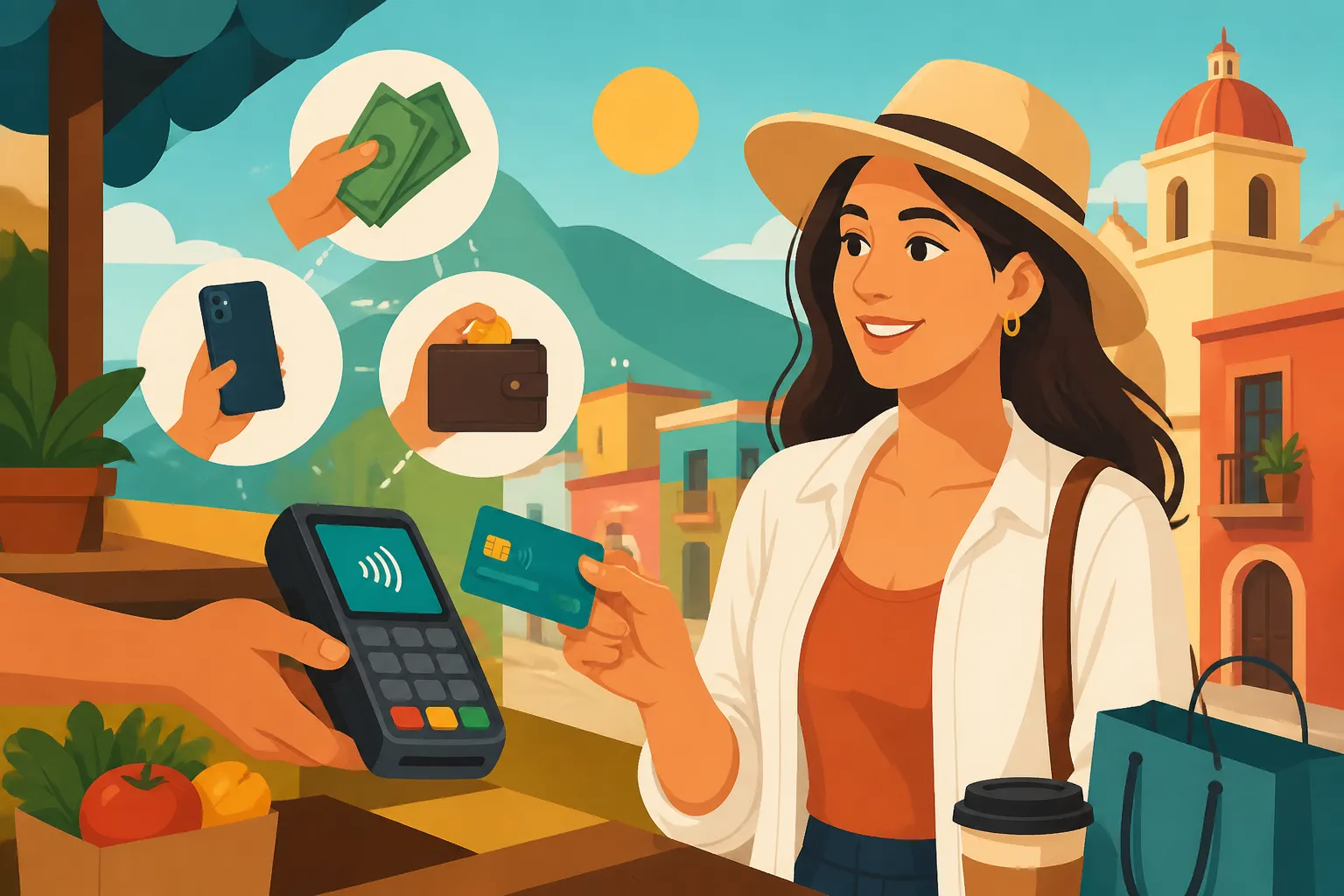
Your plastic cards are going to be your workhorses during the first few weeks, but they come with their own set of considerations. Most major establishments in Mexico accept Visa and Mastercard, but American Express can be hit or miss outside of larger cities and upscale restaurants.
- Debit Cards: Great for ATM withdrawals, but as mentioned, watch those fees. Some online-only banks or travel-focused debit cards offer fee-free international withdrawals, which are a godsend. If you have one of these, you're ahead of the game! Always decline the ATM's offer to convert to your home currency ("dynamic currency conversion") – you'll almost always get a better rate by letting your bank handle the conversion.
- Credit Cards: Excellent for larger purchases like initial furniture, hotel stays, or restaurant meals. Many credit cards offer points or cashback rewards, and some waive foreign transaction fees. Again, always pay in Mexican pesos if given the option, as your bank's exchange rate will generally be better than the merchant's. Keep your credit card statement handy so you can monitor for any unauthorized charges. It's also smart to inform your bank before you travel to Mexico to avoid having your card flagged for suspicious activity and frozen. There's nothing worse than having your card declined when you're trying to pay for dinner!
- What About Smaller Purchases? While cards are accepted in many places, don't expect to swipe for a street taco or a bottle of water at a corner store. Mexico still runs on a significant amount of cash for everyday, smaller transactions. Always carry a decent amount of small peso bills (20, 50, 100 pesos) for these purchases and for tipping.
| Payment Method | Pros | Cons | Best For |
|---|---|---|---|
| Foreign Cash | Instant, easy to exchange | Risk of loss/theft, unfavorable exchange rates at airport | Exchanging for pesos, emergencies |
| Foreign Debit Card | Easy ATM access, widely accepted | High ATM fees, foreign transaction fees, security risks | ATM withdrawals (larger amounts), some larger purchases |
| Foreign Credit Card | Purchase protection, rewards, widely accepted | Foreign transaction fees, some vendors don't accept AMEX | Major purchases, rent deposits, hotels, larger restaurants |
| Wise (as money transfer) | Excellent exchange rates, low fees, fast | Requires prior setup, internet access | Sending money to yourself, paying rent, large transfers |
| Wise Debit Card | Low/no foreign transaction fees, easy top-up | Not accepted everywhere, internet needed for top-ups | Everyday spending, ATM withdrawals (lower fees) |
Navigating Larger Payments and Transfers
Your first month isn't just about street food and souvenir shopping. You'll likely need to pay for rent, deposits, perhaps initial utility hookups, and maybe even a big grocery run. This is where relying solely on cash or a foreign card becomes impractical or expensive.
The Challenge of Large Cash Payments
Imagine showing up to pay your landlord 15,000 pesos in cash for the first month's rent and security deposit. While it might be possible in some cases, it's generally not advisable due to security risks for both you and the landlord. Plus, it's a huge hassle to withdraw that much cash from an ATM, dealing with daily limits and multiple fees. You’ll want a safer, more efficient way to handle these bigger transactions.
Traditional Wire Transfers: Slow and Costly
You might think, "I'll just wire money from my bank back home to my landlord's Mexican bank account." While this is an option, it's often cumbersome, slow, and expensive. Traditional international wire transfers can take several business days to clear, involve hefty sender and receiver fees from both banks, and the exchange rate might not be in your favor. Plus, your landlord might not want to deal with the complexities of an international transfer, especially if they need the funds quickly. This isn't ideal when you're trying to secure a rental.
Your Lifeline: Modern Money Transfer Services like Wise
This is where a service like Wise (formerly TransferWise) truly shines and becomes your absolute lifeline in those initial weeks and months. I honestly don't know how expats managed before services like this became mainstream. Wise makes moving money internationally feel almost as easy as moving it between accounts in the same country, but with significantly better exchange rates and lower fees than traditional banks.
- How Wise Works: You simply set up an account online or through their app. You link your home bank account, then specify how much you want to send and to which Mexican bank account. Wise converts your currency at the real mid-market exchange rate (the one you see on Google), adds a small, transparent fee, and sends the pesos to the recipient's Mexican bank account.
- The Benefits for New Expats:
- Excellent Exchange Rates: This is the biggest draw. Wise consistently offers much better rates than traditional banks or airport exchange booths, saving you a substantial amount of money on larger transfers.
- Low, Transparent Fees: The fees are clearly displayed upfront, so there are no nasty surprises. This predictability is invaluable when budgeting.
- Speed: Transfers often arrive within hours, or at most, a day or two. This is critical when you need to pay rent or secure a place quickly.
- Ease of Use: The platform is incredibly user-friendly, even if you’re not a tech wizard. You can initiate transfers from your phone or computer.
- Multi-Currency Account & Debit Card: Beyond just sending money, Wise offers a multi-currency account where you can hold funds in pesos (and many other currencies). You can also get a Wise debit card, which allows you to spend directly in pesos with minimal fees and excellent exchange rates, effectively bridging the gap until you get a local Mexican bank account. This card can be a game-changer for daily expenses and smaller ATM withdrawals while you're still getting settled.
- Practical Application: Let's say you need to pay your first month's rent of 12,000 pesos. Instead of withdrawing cash over several days from an ATM with high fees, you could use Wise. You send the money from your home bank account to your landlord's Mexican bank account. The money arrives quickly, the exchange rate is favorable, and the fees are minimal. It’s secure, documented, and hassle-free for both parties. This makes Wise an indispensable tool. You can also use it to send money to yourself, effectively topping up your own spending money held in a Wise multi-currency account or directly to a trusted friend's account if you're in a pinch.
Remember, getting set up with a Wise account before you leave home is a super smart move. It means one less thing to worry about when you hit the ground. When it comes to managing your finances internationally, particularly during the crucial first month in Mexico, Wise is designed to alleviate those expat money woes.
Bridging the Gap: Temporary Payment Solutions
Beyond cash and direct bank transfers, a few other options can help you get by during that initial period. These solutions offer flexibility and can be good backups.
Utilizing Digital Wallets
Services like PayPal are widely used, but not always practical for direct payments for things like rent or utilities. However, they can be useful for paying for online purchases from Mexican retailers, booking domestic travel, or sending money to an individual in Mexico if they also have a PayPal account. While convenient, PayPal’s exchange rates can be less competitive than Wise, and fees might apply.
Paying Bills at OXXO and Convenience Stores
One of the most uniquely Mexican payment solutions is paying bills at OXXO, a ubiquitous convenience store chain. You can pay your electricity bill (CFE), internet, phone, and even some credit card bills there. It sounds wild, I know – paying your utilities at a corner store! But it's incredibly common and convenient.
- How it Works: You take your physical bill (or a digital barcode on your phone) to the OXXO counter. They scan it, you hand over the cash (pesos only), and they give you a receipt. There's usually a small commission fee (a few pesos).
- Expat Application: In your first month, before you have a local bank account to set up automatic payments, this can be a lifesaver for ensuring your utilities stay connected. If you just arrived and need to get the internet hooked up, you might pay your first Telmex or Totalplay bill this way. Just be prepared to pay with cash.
Prepaid Cards
Some expats choose to use internationally-accepted prepaid debit cards. These can be loaded with funds in your home currency and then used for purchases or ATM withdrawals in Mexico. They offer some control over spending and can be a good option for a secondary card. However, they still incur fees for foreign transactions and ATM withdrawals, similar to regular debit cards. Make sure to check the fee schedule carefully before you commit to one.
Budgeting for Your Initial Weeks
The first month in a new country almost always costs more than you anticipate. You're setting up a new life, and there are many one-time or upfront expenses. Creating a realistic budget can prevent major financial headaches.
Anticipate Upfront Costs
- Accommodation: This often includes the first month's rent plus a security deposit, sometimes an additional month's rent as a "guarantee deposit" (though this is less common for short-term rentals). If you're using a real estate agent, there might be a commission. Remember that for these larger sums, services like Wise are a practical choice to avoid carrying large amounts of cash. You can get more details on securing your new pad in our guide to Renting a Home in Mexico: Complete Expat Guide to Leases, Deposits, and More.
- Utilities Hookup/Deposits: While many rentals might include utilities in the rent, especially for short-term, some long-term rentals will require you to set up accounts and pay deposits for electricity (CFE), water, and internet. These can be paid in cash at OXXO or direct to the company if you're lucky enough to have an account already. Check out our deep dive on Home Utilities in Mexico: Setting Up Electricity, Water, Gas, and Internet for the nitty-gritty.
- Groceries & Household Essentials: Your first grocery run will likely be bigger than usual as you stock up on pantry staples, cleaning supplies, and perhaps some kitchenware if your rental isn't fully equipped. Expect to spend a bit more here initially.
- Transportation: Whether it’s airport taxis, Uber, or bus fares, you'll be moving around a lot as you explore and run errands.
- Mobile Phone: Getting a local SIM card (Telcel, AT&T, Movistar) is crucial. You'll need to buy the SIM and an initial credit package. This is usually a small, cash-based purchase. Learn more in Will Your Foreign Phone Work in Mexico? Using SIM Cards and Unlocked Phones.
- Unexpected Expenses: Always, always, always factor in a buffer for the unexpected. Mexico will throw you curveballs, and having extra funds available for emergencies or unforeseen costs will save your sanity.
Track Your Spending Diligently
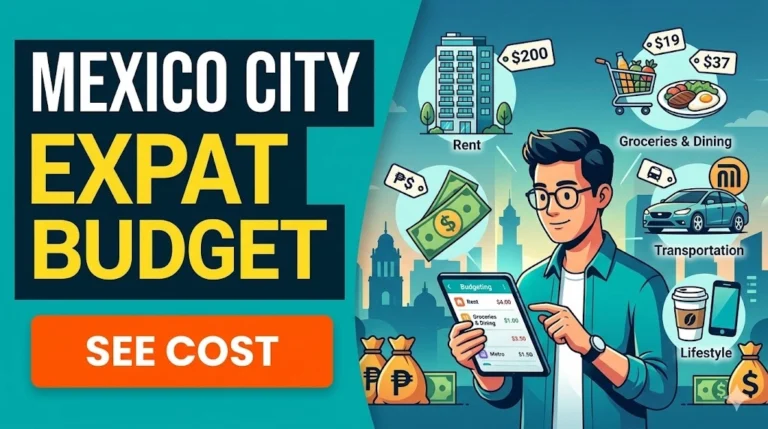
It's easy to lose track of expenses when everything is new and exciting. Use an app, a spreadsheet, or even a small notebook to jot down every peso you spend. This will not only help you stay within budget but also identify where your money is going and where you might be able to cut back. This is especially important before you have a unified view of your finances through a local Mexican bank account. For general guidance, check out our Cost of Living in Mexico: 2026 Comprehensive Guide or even more specifically, Cost of Living in Mexico City (2026): Detailed Expat Budget Guide.
The Road Ahead: Getting Your Mexican Bank Account
While this guide focuses on your first month without a local account, it’s crucial to understand that getting one is a top priority. Having a Mexican bank account will simplify your life immensely, making it easier to pay rent, receive local income, manage bills, and participate fully in the Mexican economy.
Why a Local Account is Essential
- Easier Bill Payments: You can set up direct debits for utilities, rent, and other recurring expenses.
- Avoiding International Fees: No more foreign transaction fees or unfavorable exchange rates on every purchase.
- Local Income/Payments: If you plan to work or receive any payments locally, a Mexican account is necessary.
- Building Local Credit: Essential for larger purchases, loans, or even some long-term rentals down the line.
The Process of Opening an Account
Opening a Mexican bank account as a foreigner can be a bit of a bureaucratic dance. You'll typically need:
- Your valid passport.
- Your temporary or permanent residency card (Mexico Temporary Resident Visa: Comprehensive Guide for Expats (2026 Update) or Mexico Permanent Residency Explained: A Complete Guide (2027)). You generally cannot open a full bank account with just a tourist visa.
- Proof of address (comprobante de domicilio) – a utility bill (CFE, Telmex) in your name, less than three months old. This can be tricky if you just arrived and utilities aren't in your name yet, but some banks might accept a rental contract or a letter from your landlord.
- Your CURP (How to Get a CURP as a Foreigner: The Mexican ID Number Explained).
- An initial deposit.
The specific requirements can vary slightly between banks like BBVA, Banorte, or Santander. It’s always best to visit a branch with all your documents in hand and be prepared for some waiting and possibly a language barrier. For a detailed walkthrough, make sure to read How to Open a Bank Account in Mexico: Requirements and Tips.
In the interim, while you’re gathering documents and navigating the banking system, remember that services like Wise continue to be a robust solution for managing your money. You can continue to move funds from your home country to your Wise multi-currency account, spend with the Wise debit card, and even send funds directly to others' Mexican bank accounts as needed. It's truly an invaluable tool for global citizens like us.
Final Thoughts on Financial Preparedness
Your first month in Mexico is an adventure, but financial stress doesn't have to be part of the package. By understanding your options for cash and card usage, strategically leveraging modern money transfer services like Wise for larger transactions, and budgeting carefully, you can navigate this initial period with confidence.
Remember that patience and flexibility are your best friends when dealing with Mexican bureaucracy and daily life. Things might not always work the way they do back home, but there’s almost always a solution. Keep an open mind, learn from every experience, and enjoy the incredible journey you've embarked on. Mexico has so much to offer, and with a solid financial plan, you'll be free to embrace it all.
Disclaimer
The information provided in this guide is for general informational purposes only and does not constitute financial, legal, or immigration advice. While we strive to keep the information up-to-date and accurate, regulations and financial products can change. Always consult with a qualified professional for advice tailored to your specific situation. We recommend doing your own research and due diligence before making any financial decisions.