Working as a Dive Instructor or Tour Guide: Options in Coastal Mexico
Finding a way to trade the gray cubicle for the turquoise waters of the Caribbean or the rugged cliffs of the Pacific is the ultimate expat dream, but the transition into the local tourism industry is often paved with bureaucratic headaches and seasonal financial stress. I remember my first month in Cozumel, standing in a humid government office with a stack of paperwork, wondering if I’d ever actually get back underwater or if I was destined to be a professional "waiter" for my work permit. This guide breaks down the legalities, the best coastal locations, and the practical realities of working as a dive instructor or tour guide in Mexico to ensure your dream doesn't turn into a logistical nightmare.
Disclosure: This post may contain affiliate links. We may earn a commission at no extra cost to you if you make a purchase through these links. Read full disclosure.
Navigating the Legalities: Can You Legally Work as a Guide?
The most common mistake new arrivals make is assuming that a PADI certification or a history of leading tours in Europe or the US is enough to start charging customers in Mexico. It isn't. The Mexican government is protective of its labor market, especially in the tourism sector which is the lifeblood of the coastal economy. You cannot simply show up on a tourist permit and start working; doing so puts you at risk of immediate deportation and the business at risk of massive fines.
The Work Visa Maze and INM Requirements
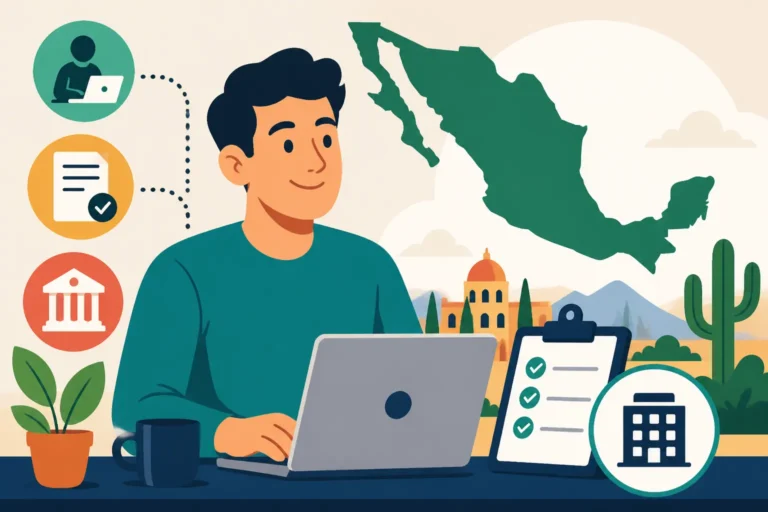
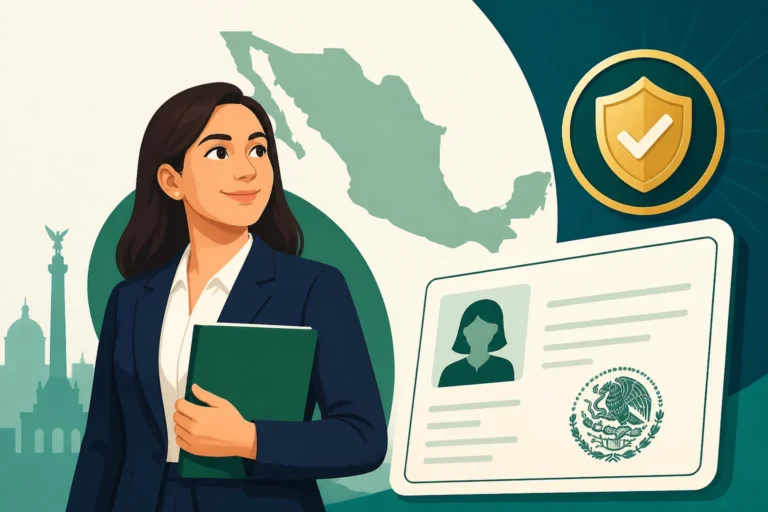
To work legally, you must have residency with "permiso para trabajar" (permission to work). Most expats start with a Mexico Temporary Resident Visa: Comprehensive Guide for Expats (2026 Update) which they obtain at a consulate outside of Mexico. Once you have your residency card, you must apply for an additional authorization from the Instituto Nacional de Migración (INM) to engage in "lucrative activities."
If you are an independent contractor, you’ll need to register with the SAT (Mexico's tax authority) and get your RFC number. If you are being hired by a dive shop or a tour agency, they must have a "Constancia de Inscripción del Empleador," which is a document proving they are authorized to hire foreigners. I’ve seen many talented instructors lose out on jobs because the shop they wanted to work for hadn't kept their employer registration up to date. Understanding Can You Work on a Temporary Resident Visa in Mexico? Rules Explained is crucial before you start handing out resumes.
Mexican Federal Certifications for Guides
Beyond immigration, there is the matter of the Secretary of Tourism (SECTUR). For general tour guiding, Mexico requires guides to be certified under specific "Normas Oficiales Mexicanas" (NOM). NOM-08 is for cultural guides, and NOM-09 is for specialized adventure or nature guides. Getting these credentials often requires a specific number of training hours and a high level of Spanish proficiency.
While many dive shops operate under the umbrella of international agencies like PADI or SSI, you are still subject to local maritime laws. In protected areas like the Cozumel Reefs National Park or Cabo Pulmo, you must attend mandatory briefings and obtain a specific park-authorized credential. Without these, you cannot lead groups into the water, regardless of how many thousands of dives you have logged elsewhere.
Top Coastal Hubs for Diving and Touring Careers
Mexico’s coastlines are incredibly diverse, and the "vibe" of your workplace will change drastically depending on which side of the country you choose. The competition is fierce in the major hubs, but the volume of tourists often means more consistent work for those who are reliable and professional.
The Caribbean Side: Cozumel and Playa del Carmen
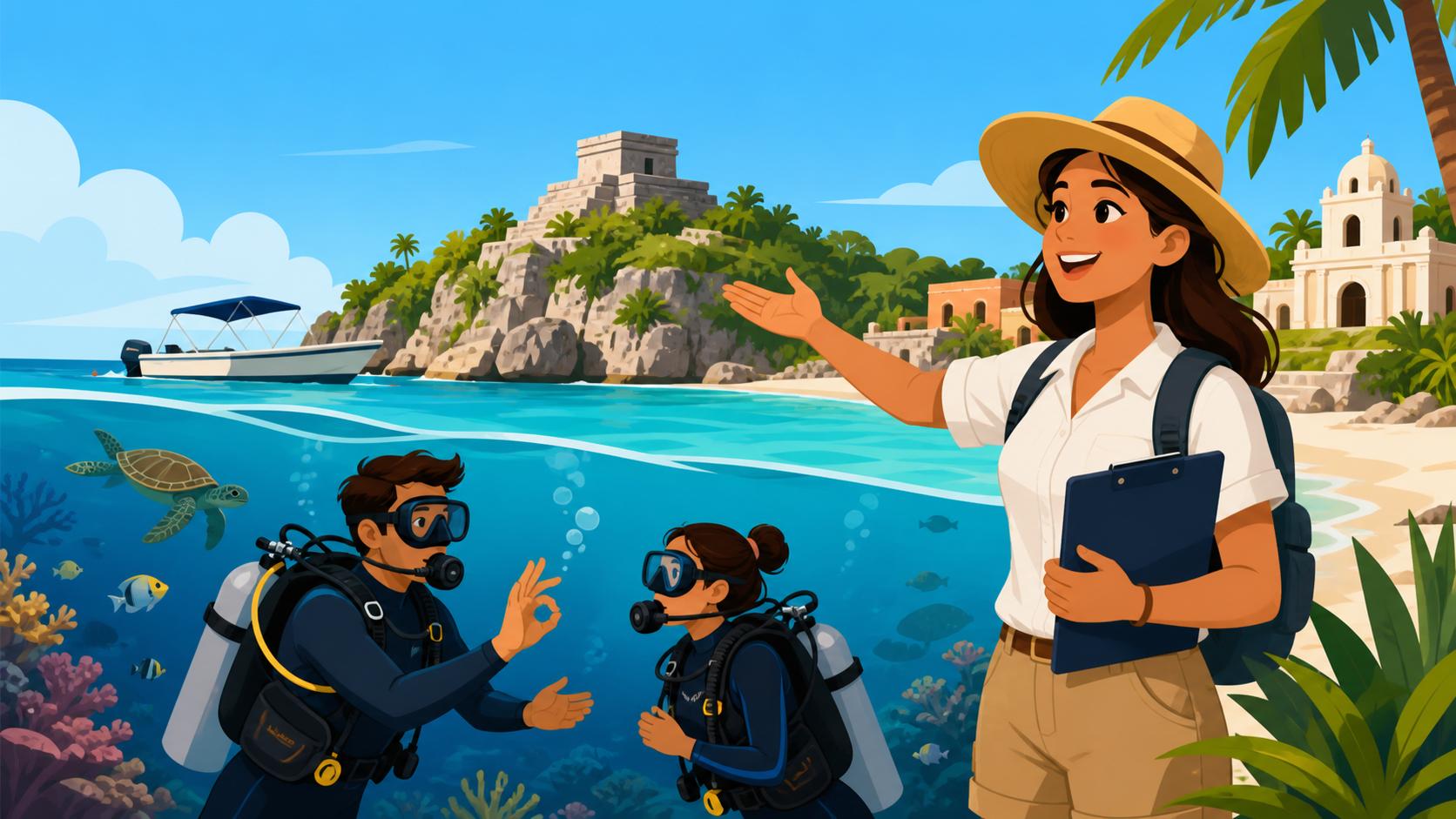
The Riviera Maya is the undisputed king of Mexican diving. Cozumel is world-renowned for its drift diving, while Playa del Carmen serves as the gateway to the cenotes—stunning freshwater cavern systems. If you want to work in cenote diving, you will need specialized "Full Cave" certifications and a deep understanding of the delicate limestone ecology.
In these areas, the sheer volume of shops means jobs are frequently available, but the cost of living has skyrocketed. Many instructors live in the less-touristy parts of town to make ends meet. If you are considering this region, looking into Living in Playa del Carmen: A Digital Nomad’s Beach Town Guide can give you a realistic idea of what your monthly expenses might look like while you are hunting for that first steady gig.
The Pacific Coast: Los Cabos and Puerto Vallarta
On the Pacific side, the water is cooler and the conditions can be more challenging, but the rewards include encounters with humpback whales, mantas, and hammerheads. Los Cabos is a high-end market where tips can be significantly higher than on the Caribbean side, but the "high season" is more defined. You might be slammed from November to April and then find yourself struggling during the sweltering summer months.
Puerto Vallarta offers a mix of jungle tours and bay diving. It is a more established expat community with a lot of infrastructure. For those worried about the physical toll of guiding, the availability of high-quality Healthcare in Puerto Vallarta: Medical Services in a Resort City is a major plus. The work here is often more focused on "eco-tourism" and whale watching rather than just pure scuba instruction.
The Sea of Cortez: La Paz and Cabo Pulmo
Often called the "Aquarium of the World," this region is for the serious naturalist. Working here usually means leading snorkeling trips with sea lions or whale sharks. The towns are smaller, the pace is slower, and the requirements for environmental permits are very strict. It is the perfect place for someone who wants to escape the "resort" feel of Cancun or Cabo San Lucas.
| Region | Primary Attraction | Certification Priority | Typical Peak Season |
|---|---|---|---|
| Cozumel | Wall & Drift Diving | PADI/SSI Instructor | December – April |
| Playa del Carmen | Cenotes & Bull Sharks | Full Cave Certification | November – March |
| Los Cabos | Pelagics & Sea Lions | Divemaster/Instructor | October – May |
| La Paz | Whale Sharks & Mantas | Naturalist/Eco-Guide | November – April |
| Puerto Vallarta | Humpback Whales | Boat Captain/Naturalist | December – March |
Practical Realities: Pay, Seasons, and Language
The lifestyle of a guide looks glamorous on Instagram, but the day-to-day involves lugging heavy tanks in 95-degree heat and dealing with "difficult" tourists who may not respect the environment. To survive long-term, you need to understand the financial and social landscape.
Understanding the Income Structure
Don't expect a high base salary. Most dive instructors and tour guides in Mexico live on a combination of a modest daily rate plus commissions on equipment sales or courses, and—most importantly—tips. In Mexico, Tip Culture: How Much to Tip for Services (From Maids to Waiters) is a vital part of the economy. A good day can be incredibly lucrative if you have a generous group of North American tourists, but a rainy week can leave you with zero income.
You also need to factor in your own insurance. Most shops do not provide health insurance for their instructors. Many expats choose to carry their own Medical Emergencies in Mexico: What Expats Should Know and Prepare plans to ensure they can access private hospitals if a diving accident occurs. You should also be aware that "freelancing" without a permit is a common way to get started, but I strongly advise against it. The risks of Can I Work in Mexico on a Tourist Visa? The Legal Reality are too high when you are trying to build a permanent life here.
The Importance of Bilingualism
If you only speak English, you are competing with every other expat who just stepped off the plane. If you speak English and Spanish, you become an asset to the shop. You can communicate with the boat captains, negotiate with the port authorities, and handle the paperwork that the "gringo-only" guides can't touch.
I always tell new guides to spend their "surface intervals" or their off-season studying. Using a tool like SpanishPod101 is perfect because you can listen to lessons on the boat or while you’re cleaning gear. Being able to explain the nitrogen cycle or the history of the Mayan people in both languages will double your job opportunities. SpanishPod101 also helps you pick up the local slang, which is essential for building rapport with your Mexican coworkers. When I first started, my lack of technical Spanish was a huge barrier; SpanishPod101 would have saved me months of awkward miming at the repair bench.
Equipment and Logistics for Expats
As a professional, your gear is your livelihood. However, bringing a garage full of equipment into Mexico can be a logistical nightmare at the border.
To Bring or to Buy?
Mexico has high import taxes on electronics and specialized gear. While you can find basic dive gear in any major hub, high-end tech gear or professional camera housings are often much more expensive locally. If you are moving here permanently, you may want to bring your personal gear as part of your "menaje de casa" (household goods import), which is a one-time tax-free allowance for new residents.
For smaller items like dive computers or specialized tools, many guides have them shipped to a US address and then use a "mule" service or pick them up on a border run. However, for everyday items, you’ll find that Bringing Appliances from Home vs Buying in Mexico: What You Should Know logic applies to gear too—if it's a common brand like Mares or Cressi, just buy it here and save yourself the shipping hassle.
Health and Safety for Pros
Working 20+ days a month underwater or in the sun takes a toll. Dehydration is the number one cause of "hits" (decompression sickness) among instructors in the tropics. You need to be proactive about your health. This means more than just drinking water; it means Building a First Aid Kit: Essential Medical Supplies for Expats in Mexico that includes high-quality electrolytes and skin care.
The sun in Mexico is no joke. I’ve seen many guides have to quit after just one season because they developed severe sun allergies or skin issues. Invest in high-quality, reef-safe long-sleeve rash guards. Your body is your tool; if it breaks, your income stops. During the slower months, take the time to focus on your recovery. It's the perfect time to sit in the shade and use SpanishPod101 to level up your language skills for the next high season. How Long Does It Take to Become Fluent in Spanish for Work or Study? is a question many ask, and the answer is usually: as long as it takes you to start talking to the locals every single day.
Staying Sustainable in the Tourism Industry
The "burnout" rate for dive instructors and tour guides in Mexico is high. To make this a career rather than a six-month vacation, you need a strategy.
Diversifying Your Skills
Don't just be a "scuba guy" or a "bus guide." The most successful expats I know have multiple streams of income. Maybe they lead dives in the morning and do underwater photography at night. Or they lead jungle tours and write travel articles for expat blogs. During the rainy season, when the ports are closed (the dreaded "Puerto Cerrado"), you need something else to do.
This is where your language skills again become your superpower. A bilingual guide can often find work doing translations or working in the office of a large resort when the weather is too rough for the boats. I’ve used SpanishPod101 specifically to learn "Business Spanish" so I could help my shop owner with marketing to the local Mexican market, which is a huge and often overlooked demographic.
Budgeting for the Low Season
In towns like Cabo or Cozumel, the "Low Season" (usually late August through October) can feel like a ghost town. Many businesses close for maintenance, and hours are cut. You must save at least 20-30% of your income during the winter months to survive the autumn. Check out Cost of Living in Puerto Vallarta: Budgeting for Beach Life to see how much you should be tucking away.
If you plan your finances correctly, the low season becomes a much-needed break to explore other parts of Mexico, visit family, or even do a few weeks of intensive study with SpanishPod101 to prepare for the next wave of tourists. The goal is to work to live, not live to work. Mexico offers an incredible lifestyle for those who can navigate the initial hurdles of residency and certification.
Legal Disclaimer
The information provided in this guide is for informational purposes only and does not constitute legal or professional advice. Immigration laws and work permit requirements in Mexico are subject to frequent changes. Always consult with a certified Mexican immigration attorney or the nearest Mexican consulate to verify current regulations before making any career or residency decisions. Working without proper authorization can lead to fines, detention, and deportation.