Bringing Appliances from Home vs Buying in Mexico: What You Should Know
Most expats assume their favorite high-end blender or heirloom stand mixer will work perfectly in a Mexican kitchen, but the reality of electrical surges and customs paperwork often tells a different, more expensive story. I remember the heartbreak of frying a brand-new espresso machine during my first month in Merida because I didn't understand the volatility of the local power grid. This guide solves the "ship vs. buy" dilemma by breaking down electrical compatibility, hidden shipping costs, and where to find the best local replacements.
Disclosure: This post may contain affiliate links. We may earn a commission at no extra cost to you if you make a purchase through these links. Read full disclosure.
Understanding Voltage and Electrical Compatibility in Mexico
Before you pack a single cord, you need to understand that while Mexico technically uses a 127V/60Hz standard close to that of the United States and Canada, the "quality" of that power is a different beast entirely. In many residential areas, voltage fluctuations are the norm rather than the exception. If you are coming from Europe, Asia, or Australia, where 220V-240V is the standard, your appliances will not work here without heavy-duty transformers, which are often more trouble than they are worth.
The Realities of the Mexican Electrical Grid
The electrical infrastructure in Mexico can be inconsistent, particularly in older colonial centers or rapidly developing coastal towns. While your Home Utilities in Mexico: Setting Up Electricity, Water, Gas, and Internet might be established, the stability of that connection can vary by the hour. I have lived in houses where a heavy rainstorm caused the voltage to drop low enough that the lights dimmed but the fridge motor kept trying to turn over—a recipe for a burnt-out compressor.
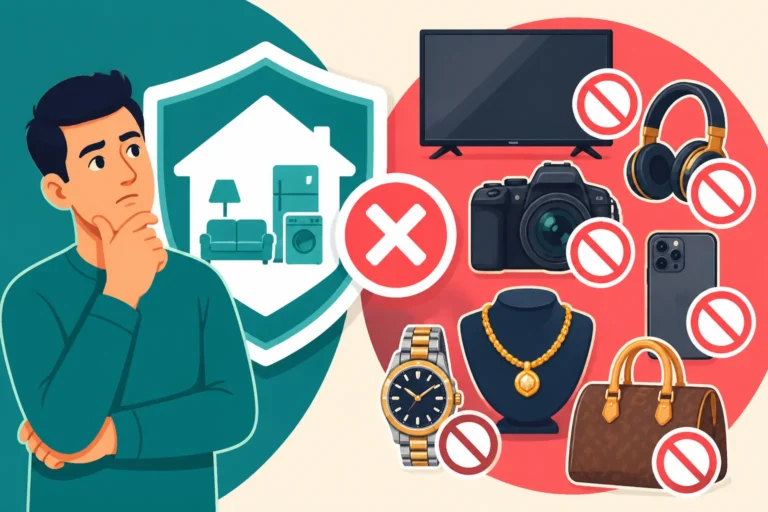
When bringing items from the US or Canada, they are built for a very stable 110V-120V. In Mexico, it is not uncommon to see "brownouts" where the voltage dips to 90V or "surges" where it spikes to 140V. Sensitive electronics like high-end OLED TVs, gaming consoles, and computer towers are particularly vulnerable. If you decide to bring these, you must budget for "reguladores" (voltage regulators) for every major item. These are not simple surge protectors; they are heavy boxes that actively maintain a steady flow of power.
Motors and Frequency Issues
One of the most overlooked aspects of bringing appliances from abroad is the frequency, measured in Hertz (Hz). Mexico operates on 60Hz. If you are moving from a country that uses 50Hz, any appliance with a motor—like a washing machine, a vacuum cleaner, or even a simple bedside clock—will run at the wrong speed. A 50Hz motor running on 60Hz will run faster and hotter, significantly shortening its lifespan or causing immediate failure.
For items without motors, like a toaster or a simple lamp, you might get away with a plug adapter, but it is rarely worth the risk for anything complex. Even if you are coming from a 60Hz country, consider the age of your appliances. Modern, energy-efficient appliances are often more sensitive to the "dirty" power found in some Mexican neighborhoods. As you look through the Living in Mexico: Cultural and Practical Guide for New Expats, you will find that many veterans suggest leaving the high-maintenance gear behind in favor of local models designed for these conditions.
To Ship or Not to Ship: The Logistics and Costs
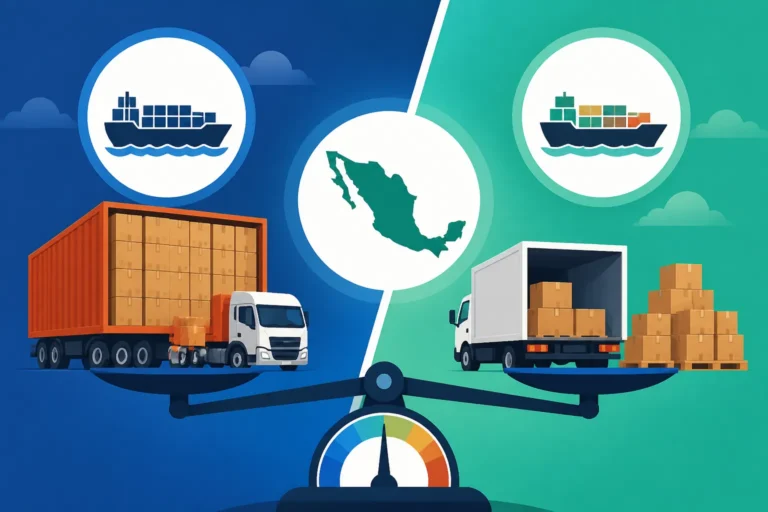
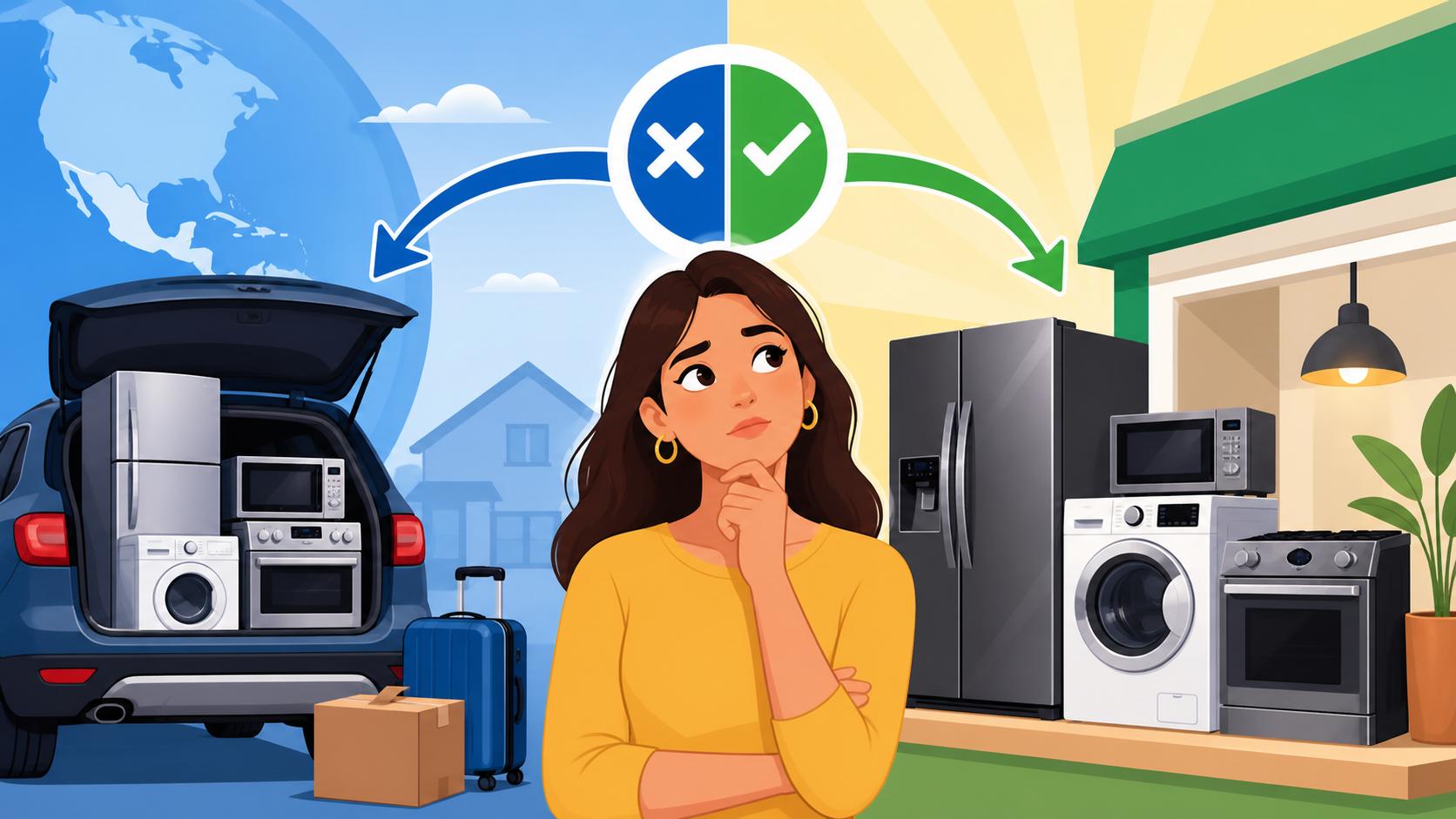
Deciding whether to pack your kitchen into a shipping container or sell it all and start fresh is a major financial crossroads. There are two main ways to bring your things: through a formal process called "Menaje de Casa" or by simply packing them in your car or luggage. Each has significant legal and financial implications that can catch the unprepared expat off guard at the border.
Navigating the Menaje de Casa
If you have obtained your residency through The Ultimate Guide to Mexico's Visa and Residency Options (2027 Edition), you are entitled to a one-time Duty-Free Import of Household Goods: Using Menaje de Casa with Your Visa. This is a massive benefit, but it is not as simple as showing up with a truck. You must provide a typed, detailed list in Spanish of every single appliance, including its brand, model, and serial number. This list must be certified by a Mexican consulate in your home country before you move.
The trap many fall into is the "new item" rule. The Menaje de Casa is intended for used household goods (owned for at least six months). If the customs official at the border sees a shiny new refrigerator in its original box, they can—and likely will—charge you an import duty that can range from 16% to 30% of the item's perceived value. I’ve seen expats end up paying more in taxes and "handling fees" than the appliance actually cost back home. Furthermore, if you are not using a professional moving coordinator, the paperwork at the border can take days of stressful back-and-forth.
The High Cost of Heavy Weight
Shipping is expensive. If you are not doing a full container move, the cost of shipping a heavy washing machine or a professional-grade range can easily exceed its replacement value. In Mexico, you can find a wide variety of appliances at different price points. While you are Settling in Mexico: Step-by-Step Guide to Your First 30 Days as an Expat, you might find it easier to stay at a place like Selina to get your bearings before committing to a massive shipment.
Consider the "landed cost." This includes the original price, the shipping fees, the insurance, the customs broker fees, and the "last mile" delivery to your new home. Often, the Cost of Living in Mexico: 2026 Comprehensive Guide shows that buying new locally is actually the more economical choice when you factor in the 1-2 months you might be waiting for your shipment to clear customs. There is also the risk of damage; Mexican roads can be bumpy, and items that aren't professionally crated rarely survive the journey without a few new dings or internal rattles.
Buying Locally: Where to Shop and What to Expect
Buying your appliances in Mexico isn't just about saving on shipping; it’s about ensuring you have a valid warranty and access to parts. If your high-end Samsung fridge breaks in Ajijic but you bought it in Seattle, the local Samsung technician may refuse to service it because the serial number isn't in the Mexican database. Even if they do agree to help, the internal parts for US models are often slightly different from Mexican models, leading to weeks of waiting for a simple fan or sensor to be imported.
Major Retailers and Local Favorites
For those used to Big Box stores, Mexico has plenty of familiar options. Amazon Mexico has become a lifesaver for expats, offering everything from air fryers to dehumidifiers with reliable delivery even in smaller towns. It’s a great way to handle Moving to Mexico: What to Pack and What to Buy Locally without needing a truck. For large appliances like stoves and refrigerators, stores like Costco, Home Depot, and Best Buy (now operating primarily through partner brands) are standard.
If you want high-end or "luxury" appliances, you should head to Liverpool or Palacio de Hierro. These department stores carry brands like Miele, Bosch, and Smeg. On the other end of the spectrum, Coppel and Elektra are the "everyman" stores. They are ubiquitous and offer "pagos chiquitos" (small weekly payments), though the interest rates are astronomical. For most expats, the best middle ground is a store like City Market or Sears, which often have massive sales during "El Buen Fin" (Mexico's version of Black Friday) in November.
The Magic of Meses Sin Intereses
One of the best parts of shopping for appliances in Mexico is the "Meses Sin Intereses" (MSI) culture. Most major retailers offer the ability to split a large purchase into 6, 12, or even 18 monthly payments with zero interest if you have a Mexican credit card. Even some international cards or platforms like Amazon Mexico occasionally offer this for large purchases. It makes outfitting a whole kitchen much less painful on the bank account.
| Appliance Type | Bringing from Home (Pros/Cons) | Buying in Mexico (Pros/Cons) | Recommended Action |
|---|---|---|---|
| Kitchen Large (Fridge/Stove) | Pro: Familiarity. Con: High shipping, no local warranty. | Pro: Local warranty, free delivery/install. Con: Fewer niche brands. | Buy Locally |
| Small Kitchen (Blender/Toaster) | Pro: Small, easy to pack. Con: Voltage spikes can fry them. | Pro: Designed for local power. Con: Might be lower quality for same price. | Mix (Pack favorites/Buy basics) |
| Laundry (Washer/Dryer) | Pro: High-tech features. Con: Very heavy, plumbing differs. | Pro: Gas dryers are standard/cheap. Con: Top loaders still very common. | Buy Locally |
| Laptops/Cell Phones | Pro: Better keyboard layouts. Con: Screen repairs can be hard. | Pro: Easy to find, local SIMs. Con: Often 20-30% more expensive. | Bring from Home |
| Air Conditioners | Pro: None. They are too heavy to ship. | Pro: Specialized for local climate/tech. Con: Installation costs vary. | Buy Locally |
Practical Tips for a Smooth Transition
If you do decide to bring some of your favorite gadgets, you need to prepare for the "local quirks" of a Mexican home. From the way gas is delivered to the lack of grounded outlets in older homes, there are several hurdles to clear before you can toast your first piece of bread. Many expats find it helpful to look into Online Shopping in Mexico: Using Amazon, MercadoLibre and Other Sites early on to see what accessories are available locally.
Outlets and Grounding Issues
In many older Mexican houses, you will find only two-prong outlets. If your computer or kitchen appliance has a three-prong (grounded) plug, do not simply break off the third prong! This is a major safety hazard, especially in a country where electrical grounding isn't always up to code. You can buy "monitos" (adapters), but the better solution is to have a local electrician properly ground the outlets you intend to use for expensive electronics.
Furthermore, consider the physical layout of your kitchen. Counter space is often at a premium in traditional homes, and there are rarely as many outlets as you might find in a modern suburban home north of the border. You will likely need high-quality power strips. Always stay connected using a local eSIM from a provider like Airalo while you are coordinating with electricians or delivery drivers; you don't want to miss a call because your home internet isn't set up yet.
Managing Gas and Water Connections
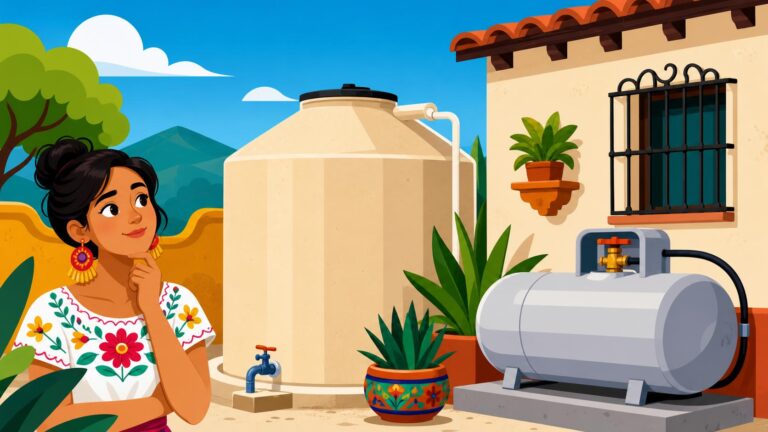
In Mexico, most stoves and clothes dryers run on LP gas (propane), not natural gas. If you bring a natural gas appliance from home, it will require a conversion kit to work safely with Mexican propane. Most local technicians can do this, but the parts aren't always easy to find for obscure foreign brands. Also, keep in mind Household Quirks in Mexico: Water Cisterns, Gas Tanks, and More. Your washing machine will need to deal with varying water pressure, often requiring a "presurizador" (pressure pump) to function correctly.
Finally, remember that the environment in Mexico can be harsh on appliances. If you are living near the ocean, the "brisa salina" (salt air) will corrode metal components in months rather than years. Even high-end stainless steel can tea-stain if not maintained. Buying locally often means getting models that have been treated for tropical environments. While you're at it, don't forget to look into Building a First Aid Kit: Essential Medical Supplies for Expats in Mexico just in case those DIY installation attempts lead to a minor scrape or burn—it happens to the best of us.
Important Disclaimer
The information provided in this guide is for educational and informational purposes only. Electrical standards, customs regulations, and import duties in Mexico are subject to change without notice. While we strive to provide the most accurate and up-to-date advice, you should always consult with a professional customs broker or a certified electrician before making major financial decisions regarding the shipment or installation of high-voltage appliances. The author and publisher are not responsible for any damage to property or legal issues arising from the application of this information.