What If You Get Sick in Mexico Without Insurance? Options and Costs
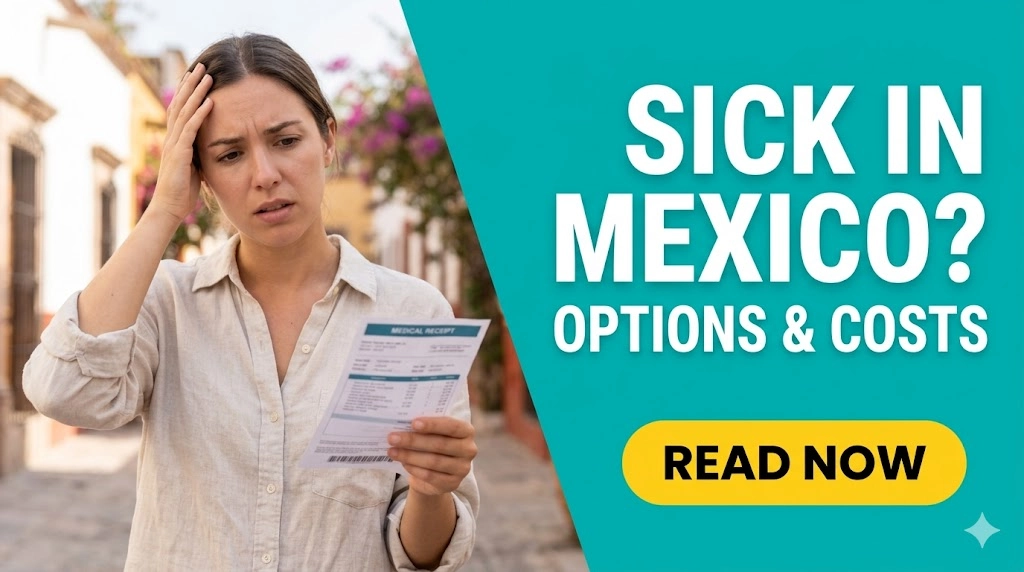
Falling violently ill in a foreign country without a safety net of health insurance is a terrifying scenario that leaves many expats fearing financial ruin. I remember waking up with a severe fever during my first year, completely uninsured and panicking about where to go. This guide breaks down exactly how to navigate Mexican healthcare options and costs out-of-pocket.
Disclosure: This post may contain affiliate links. We may earn a commission at no extra cost to you if you make a purchase through these links. Read full disclosure.
Navigating Minor Illnesses and Pharmacy Clinics
The Consultorio System
When expats first get sick, their immediate instinct is often to head straight to a massive private hospital. For minor ailments like a sinus infection, a mild stomach bug, or a basic rash, this is an expensive and unnecessary mistake. Mexico has an incredibly efficient, low-cost system designed specifically to handle everyday illnesses without overburdening the primary hospital infrastructure: the pharmacy consultorio.
Major national pharmacy chains, such as Farmacias del Ahorro and Farmacias Similares, feature small, walk-in clinics attached directly to their retail stores. You do not need health insurance, you do not need to book an appointment weeks in advance, and you do not need a prior relationship with the doctor. You simply walk in, put your name on a clipboard, and wait your turn in the plastic chairs outside the door.
The consultation fee is astonishingly cheap—usually ranging between 50 and 100 Mexican Pesos. The doctor will assess your vitals, diagnose the minor issue, and write a prescription on the spot. You then walk next door to the pharmacy counter and purchase the medication. For a deeper look at what medications you can buy directly off the shelf versus what requires this specific doctor’s visit, see our guide on Pharmacies in Mexico: How to Get Medications (OTC vs Prescription).
Out of Pocket Pharmacy Costs
Because the initial consultation is practically free, your only real expense is the medication itself. Generic medications in Mexico are highly regulated for efficacy and are incredibly affordable compared to Western prices. A full course of standard antibiotics, specialized stomach medication for a parasite, or prescription-strength painkillers might only cost you 200 to 400 pesos out-of-pocket.
To avoid these urgent clinic visits altogether, proactive expats focus heavily on preventative care. When my immune system feels compromised during the rainy season, I do not wait until I am sick enough to need harsh antibiotics. Instead, I order clinical-grade immune boosters, high-quality probiotics, and specialized dietary vitamins directly through iHerb. Keeping your baseline health optimized and your medicine cabinet fully stocked with premium supplements from iHerb is the most cost-effective way to avoid the medical system entirely. You can learn more about building this preventative foundation in Staying Healthy in Mexico: Essential Tips for Food, Water, and Preventive Care.
Handling Moderate Issues and Specialist Visits
Direct Access to Specialists
If your symptoms are more severe or chronic—such as a strange heart palpitation, a persistent skin condition, or severe, unexplained joint pain—a pharmacy consultorio will not suffice. In many Western countries, seeing a specialist without insurance is exorbitantly expensive and requires you to first convince a general practitioner to grant you a referral. In Mexico, the private healthcare sector operates on a highly empowering direct-access, free-market model.
You can simply look up a top-tier, English-speaking cardiologist, dermatologist, or endocrinologist and book an appointment for the very next day. You absolutely do not need an insurance network authorization or a referral paper to secure a booking. For guidance on navigating this free-market system and finding the right professional, refer to Finding English-Speaking Doctors and Specialists in Mexico.
The out-of-pocket cost for a private specialist consultation in a major expat hub typically ranges from 800 to 1,500 pesos. The experience is often surprisingly pleasant; Mexican specialists are known for their warm bedside manner, frequently spending up to an hour with you and providing their personal contact information for follow-up questions. This affordable access allows uninsured expats to manage chronic conditions effectively.
Paying for Diagnostics and Labs
If the specialist orders diagnostic testing, you will also be responsible for paying for this out-of-pocket. Fortunately, Mexico has numerous high-quality, independent diagnostic laboratory chains scattered across every city, such as Salud Digna, Chopo, and Biomédica. You do not go to a hospital for routine blood work; you simply walk into one of these standalone labs with your doctor’s written order, pay the cashier, and get your blood drawn or your X-ray taken immediately.
A comprehensive blood panel or a standard ultrasound will usually cost between 500 and 1,500 pesos, making it highly accessible even without insurance coverage. The results are incredibly fast, often emailed directly to you and your specialist within 24 hours. You can explore this efficient, decoupled testing system and its broader financial implications further in Healthcare Costs in Mexico: Doctor Visits, Hospital Stays, and Surgery Expenses.
Surviving Medical Emergencies and Hospital Admissions
The Reality of Upfront Hospital Deposits
The true financial terror of being uninsured in Mexico arises during a major, unexpected medical emergency, such as a severe car accident, a burst appendix, or a cardiac event. Private Mexican hospitals operate strictly on a “pay before you play” business model. When you arrive at the emergency room bleeding or in severe pain, the very first person you interact with is not a triage nurse, but a billing administrator.
The admissions desk will demand a massive upfront deposit—often ranging from 20,000 to 80,000 pesos or more—before they will even admit you to a room, administer strong painkillers, or prepare an operating theater. If you do not have an international insurance policy to provide a corporate guarantee, you must produce a high-limit credit card or cash immediately. Attempting to swipe a foreign debit card for a massive medical bill often triggers a fraud alert, leaving you financially paralyzed. We explain this aggressive, stressful billing culture in detail in Do Mexican Hospitals Require Payment Upfront? How Billing Works for Expats.
Preparing for this reality is absolutely vital if you choose to live uninsured. You must have accessible emergency funds that are not blocked by foreign banking security measures. For a comprehensive look at how to structure your emergency contacts and funds, read Medical Emergencies in Mexico: What Expats Should Know and Prepare.
Public vs Private Emergency Care
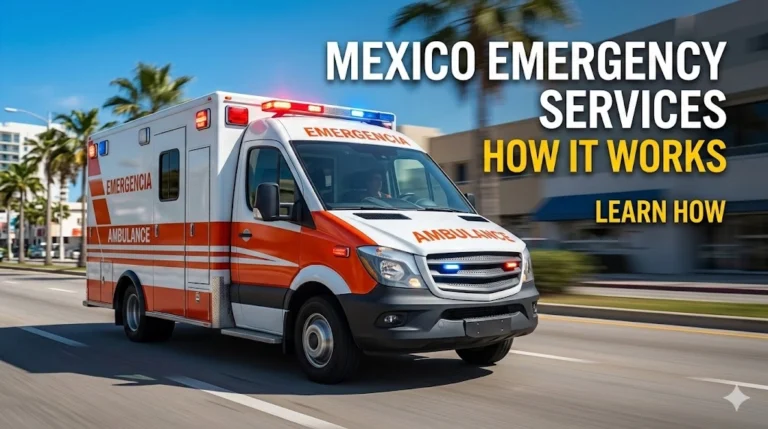
If you absolutely cannot afford a private hospital deposit, your safety net is the public system. The Cruz Roja Mexicana (Mexican Red Cross) operates ambulances and basic trauma stabilization clinics across the country. They will stabilize life-threatening injuries for free or for a nominal, voluntary donation, regardless of your insurance status, income level, or nationality.
Beyond the Red Cross, the public hospital system is technically mandated to provide emergency care to anyone on Mexican soil. However, these public hospitals are chronically underfunded, severely overcrowded, and lack the luxury amenities and rapid response times of the private sector. If you are brought to a public hospital, you will be treated, but you may wait hours in a crowded hallway for a bed.
You can read a stark comparison of these public facilities versus private luxury clinics in Healthcare in Mexico: Complete Guide for Expats (Public vs Private). To understand exactly what you will experience if you rely on the government network, review our breakdown in Public Healthcare in Mexico: IMSS and IMSS Bienestar Explained for Expats.
Preventative Strategies and Financial Preparedness
While navigating minor illnesses and routine specialist visits out-of-pocket is highly affordable and manageable, relying entirely on cash savings for major medical events is a massive financial gamble. The cost of a severe Intensive Care Unit stay or an emergency orthopedic surgery after a scooter accident can easily exceed tens of thousands of dollars, rapidly bankrupting an uninsured expat.
| Medical Service | Estimated Cost (MXN) | Estimated Cost (USD) | Best Use Case for Uninsured Expats |
| Pharmacy Consultorio | $50 – $100 | $3 – $6 | Minor colds, stomach bugs, and basic prescriptions. |
| Private Specialist Visit | $800 – $1,500 | $45 – $85 | Direct access to cardiologists or dermatologists; no referral required. |
| Basic Blood Panel (Private Lab) | $500 – $1,000 | $25 – $55 | Walk-in service; diagnostic results usually emailed within 24 hours. |
| Private ER Visit (No Admission) | $2,000 – $5,000 | $110 – $280 | Basic triage, IV fluids, and minor wound care in a private setting. |
| Private ER Admission Deposit | $20,000 – $80,000+ | $1,100 – $4,500+ | Mandatory upfront payment required for severe trauma, scans, or surgery. |
Long Term Solutions and Recovery
Recovering from any severe illness—whether it required a terrifying hospital stay or just a heavy course of local antibiotics for a parasite—completely devastates your body’s natural flora. Local neighborhood pharmacies rarely carry the targeted, high-potency recovery supplements you need to bounce back. I rely heavily on iHerb to order my post-illness recovery kits. Having iHerb deliver directly to my door ensures I have access to clean, effective international brands that rebuild my gut health and immunity safely without the massive markups found in local specialty stores.
Ultimately, the best way to handle getting sick in Mexico is to prepare your financial infrastructure long before disaster strikes. While paying cash for minor ailments is a highly practical strategy, you must protect your life savings from catastrophic health events. I strongly advise every long-term expat to secure a comprehensive international policy from Cigna Global.
A premium policy from Cigna Global bypasses the terrifying upfront deposit requirement at private hospitals entirely. Instead of scrambling for thousands of dollars in the emergency room, Cigna Global coordinates directly with the hospital billing department, ensuring you get immediate, world-class care during your darkest hour without draining your bank account. Preparing your emergency infrastructure with a reliable Cigna Global policy is the absolute cornerstone of a secure life abroad. To explore how this compares to domestic options, be sure to read Choosing Private Health Insurance: Local Mexican Plans vs International Coverage.
References
Primary sources (official)
- Secretaría de Salud – Federal Healthcare Initiatives: https://www.gob.mx/salud
- Cruz Roja Mexicana – National Emergency Response and Medical Services: https://www.cruzrojamexicana.org.mx/
Other helpful sources
- U.S. Embassy & Consulates in Mexico – Emergency Financial Assistance: https://mx.usembassy.gov/emergency-financial-assistance/
- World Health Organization (WHO) – Vector-Borne Diseases Fact Sheet: https://www.who.int/news-room/fact-sheets/detail/vector-borne-diseases
Disclaimer
The information provided in this article is for educational and informational purposes only and does not constitute medical, legal, or financial advice. Healthcare costs, private hospital admission policies, and public health initiatives in Mexico are subject to frequent changes. Always consult directly with a qualified healthcare provider or a hospital’s billing department regarding specific medical treatments and out-of-pocket costs. Ensure that any international health insurance plans or financial services mentioned meet your specific individual legal and medical requirements before use or relocation.