Should Expats Register with Their Embassy in Mexico? Why and How
Most expats move to Mexico for the sun and the tacos, but few think about what happens when the ground starts shaking or a category 4 hurricane bears down on the coast. I remember staring at my phone during my first major tremor in Mexico City, realizing I had no official way to be contacted by my home government if things got worse. This guide clarifies why registering with your embassy is a critical safety step and provides the exact steps to do it.
Disclosure: This post may contain affiliate links. We may earn a commission at no extra cost to you if you make a purchase through these links. Read full disclosure.
The Realities of Living in Mexico and Why Registration Matters
When you first arrive and settle into a beautiful neighborhood like Condesa or the beaches of Sayulita, the last thing on your mind is "bureaucratic paperwork" with your own government. However, Mexico is a land of incredible natural beauty that comes with specific geographic risks. From the seismic activity in the southern and central regions to the seasonal hurricanes that affect both the Pacific and Caribbean coasts, staying "on the grid" with your embassy is less about surveillance and more about basic survival.
In my years here, I’ve seen expats get caught off guard by sudden changes in travel advisories or local civil unrest. When you register, you aren't just signing up for a newsletter; you are ensuring that your name is on a manifest should a mass evacuation or a search-and-rescue operation become necessary. If you are staying at a Selina location while scouting for a permanent home, you might feel transient, but the embassy needs to know you are in the country regardless of how temporary your housing feels.
Safety in Mexico: What Expats Need to Know About Staying Safe is a complex topic, but embassy registration is the lowest-hanging fruit to improve your personal security. It provides a direct line of communication between you and consular officers who understand the local landscape better than any news outlet back home.
Natural Disaster Preparedness
Mexico sits atop five tectonic plates, making it one of the most seismically active regions in the world. If you live in Mexico City, Oaxaca, or Guerrero, earthquakes are a "when," not an "if." When a major quake hits, local cellular networks often jam or fail entirely. Embassies often use different communication protocols to reach registered citizens, providing instructions on where to find emergency shelter or medical aid.
On the coasts, Hurricane Season Prep: Tips for Expats Living on the Coast is a yearly ritual. Registered expats receive early warning alerts that are often more detailed than local radio broadcasts. These alerts can include specific information about which airports are closing and where the consulate is setting up emergency help desks. If you haven't looked into Earthquake Preparedness: Safety Tips for Expats in Seismic Zones, registration should be your first step in a broader safety plan.
Legal and Administrative Emergencies
Beyond disasters, registration helps immensely if you lose your passport or find yourself in a legal bind. If your passport is stolen, a registered citizen usually faces a much faster replacement process because the embassy already has a record of your presence and identity in their system. This is also vital if you are ever hospitalized and unable to communicate; the embassy can help notify your next of kin back home.
Furthermore, if you find yourself in a situation where you are What to Do If You’re Pulled Over by Police in Mexico and the situation escalates, having already established your presence with the consulate can provide a layer of administrative backing. While they cannot act as your lawyer, they can provide a list of local English-speaking attorneys and ensure you are being treated according to Mexican and international law.
How to Register with Your Embassy or Consulate
The process of "registering" has become significantly easier over the last decade, moving from physical visits to quick online portals. Most major nations have a dedicated system for their citizens living abroad. It is important to realize that you should register even if you are only in Mexico for a few months, as your status can change quickly.
Many people skip this because they think their Mexico Tourist Card (FMM) Explained: Entry Requirements for 2026 is enough for the government to know where they are. In reality, the Mexican immigration authorities (INM) do not automatically share your location or contact details with your home embassy. These are two completely separate databases.
The US Smart Traveler Enrollment Program STEP
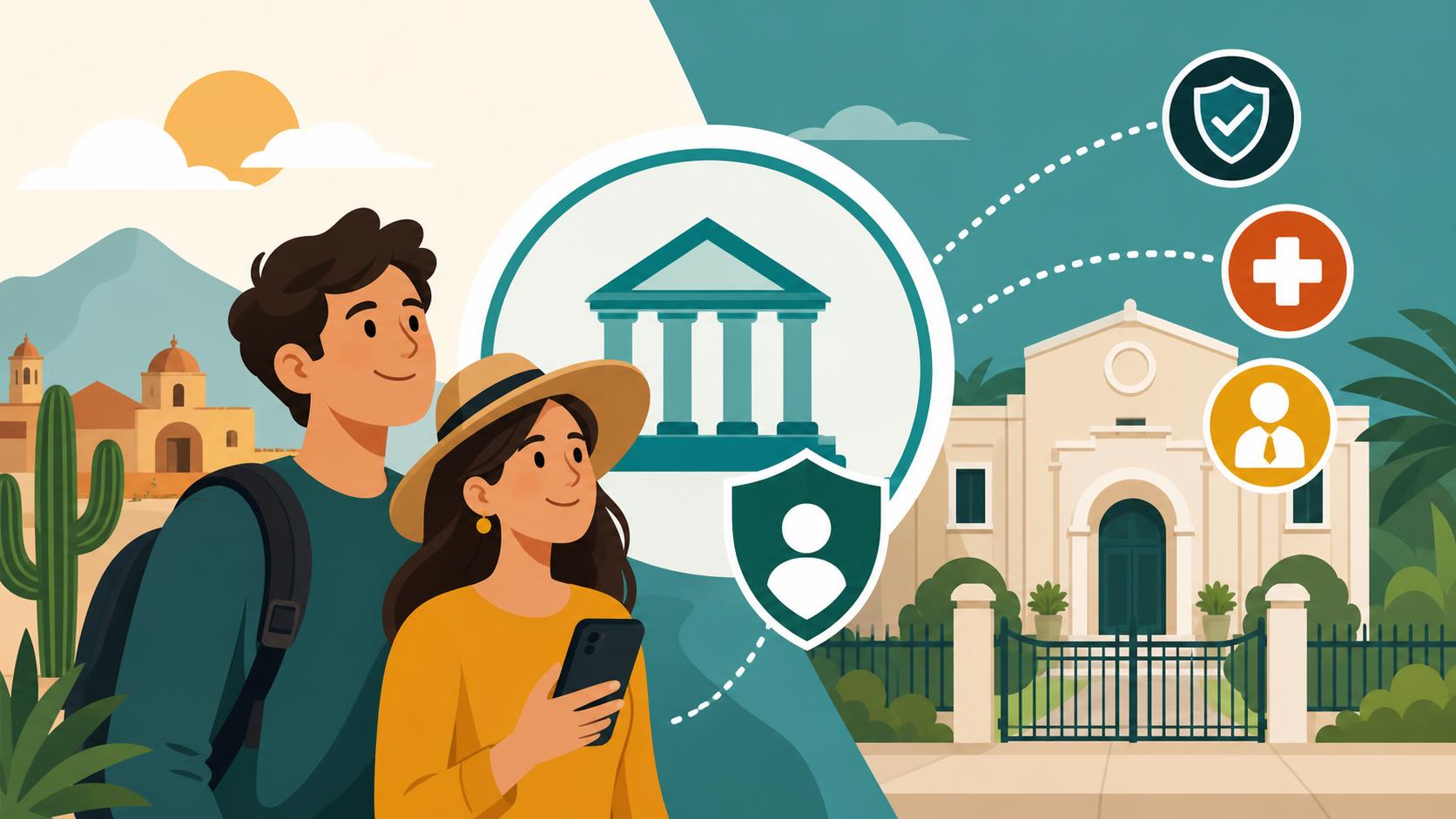
For Americans, the system is known as STEP (Smart Traveler Enrollment Program). It is a free service that allows U.S. citizens and nationals traveling and living abroad to enroll their trip with the nearest U.S. Embassy or Consulate.
To register, you will need to create an account on the STEP website. You’ll be asked for your passport number, your local address in Mexico, and a local phone number. If you haven't set up a local SIM yet, using an e-SIM provider like Airalo can give you immediate data and a way to stay connected while you navigate the registration process. Once enrolled, you will receive "Travel Advisories" and "Alerts" specific to the state you are living in. For example, if you live in Jalisco, you won't be bothered by alerts meant for those in Quintana Roo, unless there is a nationwide emergency.
Registration for Canadians and Other Nationalities
Canadian citizens use a system called "Registration of Canadians Abroad" (ROCA). Much like the US system, it is an online portal where you provide your coordinates and emergency contact information. Canada is particularly proactive about reaching out to its citizens during hurricane season in areas like Cancun and Puerto Vallarta.
European, Australian, and British expats have similar portals. The UK government, for instance, encourages its citizens to follow their social media channels and sign up for email alerts via the Foreign, Commonwealth & Development Office (FCDO). Regardless of your nationality, the core requirement is the same: they need a way to find you when the local infrastructure fails.
| Country | System Name | Enrollment Method | Primary Benefit |
|---|---|---|---|
| United States | STEP | Online Portal | Localized safety alerts & emergency contact |
| Canada | ROCA | Online Portal | Evacuation assistance & family notification |
| United Kingdom | FCDO Alerts | Email Subscription | Real-time travel advice & legal guidance |
| Australia | Smartraveller | Online Portal | Consular support during crises |
What the Embassy Can and Cannot Do for You
There is a common misconception among new expats that the embassy is a sort of "super-parent" that will solve any problem you encounter in Mexico. I've heard stories of people calling the consulate because their landlord kept their deposit or because they couldn't find a specific medication. It’s vital to manage your expectations to avoid frustration.
Consular officers are there to protect your rights as a foreigner and provide a safety net during extraordinary circumstances. They are not there to bypass Mexican law or act as a personal concierge service. Understanding this distinction is a major part of a successful Living in Mexico: Cultural and Practical Guide for New Expats.
Financial and Legal Limits
Your embassy cannot pay your bills, lend you money for rent, or post bail if you are arrested. If you run out of funds, they can help you contact family members to arrange a wire transfer, but they will not dip into taxpayer funds to help you out of a financial hole. This is why having your own financial safety net is essential.
In legal matters, they cannot represent you in court or provide legal advice. If you are arrested, their role is to visit you, ensure you are being treated humanely, and provide a list of local lawyers. They cannot "get you out" of a Mexican jail if you have broken local laws. For more on the logistical side of staying within the law, you should review Navigating Mexico's Immigration System: Visas, INM Procedures, and Regulations.
Crisis Evacuation and Communication
During a large-scale crisis, such as a civil war or a massive natural disaster, the embassy’s primary goal is communication and, if necessary, evacuation. However, evacuation is usually a last resort and is often not free. In many cases, the government will arrange for transport, but you (or your family) will be billed for the cost of the flight later.
Registration ensures you are on the list for these communications. If you aren't registered, the embassy doesn't know you exist, and you may miss the window for the last flight out. They also provide a "Warden" system in some areas, where a local volunteer expat acts as a bridge between the consulate and the community to relay information when the internet is down.
Practical Tips for Staying Connected in Mexico
Once you've registered with your embassy, you need to ensure the information stays relevant. If you move from a rental in Mérida to a house in San Miguel de Allende, you must update your address in the portal. A common mistake I see is people registering once when they arrive and then forgetting about the system for five years.
Staying connected also means having the right tools. I always recommend that expats order a high-capacity power bank and a hand-crank radio from Amazon Mexico as part of their "Go-Bag." If the power goes out after an earthquake, your registered status only helps if your phone has enough juice to receive the embassy's SMS alerts.
Redundancy is Key
Don't rely solely on your home country's phone plan. Many embassy alert systems are optimized for local SMS delivery. Having a local Mexican number is highly recommended. If you are still worried about health emergencies while waiting for embassy updates, make sure you know Emergency Numbers in Mexico: How to Call Police, Fire, or Ambulance and have them programmed into your phone.
I also suggest keeping a physical folder with copies of your passport, residency card, and your embassy registration confirmation. In a severe disaster, digital records might be inaccessible. Having a "hard copy" of your presence in the country can save you hours of headache at a consulate gate.
While you are focusing on safety, don't forget the basics of Staying Healthy in Mexico: Essential Tips for Food, Water, and Preventive Care. A registered expat who is also healthy and prepared is much less likely to need the embassy's help in the first place. Whether you are navigating Health Insurance in Mexico: How Expats Can Get Coverage (2027) or just trying to figure out the local bus system, registration is the foundation of a responsible expat life.
Disclaimer
The information provided in this guide is for informational purposes only and does not constitute legal or official government advice. Enrollment in embassy programs does not guarantee safety or immediate assistance. Always consult with your national embassy’s official website for the most current procedures and regulations regarding citizen registration in Mexico.