Renewing Your Car’s Temporary Import Permit (TIP) After Visa Renewal
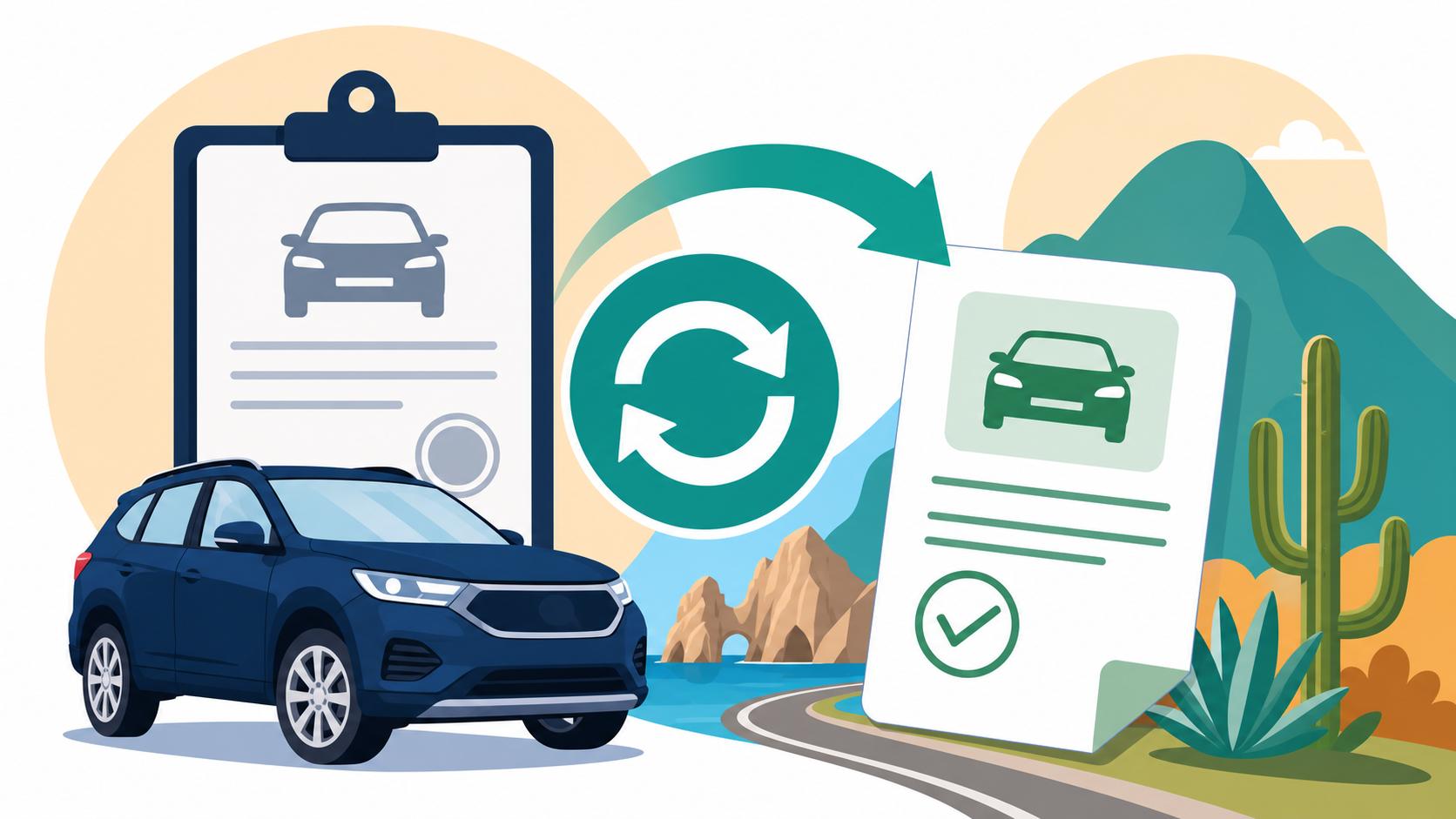
Navigating the labyrinth of Mexican bureaucracy is a rite of passage for every expat, but few things trigger more anxiety than the realization that your vehicle's legal status is tied to your immigration clock. I remember the cold sweat I broke into when I realized my residency card was about to expire and I had no idea how to tell the tax authorities that my car wasn't an illegal overstayer. This guide breaks down the exact steps to synchronize your vehicle permit with your residency to ensure your car stays as legal as you are.
Disclosure: This post may contain affiliate links. We may earn a commission at no extra cost to you if you make a purchase through these links. Read full disclosure.
Understanding the Legal Connection Between Your Visa and Your Vehicle
In Mexico, the legality of a foreign-plated vehicle is inextricably linked to the immigration status of its owner. When you first drove across the border and obtained your Temporary Import Permit (TIP) from Banjercito, the expiration date on that permit was matched precisely to the expiration of your initial entry document, whether that was a tourist FMM or your first one-year residency card. This creates a high-stakes dependency: if your residency expires or changes, and you do not notify the tax authorities (SAT/Aduana), your car effectively becomes "illegal" in the eyes of the law, even if you are in the middle of a legal renewal process.
Why the TIP Expiration Follows Your Visa
The Mexican government views the TIP as a temporary privilege granted to those who are not yet permanent fixtures in the country. For those holding a Mexico Temporary Resident Visa: Comprehensive Guide for Expats (2026 Update), the law allows you to keep your foreign-plated car in the country for as long as your residency status remains "Temporary." However, the SAT system does not automatically talk to the immigration (INM) system. This is the biggest hurdle for most foreigners. You might have your shiny new three-year residency card in hand, but as far as the customs database is concerned, your car’s permission expired the day your old card did. This disconnect is why proactive notification is the only way to protect your vehicle from being impounded at a roadside checkpoint.
The Critical Difference Between Tourist and Resident TIPs
If you entered Mexico as a tourist, your TIP is valid for 180 days and cannot be renewed or extended from within the country. You must drive the car to the border, cancel the permit, and leave. However, for those who have transitioned to residency using The Ultimate Guide to Mexico's Visa and Residency Options (2027 Edition), the rules change significantly. As a temporary resident, your vehicle is allowed to stay in Mexico for the duration of your residency, including all renewals. The catch is that you must "notify" Aduana of every single renewal within a specific window of time. Failure to do so doesn't just result in a fine; it can mean the permanent loss of your TIP deposit, which can be several hundred dollars depending on the age of your vehicle.
The Step-by-Step Process for Extending Your TIP After Visa Renewal
Once you have successfully navigated the Renewing Your Temporary Resident Visa: Timeline and Procedures at the INM office, your next stop is dealing with Aduana (Customs). You cannot do this at Banjercito, which is a common mistake. Banjercito issues the permits, but Aduana manages the extensions for residents. You generally have a window of 15 business days from the date you receive your new residency card to submit your notification to the SAT.
Notifying Aduana Within the Legal Timeframe
The "15-day rule" is the most important piece of timing to memorize. While some offices are more lenient than others, the law states you must submit a formal letter of notification to the Aduana office nearest you or the one where you originally entered the country. In practice, most expats visit the local SAT office or a major Aduana facility at an international airport or seaport. When you submit this notification, you aren't "buying" a new permit. You are simply informing the government that the existing permit should remain valid in their database to match your new residency expiration date. I’ve seen people wait months to do this, only to find that their car’s serial number has been flagged in the national system, making it impossible to renew their insurance or, worse, resulting in the car being seized during a routine traffic stop.
Essential Documentation for Your TIP Extension
Preparation is everything when dealing with Mexican officials. You will need to bring a "packet" of documents, and I always recommend bringing at least three copies of everything. The officials will often keep one set, stamp another for your records, and sometimes ask for an extra "just because." You will need your new residency card, your passport, your current TIP paper (the one with the hologram), and a specific letter written in Spanish. This letter, often called a Aviso de prórroga de estancia de vehículos importados temporalmente, details your vehicle's VIN, your permit number, and your new residency dates.
If any of your primary identification documents or previous visa paperwork are not in Spanish, you may need to look into How to Translate Documents for Your Mexican Visa Application (Certified Translations). While many customs officers speak some English, the official file must be in Spanish. Using a service like RushTranslate can ensure that any supplemental legal documents are accepted without question. Furthermore, ensure your vehicle insurance is up to date; many expats choose Cigna Global for their personal health needs, but remember that your car needs specific Mexican liability coverage that recognizes your resident status.
| Document Required | Number of Copies | Purpose |
|---|---|---|
| New Residency Card | 3 | Proves your legal right to be in Mexico |
| Passport (Bio page) | 2 | Primary identification |
| Original TIP Document | 1 (Original) + 2 Copies | The document being extended |
| Notification Letter | 2 | The formal request to SAT/Aduana |
| Proof of Address | 2 | Utility bill (CFE or Telmex) under 3 months old |
| INM Resolution Letter | 2 | The letter from immigration approving your renewal |
Navigating the Aduana and SAT Bureaucracy
Depending on where you live in Mexico, the experience of notifying Aduana can range from a ten-minute breeze to a three-hour ordeal. If you are in a high-expat area like Lake Chapala or San Miguel de Allende, the local offices are very familiar with this process. However, if you are living in a more remote area, you might need to travel to the nearest "Aduana Interior" or a border crossing.
How to Submit Your Notification In-Person vs Online
While there have been various attempts to move this process online, the most reliable method remains the in-person submission. When you arrive at the office, you will ask for the Oficialía de Partes. This is essentially the intake window for official correspondence. You hand over your letter and copies, and the clerk will "seal" (sellar) your copy with a date stamp and a folio number. This stamped copy is your most precious possession—it is your "Get Out of Jail Free" card if you are ever pulled over. It proves that you have fulfilled your legal obligation to notify the government of your visa change.
If you choose to mail your notification via certified post (SEPOMEX), ensure you use "Acuse de Recibo," which provides a signed receipt of delivery. However, I strongly advise against this unless you live hundreds of miles from an office. The risk of the paperwork being lost in the system is too high when your car's legal status is on the line. For those still learning the ropes, Mexico Immigration Terminology 101: FMM, CURP, RFC and Other Essentials can help you understand the specific jargon the clerks might use during your visit.
Common Pitfalls and How to Avoid Them
The most common mistake is assuming that because you have a Mexico Permanent Residency Explained: A Complete Guide (2027), you can still drive a foreign car. This is a massive trap. Once you transition to Permanent Resident status, you generally lose the right to drive a foreign-plated vehicle in Mexico. You must either nationalize the car (if it’s eligible) or drive it out of the country before your permanent card is issued. I have seen countless expats lose their cars because they thought "Permanent" meant they were "more legal" and therefore their car was too. If you are in the process of upgrading, read Can a Permanent Resident drive a foreign-plated car in Mexico? very carefully before you make your final immigration appointment.
Maintaining Legal Compliance While Your Visa is in Process
There is often a "grey period" where your old visa has expired, but your new card hasn't been issued yet. This is common during the renewal process at INM. During this time, your car's TIP is technically expired, but as long as you have the "in-process" documents, you are protected.
The Role of the Constancia or Proof of Application
When you submit your renewal application to INM, they give you a document with a NUT (Número de Usuario de Trámite). This document, often called a Constancia de Trámite, serves as your legal proof of stay while your new card is being printed. If you are pulled over, showing this alongside your expired TIP and expired residency card is usually sufficient to prove you are in a legal transition. However, you cannot "notify" Aduana until the new card is actually in your hand. The 15-day countdown begins the moment you sign for your new plastic card, not the day you started the application.
Protecting Your TIP Deposit
When you first entered Mexico, you paid a deposit (usually between $200 and $400 USD) to Banjercito. This deposit is only returned if you cancel the TIP at the border while the permit is still valid. By notifying Aduana of your renewals, you keep the permit "alive" in the system. If you fail to notify them, the permit is marked as expired, and the government keeps your deposit. More importantly, if you ever try to drive that car out of Mexico later, you will find that you cannot cancel the permit because it’s already "delinquent" in the system. This can prevent you from ever bringing another foreign vehicle into Mexico in the future. To avoid these financial headaches, many expats use Managing Your Money in Mexico: Budgeting, Saving, and Currency Tips to keep track of these unexpected "bureaucracy costs."
Keeping your car legal is just one part of the expat puzzle. Just as you protect your vehicle's status, make sure you are protecting your health by looking into Health Insurance in Mexico: How Expats Can Get Coverage (2027). Providers like Cigna Global offer international plans that can be a lifesaver if you have a medical emergency while traveling between your home country and your new Mexican residence. Staying on top of these administrative tasks might feel like a full-time job at first, but once you have your system down, it’s just another small price to pay for the incredible lifestyle Mexico offers.
Disclaimer
This article is for informational purposes only and does not constitute legal, financial, or immigration advice. Mexican immigration and customs laws (SAT/Aduana) are subject to frequent changes. Always verify the current requirements with the official Mexican government websites or a certified immigration professional before proceeding with vehicle permit renewals or visa applications.