How to Get Your Fingerprints and Photo Taken for Residency (INM Process)
Walking into a Mexican immigration office (INM) for the first time often feels like stepping into a labyrinth where the rules are written in invisible ink and everyone else seems to have a secret map. I vividly remember standing in a humid hallway in Playa del Carmen at 7:00 AM, clutching a folder of papers and wondering if my hair looked okay for a photo that would last four years. This guide solves the mystery of the biometric stage, ensuring you know exactly what to expect when they finally call your name for fingerprints and photos.
Disclosure: This post may contain affiliate links. We may earn a commission at no extra cost to you if you make a purchase through these links. Read full disclosure.
The Canje Process: Why Fingerprints and Photos Are the Final Step
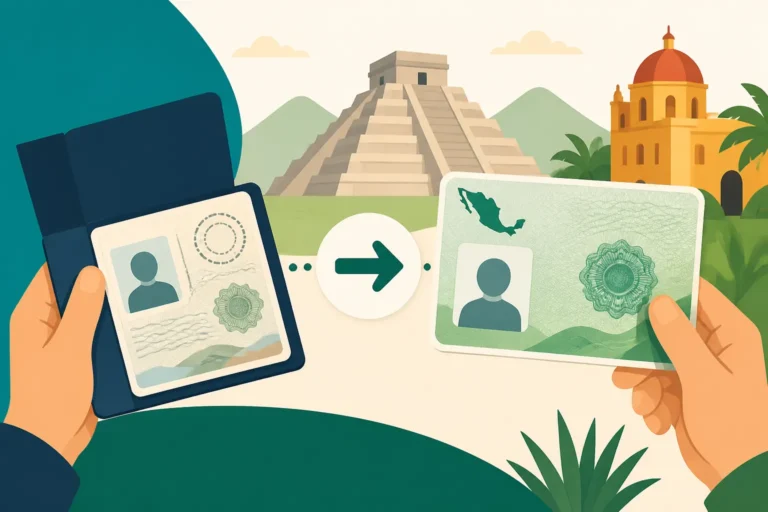
If you have already visited a Mexican consulate in your home country and received a shiny visa sticker in your passport, congratulations—you have completed the hardest part. However, that sticker is merely an entry permit; it is not your actual residency. Once you cross the border, you have 30 days to visit an INM office to trade that sticker for a plastic card. This process is known as the "Canje" (the exchange). The biometric portion—your fingerprints and photographs—is the security cornerstone of this exchange.
The Transition from Visa Sticker to Plastic Card
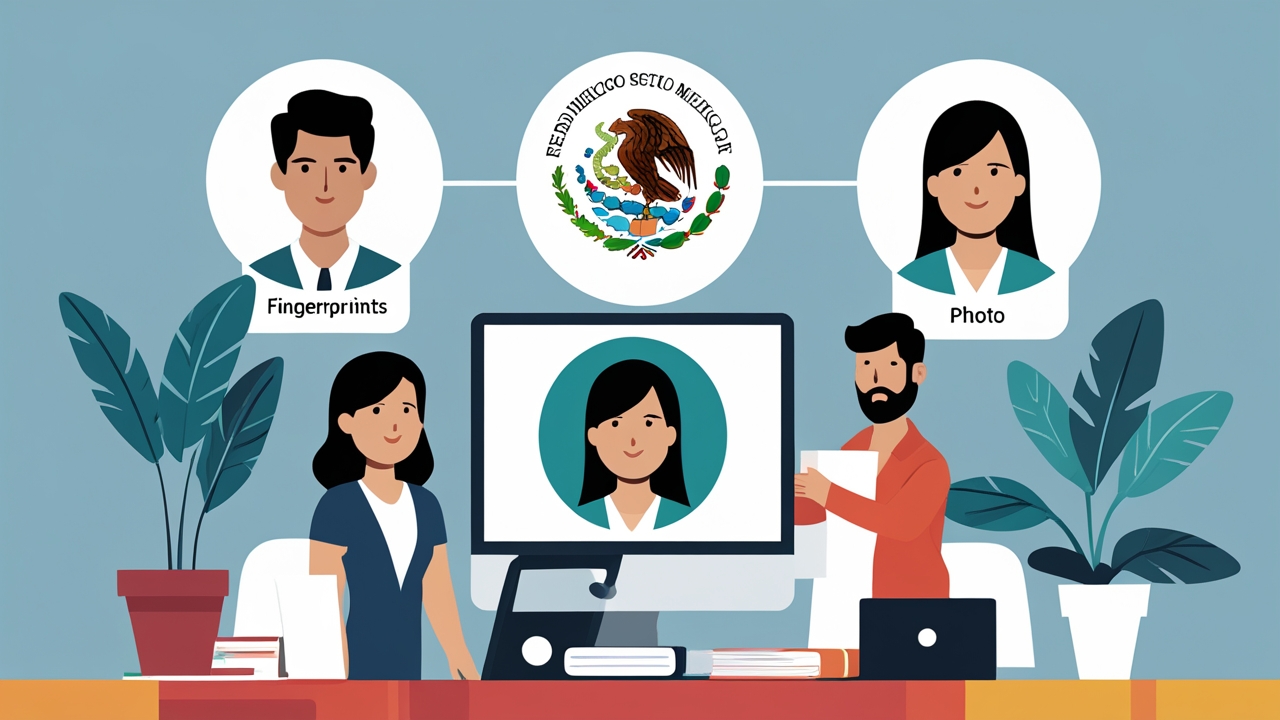
The sticker in your passport essentially tells the border officials that you have been pre-approved. However, the Mexican government needs to register your physical identity within their national database before they issue your Mexico Temporary Resident Visa: Comprehensive Guide for Expats (2026 Update). This is where the fingerprints come in. The INM uses a high-tech scanning system to capture all ten of your prints. This isn't just a formality; it links your physical self to your CURP (unique population registry code) and your legal status in the country. Without this step, your residency isn't "active" in the eyes of the law, which can cause massive headaches if you try to open a bank account or buy a car later on.
Biometrics as a Security and Identification Standard
In 2026, Mexico has tightened its digital security measures. The biometric data collected at the INM is used to prevent identity theft and to ensure that the person holding the card is the person who was vetted at the consulate. For those pursuing Mexico Permanent Residency Explained: A Complete Guide (2027), these biometrics are even more critical because that card never expires. The system needs a high-resolution, standardized "mugshot" and a clean set of prints to ensure your file is ironclad. I’ve seen people get turned away because their fingerprints wouldn’t scan properly due to dry skin or recent gardening work, so taking this step seriously is a must for a smooth transition to expat life.
Understanding the Role of Digital Records
Everything in Mexico is moving toward the digital "Expediente." When you sit down for your biometrics, the officer isn't just taking a picture; they are uploading your data to a centralized server that connects to the tax office (SAT) and the civil registry. This is why you must ensure all the information on your initial application matches your passport exactly. If there is even a one-letter typo in your name, the biometric software might flag an error. Understanding Mexico Immigration Terminology 101: FMM, CURP, RFC and Other Essentials will help you double-check your documents before the officer starts the scan, saving you from a potential "rejected" status that requires a brand-new appointment.
Preparing for Your Appointment: The Logistics of Success
Preparation is the difference between a two-hour visit and an all-day nightmare. You cannot simply walk in and ask for a photo; you need a specific set of documents, a confirmed "formato" from the INM website, and a certain look to satisfy the biometric camera's requirements. Many expats struggle because they treat the INM like a DMV back home, but the bureaucratic culture here requires a bit more finesse and a lot more paper.
Essential Paperwork You Cannot Forget
Before you even think about the camera, your paperwork must be flawless. You will need your passport, your visa sticker, and the FMM (Forma Migratoria Múltiple) that you received when entering the country. Most airports provide a digital FMM, which you must print out beforehand. Additionally, any supporting documents from your home country, like marriage certificates or birth certificates for family members, must be officially translated. I always recommend using a service like RushTranslate for this. They provide the certified translations that Mexican officials demand, and they understand the specific formatting required for immigration files. Bringing a "nearly correct" translation is a surefire way to be sent home.
The Unwritten Rules of the Biometric Photo
Mexican immigration photos are not meant to be glamorous; they are meant to be functional. There are strict rules: your forehead and ears must be visible, you cannot wear jewelry (especially earrings or nose rings), and you cannot wear glasses. I once saw a woman spend twenty minutes trying to tuck her voluminous curls behind her ears because the officer insisted her forehead wasn't "clear enough." If you have long hair, bring a hair tie. Wear a shirt with a collar but avoid white, as it often blends into the background of the photo station, making you look like a floating head. This photo will stay on your card for years, so while you can’t wear heavy makeup or jewelry, try to look presentable and rested.
Navigating the Financial Requirements and Receipts
You must pay for your residency card before the biometric step can be completed. This is usually done at a local bank using a "Hoja de Ayuda" (help sheet) generated by the INM website. You must bring the original bank-stamped receipt and at least two photocopies. If you are also worried about long-term costs like healthcare, it is a good idea to have your Health Insurance in Mexico: How Expats Can Get Coverage (2027) sorted out around this time, as some officers might ask about your financial solvency or insurance status during the interview portion of the Canje. Mentioning a reputable provider like Cigna Global can sometimes give you peace of mind during these interviews, as it shows you are a prepared and responsible resident who won't be a burden on the public system.
The Step-by-Step Experience Inside the INM Office
The actual day of your appointment is an exercise in patience. Depending on the city—Mexico City and Cancun are notoriously busy—you might be standing in line long before the doors open. Once you are inside, the process follows a very specific rhythm. It is helpful to read up on INM Office Visits: What to Expect When Processing Your Visa in Mexico to get a broader sense of the atmosphere, but the biometric room itself is where the "real" work happens.
Arriving and Navigating the Initial Checkpoint
When you arrive, there is usually a "filtro" or a guard at the door who will check your appointment sheet. They aren't there to process you; they are there to make sure you aren't wasting everyone's time. Once you pass the guard, you'll be given a number. Do not lose this number. This is your lifeline. While you wait, you'll notice a lot of frantic whispering among other expats. Ignore the rumors. As long as your documents are in order and your translations from RushTranslate are certified, you are fine. The wait can last anywhere from thirty minutes to four hours, so bring a book—and maybe a portable charger for your phone.
The Biometric Room: Fingerprints and The Mugshot
When your number is finally called, you will enter a smaller office or a partitioned area. The officer will first scan your index fingers, then your thumbs, and then your remaining three fingers on each hand. If your hands are too dry, the scanner won't pick up the ridges. Pro-tip: some officers keep a little tub of moisturizer or a damp cloth for this exact reason. After the prints, you’ll be asked to stand or sit against a white or grey background. Remember: no smiling. Mexican residency photos require a "neutral expression." If you grin, they will make you take it again. The officer will show you the screen briefly to confirm it’s you, and then the data is sent to the card printer.
Dealing with Delays and Technical Glitches
Computers in Mexico occasionally "se cae el sistema" (the system falls down). If this happens while you are in the biometric chair, stay calm. It’s frustrating, but it’s a standard part of the experience. Sometimes the fingerprint scanner is finicky and requires multiple tries. If you’ve spent a lot of time recently at the beach or doing manual labor, your prints might be "faint." Don't panic; the officers have seen it all. If you are worried about the legalities of a delay, you can check Surviving the INM Office: Tips for a Smooth Visa Processing Day for advice on how to handle extended wait times and what to do if you have to come back another day.
After the Biometrics: What Happens Next?
Once the camera flashes and the scanner beeps for the last time, the hard work is mostly done. However, you aren't a resident until that plastic card is in your hand. Depending on the specific office and its current workload, you might receive your card in twenty minutes, or you might be told to come back in two weeks.
Verifying Your Information on the Card
When the officer hands you your card, do not just put it in your wallet and walk away. Check every single character. Is your name spelled correctly? Is your nationality right? Most importantly, check your CURP. Errors are common, and it is much easier to fix a typo while you are still in the building than it is to come back six months later. If you need help understanding the codes on your card, refer to How to Get a CURP as a Foreigner: The Mexican ID Number Explained. A mistake on your residency card can prevent you from getting a Mexican driver's license or registering for the SAT, so be meticulous.
Post-Residency Responsibilities
Now that you are officially a resident, you have certain obligations. You must notify the INM if you change your address, your marital status, or your employer. You also need to consider your long-term stability. Living in Mexico is a dream, but it requires a safety net. This is the perfect time to finalize your Health Insurance in Mexico: How Expats Can Get Coverage (2027). Having a plan through Cigna Global ensures that you have access to the best private hospitals in Mexico, which is a major comfort once the stress of the immigration office is behind you. Additionally, ensure you know How to Translate Documents for Your Mexican Visa Application (Certified Translations) for any future renewals, as you may need updated birth certificates or bank statements.
| Step | Estimated Time | Key Requirement |
|---|---|---|
| Initial Queue | 1–3 Hours | Appointment Confirmation Printout |
| Document Review | 20–40 Minutes | Original Passport & FMM |
| Fingerprinting | 10 Minutes | Clean, Moisturized Hands |
| Photograph | 5 Minutes | No Jewelry, Forehead Visible |
| Card Issuance | 30 Mins – 2 Weeks | Signature & Final Fingerprint |
Summary of the Fingerprinting and Photo Experience
The biometric process is the final bridge between being a visitor and being a resident. While the lines are long and the rules about your hair and earrings might seem arbitrary, it is a vital security step that protects your legal status in Mexico. By arriving prepared with your bank receipts, your professional translations from RushTranslate, and a clear understanding of the "no-smile" policy, you can navigate the INM with confidence. Once that card is in your wallet, the door to your new life in Mexico is officially wide open.
Disclaimer
The information provided in this guide is for informational purposes only and does not constitute legal or professional immigration advice. Immigration laws and procedures in Mexico, including financial requirements and biometric standards, are subject to frequent change. Always consult with the official Instituto Nacional de Migración (INM) website or a certified immigration attorney before beginning your residency process.