Moving to Mexico from Texas and the Southwest: Land Border Freight Costs
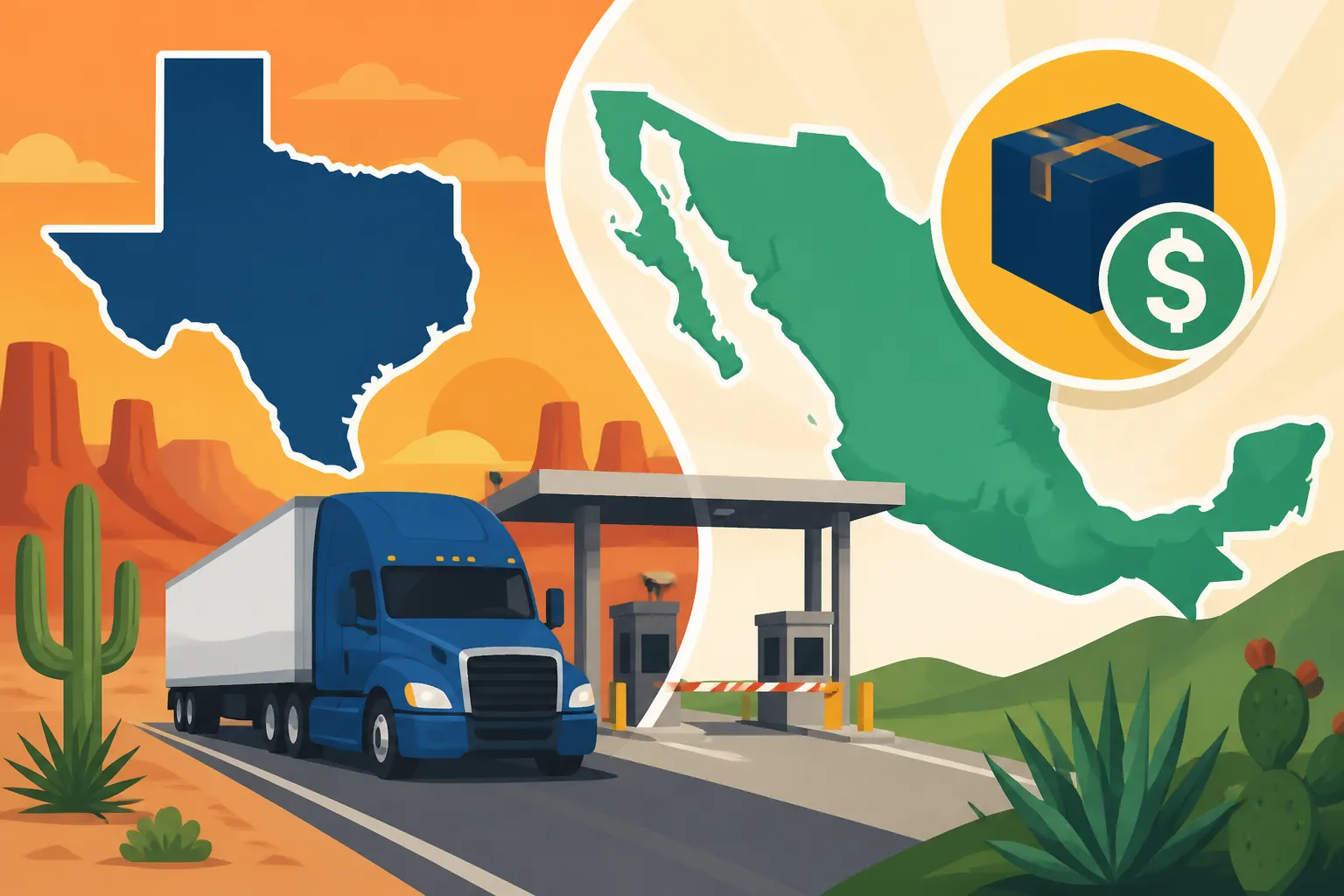
Moving all your worldly possessions across an international border, especially into a country like Mexico from the United States, can feel like navigating a bureaucratic maze blindfolded. You've heard the horror stories, felt the anxiety about customs, and probably wondered if it's even worth bringing your couch. This guide is here to untangle the complexities of land border freight costs and give you a roadmap, highlighting how services like Sirelo can simplify this daunting process for your move to Mexico from Texas and the Southwest.
Disclosure: This post may contain affiliate links. We may earn a commission at no extra cost to you if you make a purchase through these links. Read full disclosure.
The Unique Hurdles of a Land Border Move to Mexico
Anyone who’s driven a pickup truck full of belongings across the border, or even just contemplated it, knows that it’s a whole different ballgame than flying with a few suitcases. Moving your entire household by land from Texas or the wider Southwest means grappling with distinct challenges that require careful planning and, frankly, a good sense of humor. It’s not just packing boxes; it’s entering a different world of rules, regulations, and logistical acrobatics.
Navigating Customs and Documentation
Ah, Mexican customs! This is where dreams of a smooth transition can quickly turn into a paper-choked nightmare if you're not prepared. You can't just throw everything into a U-Haul and drive across hoping for the best. Mexico has strict regulations on what you can bring into the country and, more importantly, how you declare it. The central piece of this puzzle for residents is the menaje de casa, or household goods import permit. Without it, you could face exorbitant import taxes on every single item you own, or even have your goods impounded.
Imagine pulling up to the border, exhausted from hours of driving, only to be told your meticulously packed boxes are essentially contraband because your manifest isn't perfect, or you don't have the right stamp from a consulate. It's a real fear, and for good reason. Every item, from your beloved kitchen blender to your slightly-too-large collection of books, needs to be listed accurately and in Spanish. This isn't a task for the faint of heart, or for those who despise paperwork. The weight of getting it wrong can be incredibly stressful, both financially and emotionally. This is precisely why working with experienced freight forwarders, often found through platforms like Sirelo, is not just a convenience, but almost a necessity for peace of mind. They live and breathe this stuff, allowing you to focus on the human side of your move instead of drowning in a sea of official forms.
Logistics of Ground Transportation
Beyond the paperwork, the actual physical journey of your belongings requires a lot of forethought. Are you planning to drive a rental truck yourself? Are you hiring a dedicated moving company? Each option comes with its own set of considerations. For self-movers, you’ll be dealing with everything from finding a suitable vehicle for the load and navigating Mexican highways (which can be fantastic, or terribly bumpy, depending on where you're going) to understanding road signage in Spanish and managing potential breakdowns.
Think about the sheer size of a moving truck at a busy international border crossing. You'll likely encounter long wait times, meticulous inspections, and the general chaos that often accompanies major ports of entry like Laredo, El Paso, or San Ysidro. The roads themselves can present challenges, from toll roads (which are great but add to the cost) to rural highways where services might be sparse. And what about security? Leaving a truck full of your life's possessions unattended for even a short period can be a terrifying prospect. Professional movers, especially those specializing in cross-border moves, have established routes, understanding of local driving conditions, and protocols for safely transporting your goods, mitigating many of these potential headaches. They often have experience with different routes, knowing which border crossings might be less congested or more efficient for large freight.
Understanding Land Border Freight Costs to Mexico
One of the biggest questions on every expat's mind is, "How much is this actually going to cost me?" And frankly, it's not a simple answer. Land border freight costs to Mexico are dynamic, influenced by a myriad of factors that can swing the final price tag significantly. Budgeting correctly for this move is crucial to avoid unpleasant surprises down the line. It's not just about the fuel; it's a whole ecosystem of expenses that need careful consideration.
Factors Influencing Pricing
When you start getting quotes for moving your goods by land, you’ll notice a significant range. This isn't just movers pulling numbers out of a hat; it’s due to several key factors that directly impact the cost:
- Volume and Weight of Goods: This is perhaps the most obvious. More stuff means a bigger truck, more fuel, and more labor to load and unload. Companies will often quote based on cubic feet or weight. Decluttering ruthlessly before you move can literally save you hundreds, if not thousands, of dollars. Do you really need that dusty old exercise bike?
- Distance to Destination: Moving from, say, El Paso to Ciudad Juárez is a stone's throw compared to moving from Dallas, Texas, to Mérida, Yucatán. The farther into Mexico you go, the higher the fuel costs, toll fees, and driver wages will be.
- Type of Goods and Special Handling: Are you moving fragile antiques, a piano, or just boxes of clothes? Items requiring special crating, temperature control, or white-glove service will naturally incur higher costs.
- Insurance: While optional, opting for comprehensive transit insurance is highly recommended. Accidents happen, and borders can be chaotic. The cost of insurance is a small price to pay for the peace of mind knowing your valuable possessions are protected against damage or loss.
- Seasonality: Just like airfare, moving costs can fluctuate with demand. Peak moving seasons (often summer months, when families move before the school year starts, or the end of the year) might see higher prices due to limited availability of trucks and crews.
- Expedited Services: If you’re in a rush, expect to pay a premium. Standard delivery times are usually more economical.
- Accessorial Services: This includes things like packing/unpacking services, disassembling/reassembling furniture, or storage if there's a delay in your new home being ready.
Understanding these variables helps you compare quotes more effectively. This is where a platform like Sirelo becomes invaluable. Instead of contacting individual companies one by one and trying to compare apples to oranges, Sirelo allows you to input your specific needs and receive multiple, comparable quotes, giving you a clear picture of the market rate and what each service includes. It’s like having a personal moving concierge without the added cost.
Breakdown of Common Expenses
Beyond the base fee for transportation, a cross-border move involves several additional expenses you absolutely need to factor into your budget. Overlooking these can lead to significant financial strain on arrival.
- Fuel and Tolls: Mexico has an excellent network of autopistas (toll roads) that are generally well-maintained and safer than free roads (carreteras libres). However, these tolls add up quickly, especially for long distances. A mover will factor these costs into their quote.
- Labor Costs: This includes the team loading and unloading your truck, both in the U.S. and potentially at your final destination in Mexico.
- Border Crossing Fees: There are often administrative fees associated with crossing freight at the border. These are distinct from customs duties, assuming you have your menaje de casa in order.
- Customs Broker Fees: This is arguably the most critical expense you should not try to skimp on. A reputable customs broker on the Mexican side will ensure your menaje de casa is processed correctly, your manifest is compliant, and your goods clear customs without unnecessary delays or penalties. Their expertise is worth every penny. Trying to navigate Mexican customs yourself, especially with a truckload of household goods, is a recipe for disaster unless you are fluent in Spanish, intimately familiar with Mexican import laws, and enjoy spending days at the border. Many moving companies found through Sirelo either have in-house customs brokers or work closely with trusted partners, streamlining this often-stressful part of the process.
- IVA (Value Added Tax) on Services: Remember that many services in Mexico, including moving services, are subject to IVA, currently 16%. Ensure your quotes are transparent about whether this is included or added on top.
By asking detailed questions and insisting on a comprehensive, itemized quote, you can avoid most surprises. When you use a service like Sirelo, the expectation is that the companies bidding for your business will provide clear breakdowns, because they know they are competing on a transparent platform where hidden fees are quickly exposed through customer reviews. This transparency empowers you, the expat, to make an informed financial decision for your move.
The Menaje de Casa: Your Golden Ticket (or Biggest Headache)
For any expat moving their household goods to Mexico to establish residency, the menaje de casa is not just a document; it's a lifeline. Without it, your carefully curated life possessions could be slapped with hefty import taxes, turning your dream move into a financial nightmare. Understanding this critical piece of paperwork is paramount, and it requires meticulous attention to detail and planning well in advance of your move.
What is the Menaje de Casa and Why is it Crucial?
The menaje de casa translates to "household goods list" or "house inventory." It's an official document issued by a Mexican consulate in your home country that allows you to import your personal household effects into Mexico duty-free as part of your move to establish residency. Think of it as a one-time pass to bring your life's accumulation across the border without being treated like a commercial importer. This privilege is generally granted to those who have obtained a valid Mexican residency visa, either a Mexico Temporary Resident Visa: Comprehensive Guide for Expats (2026 Update) or Mexico Permanent Residency Explained: A Complete Guide (2027).
The reason it's so crucial is simple: without it, Mexico views your imported household goods as new items being brought into the country for sale, and thus subject to import tariffs and IVA. These taxes can easily amount to 16% or more of the declared value of your goods, which, for a full household, can be tens of thousands of dollars. The menaje de casa explicitly states that these items are used household goods for your personal use, not for commercial purposes. It's designed to facilitate the relocation of bona fide residents. The key takeaway here is: do not attempt to move your household goods into Mexico without a valid menaje de casa if you intend to become a resident. It's a risk not worth taking. Professional moving companies, particularly those listed on platforms like Sirelo, have extensive experience with this process and can offer guidance on compiling your inventory and preparing for the consulate appointment. They are your allies in ensuring this critical step is handled correctly.
Step-by-Step for Acquiring Your Menaje de Casa
The process for obtaining your menaje de casa typically involves a visit to a Mexican consulate in your current country of residence. Here's a general outline, but always check the specific requirements of the consulate you plan to visit, as they can vary slightly:
- Obtain Your Residency Visa First: This is non-negotiable. You must already have your valid temporary or permanent resident visa before applying for the menaje de casa. Without it, the consulate won't process your application. You'll need to show proof of your visa, often the visa sticker in your passport. If you're still working on your visa, make sure to read The Ultimate Guide to Mexico's Visa and Residency Options (2027 Edition) for comprehensive guidance.
- Create a Detailed Inventory List: This is perhaps the most painstaking step. You need to create a complete list, in Spanish, of every single item you plan to bring into Mexico. This isn't just "20 boxes of kitchen stuff." It means "1 blender, used; 4 plates, used; 6 forks, used." Grouping items is allowed (e.g., "1 box of used books"), but it needs to be specific enough for customs to understand. You'll need to declare the approximate value of each item or group of items. Importantly, only used household goods are covered; new items still in their packaging might not be allowed or could be subject to duties. The golden rule: be meticulous and honest.
- Gather Required Documents: Typically, you'll need:
- Your valid passport.
- Your valid Mexican residency visa (Temporary or Permanent).
- Proof of residence in your current country (e.g., utility bill with your name and address).
- Proof of residence in Mexico (if you have it already, like a rental agreement, otherwise an address you'll be moving to).
- The completed inventory list in Spanish, often typed and duplicated.
- A sworn statement (sometimes provided by the consulate) declaring the goods are for your personal use and not for sale.
- Payment for the consular fee (which can vary, so check ahead).
- Schedule a Consulate Appointment: Most consulates require an appointment for this service. Book it well in advance, as wait times can be long.
- Consulate Visit: During your appointment, consular officials will review your documents and inventory list. They will stamp and sign your menaje de casa, certifying its authenticity. You’ll usually receive several copies: one for you, one for the customs broker, and one for the border.
- Validity: The menaje de casa is usually valid for a limited time (e.g., 6 months to a year) from its issuance date. You must import your goods within this timeframe.
This process highlights the crucial planning needed. Many expats underestimate the time and precision required for the menaje de casa. This is a prime example of where utilizing moving services vetted through Sirelo can dramatically ease your burden. These companies are accustomed to the menaje de casa requirements and can often provide templates for the inventory list and advise you on common pitfalls, helping you to compile it accurately and efficiently. For additional guidance on what you can and cannot bring, it’s worth reviewing resources like Customs Tips for New Residents: What You Can Bring When Moving to Mexico.
| Menaje de Casa Checklist | Status | Notes |
|---|---|---|
| Valid Passport | ✅ | Ensure it has sufficient validity. |
| Mexican Residency Visa (Temp. or Perm.) | ✅ | Must be approved and stamped in your passport. |
| Proof of Residence in Origin Country | ✅ | E.g., utility bill, driver's license. |
| Proof of Residence in Mexico (if available) | ✅ | Rental contract, utility bill for your new address. |
| Detailed Inventory List (in Spanish) | ✅ | Itemized, used items only, approximate value. |
| Sworn Statement (if required by consulate) | ✅ | Declares non-commercial use of goods. |
| Consular Fee Payment | ✅ | Check current fees and acceptable payment methods. |
| Appointment Confirmation | ✅ | Book well in advance. |
| Copies of all documents | ✅ | Keep several sets for the consulate, yourself, and the customs broker. |
Choosing the Right Freight Forwarder and Moving Company
The success of your cross-border move hinges largely on the moving company you choose. This isn't just about finding someone with a truck; it's about finding a partner who understands the intricacies of international logistics, particularly the unique challenges of the U.S.-Mexico land border. A good moving company can transform a potential nightmare into a relatively smooth experience, while a bad one can lead to stress, lost items, and unexpected costs.
What to Look for in a Cross-Border Mover
When you're entrusting your entire household to a company for an international move, vetting them thoroughly is non-negotiable. Here are the critical aspects to consider:
- Experience with Mexico: This is paramount. A company that primarily moves goods within the U.S. might be excellent domestically, but they could be completely lost at the Mexican border. Look for movers with a proven track record of successful cross-border shipments to Mexico. They should be familiar with the different border crossings, the menaje de casa process, and Mexican customs regulations. Ask for references from past clients who moved to Mexico.
- Customs Expertise: As discussed, the menaje de casa and Mexican customs are complex. Your mover should either employ or partner directly with a licensed Mexican customs broker. They should be able to clearly explain their process for handling customs clearance and what specific documents they will require from you. If a company glosses over the customs process, consider that a major red flag.
- Insurance Coverage: Ensure the company offers robust transit insurance that covers your goods from door-to-door, including the international leg of the journey. Understand what types of damage or loss are covered, the claims process, and any deductibles. Don't assume your existing home insurance will cover international transit; most policies do not.
- Communication and Transparency: Moving is stressful enough without feeling like you're in the dark. A good company will have clear communication channels, provide regular updates, and be responsive to your questions. They should offer a detailed, itemized quote that spells out all costs, not just a lump sum.
- Reputation and Reviews: Check online reviews and testimonials. Are there consistent complaints about delays, hidden fees, or damaged goods? Look for movers with a strong positive reputation. Expat forums and groups can also be excellent sources for recommendations and warnings.
- Logistical Capabilities: Do they handle all aspects of the move themselves, or do they subcontract parts of the journey? While subcontracting isn't inherently bad, you need to understand who will be responsible at each stage and how communication will flow.
Taking the time to research and interview potential movers can save you immense stress and money in the long run. Remember, this isn't just a transaction; it's a partnership for one of the most significant logistical undertakings of your life.
The Benefits of Using a Platform like Sirelo
In the past, finding reliable international movers meant endless phone calls, disparate quotes, and a lot of guesswork. Today, platforms like Sirelo have revolutionized this process, making it significantly easier and more transparent for expats moving to Mexico. Sirelo acts as a vital bridge, connecting you with reputable moving companies that specialize in international relocations, particularly those familiar with the Mexico corridor.
Here's why Sirelo is your hero in this complex journey:
- Access to Multiple, Vetted Quotes: Instead of spending hours contacting individual movers, you fill out one request on Sirelo with your moving details. You then receive multiple competitive quotes from a network of pre-screened, professional moving companies. This saves you immense time and effort, and crucially, it allows for easy comparison of services and prices. You're not just getting "a quote"; you're getting a range of options from companies known for their cross-border expertise.
- Transparency and Comparison: Sirelo's structure encourages transparency. Movers know they are competing, so they tend to be more upfront with their pricing and services. This enables you to easily compare not just the cost, but what each quote includes, preventing hidden fees down the road. You can see how one company's approach to customs documentation or insurance differs from another's.
- Customer Reviews and Ratings: One of the most powerful features of Sirelo is access to real customer reviews and ratings. You can see firsthand experiences from other expats who have used these companies for similar moves. This peer feedback is invaluable for evaluating a mover's reliability, communication, and overall service quality, far more trustworthy than a company's own marketing materials.
- Specialization in International Moves: The companies on Sirelo's network often specialize in international moves, meaning they are inherently more familiar with the specific requirements for moving to Mexico, including the dreaded menaje de casa. This expertise drastically reduces the risk of bureaucratic hang-ups at the border.
- Streamlined Process: Sirelo simplifies the entire selection process. You don't have to explain your move repeatedly; all the information is captured once. This efficiency allows you to focus on other aspects of your move, like getting your residency visa in order or finding your new home. For those navigating the labyrinth of Mexican bureaucracy, having one less major headache is a huge win.
If you’re moving your household goods to Mexico, especially from Texas or the Southwest, leveraging a platform like Sirelo is a smart move. It transforms the overwhelming task of finding a reliable international mover into a manageable, transparent process, ensuring your precious belongings arrive safely and legally. Start your journey with Sirelo and experience a smoother transition to your new life in Mexico.
Preparing Your Belongings for the Journey
Once you've chosen your moving partner, the next critical phase is preparing your actual belongings. This involves far more than simply tossing items into boxes; it requires strategic planning, meticulous inventory, and careful packing to ensure your possessions survive the journey and sail through customs. Overlooking these steps can lead to unnecessary delays, damage, or even confiscation of items.
Inventory and Declaring Goods
The importance of a precise inventory cannot be overstated, especially for a cross-border move to Mexico. This isn't just for your own records; it's the backbone of your menaje de casa and what Mexican customs officials will scrutinize.
- Meticulous Listing: Every single box and significant item needs to be accounted for. As previously mentioned, the menaje de casa requires a detailed list in Spanish. This means describing contents accurately (e.g., "used kitchenware," "personal clothing," "children's toys"). For larger items, list them individually.
- No New Items: Remember the rule: the menaje de casa is for used household goods. Customs officials are generally looking for signs of commercial intent. If you have brand-new items still in their original packaging, especially electronics or furniture, these might be flagged and subject to duties, even with a menaje de casa. If you must bring new items, discuss this with your customs broker or moving company beforehand to understand the implications and potential taxes.
- Value Declaration: You'll need to assign an approximate value to your items for the inventory. This helps determine insurance coverage and, in the unlikely event of issues, assists customs in assessing potential duties if any non-compliant items are found. Be realistic but avoid overvaluing, which could lead to higher insurance premiums, or undervaluing, which could be problematic if damage occurs.
- Prohibited and Restricted Items: This is a crucial area. Mexico has strict regulations on certain goods. Firearms, illegal drugs (obviously), certain chemicals, and some agricultural products are strictly prohibited. Other items, like certain Bringing Prescription Medications from Home: Rules and Tips for Expats, alcohol, or tobacco, might have quantity restrictions or require special permits. Your moving company and customs broker should advise you on these, but it’s your ultimate responsibility to ensure your shipment complies. Don't try to sneak things in; it rarely ends well and can put your entire shipment at risk.
- Visual Documentation: Before packing, consider taking photos or videos of your valuable items, especially electronics and furniture, to document their condition. This provides crucial evidence for insurance claims if anything is damaged during transit.
This detailed inventory serves multiple purposes: it satisfies consular and customs requirements, provides a record for your insurance, and helps you keep track of your possessions. Many moving companies on Sirelo can provide templates or guidance on how to best compile this list, making a daunting task much more manageable.
Packing Best Practices for a Cross-Border Move
Packing for a cross-border move isn't like packing for a local one. Your belongings will likely endure longer transit times, more handling, and potentially varied climates. Investing time in proper packing can prevent heartache later.
- Quality Packing Materials: Do not skimp on boxes. Use sturdy, double-walled moving boxes. Invest in good quality packing tape that won't give out. Bubble wrap, packing paper, and furniture blankets are your friends. If your moving company offers professional packing services, strongly consider it, especially for fragile or valuable items. They have the expertise and materials to ensure maximum protection.
- Strategic Labeling: Label every box clearly on multiple sides. Include your name, the destination room in your new home (e.g., "Cocina," "Dormitorio Principal"), and a brief description of contents. Numbering boxes sequentially and keeping a master list corresponding to your detailed inventory can be a lifesaver for tracking and unpacking.
- Protection for Fragile Items: Wrap fragile items individually with ample padding. Pack plates on their side, not flat. Fill empty spaces in boxes with crumpled paper or soft materials to prevent shifting. Clearly mark boxes containing fragile items with "FRÁGIL" in large, clear letters.
- Disassembly and Protection of Furniture: If your furniture needs to be disassembled, ensure all hardware is collected and secured in clearly labeled bags, ideally taped to the corresponding piece of furniture. Protect edges and vulnerable surfaces with moving blankets and stretch wrap.
- Separate Essentials: Pack a "first night" box or suitcase with essentials you'll need immediately upon arrival – toiletries, a change of clothes, basic kitchen supplies, important documents, medications, and chargers. Keep this with you, not with the freight. Remember, your freight could take several days or even weeks to arrive after you cross the border.
- Avoid Liquids and Perishables: Do not pack liquids, aerosols, or perishable food items. These can leak, spoil, attract pests, or be considered hazardous, leading to issues with customs or damage to other items.
By meticulously preparing your belongings, you're not just safeguarding them physically; you're also laying the groundwork for a smoother customs clearance and a less stressful unpacking experience in your new Mexican home. This attention to detail is a hallmark of a successful international move. For a broader perspective on what to bring and what to leave behind, check out Moving to Mexico: What to Pack and What to Buy Locally.
Navigating the Border Crossing with Your Shipment
The moment of truth arrives when your shipment reaches the U.S.-Mexico border. This can be one of the most nerve-wracking parts of the entire process, even if you’ve hired a professional mover. While your chosen freight forwarder will handle the lion's share of the interaction, understanding the dynamics of the border crossing and being prepared for potential scenarios can significantly reduce your anxiety. It's an environment where patience and preparedness are truly virtues.
The Customs Process at the Border
Even with a menaje de casa and a customs broker, expect a thorough process. Mexican customs officials have the right to inspect any shipment entering the country.
- Arrival and Documentation Review: Your truck will arrive at the designated commercial customs point. The customs broker will present all the necessary documentation, including your menaje de casa, the detailed manifest, the bill of lading, and your residency visa information. They'll liaise directly with customs officials.
- Potential for Inspection: While not every shipment is fully unloaded and inspected, it's a possibility you must be prepared for. Customs officials might randomly select your truck for a full inspection, or they might conduct a partial check, opening a few boxes to verify the contents against your manifest. This is why accuracy in your inventory is paramount. Any discrepancies or undeclared items can lead to significant delays, fines, or even the seizure of goods. The process can be slow, sometimes taking hours, or even an entire day, depending on the volume of traffic and the mood of the officials.
- X-Ray Scans: Many border crossings utilize large X-ray scanners for freight. Your truck will likely pass through one of these, which helps officials quickly identify anything suspicious without a full manual unload.
- Patience is Key: This isn't a race. Border crossings operate on their own timeline. Expect delays, even if everything is perfectly in order. Trying to rush officials or showing frustration will likely backfire. Trust your customs broker to manage the process; they understand the nuances and local customs of the border agents.
- Communication with Your Mover: Your moving company or customs broker should keep you informed during this stage. While you won't typically be present at the commercial freight crossing yourself, a good mover will provide updates on the status of your shipment as it clears customs.
The border is where the rubber meets the road, quite literally. While the paperwork might have been a headache at the consulate, the physical crossing is where every detail of that paperwork is put to the test. This intricate dance with bureaucracy is precisely why a reputable cross-border mover, perhaps one you connected with through Sirelo, is an invaluable asset, ensuring all regulations are met and potential issues are proactively addressed.
Handling Unexpected Delays and Issues
Even with the most meticulous planning and the best moving company, unexpected issues can arise at the border. Being mentally prepared for these can save you a lot of stress.
- Common Causes for Delays:
- High Volume: Busy periods or national holidays can simply mean long lines.
- Paperwork Discrepancies: Even minor errors or omissions in your menaje de casa or manifest can trigger a deeper review.
- Random Inspections: Sometimes, it's just bad luck – your truck is chosen for a thorough inspection.
- System Glitches: Computer systems can go down, causing widespread delays.
- Staffing Issues: Insufficient staff on duty at customs can slow everything down.
- Communication is Paramount: This is where the communication aspect of your chosen moving company truly shines. They should inform you immediately of any significant delays and explain the reason. Don't be afraid to ask questions, but allow them to work their magic.
- Contingency Planning: A good moving company will have contingency plans. This might involve temporary warehousing if a shipment can't clear customs within a day, or re-routing if a particular border crossing is experiencing unusual issues. Discuss these possibilities with your mover in advance.
- Financial Implications of Delays: Be aware that extended delays could potentially incur additional costs, such as demurrage fees for the truck or storage fees. Clarify with your mover how these unforeseen costs would be handled. This is another area where transparency in your initial quote from a Sirelo-recommended company is vital.
- Restricted/Prohibited Items: If a prohibited item is discovered, it will likely be confiscated, and you might face fines. If a restricted item (like too much alcohol) exceeds limits, the excess might be confiscated or require immediate payment of duties. This underscores the need to be fully compliant with Customs Tips for New Residents: What You Can Bring When Moving to Mexico.
Ultimately, the land border crossing is a test of patience and trust in your chosen professionals. By understanding the process, preparing diligently with your menaje de casa and inventory, and choosing a reputable cross-border mover, you can significantly mitigate the stress and ensure your household goods make it safely into your new life in Mexico. This entire journey, from packing to crossing, is part of your grand adventure, and with the right support, it can be a manageable one.
Disclaimer
Please note that while this guide aims to provide comprehensive and up-to-date information for expats moving to Mexico, regulations regarding visas, customs, and freight can change. Always verify current requirements with official Mexican government sources (consulates, INM, SAT) and consult with immigration lawyers, customs brokers, or professional moving companies for advice specific to your situation. This content is for informational purposes only and does not constitute legal or financial advice.