Veracruz, Manzanillo, or Altamira? Choosing a Port of Entry for Mexico
Moving your entire life to Mexico can feel like a Herculean task, especially when you start looking at the logistics of getting your household goods across the border. The moment you realize you have to choose a port of entry for your precious belongings, a new layer of stress hits. Veracruz, Manzanillo, or Altamira—which one is right for you? This guide will demystify these choices, help you understand the nuances, and show you how a trusted platform like Sirelo can simplify this overwhelming process.
Disclosure: This post may contain affiliate links. We may earn a commission at no extra cost to you if you make a purchase through these links. Read full disclosure.
Understanding Mexico's Major Ports of Entry for Household Goods
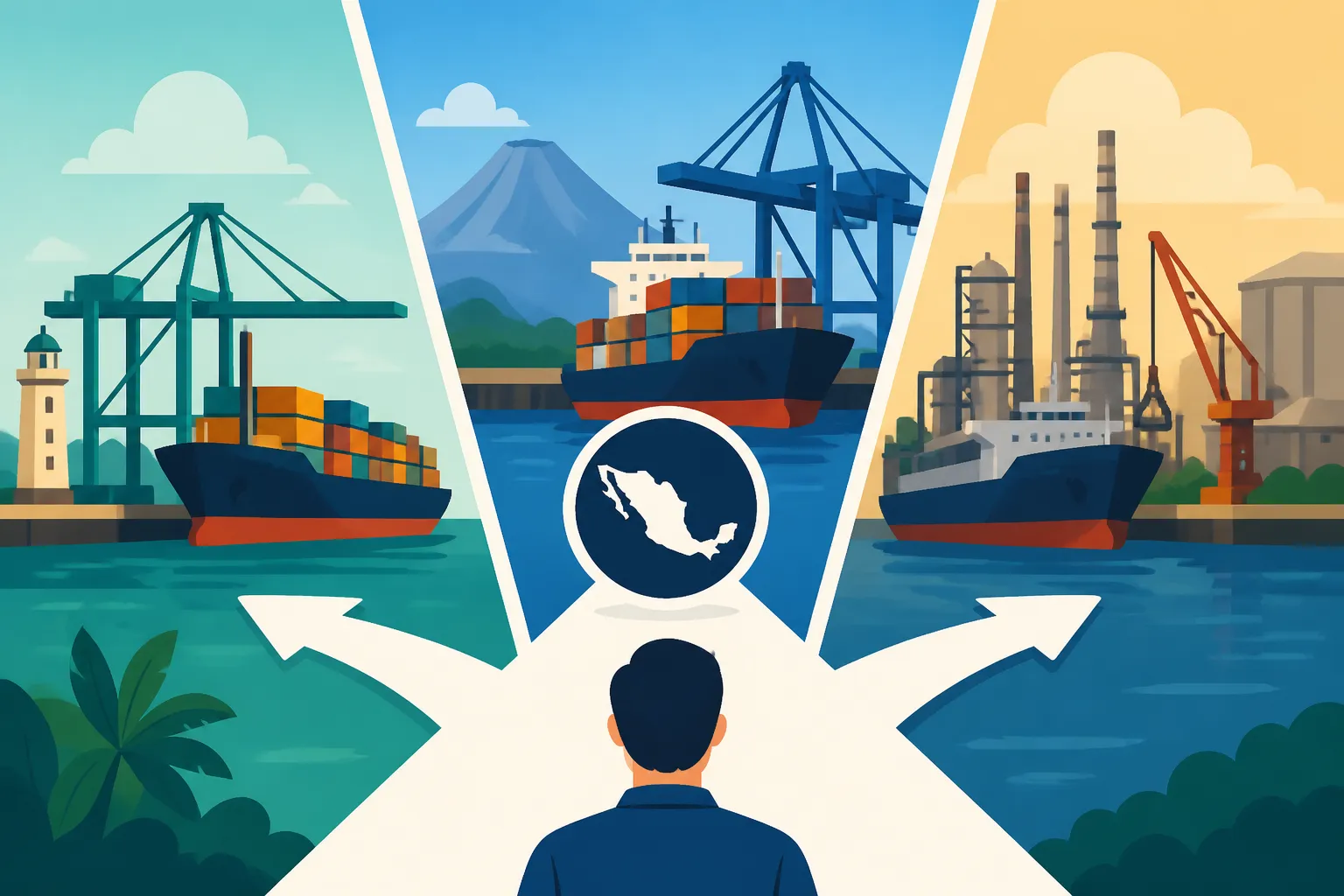
When you decide to move your household goods to Mexico via sea freight, you'll inevitably come across three main ports: Veracruz and Altamira on the Gulf Coast, and Manzanillo on the Pacific. Each has its own characteristics, advantages, and potential headaches, which is typical of Mexican bureaucracy, isn't it? It’s not just about where your stuff physically lands, but how smoothly it sails through customs.
Veracruz: The Traditional Gateway
Veracruz, often seen as Mexico's oldest and most traditional port, holds a significant place in the country's history and commerce. Located on the Gulf of Mexico, it's a bustling hub with a long-standing infrastructure for international trade. For many years, it was the go-to port for cargo arriving from Europe and the Eastern United States.
Historically, Veracruz has handled a vast array of goods, and while it's well-equipped, it can also be incredibly busy. Think of it as a historical old city: lots of charm, but also lots of traffic and winding paths. For expats moving to central or eastern Mexico, Veracruz might seem like the most logical choice due to its geographical location. If you’re heading to Puebla, Mexico City, or even parts of Oaxaca, Veracruz offers a relatively straightforward inland route. However, this popularity can sometimes translate to longer processing times, as customs officials are dealing with an immense volume of incoming shipments. Your shipment might be just one small fish in a very large pond.
Manzanillo: The Pacific Powerhouse
On the other side of the country, along the Pacific coast, lies Manzanillo. This port is often cited as Mexico's busiest and most important port for Pacific trade, connecting primarily with Asia and the Western United States. If your journey starts from California, Asia, or Oceania, Manzanillo is likely to be the default choice presented by your moving company.
Manzanillo is a massive, modern port with impressive capacity and efficient operations. It's often favored for its infrastructure and ability to handle large volumes of containerized cargo, including household goods. For expats settling in destinations like Guadalajara, Puerto Vallarta, or even further south towards Oaxaca's coast, Manzanillo offers excellent connectivity. While it boasts efficiency, don't let that fool you into thinking it's always a breeze. The sheer volume of goods passing through can still lead to delays, especially during peak shipping seasons or if your documentation isn't absolutely perfect (and let’s be honest, whose is, the first time around?).
Altamira: The Gulf's Modern Alternative
Just north of Veracruz, also on the Gulf Coast, you'll find Altamira. This port is a more modern, purpose-built facility compared to its older sibling to the south. It's often preferred for industrial cargo and bulk goods, but it also handles containerized shipments, including personal effects.
Altamira presents an interesting alternative, particularly if you're moving to northern or central Mexico, or if you want to avoid some of the congestion that Veracruz can sometimes experience. It might not have the historical gravitas of Veracruz or the sheer scale of Manzanillo, but its more streamlined, industrial focus can sometimes mean quicker processing for certain types of cargo. If your final destination is Monterrey, San Luis Potosí, or Querétaro, Altamira could be a very viable option, potentially cutting down on inland transport time and costs compared to bringing your goods all the way from Manzanillo or even from a jam-packed Veracruz.
Factors to Consider When Choosing Your Port of Entry
Deciding which port your precious belongings should arrive at isn't a simple toss of a coin. It involves a thoughtful assessment of several key factors, all of which impact your timeline, your budget, and ultimately, your sanity. As someone who's been through the moving wringer more times than I care to admit, I can tell you that a little foresight here saves a lot of headaches down the line. This is where a service like Sirelo really shines, as they can help you weigh these pros and cons based on your specific situation.
Your Final Destination in Mexico
The most immediate and practical consideration is where you're actually going to live. Mexico is a huge country, and inland transportation can be both costly and time-consuming. Imagine shipping your container to Manzanillo only to find out you're settling in Cancún! That's a cross-country trek that will add significant cost and transit time.
- East/Central Mexico (e.g., Mexico City, Puebla, San Miguel de Allende, Querétaro, Oaxaca): Veracruz or Altamira will generally be your most direct and cost-effective options for inland transport. Veracruz is a solid choice for destinations further south and east of Mexico City, while Altamira might be slightly more convenient for destinations further north like Monterrey or Querétaro. For those eyeing the colonial charm of San Miguel de Allende, either Gulf port offers reasonable truck routes.
- West/Pacific Coast (e.g., Guadalajara, Puerto Vallarta, Lake Chapala, Baja California): Manzanillo is almost always the best bet here. Its proximity to major expat hubs in the west drastically reduces inland freight costs and delivery times. If you’re dreaming of a life in Lake Chapala, your furniture will have a much shorter journey from Manzanillo.
- Yucatán Peninsula (e.g., Mérida, Playa del Carmen, Cancún): This region is a unique case. While all three main ports are quite a distance, some specific services might route through smaller regional ports like Progreso, or a specialized carrier might offer a combined sea-land route that starts at a major port and utilizes efficient trucking. However, for most large shipments, the larger ports will be used, and then overland transport will be factored in. For these destinations, it's crucial to get detailed quotes that factor in the entire journey.
A good moving platform like Sirelo can help you compare routes and costs based on your exact final address.
Type and Volume of Your Shipment
What are you actually bringing? Are you shipping a few boxes of cherished belongings, or are you bringing your entire household, including the kitchen sink? The size and nature of your shipment will influence the options available and the complexity involved.
- Full Container Load (FCL): If you're bringing a substantial amount of goods (e.g., a 20-foot or 40-foot container), you'll have more flexibility in choosing a port based on your destination and the overall transit time. FCL shipments typically move directly and don't require consolidation.
- Less than Container Load (LCL) / Groupage: For smaller shipments that don't fill an entire container, your goods will be consolidated with others going in the same general direction. This can sometimes limit your port options, as the consolidator will choose the most efficient port for their overall cargo. LCL can be more complex to track and can take longer due to the extra handling and consolidation process. However, for many expats, LCL is a much more affordable option than FCL. When coordinating LCL, ensure your moving company or a platform like Sirelo is clear about the intended port and estimated timeline.
Considering how much you're shipping also ties into how much of your current life you want to bring. Sometimes, it's more cost-effective to Moving to Mexico: What to Pack and What to Buy Locally than to ship everything.
Costs and Customs Procedures
Ah, the dreaded costs and procedures! This is where many expats get caught off guard. Beyond the obvious freight charges, there are port fees, customs duties, storage fees (if delays occur), and the indispensable customs broker fees. These can add up quickly.
- Freight Costs: These vary significantly based on origin, destination port, and shipping method (FCL vs. LCL).
- Customs Duties and Taxes: Mexico has specific tariffs on imported goods. While your household goods (menaje de casa) might be eligible for duty-free entry, ensuring everything meets the criteria and is correctly documented is paramount. Any item that doesn't fit the menaje de casa exemption can incur significant duties. For instance, Duty-Free Import of Household Goods: Using Menaje de Casa with Your Visa is a vital read.
- Customs Broker Fees: You absolutely need a customs broker (agente aduanal) in Mexico. They are legally required to clear your goods through customs. Their fees are a necessary part of the budget.
- Storage Fees: If your shipment experiences delays at the port due to incomplete documentation, customs inspections, or logistics issues, you will incur storage fees (demurrage for containers, storage for LCL). These can quickly erode any savings you thought you were getting.
A platform like Sirelo allows you to compare quotes from multiple international moving companies, which often include these various costs, giving you a clearer picture of the total expenditure. They also work with movers who have established relationships with reliable customs brokers, smoothing out the process considerably.
Navigating the Customs and Import Process in Mexico
Once your ship docks, the real fun begins: Mexican customs. This is often the most anxiety-inducing part of moving your household goods. It’s a process fraught with paperwork, potential delays, and a learning curve that can feel steeper than a pyramid at Teotihuacán. But don’t worry, you’re not alone, and there are ways to navigate it, especially with good guidance.
The Indispensable Role of a Customs Broker
Let me be crystal clear: you cannot clear your household goods through Mexican customs yourself. It's simply not permitted for foreigners. You absolutely, unequivocally need an agente aduanal, a licensed Mexican customs broker. They are the gatekeepers, the navigators, and frankly, your best friends during this stage.
Their role is comprehensive:
- Documentation Review: They will scrutinize all your paperwork to ensure it meets Mexican legal requirements. This often includes your visa, passport, and the most crucial document: your Menaje de Casa.
- Customs Declaration: They prepare and submit the official customs declaration (pedimento) for your shipment.
- Tariff Classification: They ensure all your items are correctly classified according to Mexico's customs tariff codes, which determines any applicable duties.
- Customs Inspection Coordination: If your shipment is selected for a physical inspection (and many household goods shipments are), the broker will coordinate this with customs officials.
- Payment of Duties and Fees: They facilitate the payment of any necessary duties, taxes (like IVA), and port fees on your behalf.
Choosing the right customs broker is crucial. You want someone reputable, experienced, and transparent with their fees. Often, the international moving company you hire through a platform like Sirelo will have preferred brokers they work with, which can streamline communication and efficiency. Don’t try to cut corners here; a good broker is worth every penny.
Essential Required Documentation
Bureaucracy in Mexico loves its paperwork, and importing your household goods is no exception. Missing or incorrect documents are the number one cause of delays and extra costs. Here’s a rundown of what you’ll typically need:
- Valid Passport: Of course!
- Mexican Residency Visa: You must have a valid temporary or permanent resident visa (Residente Temporal or Residente Permanente) to import your household goods duty-free under the Menaje de Casa exemption. You generally cannot import household goods as a tourist. This is a critical point; ensure your Mexico Temporary Resident Visa: Comprehensive Guide for Expats (2026 Update) or Mexico Permanent Residency Explained: A Complete Guide (2027) is processed and current.
- Menaje de Casa (Household Goods Certificate): This is the holy grail of documents for expats. It’s a certified list of all the household goods you are importing, issued by a Mexican consulate in your home country. This document exempts your used personal effects from import duties. Without it, you’ll pay hefty taxes on everything. The list needs to be incredibly detailed, so start early and be precise.
- Proof of Address in Mexico: A utility bill or rental contract for your new home.
- Bill of Lading: Issued by the shipping company, this is essentially the contract between you and the carrier.
- Detailed Inventory List: Even more detailed than your Menaje de Casa, this list should account for every box and item. It’s what customs will use during inspection.
Ensure all documents are in Spanish or accompanied by a certified translation. Don’t forget that some documents, particularly those from outside Mexico, might require an What Is an Apostille, and Do You Need It for Mexican Immigration Documents?.
Potential Delays and Pitfalls: What to Expect Realistically
Even with a perfect stack of papers and the best customs broker, expect the unexpected. This is Mexico, after all! Common issues include:
- Random Inspections: Customs officials can randomly select any container for a thorough physical inspection. This means your broker has to coordinate with the port and customs, potentially incurring delays and additional fees for opening and repacking.
- Incomplete or Incorrect Documentation: Even a minor typo or an item on your inventory that isn't on your Menaje de Casa can cause significant holdups. Make sure your original Menaje de Casa from the consulate is precisely what arrives.
- Peak Season Congestion: Ports can get incredibly busy, especially around major holidays like Christmas or during certain industrial shipping seasons.
- Strikes or Unforeseen Events: While rare, port strikes or other logistical disruptions can bring things to a grinding halt.
The key here is patience and preparation. Having a robust moving plan, ideally facilitated by a platform like Sirelo, helps mitigate many of these risks by connecting you with experienced professionals who understand these local quirks. They guide you through the initial steps, help you anticipate requirements, and manage the process more smoothly. Remember to check out Customs Tips for New Residents: What You Can Bring When Moving to Mexico to avoid any surprises at the border.
Making the Right Choice: Why Expert Assistance is Crucial
Choosing a port in Mexico is far more than just picking a dot on a map. It's a strategic decision that impacts the cost, efficiency, and overall stress level of your entire move. As an expat, you're already juggling a million things – visas, finding a place to live, learning Spanish, and trying to decipher the local way of doing things. Why add the complexities of international freight and Mexican customs to your plate alone? This is precisely where a platform like Sirelo becomes not just helpful, but truly invaluable.
Navigating the bureaucratic labyrinth of moving household goods to Mexico is a process that can, frankly, drive you to drink a lot of tequila – and not the good kind. From ensuring your Mexico Immigration Terminology 101: FMM, CURP, RFC and Other Essentials are in order to understanding the specific requirements for your Menaje de Casa, there's a lot to consider.
Sirelo is designed specifically to simplify this entire process for you. Instead of spending hours researching obscure customs regulations or vetting individual moving companies, Sirelo brings the best options to you. Here's how they make choosing your port of entry, and your entire move, much less painful:
- Vetted Moving Companies: Sirelo connects you with pre-screened, reputable international moving companies that have extensive experience with shipments to Mexico. These companies know the ins and outs of each port—Veracruz, Manzanillo, Altamira—and can advise you on the most efficient and cost-effective option based on your specific destination and needs.
- Tailored Advice: They can help you determine which port is best for your final destination, whether you're heading to the bustling streets of Guadalajara or the tranquil shores of Lake Chapala. The moving companies on Sirelo's network provide specific guidance tailored to your situation, preventing costly detours or unexpected delays.
- Transparent Quotes: You'll receive multiple quotes from different movers, allowing you to compare prices and services clearly. This transparency helps you budget effectively for the entire move, including port fees, customs broker charges, and inland transportation. Knowing the Cost of Living in Mexico: 2026 Comprehensive Guide helps, but understanding your moving costs is the first financial hurdle.
- Expert Connections: The moving companies partnered with Sirelo typically have established relationships with reliable customs brokers in Mexico. This is a huge benefit, as finding a trustworthy broker on your own can be a daunting task. They ensure your documentation is correct and help you avoid common pitfalls. They'll even walk you through the specifics of the Duty-Free Import of Household Goods: Using Menaje de Casa with Your Visa.
- Reduced Stress: By putting the complexities of international logistics and customs into the hands of professionals, Sirelo empowers you to focus on the exciting parts of your move, like Finding an Apartment in Mexico: Best Websites and Tips for Expats or just getting settled.
Don't underestimate the mental load of a big international move. While Dealing with Bureaucracy in Mexico: Tips for Handling Paperwork and Appointments is part of expat life, some tasks are just better outsourced to specialists. Using Sirelo means you’re not just getting a moving quote; you’re gaining a partner in navigating one of the most challenging aspects of becoming an expat in Mexico. They are dedicated to making your move smoother, more affordable, and less stressful, ensuring your belongings arrive safely and efficiently at the best possible port for you.
To start planning your move and get personalized assistance in choosing the right port and moving company, check out Sirelo today. It's the first step towards a stress-free transition to your new life in Mexico.
Port of Entry Comparison for Household Goods
Here's a quick overview of the main ports to help you visualize the choices:
| Feature | Veracruz (Gulf Coast) | Manzanillo (Pacific Coast) | Altamira (Gulf Coast) |
|---|---|---|---|
| Primary Geographic Area Served | Central, Eastern, Southern Mexico (Mexico City, Puebla, Oaxaca) | Western, Central, Bajío regions (Guadalajara, Lake Chapala, Puerto Vallarta) | Northeastern, Central Mexico (Monterrey, San Luis Potosí, Querétaro) |
| Typical Origin | Europe, Eastern USA | Asia, Western USA, Oceania | Europe, Eastern USA (alternative to Veracruz) |
| Volume/Traffic | High (historical, diverse cargo) | Very High (busiest port, industrial & commercial) | Moderate (industrial focus, less tourist cargo) |
| Infrastructure | Well-established, older facilities | Modern, extensive, high capacity | Modern, purpose-built, efficient for specific cargo |
| Potential Issues | Congestion, occasional delays due to high volume | High volume can still cause delays, especially for LCL | Less frequent for household goods, but requires specialized movers |
| Key Advantage | Strong connections for inland transport to Mexico City | Strategic for Asian/Western US routes, efficient for FCL | Potential for faster clearance if less congested than Veracruz |
Disclaimer
The information provided in this guide is for general informational purposes only and does not constitute legal, financial, or immigration advice. While we strive to provide accurate and up-to-date information, rules and regulations in Mexico are subject to change without notice. Always consult with qualified professionals, such as immigration lawyers, tax advisors, and reputable moving companies, for advice tailored to your specific situation before making any decisions related to your move to Mexico.