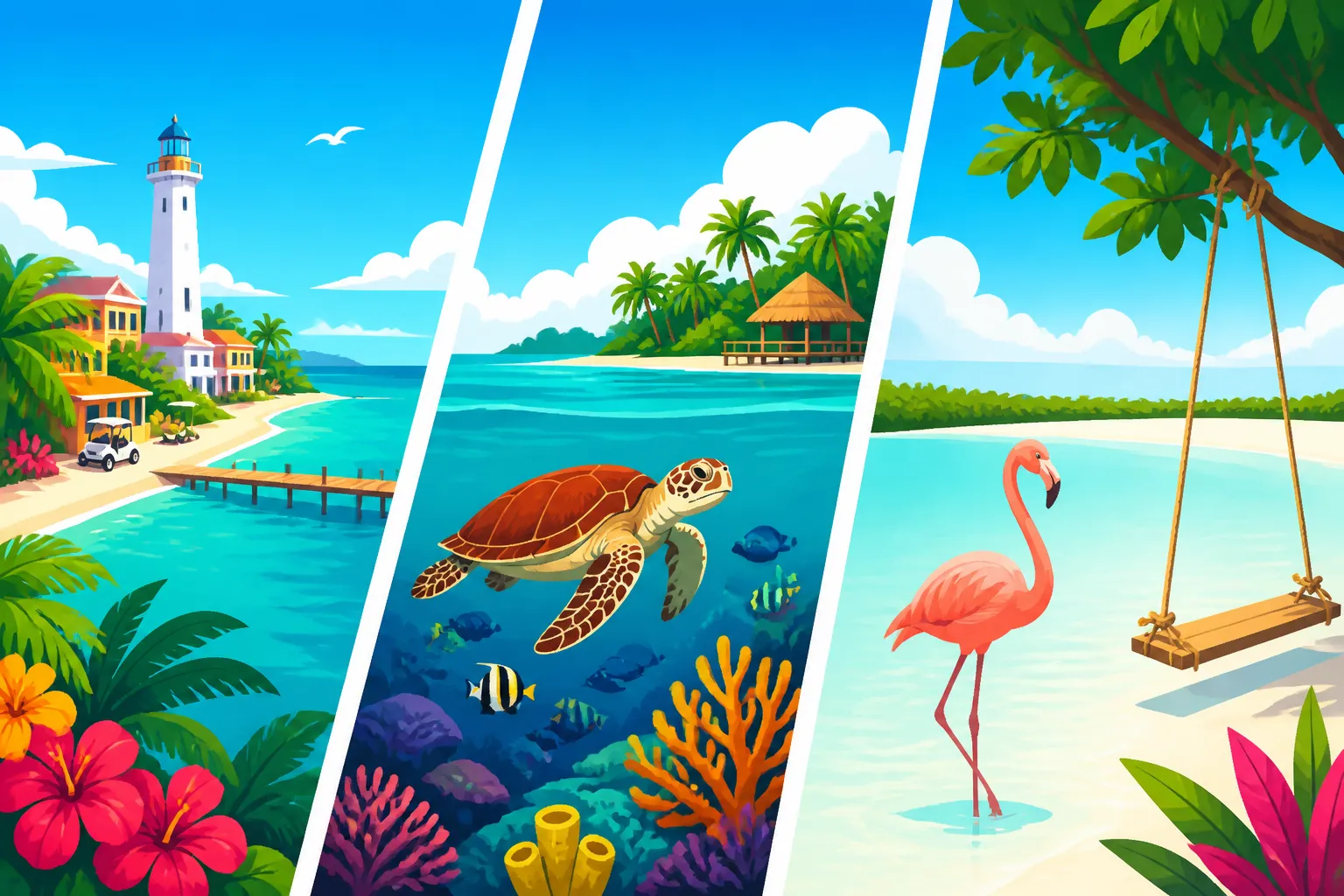
Isla Mujeres, Cozumel, and Holbox: Mexico’s Islands
Many travelers land in Cancún and assume that the high-rise hotels and crowded beaches of the Hotel Zone are all the Mexican Caribbean has to offer. They often end up frustrated by the "Disney-fied" version of Mexico, missing out on the unique character of the nearby islands because the logistics of ferries and local transport seem daunting. This guide solves that by breaking down the distinct personalities of Isla Mujeres, Cozumel, and Holbox, ensuring you pick the island that matches your travel style and navigate the journey like a seasoned resident.
Disclosure: This post may contain affiliate links. We may earn a commission at no extra cost to you if you make a purchase through these links. Read full disclosure.
Navigating the Logistics of Island Travel
One of the first things you realize when living here is that getting to the islands is half the adventure, but it can also be half the headache if you don’t know the rhythm of the docks. For many new arrivals, the sheer number of "helpers" at the ferry terminals can be overwhelming. Whether you are heading to the ultra-modern Ultramar docks in Puerto Juárez for Isla Mujeres or the busier downtown pier in Playa del Carmen for Cozumel, the key is to keep your head down and have your tickets sorted or your plan clear.
If you are coming from further afield, such as Mérida or Tulum, I always recommend using Busbud to check the ADO bus schedules. It saves you from standing in a sweaty line at the station only to find out the next "clase oro" bus is sold out. Once you arrive at the port, the ferries are generally reliable, but they do react to the weather. On days when the "Norte" winds pick up, the ports can close with very little warning. This is why I always tell friends to check the local harbor master’s social media or ask their hotel before hauling their luggage to the pier.
Master the Ferry Systems and Timings
Ferries to Isla Mujeres run almost every half hour from dawn until late at night, making it the easiest island to access. However, Cozumel and Holbox require more intentional planning. For Cozumel, the ferry from Playa del Carmen takes about 45 minutes and can be a bit of a "barf-ride" if the Caribbean is acting up. Pro tip: if you are prone to seasickness, sit on the lower deck toward the back of the boat; the swaying is significantly dampened there compared to the top deck.
Holbox is a different beast entirely. You have to get to the small town of Chiquilá first. It is a long drive from Cancún, and once you’re there, you choose between two ferry companies: 9 Hermanos or Holbox Express. They rotate every half hour, so there is no need to stress about which one to pick—just buy the ticket for the one leaving next. For more on coordinating your arrival, see our guide on How to Get From Cancún Airport to Playa del Carmen or Tulum.
Local Transport Once You Land
Once your feet hit the sand or the pier, you’ll face the next hurdle: getting around. On Isla Mujeres and Holbox, cars are either restricted or completely absent. You will see a sea of golf carts and mopeds. On Cozumel, the island is massive—far larger than most people realize—and you’ll likely need a proper rental car or a taxi to see anything beyond the main square of San Miguel.
In Holbox, the "taxis" are actually modified golf carts with monster-truck tires to handle the muddy lagoons that form after a rainstorm. Negotiate the price before you get in, even if you’re just going a few blocks. In Isla Mujeres, the golf cart rental market is aggressive. My advice is to walk a few blocks away from the ferry terminal; the prices often drop by 200 pesos once you’re out of the primary "tourist trap" zone. For a broader look at moving around the country, check out Getting Around Mexico: Buses, Flights, and Car Hire.
Isla Mujeres: The Vibrant Neighbor of Cancún
Isla Mujeres is often the first island expats fall in love with. It’s small, accessible, and has that perfect blend of high-end amenities and gritty Mexican charm. But don't let its size fool you; there is a very real divide between the north and south ends of the island. Living here, or even visiting for a week, requires understanding this geography. The north is where the action is—Playa Norte is consistently ranked as one of the best beaches in the world for a reason. The water is waist-deep for dozens of yards and as clear as a swimming pool.
However, the south end, near Punta Sur, is where you find the rugged cliffs, the temple of the goddess Ixchel, and a much quieter, windier atmosphere. If you want to wake up and walk to a coffee shop where the barista knows your name, stay in the Centro. If you want to listen to the waves crashing against the rocks and feel like you've escaped the world, look toward the south. You can find excellent villas on Booking.com that cater to both vibes.
Playa Norte and the Centro Vibe
The Centro is a maze of cobblestone streets, souvenir shops, and some surprisingly fantastic food. While many tourists stick to the "Midalgo" pedestrian street, I suggest wandering two or three streets over. You will find the local market where you can get a "comida corrida" for a fraction of the price of a beachfront burger. This is the real Isla. This is also where you’ll learn the importance of Spanish Language and Everyday Communication for Visitors because while English is common, a "buenos días" goes a long way with the vendors.
Playa Norte itself is a social hub. By 2 PM, the water is filled with luxury yachts from Cancún blasting reggaeton. It’s a great party, but if you’re looking for a quiet book-reading session, you need to arrive by 8 AM. The light at that hour is magical, and the water is still. If you want to organize a sunset cruise or a snorkeling trip to MUSA (the underwater museum), I often find that booking through Viator gives you a bit more consumer protection and clearer reviews than the guys shouting at you on the pier.
The Rugged Beauty of Punta Sur
Punta Sur is the highest point in the Yucatán Peninsula. It’s not a mountain, mind you, but the cliffs offer a dramatic view that you just don’t get on the mainland. There is a sculpture park and a walking path that hugs the cliffside. It is the first place in Mexico to see the sunrise every morning.
Living in the south means you’ll definitely need a golf cart or a long-term scooter rental. It's much more residential, filled with "snowbirds" and long-term expats who have traded the proximity of bars for the peace of the ocean. It’s a great place to settle if you’re working remotely, though you should definitely read up on Mobile Data and eSIMs for Travel in Mexico to ensure you stay connected, as the thick concrete walls of many Mexican homes can be a nightmare for Wi-Fi signals.
Cozumel: The Diver’s Paradise
Cozumel is an island that operates on two different clocks: the Cruise Ship Clock and the Diver’s Clock. If you arrive at 10 AM on a Tuesday when four ships are in port, San Miguel feels like a chaotic shopping mall. But if you head inland or to the "Wild Side" (the eastern coast), you’ll find an island that feels remarkably untouched. Cozumel is famous for its drift diving, where the current carries you along the Palancar or Columbia reefs while you simply hover and watch the show.
As an expat who has spent significant time here, I can tell you that the community is tight-knit, largely centered around the diving industry and conservation. People here are passionate about the ocean. If you aren't a diver, Cozumel still offers world-class snorkeling. Taking a boat out to "El Cielo"—a sandbar named for the starfish that dot the white sandy bottom like stars in the sky—is a rite of passage.
Exploring the Wild Side and San Gervasio
Most tourists never leave the western side of the island because that’s where the calm water and the hotels are. But the eastern side, often called the "Wild Side," is where the real magic happens. There is no electricity on this side of the island, just a few beach bars powered by generators. The wind is fierce, and the waves are huge. It’s the perfect place to grab a cold beer, sit in a hammock, and remember that you’re on a rock in the middle of the Caribbean.
Inland, you will find the ruins of San Gervasio. While they aren't as massive as Chichén Itzá, they were a sacred site for Mayan women who would travel to the island to pay homage to the goddess of fertility. It’s a quiet, shaded site that offers a break from the salt and sun. When exploring these more remote areas, always carry plenty of cash in pesos. For help with your budget, refer to Money for Travel in Mexico: Cash, Cards, and ATMs.
The Dining Scene in San Miguel
San Miguel is the heartbeat of Cozumel. Because there is a large permanent population here, the food scene is more authentic than in the Cancún Hotel Zone. You can find incredible loncherías where the cochinita pibil is served by the kilo. We often tell newcomers to look for the "tianguis" or street markets to find the best local flavors.
The influence of the dive community means there are also plenty of healthy, international options, from vegan cafes to high-end Italian. Just be aware of the cruise ship schedule; prices in the shops closest to the piers are often inflated. To understand the etiquette of eating out, take a look at Street Food in Mexico: Tacos, Tamales, and More. Also, remember that while the food is amazing, you must be careful with Food and Water Safety in Mexico: Avoiding Illness to keep your trip on track.
Holbox: The Bohemian Escape
If Isla Mujeres is the party and Cozumel is the gym, Holbox is the meditation retreat. Located within the Yum Balam Biosphere Reserve, this island has no paved roads—only sand. It’s a place where shoes are optional and the "Holbox vibe" is a very real thing. However, I have to be realistic with you: Holbox has struggled with its sudden popularity. The infrastructure is fragile. When it rains, the streets turn into rivers, and the power can go out for hours.
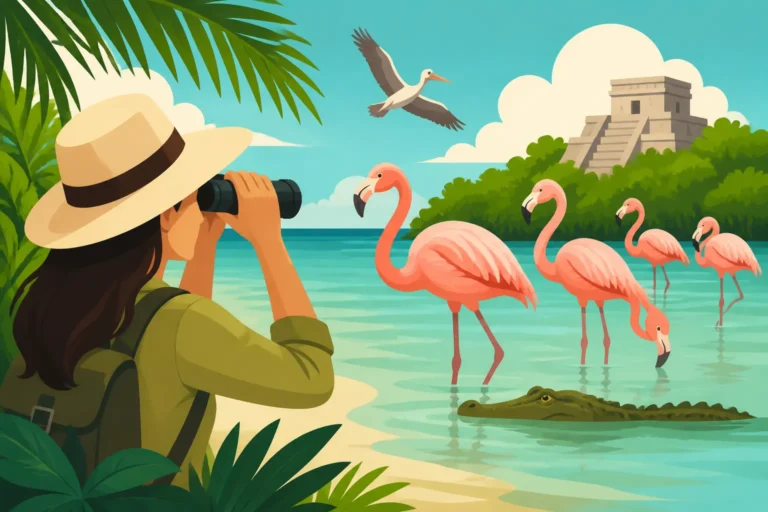
But when it’s good, it’s unbeatable. The sunsets at Punta Cocos are legendary, and the flamingos that frequent the shallows are a sight to behold. It’s a place for people who don't mind a bit of dust in their hair and a slower pace of life. You won't find major hotel chains here; instead, look for boutique eco-hotels on Booking.com that emphasize sustainability and low-impact tourism.
The Sand Streets and Mural Culture
One of the most striking things about Holbox is the street art. Every few years, an art festival brings international muralists to the island, turning the simple concrete buildings into a vibrant outdoor gallery. Walking through the town is like walking through a sketchbook. Because everything is within walking distance, you don't really need a golf cart unless you're staying far out at the end of the hotel zone.
The town square is the social center. In the evenings, families gather to watch kids play soccer while tourists eat "marquesitas"—a crispy crepe filled with Nutella and cheese (trust me, it works). It’s a wholesome, safe environment. If you’re ever worried about the general climate of safety in the country, our guide on Staying Safe in Mexico: Practical Tips for Travelers provides a balanced perspective.
Whale Sharks and Bioluminescence
The biggest draw for Holbox is the seasonal arrival of whale sharks (usually June through September). These gentle giants congregate in the waters nearby to feed on plankton. Snorkeling with them is a life-changing experience, but it’s crucial to go with a certified, eco-conscious operator. Many of these tours can be pre-screened on Viator to ensure they follow the strict regulations designed to protect the animals.
At night, Holbox offers another natural wonder: bioluminescence. In the darker parts of the island, like Punta Cocos, the water glows neon blue when disturbed. It’s best seen on a new moon when the sky is at its darkest. It’s a reminder of why we fight so hard to protect these fragile island ecosystems.
Comparing the Three Islands
Choosing which island to visit—or live on—depends entirely on what you value most. Some people need the reliability of Cozumel’s infrastructure, while others crave the rustic isolation of Holbox. Below is a quick comparison to help you weigh your options.
| Feature | Isla Mujeres | Cozumel | Holbox |
|---|---|---|---|
| Primary Vibe | Vibrant & Social | Adventurous & Aquatic | Bohemian & Relaxed |
| Best For | Stunning Beaches | Scuba Diving | Nature & Solitude |
| Transport | Golf Carts / Scooters | Cars / Scooters / Taxis | Golf Carts / Walking |
| Accessibility | Very Easy (from Cancún) | Easy (from Playa) | Difficult (long drive) |
| Infrastructure | High | Very High | Low |
| Beach Quality | Exceptional (North) | Rocky (West) / Rough (East) | Good (Shallow/Wildlife) |
Essential Island Survival Guide
Living on an island sounds like a dream, but there are practical realities that catch people off guard. The first is "Island Time." Things move slower here. If you hire a plumber to fix a leak on Isla Mujeres, he might arrive "mañana"—which doesn't necessarily mean tomorrow; it just means "not today." You have to learn to roll with it, or you will spend your entire vacation or residency in a state of high blood pressure.
The second reality is the environment. The sun is more intense on the water, and the mosquitoes on Holbox can be legendary, especially at dusk. You will need high-quality biodegradable sunscreen and plenty of repellent.
Dealing with Sargassum and Weather
The elephant in the room for any Caribbean island guide is sargassum (seaweed). Over the last decade, large mats of brown algae have begun washing up on beaches across the region. It’s unpredictable. One day the water is crystal clear; the next, it’s a brown soup. Generally, Isla Mujeres (Playa Norte) and Holbox fare much better than Cozumel or the mainland because of their geographic orientation.
Before you book a trip specifically for the beaches, I recommend checking the "Sargasso Seaweed Updates" groups on social media. People post daily photos from the different islands. If the seaweed is bad, that’s the perfect time to head inland to a cenote or focus on land-based activities.
Money Matters and ATMs
Mainland Mexico is increasingly becoming card-friendly, but the islands are still very much a cash society. In Holbox, the ATMs are notoriously unreliable. They frequently run out of money or lose their internet connection. I’ve seen lines of twenty people waiting at the only working ATM on the island on a Saturday night.
Always bring more pesos than you think you need before you leave the mainland. While many high-end restaurants will take cards, the best tacos, golf cart rentals, and boat tours are almost always cash-only. If you do find yourself in a pinch, look for ATMs inside major banks rather than the standalone ones on the street, which are more susceptible to skimming.
Disclaimer
The information provided in this guide is for informational purposes only. While I strive to keep everything updated, prices, ferry schedules, and local regulations in Mexico can change rapidly. Always verify current conditions with local authorities or your service providers before making travel arrangements.