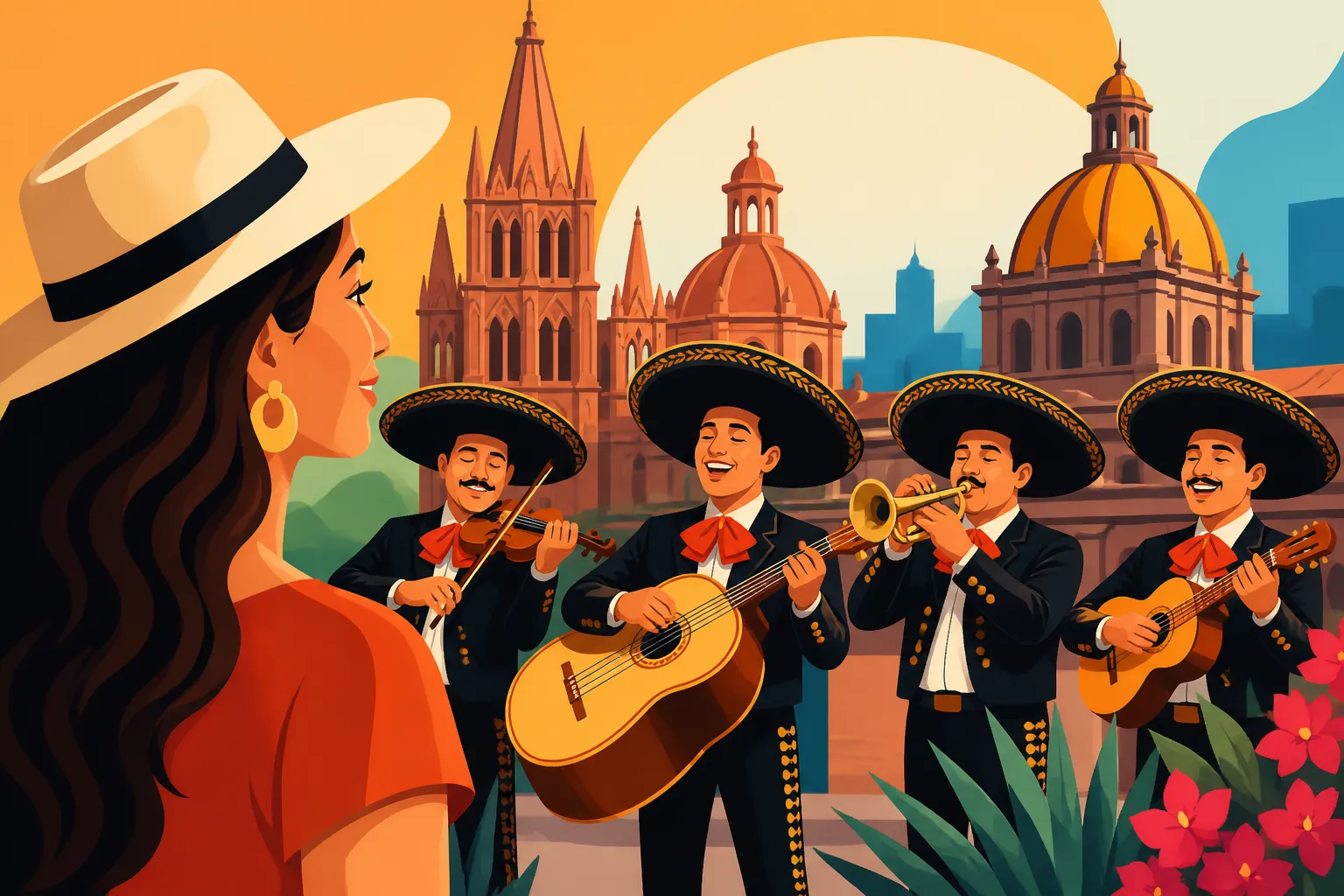
How to Hear Mariachi in Guadalajara or Mexico City
One of the most common frustrations for visitors to Mexico is wanting to experience something truly iconic, like live mariachi music, but having no idea where to start beyond a vague Google search. You want the real deal, not a tourist trap, and you want to know how to navigate the experience safely and enjoyably. This guide is designed to cut through the noise, offering you an expat's insight into finding authentic mariachi in its most celebrated homes: Guadalajara and Mexico City.
Disclosure: This post may contain affiliate links. We may earn a commission at no extra cost to you if you make a purchase through these links. Read full disclosure.
Mariachi's Soul: Why Guadalajara and Mexico City are the Places to Be
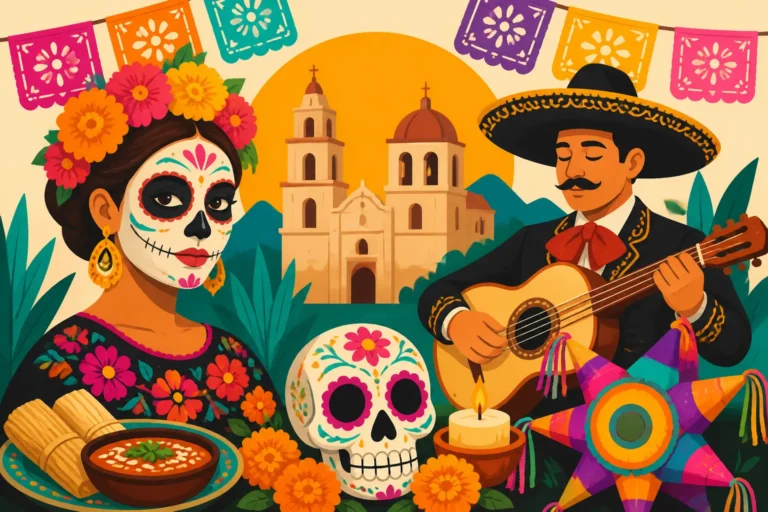
Ah, mariachi. Just the word conjures images of vibrant colors, powerful trumpets, soulful violins, and the rhythmic strumming of guitars. It’s more than just music; it’s the very heartbeat of Mexico, a cultural treasure that tells stories of love, heartbreak, revolution, and everyday life. While you can find mariachi almost anywhere in Mexico, Guadalajara, Jalisco, holds the undeniable title of its birthplace, while Mexico City serves as its grandest stage, a vibrant hub where the tradition thrives in all its glory. Understanding this distinction is key to choosing your ideal mariachi experience.
Guadalajara, nestled in the heart of Jalisco, is where mariachi as we know it today truly began to take shape. Evolving from local folk music traditions, the son jalisciense blended indigenous and European influences, eventually incorporating the charro (Mexican cowboy) attire and instruments like the trumpet, vihuela, and guitarrón that are now synonymous with mariachi. When you're in Guadalajara, you're not just listening to music; you're stepping into history. The performances often feel more intimate, rooted, and perhaps, a touch more "authentic" in a traditional sense. It's a pride point for jaliscienses, and you'll feel that passion in every note.
Mexico City, on the other hand, is the bustling metropolis where mariachi found its wider audience and adapted to the urban stage. Artists from Jalisco would migrate to the capital, bringing their music and giving it a national, and eventually international, platform. Here, the mariachi scene is grander, more varied, and perhaps a bit more commercialized, but no less passionate. It's where you'll find the legendary ensembles and the most iconic venues that have hosted generations of musicians and fans. Think of it as the big city version of a beloved tradition – still authentic, but with a different energy. It's crucial to understand these nuances as you decide where you want to immerse yourself in this incredible art form.
The Historical Significance of Mariachi
The evolution of mariachi is a fascinating journey that parallels Mexico's own history. Initially, mariachi groups were small, local ensembles performing at haciendas and celebrations in rural Jalisco. They wore simple peasant clothing and played string instruments. However, as Mexico gained independence and forged its national identity, mariachi began to symbolize Mexican pride and culture. The charro suit, with its intricate embroidery and silver buttons, became the iconic uniform, cementing the link between the music and the ideals of a strong, proud nation.
During the Golden Age of Mexican Cinema in the mid-20th century, mariachi music reached unprecedented heights of popularity, thanks to stars like Jorge Negrete and Pedro Infante who often portrayed charros and sang mariachi ballads. This era solidified mariachi's place in the national consciousness and introduced it to the world. It’s why, when you hear a mariachi band strike up, it often feels like a direct link to Mexico's rich past and vibrant cultural heritage. The songs themselves – rancheras, sones, huapangos – often tell stories of the land, of love and loss, and of the unique Mexican spirit. This deep history imbues every performance with a gravitas that transcends mere entertainment.
How Mariachi Differs by Region
While Guadalajara is mariachi's cradle and Mexico City its showcase, the music itself has regional variations that are delightful to discover. In Jalisco, the son jalisciense is characterized by its lively rhythms, often featuring a distinct instrumental section for dancing. You'll hear the vibrant interplay of trumpets, violins, and the deep thrum of the guitarrón. In other regions, you might find slightly different instrumentations or styles. For instance, in Veracruz, you might encounter son jarocho, which features a harp and jaranas, creating a lighter, more rhythmic sound, famously exemplified by "La Bamba."
Even within Jalisco, there are sub-regional differences, though the core mariachi essence remains. The mariachi of Cocula, often cited as the cuna del mariachi (cradle of mariachi), has a particular rustic charm. However, for most visitors looking for the quintessential mariachi experience, the differences between regions are less about subtle musical variations and more about the vibe of the performance and the venues themselves. Mexico City's Plaza Garibaldi, for example, offers an almost overwhelming sensory experience with dozens of bands, each vying for attention, while a restaurant in Tlaquepaque might provide a more curated, sit-down show. This variety is what makes exploring mariachi throughout Mexico such a rich and rewarding endeavor.
Finding Mariachi in Guadalajara: The Birthplace of the Sound
If you truly want to connect with the origins of mariachi, Guadalajara is your pilgrimage. The city and its surrounding areas offer several fantastic spots to immerse yourself in the music, from historical plazas to lively restaurants. The atmosphere here is often one of deep respect for the tradition, passed down through generations.
Plaza de los Mariachis
No visit to Guadalajara for mariachi is complete without a stop at the Plaza de los Mariachis. Located in the historic center, just a short walk from the iconic Hospicio Cabañas, this plaza is the traditional spot where mariachi bands gather, especially in the evenings. It’s an open-air stage where you can wander, listen to different groups, and choose one to play a few songs just for you or your group. It’s an electric atmosphere, filled with the sounds of trumpets echoing off colonial buildings and the lively chatter of locals and tourists.
The process is pretty straightforward, but a little Spanish helps. Bands will approach you, asking if you’d like a song. You can listen to them play a snippet, then negotiate a price for a serenata (a block of songs, typically 3-5). Expect to pay anywhere from 100 to 200 pesos per song, depending on the size of the band and your negotiation skills. It's a quintessential experience, but a word of caution: like any bustling public space at night, it’s wise to be aware of your surroundings, keep valuables secure, and perhaps avoid going completely alone late at night. Stick to the busier sections, especially if you're a solo traveler. This plaza is mentioned in many a guide, including our own Guadalajara City Guide: Culture, Food, and Mariachi.
El Parián in Tlaquepaque
Just a short ride from downtown Guadalajara, the charming pueblo mágico of Tlaquepaque offers a more relaxed, yet equally vibrant, mariachi experience, particularly at El Parián. This grand, open-air restaurant is surrounded by art galleries and shops, and it's famous for its central gazebo where a full mariachi band plays continuously, often joined by folkloric dancers. It’s a fantastic place to settle in for a long meal of traditional Jalisco cuisine – think birria or carne en su jugo – while enjoying an endless stream of music and performances.
The beauty of El Parián is that the music is part of the dining experience, so you don't have to negotiate song by song. You pay for your food and drinks, and the entertainment is included. It’s perfect for families or those who prefer a more structured, sit-down show. The mariachi here typically plays from late afternoon into the evening, providing a lively backdrop to your meal. You can easily spend hours soaking in the atmosphere. To get there, a taxi or ride-sharing app is best, and remember that places like El Parián can get quite busy, especially on weekends, so arriving a bit earlier might secure you a better seat. Consider checking out Dining Out in Mexico: Restaurant Etiquette and Tipping Guide for more tips on eating out in such venues.
Other Venues and Opportunities
Beyond these two iconic spots, Guadalajara has other hidden gems. Many traditional restaurants, especially those serving birria or tequila, will have mariachi bands perform on specific nights. Keep an eye out for signs or ask locals for recommendations. Hotel lobbies, particularly those in historic hotels, sometimes host smaller ensembles for guests. For a truly deep dive, consider looking for local cultural events or festivals. Mariachi is often a central part of these celebrations, offering a chance to see more elaborate performances, sometimes even with renowned groups. Remember, the music scene here is integral to the city's identity, so opportunities abound if you keep your ears open.
Experiencing Mariachi in Mexico City: The Grand Stage
Mexico City presents a different flavor of mariachi experience, one that is grander, more varied, and certainly more intense. While Guadalajara has the historical claim, Mexico City offers a concentrated dose of musical energy, especially in its most famous mariachi hub.
Plaza Garibaldi: The Epicenter
Without a doubt, Plaza Garibaldi is the most famous place in Mexico City, and arguably all of Mexico, to experience mariachi. It’s an overwhelming, exhilarating, and sometimes chaotic square where literally dozens of mariachi bands, dressed in their finest trajes de charro, gather to play for tips, for passersby, and for patrons of the surrounding cantinas and restaurants. The air is thick with the competing sounds of trumpets, violins, and passionate singing. It's truly a sensory overload in the best possible way, a chaotic symphony that perfectly encapsulates Mexico City's vibrant spirit.
Similar to Guadalajara's Plaza de los Mariachis, bands will approach you directly. Be prepared to negotiate, and have small bills (pesos, not dollars) ready. A single song typically costs between 100-250 pesos, again depending on the band's size, skill, and your haggling prowess. Many people opt for a mini-serenata of 3-5 songs. While the plaza is generally bustling and lively, especially on Friday and Saturday nights, it does have a reputation for pickpockets and can feel a bit intense after dark. It's highly recommended to visit with a group, keep your wits about you, and be very aware of your belongings. Many visitors choose to arrive earlier in the evening, say between 6 PM and 9 PM, when it’s still very active but perhaps less overwhelming. If you prefer a more structured experience, consider one of the surrounding restaurants that offer mariachi shows, such as the legendary Salón Tenampa. You can even find tours that include a visit to Plaza Garibaldi, often combined with other cultural highlights, which can be a safer and more convenient option for first-timers. Companies like Viator often offer such combined experiences.
Salón Tenampa and Other Cantinas
For a truly legendary Mexico City mariachi experience, step inside Salón Tenampa, a historic cantina right on Plaza Garibaldi. Founded in 1925, Tenampa is an institution, a grand hall adorned with murals and photographs of mariachi legends. Here, mariachi bands cycle through the evening, playing on a central stage or directly at your table. It’s a more controlled environment than the open plaza, allowing you to enjoy the music, sip on tequila or mezcal, and soak in the history without the constant pressure of negotiation.
The food at Tenampa is traditional Mexican fare, and while it might not be gourmet, it's hearty and authentic. The real draw is the atmosphere and the continuous flow of top-tier mariachi music. Many a famous musician and politician has graced its doors, and you can feel the echoes of history in its high ceilings. Expect to pay a cover charge or a minimum consumption fee, especially on busy nights, in addition to your food and drink. Beyond Tenampa, several other cantinas around Plaza Garibaldi and throughout Mexico City offer mariachi performances. Look for places advertising "música en vivo" or "mariachi." These spots often provide a more intimate setting, though the quality of the bands can vary. When exploring these cantinas, understanding Tequila, Mezcal, and Mexican Drinking Culture can enhance your experience.
Formal Shows and Cultural Centers
Mexico City also hosts more formal mariachi shows, often as part of larger folkloric performances. Venues like the Ballet Folklórico de México at the Palacio de Bellas Artes occasionally incorporate mariachi into their elaborate dance and music spectacles. While these aren't solely mariachi performances, they offer a highly polished, theatrical representation of Mexican culture, with mariachi playing a central role. These shows are a fantastic way to see the music presented as high art, often with incredible costumes and choreography. Tickets for such performances can be purchased in advance, sometimes through platforms like Booking.com if they are partnered with specific venues, or directly from the venue's box office. For those interested in the broader cultural scene, visiting sites like Palacio de Bellas Artes can be part of a larger exploration of Mexico City for First-Time Visitors: Neighborhoods and Highlights.
Practical Tips for Enjoying Mariachi (and Avoiding Pitfalls)
Experiencing mariachi is a highlight for many visitors to Mexico, but a little preparation can go a long way in ensuring a memorable, enjoyable, and safe time.
Costs and Negotiation Etiquette
When dealing with mariachi bands in public plazas like Plaza Garibaldi or Plaza de los Mariachis, negotiation is part of the game.
- Know the typical price range: As mentioned, 100-250 pesos per song is a good ballpark. If you want a serenata (multiple songs), you might get a slightly better per-song rate.
- Have cash (pesos!) ready: Small denominations are best. Don't try to pay in foreign currency unless explicitly offered, and even then, the exchange rate will likely be terrible.
- Be polite but firm: If a price seems too high, politely counter-offer. If you can’t agree, thank them and move on. There are always other bands.
- Clarify the number of songs: Always confirm if the price is per song or for a set.
- Listen first: Let them play a snippet for free before committing. You might prefer one band's sound over another.
In restaurants or formal shows, the pricing structure is different. At places like El Parián, the music is typically included in the overall dining experience, or there might be a small cover charge. At Salón Tenampa, expect a minimum consumption or cover fee. Always check beforehand if you're unsure. Tipping the musicians directly for exceptional performances, even in a restaurant setting, is a kind gesture and usually appreciated. For a comprehensive guide, check out Tipping in Mexico (Propina): When and How Much.
Safety and Security Considerations
Visiting bustling public plazas at night, especially those known for crowds and tourists, requires vigilance.
- Go with a group: There's safety in numbers. If you're solo, consider joining a guided tour, particularly for Plaza Garibaldi.
- Stay aware of your surroundings: Keep an eye on your bags and pockets. Pickpocketing can be an issue in crowded areas.
- Limit valuables: Only bring what you need: enough cash for the evening, one form of ID, and your phone. Leave expensive jewelry and excessive cash at your accommodation.
- Use reputable transportation: When leaving the plazas late at night, opt for a ride-sharing app (Uber, Didi, Cabify) or an official taxi stand (sitio). Avoid hailing unmarked taxis directly from the street. You can find more advice on Staying Safe in Mexico: Practical Tips for Travelers.
Booking Tours and Getting Around
For convenience and peace of mind, especially if you're new to Mexico, consider booking a mariachi tour.
- Online Platforms: Websites like Viator offer guided tours that often include a visit to Plaza Garibaldi, sometimes with dinner and drinks at a cantina. These tours handle transportation and provide a guide, which can make the experience much smoother and safer, especially for solo travelers or families.
- Local Tour Operators: Many hotels and local agencies in both Guadalajara and Mexico City can arrange tours specifically focused on mariachi. Ask your hotel concierge for recommendations.
- Transportation: To get to these mariachi hotspots, ride-sharing apps are generally the safest and most convenient option. In Mexico City, the Metro can take you close to Plaza Garibaldi (exit at Garibaldi-Lagunilla station), but use caution at night and during peak hours. If you're traveling between cities to experience mariachi, remember that Mexico has an excellent bus network. Companies like ADO (in central and southern Mexico) are reliable, and platforms like Busbud can help you compare routes and book tickets for long-distance travel. For exploring various options, see Traveling Within Mexico: A Guide to Domestic Flights and Buses for Expats.
| Feature | Plaza Garibaldi (Mexico City) | Plaza de los Mariachis (Guadalajara) | Salón Tenampa (Mexico City) | El Parián (Tlaquepaque, Guadalajara) |
|---|---|---|---|---|
| Atmosphere | Electric, chaotic, overwhelming, dozens of bands competing | Lively, traditional, more intimate, a few bands gathered | Historic, grand, iconic, continuous performances, cantina vibe | Relaxed, family-friendly, constant stage show, dining experience |
| Cost | Negotiable per song (MXN 100-250+), haggling expected | Negotiable per song (MXN 100-200), haggling expected | Cover charge/minimum consumption + food/drinks, set mariachi sets | Food/drinks + entertainment included, no per-song charge |
| Experience Type | Wander and choose bands, vibrant street scene | Wander and choose bands, traditional plaza experience | Sit-down, historic cantina with rotating bands | Large, open-air restaurant with dedicated stage for continuous show |
| Best For | Intense, authentic street mariachi, group visits, adventurers | Traditional mariachi in its birthplace, cultural immersion | Iconic cantina experience, history buffs, structured enjoyment | Families, longer dining experiences, guaranteed continuous music |
| Safety Note | High caution at night, prone to pickpockets, consider tours | Moderate caution at night, be aware of surroundings | More controlled, but be mindful of surroundings when entering/leaving | Generally safe, family-friendly environment |
| Typical Hours | Evening until late night (especially weekends) | Evening until late night | Afternoon until late night | Lunchtime through evening |
Regardless of whether you choose the bustling energy of Mexico City or the traditional charm of Guadalajara, an encounter with live mariachi music will undoubtedly be one of the most unforgettable parts of your Mexican adventure. It's truly an experience that stirs the soul and leaves you with a deeper appreciation for this vibrant culture.
Disclaimer
The information provided in this guide is for general informational purposes only and does not constitute professional advice. While we strive to provide accurate and up-to-date information, local conditions, prices, and regulations can change rapidly. Always exercise caution, use common sense, and verify information with local authorities or reputable sources before making decisions. Travel and cultural experiences inherently carry risks, and personal safety should always be your top priority.