How to Enroll in IMSS as a Foreign Resident in Mexico
Most foreigners arrive in Mexico thinking they will just pay out of pocket for every medical sneeze or scrape until a real emergency hits and the hospital bill starts climbing toward the stratosphere. I remember sitting in a drafty clinic in Queretaro during my second year here, clutching a translated birth certificate and realizing my "hope for the best" strategy was a recipe for financial disaster. This guide breaks down the exact, often frustrating, bureaucratic process of enrolling in the IMSS system so you can finally secure a legitimate safety net for your life in Mexico.
Disclosure: This post may contain affiliate links. We may earn a commission at no extra cost to you if you make a purchase through these links. Read full disclosure.
Understanding the IMSS System and Your Eligibility
When you first start looking into health coverage, you will hear the acronym IMSS tossed around constantly. The Instituto Mexicano del Seguro Social is the backbone of the Mexican healthcare state. It is a mandatory insurance system for employees, but for us expats, it offers a "Voluntary Regime" known as Seguro de Salud para la Familia. This is essentially a way for foreign residents to pay an annual fee to access the same doctors, hospitals, and pharmacies that Mexican workers use. It is important to distinguish this from the newer IMSS-Bienestar, which is generally aimed at those without any residency or resources. To understand the broader landscape, you might want to look at Public Healthcare in Mexico: IMSS and IMSS Bienestar Explained for Expats.
The most important hurdle to clear before you even step foot in a government office is your legal status. You cannot enroll in IMSS as a tourist. The system is strictly reserved for those holding a Residente Temporal or Residente Permanente card. I have seen many well-meaning retirees try to apply with just their 180-day FMM (tourist permit), only to be turned away after four hours of waiting in line. If you are still in the planning stages of your move, checking The Ultimate Guide to Mexico's Visa and Residency Options (2026 Edition) will help you get the right paperwork in order first.
Beyond the residency card, you must also have a valid CURP. This is your unique population registry code, and it is the "skeleton key" for almost everything in Mexico. Without it, the IMSS computers simply won't recognize you as a person in their system. If you haven't secured yours yet, you should follow the steps in How to Get a CURP as a Foreigner: The Mexican ID Number Explained before attempting the enrollment process. The bureaucracy here is linear; if you try to skip step A, step B will be impossible.
The Step by Step Enrollment Process
Enrolling in IMSS is a two-part journey: the digital or administrative application and the physical visit to your designated clinic. While there is an online portal, I almost always recommend that expats go in person to their local Subdelegación. The online system frequently glitches when it encounters foreign surnames or passports with non-standard characters. When you go, you need to bring a "folder of life," which is what I call the stack of original documents and at least three photocopies of everything. Mexican bureaucracy runs on paper and ink, and being short one copy of your utility bill can send you to the back of the line for another day.
Your document list must be pristine. You will need your residency card, your passport, your CURP, a proof of address (comprobante de domicilio) not older than three months—usually a CFE electricity bill—and your birth certificate, which must be apostilled and translated into Spanish by a certified translator. This last part catches people off guard. You cannot just use a Google Translate printout; it must have the seal of a perito traductor. For more on the logistics of these documents, see Apostilles and Translations for Mexican Immigration.
Once the Subdelegación approves your paperwork and you pay your annual fee, you aren't done yet. You will be assigned to a specific Unidad de Medicina Familiar (UMF) based on your home address. You must go to this clinic to get your Carnet—your little health ID booklet. This is where you will also be assigned your primary care doctor. In 2026, many of these clinics have introduced digital scheduling, but for your first visit, expect to show up at 7:00 AM to stand in the "new enrollment" line. It is a rite of passage that every veteran expat has endured at least once.
Costs and Financial Realities of IMSS in 2026
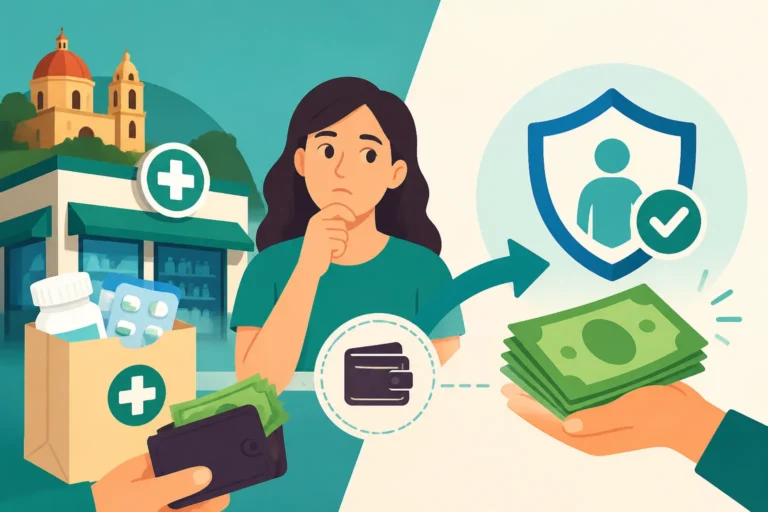
The cost of IMSS is remarkably affordable compared to private insurance in the US or Canada, but it is not free. The fee is determined by your age bracket, and it increases as you get older. Because the government adjusts these rates annually based on inflation and the value of the UMA (Unit of Measure and Allocation), the prices for 2026 have seen a slight tick upward. It is an "upfront" system, meaning you pay for the entire year in one lump sum at the bank or via a specialized "linea de captura" (payment code) provided by the IMSS office.
| Age Group | Estimated Annual Cost (Pesos) | Estimated Annual Cost (USD) |
|---|---|---|
| 0 – 19 | $8,500 | $500 |
| 20 – 29 | $11,200 | $660 |
| 30 – 39 | $12,100 | $710 |
| 40 – 49 | $16,500 | $970 |
| 50 – 59 | $17,400 | $1,020 |
| 60 – 69 | $25,200 | $1,480 |
| 70 – 79 | $26,100 | $1,535 |
| 80+ | $26,800 | $1,575 |
While these prices are a bargain, you must understand the "Pre-existing Conditions" rule. This is the biggest heartbreak for many retirees. IMSS will not cover you if you already have certain chronic illnesses at the time of enrollment, such as malignant tumors, chronic liver disease, or late-stage diabetes. They will ask you to sign a medical questionnaire, and in some cases, they may require a physical exam. If you are untruthful and they find out later, they can cancel your coverage without a refund. For a deep dive into what is and isn't covered, check out Does IMSS Cover Pre-existing Conditions in Mexico.
Furthermore, there are "waiting periods" (periodos de espera) for various procedures. You cannot enroll today and have a scheduled hip replacement tomorrow. Most major surgeries and specialized treatments have a one or two-year waiting period of active enrollment before you can access them. This is why many expats choose to use IMSS as a backup while maintaining a plan from a provider like SafetyWing for travel-related issues or Cigna Global for comprehensive international coverage. You can read more about these price points in How Much Does Voluntary IMSS Cost per Year.
Navigating the Public System as a Foreigner
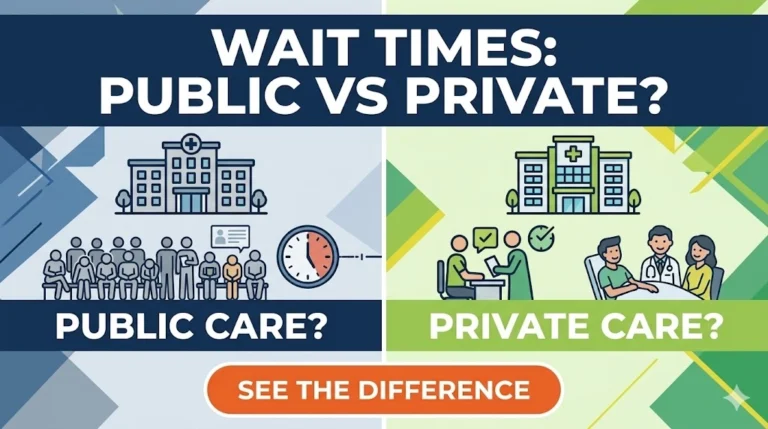
Once you are in the system, the experience is very different from a private hospital. You are now part of a massive, high-volume government machine. The doctors at IMSS are often the same ones who work in the prestigious private hospitals in the afternoons, so the quality of the medical expertise is generally high. However, the facilities are often crowded, and the wait times for a non-emergency specialist can be months. This is a common point of frustration for those used to the "on-demand" nature of private care. For a realistic comparison, take a look at Wait Times in Mexico: Public vs Private Healthcare Services.
Language is the second major hurdle. It is very rare to find administrative staff or nurses at a standard IMSS clinic who speak fluent English. While your doctor might speak some English due to their medical training, the paperwork, the pharmacy staff, and the lab technicians will almost certainly communicate only in Spanish. I highly recommend bringing a Spanish-speaking friend or a professional "fixer" with you for your first few appointments. If you are worried about the language gap, Overcoming Language Barriers at the Doctor: Tips for Expats offers some great survival phrases.
Finally, you should be prepared for the pharmacy experience. IMSS provides medications for free as part of your enrollment, but they only stock "essential" or generic versions of drugs. If you require a very specific, brand-name biological medication for a rare condition, the IMSS pharmacy may not have it in stock. In those cases, you would have to buy it yourself at a local Farmacia. Understanding how this works is vital, so I suggest reading Pharmacies in Mexico: How to Get Medications (OTC vs Prescription) to manage your expectations regarding prescriptions.
When to Supplement IMSS with Private Insurance
For many of us, IMSS is our "catastrophic" plan—the thing that keeps us from going bankrupt if we have a major accident or a long-term illness. But it doesn't solve every problem. Because of the wait times and the lack of luxury amenities (don't expect a private room or gourmet hospital food in the public system), many expats choose a hybrid approach. They use IMSS for their routine lab work and basic care but keep a private policy for emergencies where they want to be taken to a top-tier private facility like Hospital Angeles.
If you are a digital nomad or someone who travels frequently back to your home country, a local IMSS plan won't cover you once you cross the border. This is where a brand like SafetyWing is incredibly useful, as it provides that bridge for international travel and unexpected medical emergencies while on the move. For those who want the highest level of care and the ability to choose their specific surgeon without a waiting list, a premium provider like Cigna Global is often the gold standard. You can compare these strategies in Choosing Private Health Insurance: Local Mexican Plans vs International Coverage.
Ultimately, the decision to enroll in IMSS is about peace of mind and integration into the Mexican way of life. It isn't always easy, and you will definitely have a story to tell about the time the computer system went down just as you reached the front of the line. But having that Carnet in your drawer means you are no longer a guest; you are a resident with a right to care. To figure out the right budget for this, see Healthcare Costs in Mexico: Doctor Visits, Hospital Stays, and Surgery Expenses.
Disclaimer
This guide is provided for informational purposes only and does not constitute legal, financial, or medical advice. Immigration laws and IMSS regulations in Mexico are subject to frequent changes, and individual eligibility may vary based on personal circumstances or regional office policies. Always consult with a qualified immigration professional or an official IMSS representative before making financial commitments or healthcare decisions.