Healthcare for Retirees in Mexico
Finding yourself in a foreign emergency room, struggling to translate symptoms while clutching an insurance card that may or may not be accepted, is a terrifying prospect for any retiree. I once stood in a Guadalajara clinic, dizzy and confused, realizing my home policy was useless there. This guide solves the complex puzzle of Mexican healthcare for retirees, ensuring you are never caught unprepared.
Disclosure: This post may contain affiliate links. We may earn a commission at no extra cost to you if you make a purchase through these links. Read full disclosure.
Understanding the Dual Nature of Mexican Healthcare
The most important thing to grasp about living in Mexico as a retiree is that you are essentially navigating two entirely different worlds: the public system and the private system. Unlike the centralized systems in many European countries or the purely insurance-driven model in the United States, Mexico offers a parallel structure where your experience will vary wildly depending on which door you walk through. Most retirees arrive thinking they must choose one or the other, but the reality of long-term living often involves a strategic foot in both camps.
The Public System: IMSS and the Realities of Wait Times
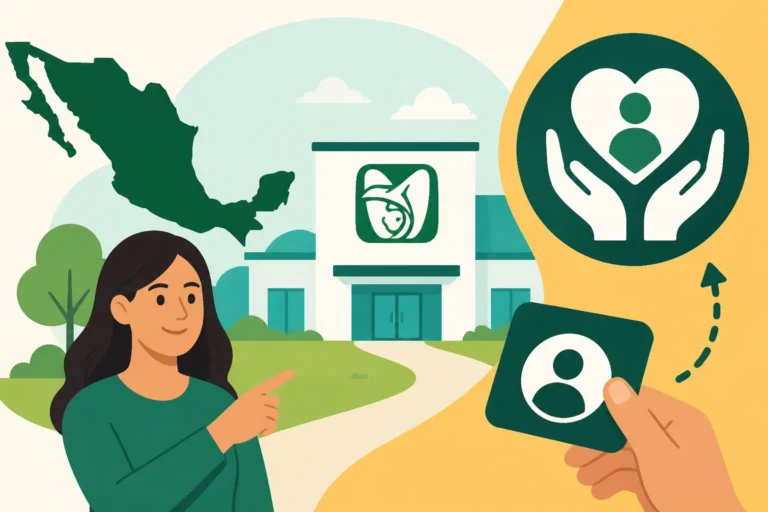
The Mexican Social Security Institute, known as IMSS, is the backbone of the country’s healthcare. For a relatively low annual fee, foreign residents can enroll in this system, which provides everything from basic check-ups to complex surgeries and prescription medications. However, it is a "no-frills" environment. You will find that Public Healthcare in Mexico: IMSS and IMSS Bienestar Explained for Expats is often characterized by long wait times, crowded waiting rooms, and a lack of English-speaking staff.
In an IMSS facility, you are part of a massive bureaucratic machine. You cannot simply call and book an appointment for the next day; you often have to arrive at 6:00 AM to secure a spot for a same-day consultation. Furthermore, there is a "waiting period" for many pre-existing conditions. If you have a chronic illness, the system may not cover treatments related to that specific illness for the first two years of your enrollment. For many retirees, IMSS serves as a fantastic "catastrophic" safety net or a way to access low-cost maintenance medications, but it is rarely the primary choice for day-to-day comfort.
The Private Sector: World-Class Care and Out-of-Pocket Costs
On the other side of the coin is Mexico’s private healthcare sector, which is home to some of the best hospitals in Latin America. Facilities like the Hospital Ángeles network or Star Médica feel more like luxury hotels than medical clinics. Here, you will find cutting-edge technology and specialists who often trained in the US or Europe. The biggest draw for retirees is the speed and the personal touch. You can often see a world-class cardiologist or orthopedist the same afternoon you call for an appointment.
The trade-off, naturally, is the cost. While much cheaper than the US, private care in Mexico is not "cheap" by local standards. A consultation might cost between $800 and $1,500 pesos, and a major surgery can easily run into tens of thousands of dollars. Because of this, Healthcare in Mexico: Complete Guide for Expats (Public vs Private) remains a central debate for those on a fixed income. Most private hospitals will require a credit card swipe or a significant cash deposit before they even admit you, regardless of your insurance status, which is a cultural hurdle many foreigners find jarring.
Bridging the Gap: Why Most Retirees Choose a Hybrid Approach
The "veteran" move in Mexico is to utilize a hybrid approach. Many retirees pay for private insurance or keep a high-deductible international plan for major emergencies, while also maintaining an IMSS membership for access to low-cost labs and medications. This strategy ensures that if you need a quick answer for a minor ailment, you go private, but if you require long-term, expensive maintenance for something like diabetes, you have a public safety net to fall back on.
This hybrid model also helps navigate the language barrier. While many private specialists speak excellent English, the nursing and administrative staff in public hospitals almost certainly will not. By utilizing the private system for complex diagnostics, you can get a clear understanding of your health in your native language, and then take those results to the public system if you need to leverage their pharmaceutical coverage. It takes more paperwork, but for a retiree on a budget, it is the most fiscally responsible way to live.
Insurance Options for Retirees in Mexico
Choosing insurance is perhaps the most stressful administrative hurdle you will face. Your age is the primary factor here. Many local Mexican insurance companies have a "hard stop" at age 64 or 69 for new applicants. If you are moving to Mexico at age 70, your options for local private policies become very slim, and the premiums for those that do accept you can be astronomical. This is where international providers and public options become essential.
Local Private Insurance: Navigating Age Caps and Pre-existing Conditions
Local insurers like GNP, AXA, or Seguros Monterrey offer excellent coverage within the Mexican borders. These plans are tailored to the local hospital networks and often include direct-billing arrangements, meaning the insurance company pays the hospital directly so you don't have to front the cash. This is a huge advantage for retirees who don't want to keep a $20,000 "emergency fund" in a liquid bank account.
However, the underwriting process is rigorous. If you have a history of heart issues or cancer, these companies will likely "exclude" those conditions from your policy. This means they will cover you if you break your leg, but they won't pay a cent if you have a recurring issue related to your pre-existing condition. For many, Health Insurance in Mexico: How Expats Can Get Coverage (2027) involves a deep dive into these exclusions to ensure they aren't paying for a policy that doesn't cover their biggest risks.
International Health Insurance: Comprehensive Global Coverage
For retirees who plan to travel back to their home country frequently or who want the highest level of service, international health insurance is often the better route. Providers like Cigna Global offer "portability," meaning your coverage follows you if you decide to spend three months in Florida or a summer in Spain. Cigna Global is particularly popular among retirees because their policies are highly customizable, allowing you to add or remove modules like vision or dental care depending on your needs.
The benefit of an international plan is the sheer scale of the network. These companies have deep pockets and are well-respected by the top-tier private hospitals in Mexico City and Monterrey. While the premiums are higher than local Mexican plans, the peace of mind knowing you can be treated anywhere in the world is often worth the extra $100 or $200 a month. Cigna Global also tends to have more robust English-language support, which can be a lifesaver when you are trying to authorize a procedure in the middle of the night.
Travel Medical vs. Full Residency Coverage
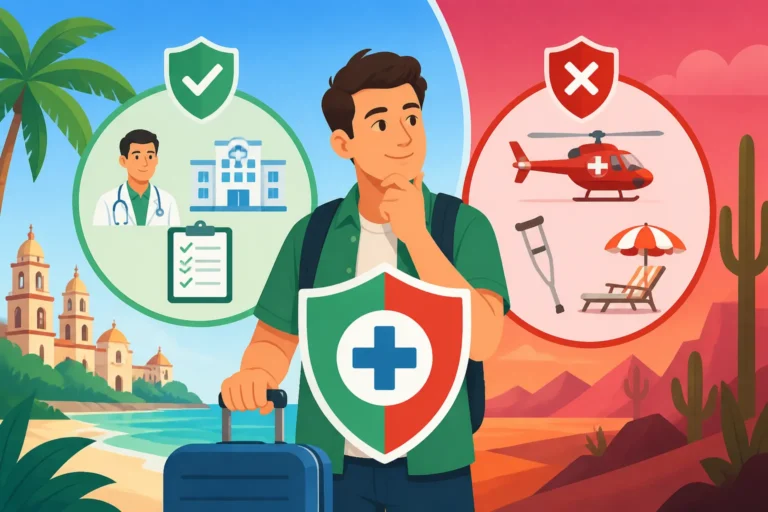
It is vital to distinguish between travel medical insurance and long-term health insurance. Many new arrivals try to get by on travel policies, but these are designed for "accidents and emergencies" only. They will not cover your annual physical, your blood pressure medication, or a slow-developing illness. SafetyWing is a common choice for digital nomads and younger expats because of its flexibility and low monthly cost. While SafetyWing is excellent for the transition period when you first arrive or for those who are still technically "scouting" the country, it is not a replacement for a comprehensive retiree health plan.
SafetyWing offers a great bridge for that first 90 days while you are waiting for your residency visa to be processed. Once you are a legal resident, however, you need to look at more permanent solutions. Relying on travel insurance for years as a retiree is a dangerous game; if you develop a chronic condition, the travel insurer will stabilize you and then potentially "return you to your home country," effectively ending your life in Mexico. SafetyWing works best as a secondary layer or a temporary fix, not a lifelong solution for a 70-year-old expat.
Managing Costs and Budgeting for Medical Care
One of the greatest joys of retiring in Mexico is realizing that a doctor's visit won't bankrupt you. I remember the first time I went to a specialist in Mexico; I was bracing for a $300 bill, only to be told the total was $40 USD. This lower cost of entry allows for a much more proactive approach to health. You don't wait until you're dying to see a doctor; you go the moment you feel a twinge.
Breakdown of Typical Out-of-Pocket Expenses
To budget effectively, you need to look at the "hidden" costs of healthcare. While the surgery might be cheaper, you still have to pay for the "hospital kit," the anesthesiologist (often a separate bill), and the recovery medications. For a general overview, Healthcare Costs in Mexico: Doctor Visits, Hospital Stays, and Surgery Expenses provides a detailed breakdown, but generally, you should budget for the following:
| Service Type | Estimated Cost (USD) | Notes |
|---|---|---|
| General Practitioner | $20 – $40 | Often includes a 30-minute consultation. |
| Specialist Visit | $50 – $90 | Cardiologists, Dermatologists, etc. |
| Lab Work (Full Blood Panel) | $40 – $70 | Usually no appointment needed; results in 24 hours. |
| MRI or CT Scan | $250 – $500 | Significantly cheaper than in the US/Canada. |
| Emergency Room Visit | $100 – $300 | Does not include procedures or overnight stays. |
| Overnight Hospital Stay | $300 – $800 | Private room, basic care in a top hospital. |
Medication Costs: Navigating Pharmacies and Generics
Pharmacies in Mexico, or farmacias, are on every corner, and they operate very differently than they do up north. For most maintenance medications—think blood pressure, cholesterol, or basic antibiotics—you can find them easily and often without a formal prescription from a local doctor (though it is always better to have one). Pharmacies in Mexico: How to Get Medications (OTC vs Prescription) is an essential read for understanding the "Farmacia Similares" culture, which provides high-quality generic versions of common drugs for a fraction of the brand-name price.
Retirees often find that their monthly medication bill drops by 60% to 80% upon moving to Mexico. However, be aware that specialized biologics or the very newest "designer" drugs may not be available in Mexico yet, or they may be just as expensive as they are in the US. If you are on a very specific, rare medication, you must verify its availability before you move. Most retirees use a mix: buying their expensive name-brand stuff at a big chain like Farmacias del Ahorro and their basic supplies at the generic shops.
Dental and Vision: The Hidden Savings
Dental care is perhaps the most famous "win" for retirees in Mexico. The quality is exceptional, and the prices are so low that "Dental Tourism" has become a billion-dollar industry. Whether you need a simple cleaning or a full set of implants, Dental Care in Mexico: Quality of Service and Costs for Expats will show you that you can often pay for your entire trip to Mexico with the money you save on a single crown. Many dentists in expat hubs like Los Algodones or Ajijic speak perfect English and use lab equipment that is more advanced than what you’d find in a typical Midwestern US suburb.
Vision care follows a similar pattern. You can get a comprehensive eye exam and a pair of high-quality designer frames with progressive lenses for about $150 to $200 USD. This is another area where "out-of-pocket" is the standard. Most expats don't even bother with vision insurance because the costs are so manageable. Being able to walk into an optical shop, get an exam, and have your glasses ready in two days is a luxury that becomes a standard part of the retiree lifestyle here.
Regional Healthcare Access: Where You Live Matters
Your healthcare experience will be dictated by your zip code. If you choose to retire in a remote Oaxacan beach village, you are trading medical convenience for scenery. If you have a heart condition or mobility issues, your choice of location should be driven by proximity to "Level 3" hospitals—those capable of performing complex surgeries and providing intensive care.
Medical Hubs: Mexico City, Guadalajara, and Monterrey
The "Big Three" cities are the medical crown jewels of Mexico. Guadalajara, in particular, has become a massive hub for medical training and private healthcare. Healthcare in Guadalajara: Medical Facilities and Services for Foreign Residents highlights why so many retirees choose to live in the nearby Lake Chapala area—they are only 45 minutes away from some of the best surgeons in the world.
In these major cities, you have choices. You aren't stuck with one hospital; you have dozens. This competition keeps the quality high and the prices relatively stable. If you require ongoing treatment for a chronic condition, living within an hour of one of these hubs is not just a suggestion—it’s a necessity. The specialized equipment required for things like oncology or advanced neurology is almost exclusively found in these metropolitan centers.
Popular Expat Havens: Lakeside and Colonial Highlands
Places like San Miguel de Allende and Lake Chapala (Ajijic) have large enough expat populations that the local medical infrastructure has adapted to meet their needs. You will find plenty of clinics where everyone from the receptionist to the surgeon speaks English. These towns offer a "concierge" feel to medicine. Doctors in these areas are used to dealing with the specific needs of retirees and are often more patient and willing to spend an hour explaining a diagnosis than a busy doctor in Mexico City might be.
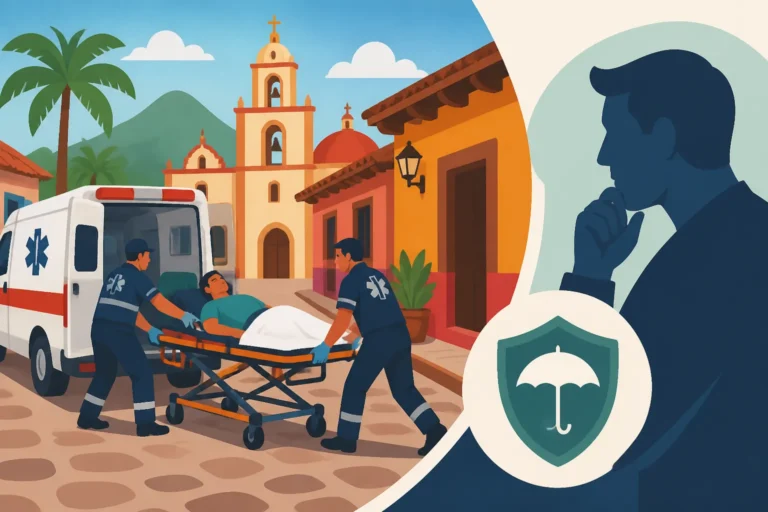
However, be aware of the limitations. While San Miguel has good local hospitals, for a major, life-threatening emergency, patients are often stabilized and then "exported" to Querétaro or Celaya where the facilities are larger. Understanding Medical Emergencies in Mexico: What Expats Should Know and Prepare involves knowing exactly which ambulance service in your town has the best equipment and which hospital they are contracted to take you to.
Coastal Living: Navigating Remote vs. Resort Care
Living on the coast presents a unique challenge. Resort cities like Puerto Vallarta or Cancún have excellent private hospitals that cater to tourists and wealthy locals. They are used to dealing with international insurance and have very high standards of care. However, if you move further down the coast to a "quiet" town, your nearest ICU might be three hours away.
For retirees on the coast, heat and hydration are constant medical themes. The local clinics are experts at treating tropical ailments, but they may lack the specialized equipment for senior-specific issues like hip replacements or advanced cardiac care. If you choose the beach life, you must have a plan for "medical evacuation," whether that’s a dedicated insurance rider or a trusted driver who knows the way to the city in the middle of the night.
Practical Steps for New Retirees
Transitioning your medical life to a new country isn't just about finding a doctor; it’s about rebuilding your entire support system from scratch. You can't just bring your old records and expect a local doctor to spend three hours translating them. You need to be proactive and organized.
Finding English-Speaking Doctors and Building a Network
Don't wait for an emergency to find your doctor. The first thing you should do upon arrival—after you've found a place to live—is to schedule a "get to know you" appointment with a local internist (internista). This doctor will become your "gatekeeper" in the Mexican system. Finding English-Speaking Doctors and Specialists in Mexico is easier in some regions than others, but personal recommendations from the local expat Facebook groups are usually your best bet.
When you meet this doctor, bring a list of your current medications and your medical history. Ask them specifically: "If I have an emergency at 2:00 AM, how do I reach you?" Many Mexican doctors will give you their personal WhatsApp number. This is a level of access that is unheard of in many other countries, and it is a vital part of your safety net. Having a doctor who knows your face and your history before a crisis hits is the single most important thing you can do.
Transferring Medical Records and Managing Prescriptions
While you don't necessarily need to translate every page of your medical history, having a one-page "Executive Summary" translated into Spanish is incredibly helpful. This summary should include your major surgeries, chronic conditions, and any allergies. If you are enrolling in the public system, you will need to learn How to Enroll in IMSS: Step-by-Step Guide for Foreign Residents and prepare for their specific documentation requirements, which often include your residency card, proof of address, and a series of "official" photos.
For your prescriptions, bring at least a three-month supply from home to give yourself a buffer. Once in Mexico, take your original bottles to your new local doctor. They will issue Mexican equivalents. Note that brand names change—what is called "Tylenol" in one place might be "Paracetamol" or a different brand altogether in Mexico. Your doctor or a high-end pharmacist at a place like Farmacia San Pablo can help you find the exact chemical match.
Emergency Preparedness: Knowing Your Local Logistics
In Mexico, "911" exists, but it isn't always the fastest way to get help. In many expat communities, there are private ambulance services that are much faster and better equipped than the municipal ones. You should have these numbers programmed into your phone and taped to your refrigerator.
You also need to know the "cash reality." As mentioned, private hospitals often require a deposit. Make sure your "emergency" credit card has a high enough limit (at least $5,000 to $10,000 USD) and that your bank knows you are in Mexico so they don't block a large hospital transaction. Being prepared isn't just about health; it's about the financial logistics that allow that health to be managed without unnecessary stress.
Disclaimer
This guide is for informational purposes only and does not constitute professional medical or legal advice. Healthcare laws, insurance policies, and costs in Mexico are subject to frequent changes. Always consult with a qualified healthcare professional or an insurance specialist before making decisions regarding your medical care or coverage in a foreign country. Enrollment in public systems like IMSS is subject to specific residency requirements and health screenings. Use of international brands like SafetyWing or Cigna Global should be based on your individual health needs and financial situation.