Border Runs and Policy Continuity: Keeping Cover Across Repeated Entries
Moving to Mexico often starts with dreams of sunshine and vibrant culture, but for many, it quickly turns into a bureaucratic maze, especially when it comes to navigating visas and avoiding the dreaded "border run." What was once a relatively simple way to reset your tourist clock has become a high-stakes gamble, leaving many foreigners in a precarious limbo. This guide will delve into the realities of border runs in Mexico today and, more importantly, highlight how a flexible, expat-focused insurance like SafetyWing can provide essential peace of mind during these uncertain transitional periods.
Disclosure: This post may contain affiliate links. We may earn a commission at no extra cost to you if you make a purchase through these links. Read full disclosure.
The Reality of Border Runs in Mexico: A Risky Gamble for Long-Term Stays
For years, the "border run" was a common tactic for long-term tourists and aspiring expats in Mexico. You'd enter on a tourist visa (Forma Migratoria Múltiple, or FMM), stay for the maximum 180 days, pop over to Guatemala or Belize for a day, and then re-enter Mexico, hoping for another 180-day stamp. It was a well-trodden path that allowed many to extend their stays indefinitely without pursuing formal residency. Ah, those were the days! Now, things are drastically different, and the game has changed.
Why Expats Consider Border Runs and Why It's Changing
The allure of the border run was its simplicity and cost-effectiveness compared to the residency process. Many expats, particularly digital nomads or those testing the waters of expat life, found it an ideal way to enjoy Mexico for longer periods without the commitment or financial outlay required for a Temporary Resident Visa. They didn't want to deal with the consulates, the stacks of documents, or the financial solvency requirements. They just wanted to stay.
However, Mexico's immigration policies have significantly tightened, especially concerning tourist entries. The automatic 180-day stamp is a thing of the past. Now, immigration officials at the airport or border crossings have complete discretion to grant any number of days they deem appropriate, often based on your stated purpose and duration of visit. I’ve seen fellow expats given 7, 30, or 60 days when they fully expected 180. It's frustrating, bewildering, and throws a massive wrench into carefully laid plans. The arbitrary nature of it is a real headache and leaves many feeling unwelcome despite contributing positively to the local economy.
The Legal and Practical Dangers of Repeated Tourist Entries
Beyond the uncertainty of how many days you'll be granted, the legal and practical dangers of relying on repeated tourist entries are substantial. Immigration officials are increasingly scrutinizing individuals who appear to be living in Mexico on continuous tourist stamps.
Firstly, you risk being denied entry altogether. If an immigration officer suspects you are attempting to live in Mexico on a tourist visa, or if they see a pattern of multiple short exits and re-entries, they can, and do, refuse you entry. This can lead to being held at the airport, put on the next flight out, and even a ban from re-entering Mexico for a specified period. Imagine planning your life around Mexico, only to be turned away at the airport with nowhere to go. It's a terrifying prospect that has become a harsh reality for many.
Secondly, you're constantly living in a legal grey area. As a tourist, you generally cannot open bank accounts, sign long-term leases, or work legally (even remotely) for a Mexican company. While many still manage to do these things, they do so with inherent risks. Furthermore, if you encounter a medical emergency or a legal issue, your tourist status offers minimal protections compared to official residency. You are, quite simply, a visitor, and the country owes you only the most basic of considerations. This uncertainty can take a heavy toll on your mental well-being, always having to look over your shoulder or worry about the next border crossing. For more details on the risks, you might want to read about Border Runs in 2026: How Safe Is It to Reset Your 180-Day Tourist Allowance?.
The Crucial Need for Continuous Coverage Beyond Tourist Visas
Whether you're doing a border run out of necessity or planning to transition to residency, one aspect often gets overlooked: continuous health and travel coverage. The moment you step outside your home country's healthcare system, you become vulnerable, and the complexities of Mexico's immigration system only exacerbate this.
Why Travel Insurance Isn't Enough for Residency Aspirations
Most standard travel insurance policies are designed for short-term trips – think a two-week vacation, not an indefinite stay or a multi-month residency application process. These policies often have strict limits on trip duration, exclusions for pre-existing conditions if not declared and approved, and can be difficult to renew or extend once you're already abroad. If your stay gets unexpectedly extended due to an immigration hiccup, your typical travel insurance might expire, leaving you utterly exposed.
The goal for many is to eventually secure formal residency, whether it's a Mexico Temporary Resident Visa: Comprehensive Guide for Expats (2026 Update) or even permanent residency. During this application process, there can be significant waiting periods, and you're still not technically a "resident" until your card is in hand. Traditional travel insurance simply isn't built for this kind of dynamic, transitional lifestyle. You need something that understands the unique needs of someone navigating a new country's bureaucracy, particularly those who are living a nomadic lifestyle.
The Gap in Coverage During "In-Between" Immigration Statuses
This "in-between" period is where most expats find themselves most vulnerable. You've outstayed your initial tourist stamp, or you're in the midst of a multi-stage residency application that requires you to leave and re-enter Mexico. During this time, you might not qualify for local Mexican health insurance options like IMSS (Mexico's public healthcare system) yet, as these often require you to have a valid residency card (CURP and sometimes an RFC). Even private Mexican insurance plans might be hesitant to cover you if your immigration status is ambiguous or if you don't have a stable local address and residency.
Consider a hypothetical: you're doing a quick border run to Belize. While there, you slip and break your ankle. Your old travel insurance expired a week ago, and you haven't secured new coverage because you thought you'd only be out of the country for 48 hours. Now you're facing potentially thousands of dollars in medical bills, possibly a medical evacuation, and the stress of dealing with this in a foreign country, all while your Mexican immigration status is still up in the air. This is precisely the kind of nightmare scenario that tailored, flexible insurance is designed to prevent.
SafetyWing: The Ideal Solution for Nomads and Expats in Immigration Limbo
This is where SafetyWing shines. It’s not just another travel insurance; it’s specifically designed with the digital nomad and expat lifestyle in mind, offering a continuity of care that traditional policies simply can’t match. For anyone navigating the uncertainties of border runs or the long road to Mexican residency, SafetyWing offers a crucial safety net.
How SafetyWing Addresses the Unique Needs of Digital Nomads and Expats
SafetyWing provides travel medical insurance that works like a global health plan, covering you both in your home country (for limited periods) and in virtually any country you visit or live in, including Mexico. Its most significant advantage for expats is its subscription-based, month-to-month model. You can literally sign up and pay as you go, canceling anytime without penalty. This flexibility is gold for those whose plans might change suddenly due to immigration policies, job opportunities, or personal circumstances.
Unlike many travel insurance policies that terminate if you decide to extend your stay, SafetyWing is built for continuity. It's designed to be a continuous solution for long-term travelers and remote workers, providing coverage for sudden illnesses, accidents, and even some limited coverage for emergency dental care and travel delays. This means if you get sick or have an accident, you can focus on getting better rather than worrying about whether your policy is still valid. SafetyWing's global network means you have access to medical care wherever you are, which is incredibly reassuring when you're moving between countries or waiting for your residency to process.
Furthermore, SafetyWing's transparent and easy-to-understand policy language, combined with an entirely online management system, means you can handle your coverage from anywhere in the world. No need to call international hotlines or navigate complex forms in Spanish. It’s designed by and for remote workers, so it understands the inherent need for simplicity and adaptability. Consider SafetyWing for your ongoing peace of mind.
Seamless Coverage for Border Runs and Transitioning to Residency
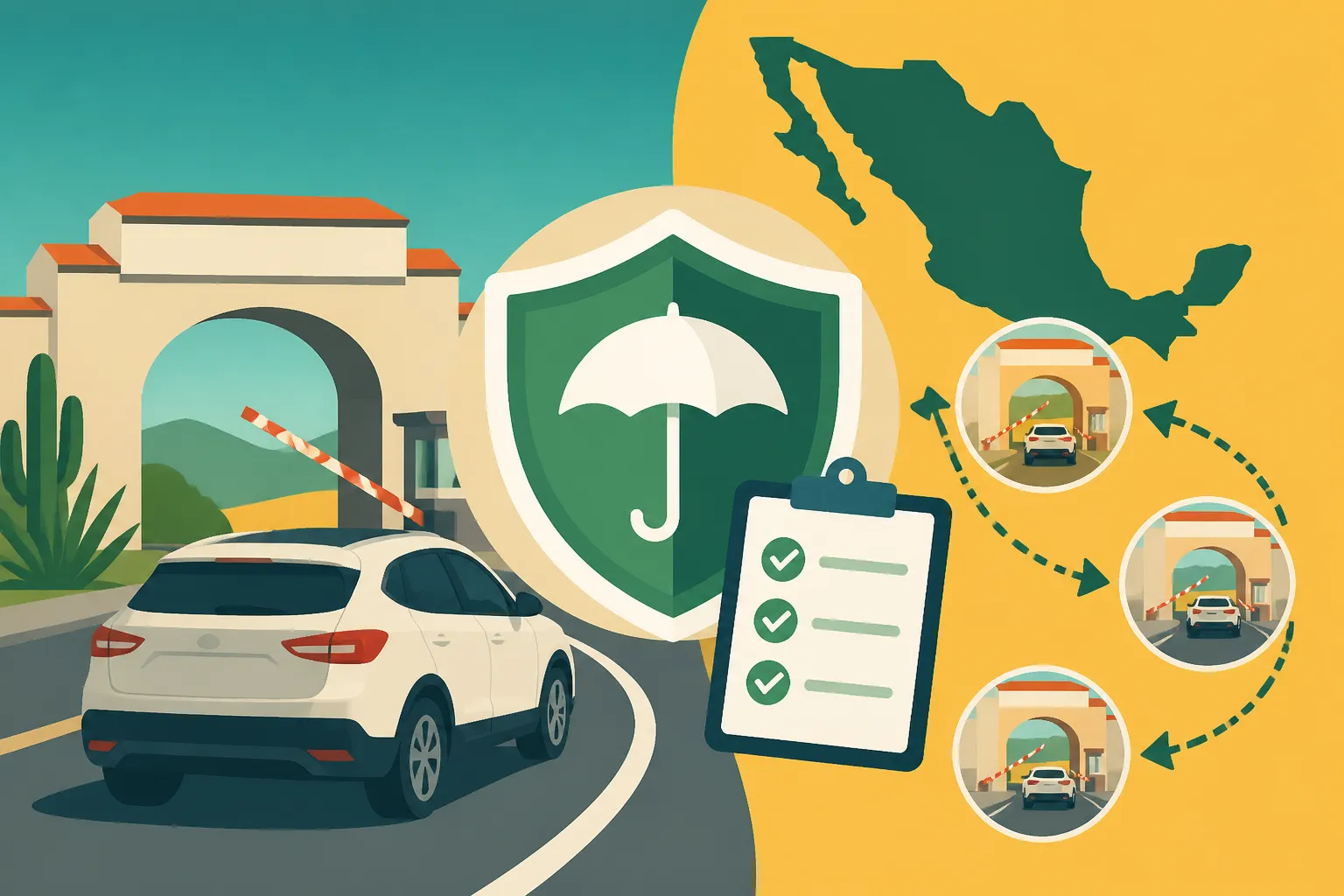
The beauty of SafetyWing for those engaged in border runs or actively pursuing residency is its ability to bridge the coverage gap. If you embark on a border run, SafetyWing will cover you for unexpected illness or injury during your transit and your short stay outside Mexico. It provides that essential layer of protection for the journey itself, a period when you're particularly exposed to travel-related mishaps.
More importantly, it offers coverage during the often lengthy and unpredictable process of obtaining temporary or permanent residency. As mentioned, local Mexican insurance options typically require official residency. While you’re submitting documents, attending appointments at the consulate, or waiting for your INM card to be issued after your canje appointment, you might not be eligible for these local plans. SafetyWing acts as your continuous health coverage during this critical transition, ensuring that a medical emergency doesn't derail your entire expat dream or force you into crippling debt.
It’s truly built for this kind of scenario. You can purchase SafetyWing today and have coverage tomorrow, making it an excellent choice for immediate needs and unexpected shifts in your immigration timeline. It doesn't ask about your current visa status beyond whether you're traveling or residing abroad. This kind of pragmatic, expat-friendly approach is why SafetyWing is becoming a go-to for many navigating life in Mexico.
Beyond Border Runs: Pursuing Legal Residency in Mexico
While SafetyWing offers an invaluable safety net for the interim, the long-term goal for most who genuinely want to live in Mexico should be to secure legal residency. It’s the only way to establish true stability and integrate fully into your new home.
Understanding Temporary Residency as the Stable Alternative
The Mexico Temporary Resident Visa: Comprehensive Guide for Expats (2026 Update) is the primary pathway for most expats looking to reside in Mexico for more than 180 days. This visa typically grants you status for one year, renewable for up to four years, after which you can apply for permanent residency. It allows you to legally reside in the country, apply for a CURP (Clave Única de Registro de Población), open a local bank account, and even get a work permit if you meet the criteria.
The process involves proving financial solvency, either through a consistent monthly income or significant savings, as detailed in Mexico Temporary Residency Financial Requirements (2026). While it requires more effort and planning than simply crossing a border, the stability and peace of mind it offers are incomparable. Avoiding common pitfalls is key, so reviewing guides like Common Mistakes to Avoid When Applying for Mexican Residency Visas can be incredibly helpful.
Integrating Health Coverage with Your Residency Status
Once you have your temporary or permanent residency card, you can then explore Mexico's local health insurance landscape. You might choose to enroll in the public system (IMSS) if you're employed by a Mexican company or qualify for voluntary enrollment, which is explained in How to Enroll in IMSS as a Foreign Resident in Mexico. Alternatively, many expats opt for private Mexican health insurance, offered by companies like GNP or AXA, which provides broader coverage and access to private hospitals. You can compare options and get a better understanding of the local market by reading Choosing Private Health Insurance: Local Mexican Plans vs International Coverage or a general overview of Healthcare in Mexico: Complete Guide for Expats (Public vs Private).
SafetyWing can continue to be a valuable asset even once you have local insurance. For instance, it can act as an excellent travel insurance component for when you visit your home country or other destinations, complementing your Mexican health plan. It can also provide a solid base for emergency medical evacuation, which many local plans might not cover comprehensively. Having comprehensive health coverage, even from a flexible international provider like SafetyWing, also demonstrates foresight and responsibility during your initial visa application, possibly even helping your case at a consulate by showing you are prepared for life abroad. Ultimately, understanding your healthcare options is vital, as discussed in Health Insurance in Mexico: How Expats Can Get Coverage (2027) and Do You Need Health Insurance for a Mexican Residency Visa?.
The bottom line is that while the journey to expat life in Mexico can have its administrative bumps, especially with border runs, robust and flexible health coverage like SafetyWing is an indispensable companion. It provides that essential bridge to stability while you navigate the path to legal residency and truly make Mexico your home.
Disclaimer
The information provided in this guide is for general informational purposes only and does not constitute legal, financial, or medical advice. Immigration policies, insurance terms, and healthcare systems in Mexico are subject to change. It is essential to consult with qualified legal and immigration professionals, as well as licensed insurance providers, for advice tailored to your specific situation. Always verify current requirements and regulations with official Mexican government sources (e.g., INM, SRE) and your chosen insurance provider before making any decisions.