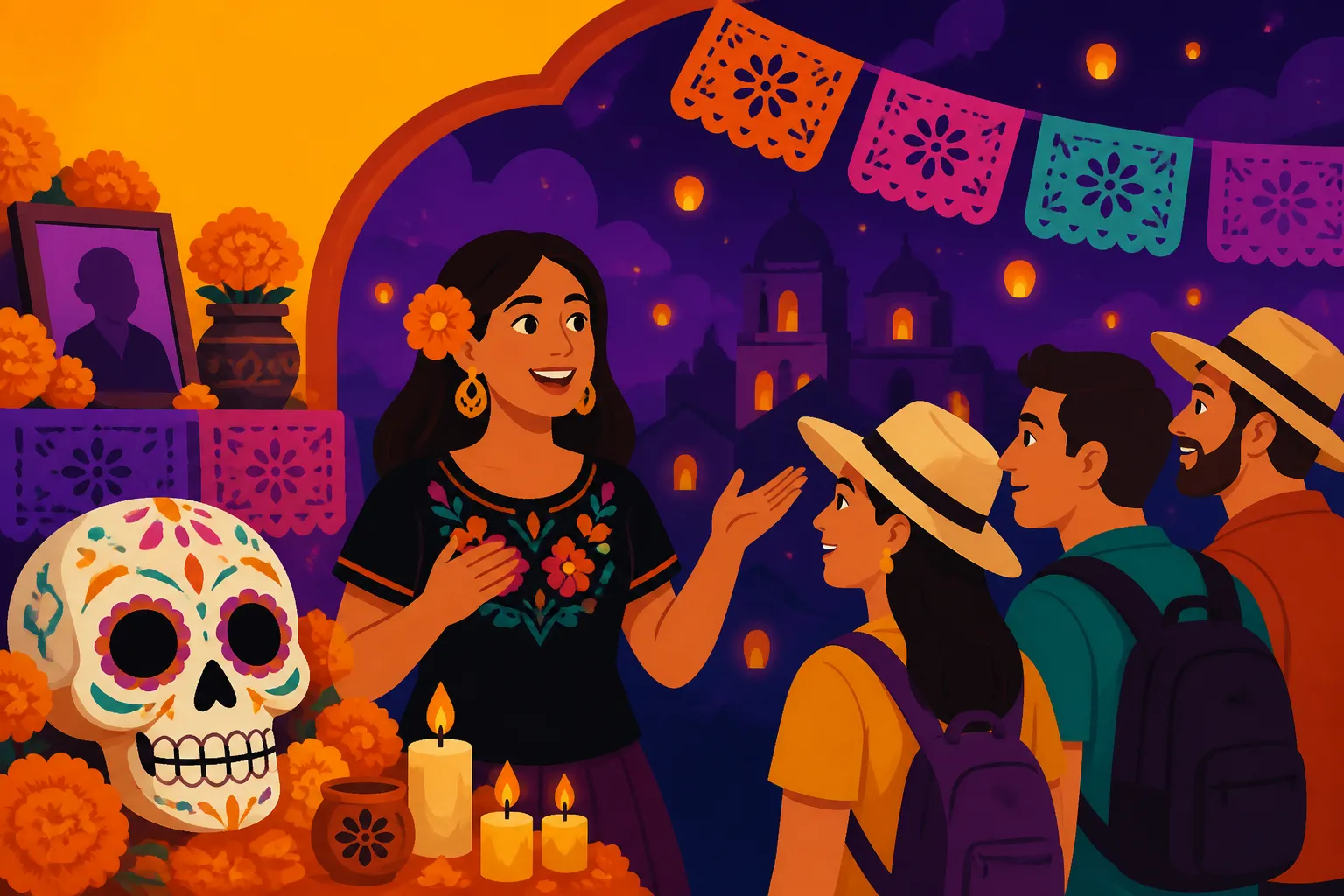
Dia de Muertos Guided Experiences: What a Booked Tour Includes
Trying to navigate the vibrant, yet often bewildering, celebration of Día de Muertos in Mexico can feel like attempting to catch a butterfly with a fishing net – beautiful, but challenging if you don't know the ropes. You want to immerse yourself in the profound cultural experience, witness the stunning altars, feel the energy of the parades, and understand the deep meaning behind it all, but where do you even begin? This guide is here to untangle the complexities and show you how a thoughtfully booked Día de Muertos tour, especially through a reliable platform like Viator, can transform your experience from mere observation into true, heartfelt participation.
Disclosure: This post may contain affiliate links. We may earn a commission at no extra cost to you if you make a purchase through these links. Read full disclosure.
Unpacking the Magic: What is Día de Muertos, Really?
Alright, let's get one thing straight right off the bat, particularly for those of you who might be new to Mexico or still finding your footing: Día de Muertos, or Day of the Dead, is absolutely not Halloween. I know, I know, the timing is similar, and there are skulls involved, but that’s where the similarities end. This isn’t about scary costumes or trick-or-treating; it's a profound, beautiful, and deeply moving indigenous tradition where families welcome the spirits of their deceased loved ones back home for a joyous reunion. It's a celebration of life, memory, and the enduring bond between the living and the dead, steeped in millennia of history and tradition.
The Spiritual Heart of the Celebration
At its core, Día de Muertos is a spiritual belief that during specific days, typically November 1st and 2nd, the veil between worlds thins, allowing departed souls to visit their earthly homes. This belief system, a fascinating blend of ancient Mesoamerican rituals and Catholic traditions introduced by the Spanish, shapes every aspect of the celebration. It’s a testament to the resilience of indigenous culture, how it adapted and incorporated new elements while retaining its fundamental essence. Understanding this spiritual underpinning is crucial to appreciating the altars, the offerings, and the overall atmosphere that pervades Mexico during this time. Without this context, you might miss the quiet reverence beneath the festive colors.
Key Elements of the Observance
So, what does this homecoming party for the spirits look like? It's a kaleidoscope of sights, sounds, and smells. Think vibrant marigolds (cempasúchil), their pungent scent and bright orange petals believed to guide spirits home. Imagine elaborate ofrendas, or altars, laden with the deceased's favorite foods, drinks, photos, and personal items, alongside candles, incense, and religious symbols. Then there are the calaveras – sugar skulls, clay figurines, and satirical poems – which playfully mock death, reminding us of its inevitability. And of course, the pan de muerto, a sweet, eggy bread often decorated with bone shapes. Each element plays a role in inviting, welcoming, and honoring the returning spirits, making the entire experience a truly sensory feast. Trying to decode all this on your own can be a bit overwhelming, which is where a guiding hand becomes invaluable.
Why a Guided Tour is Your Best Bet for Día de Muertos
When you’re an expat or a tourist, especially if it's your first time experiencing something as culturally significant and logistically intricate as Día de Muertos, flying solo can quickly turn from an adventure into a stress-fest. I’ve been there, trying to figure out which bus goes where, desperately translating signs, and wondering if I’m accidentally stumbling into someone’s private family gathering. That's why opting for a guided tour, particularly through a reputable provider like Viator, makes all the difference. It takes the guesswork out of it and allows you to truly soak in the experience.
Navigating Logistics and Language Barriers
Let's be honest, Mexico is fantastic, but getting around, especially in crowded cities during major festivals, can be a headache. Public transport might be packed, taxis hard to find, and understanding bus routes in rapid-fire Spanish can be a nightmare. A good Día de Muertos tour solves this immediately. You’ll have comfortable, pre-arranged transportation, often taking you directly to locations that might be tricky to access otherwise. Beyond that, a knowledgeable guide acts as your cultural bridge and interpreter. Imagine trying to understand the intricate stories behind an altar in a local community, or asking a vendor about the symbolism of their crafts, without fluent Spanish. Your guide will translate, explain, and ensure you grasp the nuances, transforming simple observations into meaningful insights. It smooths over so many potential frustrations, letting you focus on the beauty unfolding around you.
Gaining Authentic and Respectful Access
One of the biggest concerns for any mindful traveler is ensuring their presence is respectful and doesn't intrude on sacred traditions. Día de Muertos is a deeply personal and family-oriented holiday. Strolling into a cemetery uninvited, or lingering too long at a private ofrenda, can feel intrusive. Guided tours, particularly those arranged by experienced operators found on platforms like Viator, often have established relationships with local communities and families. This means they can offer respectful, pre-arranged access to spaces like cemeteries or family homes where you can witness traditions firsthand, not as an outsider gawking, but as an invited guest. This distinction is huge and ensures you're engaging with the culture in a way that truly honors its spirit. Plus, guides are excellent at teaching you Mexican Etiquette and Customs: Do's and Don'ts for New Expats, ensuring you don't accidentally cause offense.
Unlocking Deeper Cultural Understanding
Without a guide, you might see beautiful altars and colorful parades, but you'll only scratch the surface. You'll miss the "why." Why are there marigolds? Why is the pan de muerto shaped like that? What's the significance of a particular offering? A seasoned guide brings these elements to life, weaving historical context, personal anecdotes, and local folklore into your experience. They can point out details you’d never notice on your own, explain the differences between regional celebrations (because Día de Muertos in Oaxaca is very different from Mexico City!), and share stories that give profound meaning to what you’re seeing. It’s like having a living textbook and a personal storyteller rolled into one, allowing you to connect with Mexican Holidays and Festivals: What Expats Should Know on a much deeper level.
What a Booked Viator Día de Muertos Tour Typically Includes
So, you're convinced that a guided tour is the way to go. Excellent! Now, what can you actually expect from a well-structured Día de Muertos experience booked through a platform like Viator? While specifics can vary depending on the region, duration, and focus of the tour, there are several core elements that consistently make these journeys incredibly enriching. Viator excels at offering a wide spectrum of options, from immersive multi-day trips to focused evening excursions.
Visits to Decorated Cemeteries
This is often the centerpiece of many Día de Muertos tours, and for good reason. Visiting a local cemetery on the night of November 1st or 2nd is an experience unlike any other. Families gather at the graves of their loved ones, cleaning the headstones, adorning them with vibrant marigolds, candles, and offerings. The atmosphere is one of poignant celebration – mariachi bands might play, families share food and stories, and the soft glow of countless candles illuminates the night, creating a truly ethereal scene. Your Viator tour will ensure you arrive safely, often at designated times, and your guide will provide context on the traditions being observed, from the significance of the candles to the types of food and drink left as offerings. They'll also instruct you on how to be a respectful observer in these sacred spaces. Popular spots include Pátzcuaro in Michoacán or various cemeteries in Oaxaca City Guide: Markets, Mezcal, and Art.
Witnessing Ofrendas and Altars
The ofrenda is the heart of the home during Día de Muertos, a beautifully adorned altar created to welcome the returning spirits. Many Viator tours include visits to public ofrendas in town squares, museums, or cultural centers, which are often elaborate and incredibly artistic. Some more intimate tours might even arrange for you to visit a local family's home (with their express permission, of course!) to see a private ofrenda and understand the personal stories and traditions behind it. This is where your guide truly shines, explaining the symbolism of each item – the glass of water for the thirsty traveler, the favorite tequila or mezcal of the deceased, the toys for child spirits, and the personal photos that bring memories to life. It offers a profound glimpse into the family's remembrance.
Participation in Local Parades and Festivities
While the Netflix movie Coco and the James Bond film Spectre might have popularized the grand, cinematic parades, the truth is, many towns and cities across Mexico have always had their own parades and festive processions. These range from huge, elaborate spectacles in Living in Mexico City: An Expat's Guide to Neighborhoods and Lifestyle with giant calavera floats and costumed dancers, to more solemn community processions in smaller towns or Pueblos Mágicos: Mexico's Magic Towns Explained. Your Viator tour might strategically position you to get a great view of these events, or even integrate you into a local procession. You'll see locals dressed as Catrinas (elegant skeleton figures), musicians playing traditional tunes, and a general atmosphere of joyful remembrance. This is a fantastic opportunity to feel the festive pulse of the celebration.
Culinary Experiences and Workshops
Food is inextricably linked to Día de Muertos. The spirits are believed to return hungry and thirsty, so offerings of their favorite dishes are paramount. Many Viator tours incorporate delicious culinary elements. This could mean a tasting of traditional pan de muerto, a sampling of mole (a complex sauce often prepared for special occasions), or even a sit-down meal featuring foods commonly enjoyed during the holiday. Some tours go a step further and offer hands-on workshops where you can learn to decorate sugar skulls (calaveritas de azúcar), make paper flowers, or even participate in the preparation of a traditional dish. These experiences are not only tasty but also provide a tangible connection to the cultural practices.
Insight into Arts and Crafts
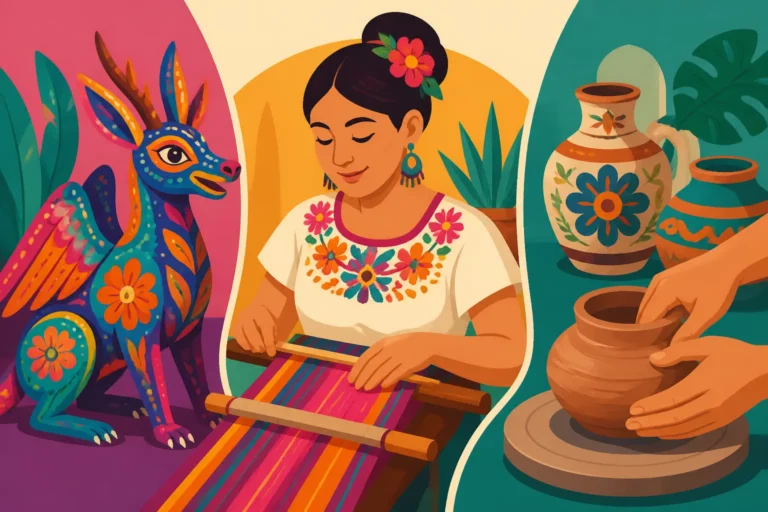
The artistry of Día de Muertos is astonishing. From intricately cut paper banners (papel picado) to whimsical clay figurines and beautifully painted wooden skulls, the creativity is endless. Many tours include visits to local markets or artisan workshops where you can see these crafts being made and understand their cultural significance. Your guide can help you find authentic, ethically sourced souvenirs, ensuring you take home a piece of Mexico's rich heritage rather than mass-produced trinkets. It’s also a great way to support local artists and communities, and you might even find yourself inspired to create your own altar decorations after seeing the sheer talent on display. Viator's curated tours often highlight these local connections, giving you a chance to appreciate the dedication and skill that goes into each piece.
Finding Your Perfect Día de Muertos Experience with Viator
With so many facets to Día de Muertos, choosing the right tour can feel like a daunting task. However, platforms like Viator make it incredibly easy to filter and find an experience that aligns perfectly with your interests, your schedule, and your desire for immersion. They aggregate a vast number of reputable local operators, giving you plenty of vetted options.
Considering Your Location and Desired Focus
First, think about where you want to experience Día de Muertos. The celebration varies significantly by region.
- Mexico City offers grand parades, vast public ofrendas in places like the Zócalo, and a bustling, cosmopolitan atmosphere. A Viator tour here might focus on the large-scale spectacle and museum visits, perhaps even including a trip to the canal boats of Xochimilco.
- Oaxaca is renowned for its deeply traditional observances, vibrant cemetery vigils, and incredible markets filled with artisan crafts. Tours in Oaxaca often emphasize community engagement, local cuisine, and visits to smaller villages.
- Michoacán, particularly around Lake Pátzcuaro, is famous for its pre-Hispanic traditions, with fishermen paddling canoes illuminated by candles across the lake, and island communities with unique rituals. These tours are often very spiritual and picturesque.
- Other destinations like San Miguel de Allende or Mérida also offer distinct, charming celebrations.
Once you know your location, consider your focus: do you want a culinary journey, an art-focused experience, a spiritual immersion, or a festive party? Viator allows you to filter by these criteria, making it simple to narrow down your choices.
Reading Reviews and Understanding Inclusions
This is crucial. Just like with any travel booking, take the time to read through previous travelers' reviews on Viator. Look for comments that highlight what’s important to you: the guide's knowledge, the quality of transportation, the authenticity of the experiences, and whether the tour delivered on its promises. Pay close attention to what's explicitly included and excluded in the tour description. Does it cover meals? Entrance fees? Tips? Understanding these details upfront helps you budget accurately and avoid any surprises. A clear description on Viator will tell you if you need Money for Travel in Mexico: Cash, Cards, and ATMs for additional purchases.
Booking in Advance and Flexibility
Día de Muertos is one of Mexico's most popular festivals, attracting both domestic and international visitors. This means tours, especially the highly-rated ones, can book up quickly. My advice: once you've settled on a tour, book it well in advance, particularly if you're traveling to a prime destination like Oaxaca or Michoacán. Viator offers the convenience of booking online, often with flexible cancellation policies, which gives you peace of mind if your plans need to shift. Don't wait until you arrive in Mexico, or you might find yourself scrambling for last-minute options that don't quite meet your expectations.
Making the Most of Your Día de Muertos Journey
Even with the best guided tour booked through Viator, there are always ways to enhance your experience and ensure you're fully present for this incredible celebration. It’s about being prepared, open, and respectful.
Prepare Culturally and Respectfully
Before you go, take a little time to learn some basic Spanish phrases, especially polite greetings and phrases like "thank you" and "please." While your guide will translate, making an effort goes a long way with locals. Many Viator tours will specify if there is a particular dress code, especially for cemetery visits which can be more solemn. Generally, dressing respectfully, covering shoulders and knees, and wearing comfortable walking shoes is a good rule of thumb. Remember, this is a sacred tradition for many, not just a tourist spectacle. Be mindful when taking photos, always ask for permission, especially before photographing individuals or private altars, and be aware of your surroundings. Your guide will provide excellent advice on this, helping you navigate these sensitivities. Understanding Tipping in Mexico (Propina): When and How Much is also helpful if you want to thank local artisans or musicians.
Engage with Your Guide and Fellow Travelers
Your tour guide is a wealth of knowledge, often a local themselves with personal connections to the traditions. Don't be shy about asking questions! This isn't just a monologue; it's an interactive learning experience. The more you engage, the more you'll learn and appreciate. Similarly, connecting with your fellow travelers can enrich the experience. You’ll be sharing a unique, often emotional, journey, and those bonds can make the memories even more special. Many lifelong friendships start on these kinds of immersive cultural tours.
Embrace the Spirit, Even Beyond the Tour
The magic of Día de Muertos doesn't stop when your guided tour ends. You'll carry the spirit of remembrance, connection, and appreciation for life with you. Consider exploring local markets the next day to buy some pan de muerto or calaveritas de azúcar. Reflect on the stories you heard and the sights you saw. This profound holiday offers a beautiful lens through which to view life and death, and allowing that perspective to linger will make your entire Mexico experience even more meaningful. And if you're keen to explore more of Mexico's rich culture, don't forget that Viator offers countless other tours, whether you're interested in Travel Logistics in Mexico: Safety, Money, and Connectivity or a deep dive into Mexican Food Culture: Eating and Drinking as a Visitor.
| Tour Aspect | Typical Viator Inclusion | What to Look For |
|---|---|---|
| Transportation | Round-trip transport from a central meeting point or hotel pick-up | Air-conditioned vehicles, clear meeting instructions, punctual service. |
| Guide | Bilingual (English/Spanish) local expert, certified | Excellent reviews on knowledge, storytelling, and managing group dynamics. |
| Cemetery Visits | Guided access to one or more decorated local cemeteries, often at night | Information on respect/etiquette, ample time for observation, context for traditions. |
| Ofrenda Experiences | Visits to public altars, cultural centers, or sometimes private family homes (with permission) | Detailed explanations of symbolism, opportunities for respectful interaction. |
| Parade/Procession Access | Strategic viewing spots or participation in local processions/parades | Clear itinerary of which events will be observed, safety considerations in crowds. |
| Food & Drink | Tastings of pan de muerto, hot chocolate, or a full traditional meal | Menu details (if a meal), options for dietary restrictions (check with tour operator), hygiene standards. |
| Workshops/Crafts | Hands-on activities like sugar skull decorating, paper flower making, or visits to artisan markets | Quality of materials, clear instructions, chance to take home your creations, support for local artisans. |
| Cultural Context | Historical background, local anecdotes, spiritual significance of traditions | Depth of information, opportunities for Q&A, ability to connect traditions to modern life. |
| Safety Measures | Guides prioritizing group safety, especially in crowded areas or at night | Clear communication on safety protocols, emergency contact information, well-lit meeting points. |
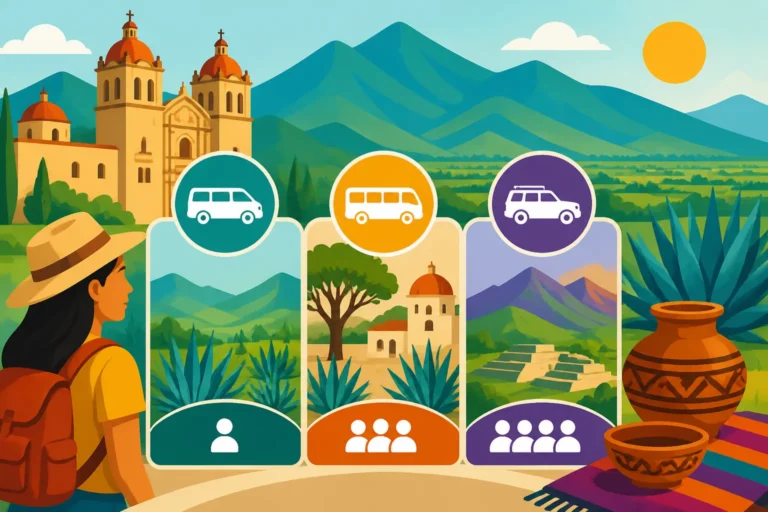
| Group Size | Varies from small, intimate groups to larger coach tours | Choose based on your preference for personal attention vs. a more social experience. |
Día de Muertos is a truly transformative experience, a vibrant testament to Mexico’s rich cultural tapestry and its unique relationship with life and death. While exploring independently can be part of the adventure, for something this profound and complex, a guided tour takes away the stress and amplifies the wonder. By choosing a reputable platform like Viator, you’re not just booking a tour; you’re unlocking a portal to an authentic, respectful, and deeply memorable journey into the heart of Mexican tradition. So, go ahead, embrace the journey, and let the spirits guide you to an unforgettable celebration.
Disclaimer
This article is for general informational purposes only and does not constitute professional advice. Laws, prices and regulations vary by location and change over time. Consult a qualified professional for guidance on your specific situation.