Oaxaca Valley Circuit Tours: Comparing Operators and What Each Day Includes
Oh, the Oaxaca Valley! It’s one of those places in Mexico that calls to your soul, isn't it? The sheer beauty, the ancient history, the vibrant crafts, and that amazing mezcal… it’s a lot to take in. For many of us expats and travelers, the idea of exploring the entire valley can feel a bit overwhelming, trying to figure out how to get to Monte Albán, then Teotitlán, then Hierve el Agua, all in one go without a car, and then, you know, not getting completely lost or missing out on key insights. This guide is going to cut through that confusion, helping you understand the classic Oaxaca Valley circuit tours, what to expect from different operators, and how to pick the perfect adventure – with a special nod to how platforms like Viator can genuinely simplify your planning.
Disclosure: This post may contain affiliate links. We may earn a commission at no extra cost to you if you make a purchase through these links. Read full disclosure.
Why a Oaxaca Valley Circuit Tour is an Absolute Must-Do
When you first arrive in Oaxaca City, it’s easy to get swept up in the charm of the historic center, the incredible food, and the bustling markets. But to truly understand Oaxaca, to really feel its pulse, you have to venture out into the surrounding valleys. Trust me, I’ve seen countless visitors stick to the city and later express regret for not exploring further. The Oaxaca Valley isn't just a geographical area; it's a living museum, a cultural powerhouse, and a culinary delight all rolled into one. And let's be honest, trying to piece together a coherent itinerary by yourself, especially if your Spanish isn’t top-notch, can quickly turn a fun adventure into a logistical headache.
Unpacking the Valley's Richness and What Makes it Special
The Oaxaca Valley, or Valles Centrales, is cradled by mountains and is the ancestral home of the Zapotec and Mixtec civilizations. This region is brimming with archaeological sites that predate European arrival, artisan villages where traditions have been passed down for centuries, and natural wonders that will absolutely take your breath away. You’ll find everything from monumental ancient cities perched on mountaintops to humble workshops where families have been weaving intricate textiles for generations. It’s a place where you can literally walk through history, witness ancient crafts being made before your eyes, and taste spirits distilled with pre-Hispanic methods. This concentration of unique experiences is precisely why a dedicated circuit tour is so valuable; it’s designed to hit the highlights and give you context you'd simply miss on your own.
The Benefits of a Guided Tour vs. DIY Exploration
While I’m a big advocate for independent exploration, for something as packed and diverse as the Oaxaca Valley circuit, a guided tour really shines. Think about it: you want to see the grandeur of Monte Albán, understand the complex symbolism in Mitla's stonework, learn about natural dyes from a master weaver in Teotitlán, marvel at Hierve el Agua, and taste authentic mezcal from a palenque. Doing all that on public transport, negotiating taxis, and trying to grasp historical context from a guidebook? It’s a lot.
A guided tour offers unparalleled convenience. All your transportation is handled, usually in comfortable, air-conditioned vehicles. You don't have to worry about navigating winding roads or finding parking. More importantly, a good guide is a walking encyclopedia, bringing history to life with stories and insights that you'd never get otherwise. They can bridge language barriers with local artisans, explain the nuances of Zapotec culture, and ensure you're getting an authentic experience, not just a surface-level glimpse. For expats, especially those still getting their bearings, this ease of access and deep dive into local culture can be a massive relief, allowing you to relax and truly soak it all in. Plus, many tours include lunch, often at a local comedor (eatery), which is a fantastic way to sample regional cuisine without the stress of choosing.
Decoding the Classic Oaxaca Valley Circuit: Key Stops You Can Expect
Most Oaxaca Valley circuit tours follow a fairly standard, well-trodden path, and for good reason: these stops are genuinely amazing and represent the best of what the region has to offer. While some operators might swap out a minor stop or add an extra, you can generally expect to hit these iconic locations. It’s like a greatest hits album of Oaxaca, carefully curated for maximum impact and cultural immersion.
Monte Albán: The Ancient Zapotec Capital
This is usually the first stop on any respectable Oaxaca Valley tour, and for good reason. Perched atop a flattened mountain, Monte Albán is a magnificent pre-Columbian archaeological site that served as the ancient capital of the Zapotecs. Walking among its pyramids, ball court, and intricate carvings, you can almost hear the echoes of a civilization that flourished here for over 1,500 years. The sheer scale and strategic location are awe-inspiring, offering panoramic views of the entire Oaxaca Valley. Your guide will walk you through the history, the rituals, and the astronomical alignments, transforming piles of stone into a vibrant narrative of power and belief. It’s a truly humbling experience, and a visit here is essential to understanding the roots of Oaxacan culture.
Teotitlán del Valle: Weaving Traditions Alive
After the ancient grandeur, you’ll likely descend into Teotitlán del Valle, a village world-renowned for its Zapotec weavers. This isn’t just a tourist stop; it’s a living tradition. Here, families have been weaving wool rugs and other textiles using ancient techniques and natural dyes for centuries. Tours typically include a demonstration where you’ll see how they process the wool, spin it, and create vibrant colors from cochineal insects, indigo, pomegranate, and other natural elements. It’s absolutely fascinating to see how they transform simple wool into intricate designs without modern machinery. You'll also have the opportunity to purchase directly from the artisans, supporting their craft and taking home a truly authentic piece of Oaxacan art. These visits are a beautiful example of how Mexican holidays and festivals: what expats should know often intertwine with artisan traditions.
Mitla: Intricate Stone Mosaics
Further into the valley lies Mitla, another significant archaeological site, but vastly different from Monte Albán. Mitla is famous for its unique and intricate fretwork mosaics that adorn its palaces and tombs. Unlike the carved reliefs of Monte Albán, Mitla's architecture is characterized by elaborate geometric patterns formed by thousands of perfectly cut and fitted stone pieces, all without mortar. It's a testament to the incredible skill of the Mixtec artisans who later occupied the site. Your guide will explain the symbolism behind the designs and the site's role as a prominent ceremonial and burial center. It feels more intimate, more delicate, and equally profound.
Hierve el Agua: Petrified Waterfalls and Natural Pools
Prepare for a jaw-dropping natural wonder! Hierve el Agua, meaning "the water boils," is a breathtaking site where mineral-rich springs, over thousands of years, have created stunning rock formations that resemble petrified waterfalls cascading down the mountainside. It's truly unique. Beyond the visual spectacle, there are natural pools at the top where you can take a refreshing dip, often with incredible views of the surrounding valleys. It’s a perfect spot to relax, take stunning photos, and reflect on the day's historical explorations. Remember to bring your swimsuit and a towel! This place is a highlight for many, a fantastic example of outdoor adventures and nature in Mexico.
El Árbol del Tule: The Oldest Living Thing
Often a quick but impactful stop, El Árbol del Tule is a massive Montezuma cypress tree located in the town of Santa María del Tule. What makes it special? It’s believed to be one of the oldest living trees in the world, with a trunk circumference so enormous it’s hard to wrap your head around. Standing next to this ancient giant, estimated to be over 2,000 years old, gives you a profound sense of history and nature's enduring power. Local children often act as informal guides, pointing out the various animal shapes they see in the gnarly bark, which is quite charming.
Mezcal Tasting: A Cultural Journey in a Glass
No trip to Oaxaca is complete without delving into the world of mezcal, the smoky, artisanal spirit that is central to Oaxacan culture. Most tours will include a stop at a palenque (mezcal distillery) where you can learn about the traditional production process, from the harvesting and roasting of the agave hearts to the crushing, fermentation, and distillation. It’s an art form, not just a drink. You’ll get to taste various types of mezcal, often directly from the producer, understanding the differences between agave varieties and aging processes. It's an educational and delicious experience, offering a glimpse into the heart of Oaxacan tradition. If you want to dive deeper into this fascinating world, check out our guide on Tequila, Mezcal, and Mexican Drinking Culture.
Comparing Oaxaca Valley Circuit Tour Operators (and why Viator stands out)
Okay, so you're convinced you need to see the Oaxaca Valley, and a tour sounds like the way to go. Now comes the next hurdle: actually booking one. This is where it can get tricky, as Oaxaca City has countless local tour agencies, street vendors, and online options. How do you know who to trust? How do you compare offerings? And how do you ensure you're getting a quality experience that matches your expectations? I remember standing on the street corner, squinting at handwritten signs, feeling completely overwhelmed.
Types of Operators: From Local Guides to Online Platforms
You'll encounter a few different types of tour operators in Oaxaca. First, there are the myriad small, local agencies and independent guides with storefronts or even just a table on the street, especially around the zócalo or Andador Turístico. These can sometimes offer great value, but vetting them on the spot can be hard. Then you have hotel-recommended tours, which are often reliable but might come at a premium.
Finally, there are online booking platforms. This is where the game changes for many expats and tourists who value transparency, reliability, and the ability to read reviews before committing. This is precisely where a platform like Viator becomes an absolute lifesaver. It aggregates tours from many different local operators, presenting them in a clear, comparable format.
What to Look For in a Reputable Tour Operator
When you're trying to choose, keep these factors in mind:
- Reviews and Reputation: This is paramount. Look for consistent positive feedback about the guides, transportation, and overall experience.
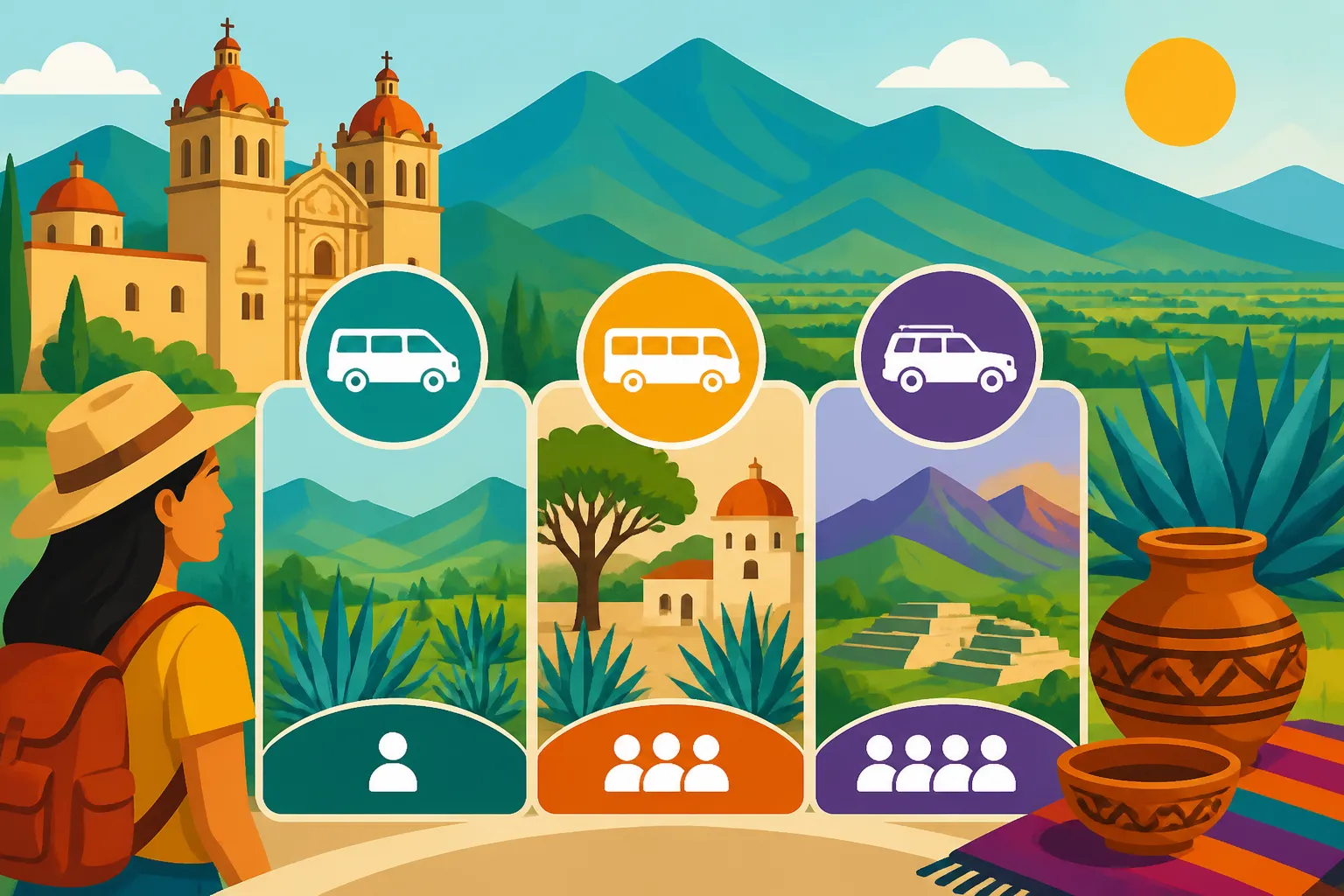
- Group Size: Do you prefer a small, intimate group or are you comfortable with a larger coach? Smaller groups often allow for more personalized attention and flexibility.
- Language Options: Ensure the tour is offered in a language you understand, especially for the historical explanations. Many tours offer English-speaking guides.
- Transportation Quality: Is it a comfortable, air-conditioned van or a cramped bus? Good transportation makes a long day much more enjoyable.
- Guide Expertise: A knowledgeable and passionate guide can make or break a tour. Look for mentions of guides being informative and engaging.
- Inclusions and Exclusions: What's covered? Entrance fees? Lunch? Mezcal tasting fees? Be clear on what you need to pay extra for.
- Flexibility: While it's a circuit, some tours might offer a bit more time at certain stops, or a slightly different order.
Why Viator Simplifies Your Choice and Enhances Your Experience
This is where I genuinely recommend turning to Viator. It truly acts as a one-stop shop for comparing and booking Oaxaca Valley tours, taking a lot of the guesswork and anxiety out of the process.
Instead of walking around town, haggling, and hoping for the best, you can browse dozens of options from the comfort of your home or hotel. Viator lets you filter by price, group size, duration, and even specific stops. Each listing typically has:
- Clear Descriptions: You’ll know exactly what the tour entails, what's included (and what isn't), and the approximate timings for each stop.
- Real Reviews: This is huge! You can read feedback from previous travelers, giving you an honest idea of the tour's quality, the guide’s performance, and the comfort of the transport. This kind of social proof is invaluable for making an informed decision.
- Secure Booking: Payment is processed securely online, and you receive instant confirmation, which means no fumbling with cash or worrying about reservations getting lost.
- Variety of Options: Whether you're looking for a budget-friendly group tour, a more luxurious private experience, or something in between, Viator offers a range of choices from different local operators. This means you can find a tour that fits your budget and travel style. You can also easily compare various itineraries side-by-side to see which one includes exactly what you're hoping for.
Many of the highly-rated tours on Viator ensure a high standard, meaning you're more likely to get an English-speaking guide, comfortable transportation, and well-organized stops. For us expats, who often value efficiency and clear communication, the convenience of finding exactly what you want and booking it with confidence through Viator is a game-changer. It means less time stressing about logistics and more time enjoying the incredible sights, sounds, and tastes of the Oaxaca Valley. So, before you commit, definitely hop onto Viator and check out the various Oaxaca Valley circuit tours they have on offer – you might be surprised by the quality and convenience.
Practical Tips for Your Oaxaca Valley Adventure
A full day exploring the Oaxaca Valley circuit is an incredible experience, but it’s also a long day with lots of walking and discovery. Being prepared will make a huge difference in how much you enjoy it. Consider these tips to ensure your adventure goes smoothly.
What to Bring and How to Prepare
- Sun Protection: The Oaxaca sun is strong, especially at Monte Albán, which is very exposed. A wide-brimmed hat, sunglasses, and reef-safe sunscreen are non-negotiable.
- Comfortable Shoes: You'll be walking on uneven terrain at archaeological sites, climbing stairs, and strolling through artisan villages. Leave the sandals at the hotel.
- Water: Stay hydrated! While some tours might provide water, always bring an extra reusable bottle.
- Snacks: A little something to munch on between stops can be a lifesaver, especially if lunch is later in the day.
- Camera and Power Bank: You’ll want to capture the stunning landscapes and intricate details. Make sure your phone or camera is fully charged, and consider a portable charger.
- Pesos (Cash): Essential for entrance fees (if not included), souvenirs, tips, and perhaps extra mezcal purchases. While many larger places accept cards, smaller artisan stalls and local eateries often prefer cash. Understanding cash culture in Mexico: when you still need pesos is vital.
- Swimsuit and Towel: If your tour includes Hierve el Agua, you’ll definitely want to take a dip in those mineral pools.
- Light Layers: While days can be hot, early mornings or evenings can be cooler, especially at higher altitudes like Monte Albán.
Budgeting for Your Tour and Beyond
The cost of your Oaxaca Valley circuit tour can vary quite a bit depending on the operator, group size (private vs. public), and what's included. Generally, a full-day group tour will be more affordable, while a private tour will be a more significant investment but offer personalized flexibility. Remember to factor in these additional costs:
- Entrance Fees: Many tours include these, but always double-check.
- Lunch: Some tours include a fixed lunch, others leave it to you. Budget for a meal, often around $150-250 MXN.
- Souvenirs: You’ll be tempted by the beautiful crafts in Teotitlán del Valle and the various mezcal bottles. Bring extra pesos!
- Tips: It’s customary to tip your guide and driver. A general guideline is around 10-15% of the tour cost for the guide, split among your group, and a smaller amount for the driver. This ties into the broader tipping in Mexico (propina): when and how much customs.
- Mezcal Purchases: If you fall in love with a particular mezcal at the palenque, be prepared to buy a bottle (or two!).
When you're browsing options on Viator, make sure to read the "What's Included" section carefully to avoid any surprises. This transparency is another reason why I often recommend booking through such platforms, as it makes what’s included and any extra expenses much clearer.
Maximizing Your Experience and Cultural Immersion
Don't just be a passive observer! The Oaxaca Valley is a place to engage and connect.
- Ask Questions: Your guide is a wealth of information. Don't be shy about asking about history, culture, or even local life.
- Interact with Artisans: In Teotitlán del Valle, take the time to chat with the weavers (if you have a guide to translate, even better). Learn about their lives and their craft.
- Try Local Foods: If your lunch stop offers local Oaxacan specialties like tlayudas, mole, or chapulines (grasshoppers – yes, try them!), go for it! It's part of the adventure.
- Support Local Businesses: When buying souvenirs, consider purchasing directly from the artisans rather than mass-produced items. Your purchase directly supports their families and traditions.
- Be Present: Put down your phone sometimes. Take a moment to simply soak in the ancient energies of Monte Albán, the beauty of Hierve el Agua, or the intricate artistry in Teotitlán. These are memories you'll cherish long after the photos fade.
| Tour Stop | Typical Highlights | What to Expect |
|---|---|---|
| Monte Albán | Ancient Zapotec city, pyramids, ball court, panoramic views | Guided walk through major structures, historical explanations, significant walking/climbing, sun exposure |
| Teotitlán del Valle | Zapotec weaving demonstrations, natural dye processes, artisan interaction | Visit to a family workshop, hands-on learning about traditional techniques, opportunity to purchase textiles directly |
| Mitla | Unique geometric stone mosaics, ancient palaces and tombs | Guided tour of distinct architectural style, focus on intricate fretwork, less climbing than Monte Albán |
| Hierve el Agua | Petrified waterfalls, natural mineral pools, stunning valley views | Opportunity to swim, short hikes for different viewpoints, photo opportunities, usually a designated time for relaxation |
| El Árbol del Tule | World's widest tree, ancient Montezuma cypress | Brief stop for viewing and photos, local children may offer informal tours (tip expected), easy access |
| Mezcal Tasting | Traditional palenque visit, mezcal production process explanation, tasting of various types of mezcal | Guided tour of distillery, explanation of agave varieties and distillation, sample different mezcals, opportunity to purchase bottles (no obligation) |
Disclaimer
This article is for general informational purposes only and does not constitute professional advice. Laws, prices and regulations vary by location and change over time. Consult a qualified professional for guidance on your specific situation.