Living on Dollars, Spending in Pesos: How Often Should You Convert?
Oh, the age-old expat conundrum: you've got dollars coming in, but you're living a peso life. It's a tale as old as time for anyone making their home in Mexico, and it’s a constant juggle of "when should I convert?", "where should I convert?", and "am I getting ripped off?". Trust me, we’ve all been there, staring at our banking apps, trying to guess the market like day traders. This guide is going to cut through the confusion and help you navigate the dollar-peso dance, ensuring your money works smarter for you, not harder, especially with smart solutions like Wise at your fingertips.
Disclosure: This post may contain affiliate links. We may earn a commission at no extra cost to you if you make a purchase through these links. Read full disclosure.
The Daily Reality: Why Dollar-to-Peso Conversion is a Constant Concern
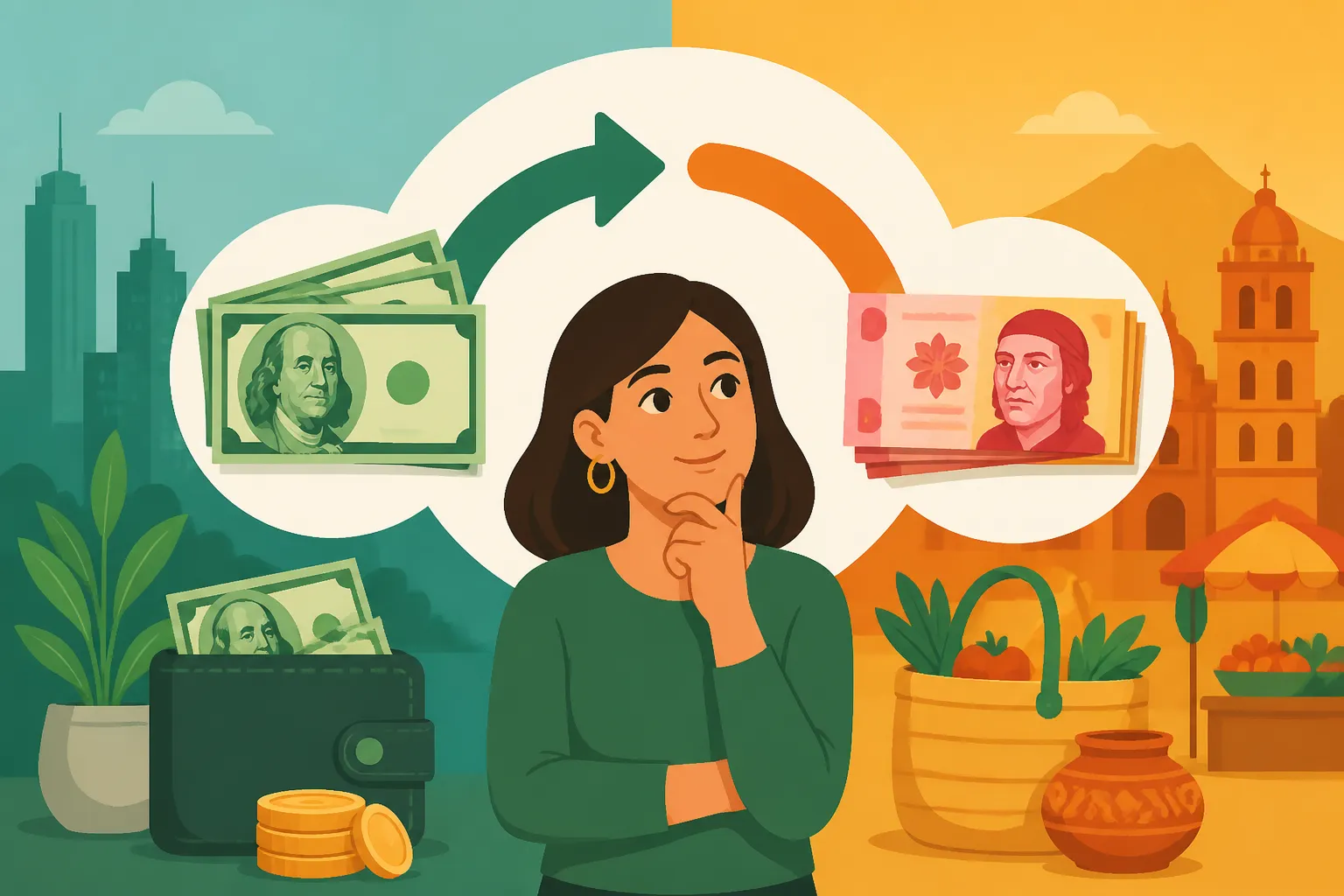
Living in Mexico as an expat means you’re often earning, saving, or receiving funds in a foreign currency, most commonly US dollars. Yet, your daily life – your rent, groceries, market trips, a taxi ride, or a delicious taco al pastor – is overwhelmingly transacted in Mexican Pesos (MXN). This fundamental mismatch isn't just an inconvenience; it's a financial tightrope walk that can significantly impact your cost of living and overall peace of mind.
The Volatility of the Mexican Peso
One of the biggest anxieties for expats is the peso's fluctuating value. It can feel like a rollercoaster, sometimes strengthening against the dollar, sometimes weakening, and these movements can directly hit your wallet. For example, a sudden drop in the peso's value means your dollars suddenly buy more pesos, making your current expenses feel cheaper. Great, right? But if you're planning to convert a large sum of dollars to purchase something significant, you might be kicking yourself if you converted last week when the peso was stronger.
Consider a hypothetical. You're paid in USD, and your monthly budget in pesos is fixed. If the peso suddenly weakens by 5%, your dollar income now stretches further, potentially leaving you with more disposable pesos. Conversely, if the peso strengthens, your dollars buy fewer pesos, and suddenly your rent and daily expenses feel more expensive in real terms. This constant variability makes budgeting and financial planning feel less like a science and more like an art. It creates a nagging question: should I convert now, or wait? This uncertainty is precisely why a reliable and transparent conversion strategy is so crucial for expat life here. Many of us have spent countless hours agonizing over these daily shifts.
When to Use Pesos vs. Dollars in Mexico
While Mexico is right next door to the United States, and tourism means dollars are often seen, for everyday living, the rule is simple: pesos are king. Trying to pay with dollars for most transactions will usually result in a poor exchange rate, or outright refusal, especially outside major tourist zones.
Think about your grocery runs to the local mercado or even a large supermarket like Chedraui or Soriana. They operate in pesos. When you pay your utility bills – CFE (electricity), water, or gas – these are all denominated in pesos. Buying a coffee, getting a haircut, or taking local transportation? Pesos. Even if a vendor accepts dollars, they’ll often use a conversion rate far below the market rate, essentially charging you a hidden fee. You might save yourself a trip to the ATM, but you’ll likely lose money in the process.
There are exceptions, of course. In hyper-touristy areas like Cancun, Playa del Carmen, or parts of Baja California, some large hotels, international restaurants, or tour operators might quote prices in USD and readily accept them. However, even in these instances, you'll often find a better deal paying in pesos, as their conversion rate will still be skewed in their favor. For larger transactions, like buying property or a car, the initial pricing might be in dollars, but the actual transaction, especially if it involves financing, will usually be handled in pesos through official bank transfers. For the vast majority of your life here, especially when you're deeply ingrained in local rhythms, you'll need a steady supply of pesos.
Common Conversion Strategies Expats Use (and Their Pitfalls)
Navigating currency exchange in Mexico can feel like a maze, with various options each having its own set of advantages and frustrating drawbacks. Many expats learn these lessons the hard way, through trial and error, lost money, and moments of sheer exasperation. Let’s break down the common methods people use and why they might not always be the best choice.
Exchanging Cash at Banks or Exchange Houses (Casas de Cambio)
This is probably the most traditional method, and one that many new arrivals instinctively turn to. You walk into a bank or a dedicated casa de cambio (exchange house) with your crisp dollars, and walk out with a stack of pesos.
On the surface, it seems straightforward. For very large sums, sometimes you can negotiate a slightly better rate at a casa de cambio, especially if they're competing for business. And of course, you get immediate physical cash in hand, which is useful if you're dealing with a cash-only situation or prefer to manage your budget with tangible money. You'll find casas de cambio commonly in central areas or near borders, and banks like BBVA, Banorte, or Santander all offer currency exchange services.
However, the downsides are significant. Firstly, safety concerns are paramount. Walking around with large amounts of cash, whether dollars you're about to exchange or pesos you've just received, makes you a target. Petty theft is a reality everywhere, and being visibly wealthy with cash in hand is an unnecessary risk. Secondly, the rates are often not competitive. Banks typically offer conservative rates, and while casas de cambio might appear better, their rates usually include a spread that benefits them, not you. You're unlikely to get the true mid-market rate. Thirdly, it's time-consuming. Waiting in line at a bank can eat up a significant chunk of your day, and even at a casa de cambio, you're spending time travelling to and from the location. For regular conversions, this method quickly becomes a drain on your precious time and energy. Plus, some banks might require you to have an account with them to exchange, adding another hurdle.
ATM Withdrawals with Foreign Debit Cards
Ah, the ATM. It feels like the modern, convenient solution, doesn’t it? Just pop your home country debit card into a machine, punch in your PIN, and voilà – pesos appear! This method is indeed widely available; you'll find ATMs from major banks like Citibanamex, HSBC, and Santander in almost every town and city. For those quick cash needs, it’s undeniably convenient.
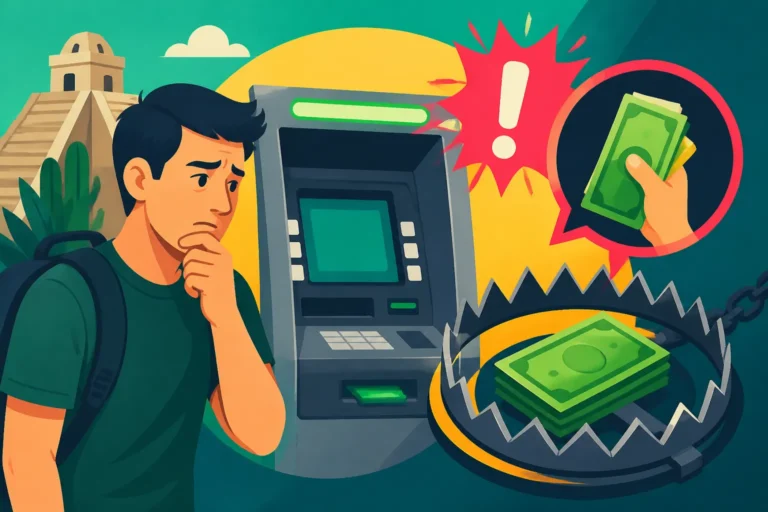
But convenience comes at a price, often several prices. You're usually hit with a foreign transaction fee from your home bank (often 1-3% of the withdrawal amount), plus an ATM usage fee from the Mexican bank that owns the machine (which can range from 30-100 MXN or more per transaction). Over time, these fees add up significantly, eroding your hard-earned dollars. Additionally, ATMs have daily withdrawal limits, meaning if you need a larger sum, you might have to make multiple withdrawals over several days, incurring multiple sets of fees.
And let's not forget security risks. ATM skimmers are a known issue globally, and Mexico is no exception. While banks are working to combat this, it's always a worry. Always use ATMs in well-lit, secure locations, preferably inside a bank branch or reputable store. For more on navigating banking here, you can check out our guide on Best Banks in Mexico for Expats: Comparing Fees and Services. Ultimately, while ATMs are a handy emergency option, they're not a cost-effective strategy for regular, substantial conversions.
Using International Wire Transfers for Large Sums
For moving significant amounts of money – perhaps your life savings, a down payment for a house, or a large investment – a traditional international wire transfer through your bank might seem like the most secure and logical choice. Banks are regulated, and the process feels official.
For genuinely large, infrequent transfers, it can be a viable option. It's generally considered secure, and you can transfer directly between bank accounts, which is essential for things like property purchases where paper trails are critical.
However, traditional wire transfers come with their own set of drawbacks. They are typically expensive, with flat fees that can range from $25 to $50 USD per transfer, regardless of the amount. This fee eats a larger percentage of smaller transfers. They can also be slower, often taking 2-5 business days for funds to arrive, which can be frustrating if you need quick access to pesos. The exchange rates offered by traditional banks for wire transfers are often less favorable than the mid-market rate, with an added "spread" built into the conversion. This means you get fewer pesos for your dollars than you otherwise could. While secure, they are cumbersome and not designed for the regular, flexible conversions that expat life in Mexico often demands. This is why many expats eventually look for alternatives for their day-to-day money management, seeking lower fees and better rates.
Smart Strategies for Converting Dollars to Pesos (Making Wise Your Hero)
After years of trial and error, dealing with bad exchange rates, hidden fees, and the stress of carrying too much cash, many of us expats have found that modern financial technology offers a far superior solution for converting dollars to pesos. This is where services like Wise truly shine, transforming a significant expat headache into a smooth, efficient process.
The Benefits of Using a Specialized Money Transfer Service Like Wise
Let me tell you, when Wise (formerly TransferWise) came onto the scene, it was a game-changer for so many of us living abroad. Before that, dealing with international money transfers felt like navigating a minefield of opaque fees and terrible exchange rates. Wise fundamentally changed that by offering a truly transparent and cost-effective way to move money across borders, making it the hero solution for expats managing dollars and pesos.
The biggest advantage is that Wise uses the real exchange rate, often called the mid-market rate. This is the rate you see on Google or Reuters, without the inflated spreads that banks and most casas de cambio sneak in. Instead of baking their profit into a worse exchange rate, Wise charges a small, upfront, and completely transparent fee. This means you know exactly how many pesos you'll receive before you hit "send," which is incredibly reassuring for budgeting your life here in Mexico.
Beyond the favorable rates, Wise offers incredible speed and ease of use. Transfers often arrive within minutes or a few hours, not days. This is a lifesaver when an unexpected bill pops up, or you realize you need more pesos for a market trip sooner than anticipated. The user-friendly app and website make initiating transfers a breeze, allowing you to manage your money from anywhere, whether you're relaxing on the beach in Tulum or waiting in line at the immigration office.
Another feature that makes Wise invaluable for expats is its multi-currency account and associated debit card. You can hold money in dozens of currencies, including USD and MXN, all in one account. This means you can keep your dollars in your Wise account, convert them to pesos when the rate looks good (or automatically, if you set up an alert), and then spend directly from your Wise debit card in pesos, avoiding separate foreign transaction fees from your home bank. It's seamless. For larger transfers, you can send pesos directly to your Mexican bank account, making it simple to fund your local expenses like rent or utilities. When you're constantly dealing with Cost of Living in Mexico: 2026 Comprehensive Guide, every peso saved on conversion fees adds up significantly. Wise truly empowers you to control your finances with greater transparency and efficiency than traditional methods ever could.
Timing Your Conversions for Optimal Exchange Rates
Alright, so you’re using Wise – excellent choice! Now, how do you make sure you’re converting at the best possible time? This is where a little strategic thinking comes into play. While no one has a crystal ball, there are ways to approach currency conversion that mitigate risk and help you get more pesos for your buck.
Firstly, don't try to time the market perfectly for every single small transaction. The peso fluctuates daily, sometimes hourly, and obsessing over every fraction of a cent can drive you mad. Instead, focus on getting a good average rate over time for your regular expenses. Wise offers a fantastic feature for this: rate alerts. You can set up notifications through their app or website to tell you when the exchange rate between USD and MXN hits a specific target you've chosen, or when it moves significantly. This way, you don't have to constantly check the market; Wise does the legwork for you, nudging you when an opportune moment arises.
Secondly, consider converting in smaller, regular chunks rather than one massive lump sum, especially for your routine living expenses. This strategy is called "dollar-cost averaging" in investment terms, and it works for currency exchange too. If you convert your entire month's budget at once, and the peso suddenly weakens a few days later, you might feel like you missed out. By converting smaller amounts periodically throughout the month, you average out the highs and lows, reducing your exposure to a single, potentially unfavorable exchange rate. This approach, facilitated by Wise's low fees and quick transfers, can make your budgeting much more predictable. For managing your overall savings and deciding Should Expats Keep Savings in Pesos or Dollars? Managing Currency Risk, a diversified approach with smart conversion through Wise is key.
Setting Up Automated or Scheduled Transfers
One of the beautiful things about modern money transfer services like Wise is their ability to automate processes that used to be manual and tedious. For expats, especially those with regular income in dollars and predictable monthly expenses in pesos, scheduled transfers can be a game-changer.
Imagine this: your rent is due on the first of the month, and your other major bills typically hit around the 15th. Instead of manually initiating transfers each time, you can set up recurring transfers with Wise. You simply specify the amount of dollars to convert, the date, and the recipient Mexican bank account (your own or a landlord's). Wise will then execute these transfers automatically, applying the current mid-market exchange rate at the time of conversion.
This takes a huge amount of mental load off your plate. You're no longer scrambling to convert funds, worry about bank holidays, or calculate how many dollars you need at the last minute. It’s particularly useful for funding your Mexican bank account (where you've likely set up automatic payments for utilities like CFE and internet from providers like Telmex or Totalplay) or directly sending money to a landlord or a service provider. This kind of automation, combined with Wise’s transparent fees, makes managing your finances in Mexico feel significantly smoother and more predictable. It helps you stick to your Monthly Budget in Mexico: Living Well on $1,500, $2,500, and $4,000 without constant manual intervention.
Practical Tips for Managing Your Dollar and Peso Holdings
Living in Mexico means adopting new financial habits. It's not just about how you convert money, but how you manage your funds across two currencies in your daily life. Think of it as a financial dance where both partners need attention.
Diversifying Your Savings Between Currencies
This is a crucial lesson many expats learn: don't put all your eggs in one currency basket. While you live and spend in pesos, there are good reasons to keep a portion of your savings in dollars (or your home currency).
Firstly, stability. The Mexican peso, while generally strong, can be susceptible to global economic shifts, political news, and commodity prices. Holding some funds in a more stable, internationally recognized currency like the USD provides a hedge against potential depreciation of the peso. If you have long-term goals like buying property, or if you're saving for future international travel or a move back to your home country, having those funds in their original currency protects their value against peso fluctuations.
Secondly, accessibility for international needs. If you travel frequently outside Mexico, or if you have financial obligations back home (like pension contributions, investments, or family support), having funds readily available in dollars makes those transactions smoother and often cheaper. Services like Wise's multi-currency account are perfect for this, allowing you to hold balances in both USD and MXN, and convert between them only when necessary. This strategic diversification isn't about being disloyal to your adopted country; it's about smart, resilient financial planning, ensuring you're prepared for whatever economic shifts may come. For retirees, this is especially important when planning How to Budget for a Comfortable Retirement in Mexico.
Budgeting in Pesos and Tracking Expenses
One of the biggest mistakes new expats make is continuing to think about their spending in terms of their home currency. "That coffee costs $2 USD" instead of "that coffee costs 35 pesos." This mindset makes it incredibly difficult to truly understand your local cost of living and can lead to financial surprises.
The key to financial harmony in Mexico is to start budgeting and thinking exclusively in pesos. All your daily expenses, from groceries to bus fares to entertainment, should be accounted for in MXN. This will give you a clear and realistic picture of your actual spending habits within the Mexican economy. It helps you recognize what's genuinely expensive here versus what feels like a bargain compared to back home.
There are many ways to track your expenses. Simple spreadsheets, budgeting apps like Mint or YNAB (though some might have limitations with Mexican banks), or even a good old-fashioned notebook can help. The goal is to categorize your spending and see where your pesos are going. Once you understand your average monthly peso expenditure, you can then plan your dollar-to-peso conversions more effectively. Instead of converting a random amount, you convert precisely what you need for the month, perhaps with a small buffer. This focused approach, combined with a service like Wise that gives you the best conversion rates, empowers you to stretch your dollars further and live more comfortably within your chosen budget. For more general advice on saving money, check out Money-Saving Tips: How Expats Can Cut Costs Living in Mexico.
The Role of a Mexican Bank Account
While services like Wise are fantastic for international transfers and daily spending with their multi-currency card, having a local Mexican bank account is almost non-negotiable for living long-term in Mexico. It simplifies countless aspects of daily life and integrates you into the local financial system.
You'll quickly find that many landlords prefer or even require rent payments via SPEI transfer (Mexico's interbank electronic payment system) to a local account. Utility providers like CFE for electricity, Telmex for internet, and local water companies often allow you to set up automatic deductions from a Mexican bank account, saving you trips to OXXO or paying online. These are things you just can't do easily with an international debit card or cash. For information on how to get started, our guide on How to Open a Bank Account in Mexico: Requirements and Tips is a must-read.
Beyond bills, having a Mexican bank account allows you to receive direct deposits if you find local employment, make online purchases from Mexican retailers, and send money to local friends or service providers instantly and without fees via SPEI. While you'll likely use Wise to convert your dollars to pesos and then send them to your Mexican bank account, the local account itself is the necessary final destination for most of your operational funds. Think of Wise as the efficient bridge that brings your dollars into the peso economy, and your Mexican bank account as your central hub for all local financial activity.
Future-Proofing Your Finances: Long-Term Considerations
As you settle into life in Mexico, your financial outlook will naturally shift from immediate needs to longer-term planning. This involves more than just daily conversions; it touches on tax obligations, major investments, and staying informed about the financial landscape.
Understanding Tax Implications of Currency Conversion
"Taxes" – a word that sends shivers down the spine of many expats, and for good reason. When you're dealing with currency conversions, especially if you're frequently moving significant amounts or if the exchange rate movements result in substantial gains, there can be tax implications you need to be aware of, particularly if you're a U.S. citizen.
For US expats, the IRS has rules regarding foreign earned income exclusion (FEIE) and reporting foreign bank accounts (FATCA and FBAR). While your routine dollar-to-peso conversions for living expenses are unlikely to trigger a major tax event, large capital gains resulting from highly favorable exchange rates on a significant sum could be considered taxable income. For instance, if you held a large amount of USD and the peso significantly weakened, allowing you to convert for much more pesos than anticipated when those dollars were originally acquired, there might be a "gain" in USD terms.
Navigating this can be complex, and the rules are always subject to change. It's not something you want to guess at. My strongest advice here is to consult with a qualified tax accountant (contador) who specializes in expat taxation in Mexico and, if applicable, your home country. They can help you understand your specific obligations and ensure you're compliant with both Mexican and international tax laws. Our guide on Do You Need an Accountant? Navigating Tax Filing as an Expat in Mexico offers more insights into finding the right professional to help you.
Strategic Planning for Major Purchases
When it comes to big-ticket items like buying a car, starting a business, or investing in real estate here, your dollar-to-peso conversion strategy needs a different level of planning and execution. These aren't your everyday grocery conversions; they involve substantial sums and often require a precise understanding of the market.
Let's consider buying property in Mexico. While some properties might be listed in USD, the actual transaction often involves pesos, and the funds will eventually need to be in a Mexican bank account to complete the purchase. Trying to convert a large down payment or the full purchase price through inefficient methods can literally cost you thousands of dollars in unfavorable exchange rates and fees. This is where the efficiency and transparency of a service like Wise become even more critical. You can monitor the rates, choose an opportune moment to convert a large sum, and send it directly to your Mexican bank account (or the closing agent's account, if appropriate, following legal advice). Given that property purchases can be complex and involve a fideicomiso (bank trust) for foreigners in restricted zones, every step needs to be well-considered. For a deep dive into this, you'll want to read our article on Buying Property in Mexico: Comprehensive Guide for Foreign Buyers.
Similarly, if you're looking to purchase a new or used car, or make a significant investment in a local venture, being able to convert a large sum of dollars into pesos efficiently means you retain more of your capital for the actual purchase. It's about maximizing the value of your dollar income when making these impactful financial moves, ensuring you're not losing money to unnecessary fees or poor exchange rates.
Keeping Up-to-Date with Financial Regulations
The financial landscape, both in Mexico and globally, is constantly evolving. Regulations around currency exchange, international money transfers, and taxation for expats can change. What was true five years ago might not be true today. Relying on outdated information or casual advice from other expats (while well-intentioned) can lead to financial pitfalls.
It’s imperative to stay informed from reliable sources. This means regularly checking official government websites (like Mexico's SAT for tax information or Banxico for economic data), consulting with financial professionals, and keeping an eye on reputable expat financial blogs and news outlets (like this one!). Subscribe to newsletters from services you use, like Wise, as they often provide updates on regulations affecting international transfers.
For instance, the financial requirements for residency visas, often tied to a calculation involving Mexico's UMA (Unidad de Medida y Actualización), can change annually, directly impacting how much income or savings you need to demonstrate. These sorts of changes can affect how you plan your long-term financial solvency in the country. A proactive approach to understanding and adapting to these changes will save you stress and money in the long run, ensuring your expat financial journey in Mexico remains smooth and secure.
Disclaimer
Please remember that this article provides general information and guidance for expats living in Mexico. While we strive to offer accurate and up-to-date content, I am a blogger, not a financial advisor or tax professional. Currency exchange rates, financial regulations, and tax laws can change frequently and vary based on individual circumstances and nationality. It is always recommended to consult with qualified financial advisors, tax specialists, and immigration lawyers for personalized advice tailored to your specific situation. Your financial decisions are your sole responsibility.