How to Get a Mortgage in Mexico as a Foreigner
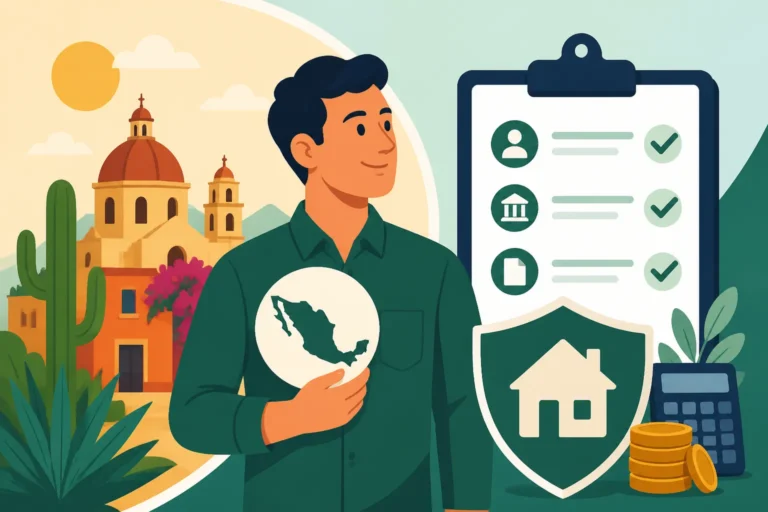
Finding the perfect home in a sun-drenched corner of Mexico is the easy part, but the moment you mention needing a mortgage, you’ll often be met with blank stares or a flat-out "no" from local bank tellers. I remember sitting in a tiled office in Mérida, clutching my residency card and a stack of bank statements, only to be told that as a foreigner, my financial history essentially didn't exist in the eyes of the Mexican credit bureau. This guide solves that frustration by breaking down the exact pathways, requirements, and realistic alternatives for securing a mortgage in Mexico as a foreigner.
Disclosure: This post may contain affiliate links. We may earn a commission at no extra cost to you if you make a purchase through these links. Read full disclosure.
The Reality of Mexican Mortgages for Foreigners
For many years, the conventional wisdom among the expat community was that you simply couldn't get a mortgage here. You either paid cash or you didn't buy. While the landscape has shifted significantly, it is still a path riddled with administrative hurdles that would make even the most patient person want to scream into a pillow. Mexican banks are notoriously conservative, and their primary concern is risk. If you don't have a deep, multi-year footprint in the Mexican financial system, they view you as a flight risk—someone who might leave the country and stop paying the bill.
However, global banks with a heavy presence in Mexico, such as BBVA, HSBC, and Santander, have developed specific programs for foreign residents. The catch? You generally need to be more than just a tourist. Most local lenders will require you to hold at least a Residente Temporal visa, and many prefer Residente Permanente status. If you are still on a tourist permit, your options for traditional Mexican bank financing are virtually zero. This is one of the many Temporary vs Permanent Residency in Mexico: Key Differences and Benefits that directly impacts your ability to build a life here.
Beyond residency, you have to understand the "Restricted Zone." If you are eyeing a beachfront condo in Playa del Carmen or a villa in Puerto Vallarta, you are within 50 kilometers of the coast or 100 kilometers of a border. In these areas, foreigners must use a bank trust known as a Fideicomiso. When you get a mortgage, the bank acts as the trustee, holding the title for you. This adds a layer of complexity to the loan process because the bank’s legal department must vet the trust and the property titles simultaneously with your credit application.
Eligibility Requirements and Financial Documentation
If you decide to brave the local banking route, prepare for a level of documentation that feels like you're applying for a top-secret security clearance. Mexican banks will want to see everything. They don't just want your last two pay stubs; they want a comprehensive history of your global financial health. This is where many expats stumble because they assume their high credit score in the US or Canada will automatically translate. It doesn't. You are starting from zero with the Circulo de Crédito (Mexico's credit bureau).
To bridge this gap, many banks now use international credit reporting services to pull your history from home. You will typically need to provide three to six months of bank statements, tax returns from your home country, and a valid RFC (Mexican tax ID). If you are working with an international firm, using a service like Taxes for Expats can be a lifesaver here, as they can help ensure your home-country tax filings are organized and ready for the scrutiny of a Mexican underwriter. The bank will also require a life insurance policy that names them as the beneficiary, covering the balance of the loan—a common requirement that catches many off guard.
Furthermore, the age of the borrower is a major factor in Mexico. Many banks have a strict "age plus term" limit. For example, if the limit is 75 and you are 60, you might only qualify for a 15-year mortgage. This makes the monthly payments significantly higher than the 30-year terms we are used to in North America. You will also need to prove a debt-to-income ratio that is often much stricter than what you’d find back home, frequently requiring that your total debt payments do not exceed 30% to 40% of your gross monthly income.
Common Documents Required for the Application
| Document Type | Requirement Detail | Why It Matters |
|---|---|---|
| Residency Card | Temporal or Permanente (Valid) | Proves legal right to reside and hold debt in Mexico. |
| Passport | Current and valid for at least 6 months | Basic identification for the Notario and bank. |
| RFC & CURP | Tax ID and Population Registry No. | Essential for registering the deed and paying taxes. |
| Bank Statements | 6 months of Mexican or Foreign accounts | Demonstrates liquidity and consistent income. |
| Tax Returns | 2 years of filings (IRS/CRA/SAT) | Confirms long-term financial stability. |
| Proof of Address | Recent CFE (Electricity) or Telmex bill | Verifies your current physical residence in Mexico. |
The Step-by-Step Application Process
Once you’ve gathered your mountain of paperwork, the process begins in earnest. It is rarely fast. In fact, if you’re used to the "closing in 30 days" pace of the US market, you need to recalibrate your expectations to three to six months. The first step is getting a pre-approval, which gives you a realistic idea of your budget. I always recommend doing this before you fall in love with a property, as Mexican interest rates are significantly higher than those in the US or Canada—often hovering between 10% and 13%.
After you find a property and have an accepted offer, the bank will order an avalúo (official appraisal). This isn't just for the bank's benefit; it’s a legal requirement. The appraiser must be certified by the bank and the local municipality. If the appraisal comes in lower than the purchase price, the bank will only lend based on the lower value, meaning you’ll need to bridge the gap with more cash. This is a common sticking point in hot markets like San Miguel de Allende or Tulum, where asking prices often outpace official valuations.
The final and most crucial player is the Notario Público. In Mexico, a Notario is not just a person with a stamp; they are a government-appointed lawyer with massive responsibility. They are the ones who will ultimately title the property, ensure all taxes are paid, and register the mortgage. You will likely find yourself paying a significant amount in closing costs—usually between 5% and 9% of the purchase price. These costs include the acquisition tax (ISAI), Notario fees, and trust setup fees. When you’re ready to move the large sums of money required for a down payment and closing costs, using a transparent service like Wise is often the most cost-effective way to handle the exchange from dollars to pesos without losing thousands in hidden bank spreads. For more on this, check out How to Send Money to Mexico With Low Fees.
Cross-Border Lenders and Alternative Financing
Because the local process is so cumbersome, many expats turn to cross-border lenders. These are companies, often based in the US, that specialize in lending to foreigners buying property in Mexico. The advantage is that they speak your language, understand your credit history implicitly, and their processes feel familiar. The disadvantage is that their interest rates can be even higher than Mexican banks, and they often require a larger down payment—typically 30% to 40%.
Another popular alternative is seller financing, often called "owner-will-carry." In these deals, you negotiate directly with the seller to pay a portion of the purchase price over a few years. This is common in expat-heavy areas where sellers understand the difficulty of getting a bank loan. However, you must be extremely careful. These contracts must be drafted by a competent lawyer and registered correctly to protect your interest in the property. Without a formal mortgage registered on the deed, you could be at risk if the seller has legal troubles or tries to sell the property to someone else.
If you choose a cross-border lender, you are still bound by Mexican property laws. You will still need a Fideicomiso: Bank Trusts for Foreign Property Buyers if you are in the Restricted Zone, and you will still need to pay all local taxes. Using an experienced accountant through a service like Taxes for Expats ensures that you are properly reporting the foreign asset back home, which is a requirement that many retirees overlook until it’s too late. Navigating Property and Capital Gains Tax in Mexico: A Guide for Foreigners is also vital, as your future tax liability when you sell will be affected by how your mortgage and purchase were structured.
Comparing Local vs. International Lending Options
Choosing the right financing path depends entirely on your residency status and your tolerance for bureaucracy. If you have permanent residency and a local income, a Mexican bank is almost always the cheapest route. If you are a retiree with a foreign pension, a cross-border lender might be the only bridge to your dream home.
- Local Mexican Banks (e.g., Banorte, Santander): Best for residents with Mexican income or long-term history. Lower fees but higher "paperwork friction."
- Cross-Border Lenders (e.g., MoXi, Global Mortgages): Best for non-residents or those with high US/Canadian income. Faster approval but higher interest rates and down payments.
- Developer Financing: Common in new condo builds in Cabo or Cancun. Often interest-free during the construction phase, but the balance is usually due in full upon delivery of the unit.
- Home Equity Line of Credit (HELOC): Many savvy buyers choose to take a HELOC on their primary residence back home. This allows them to pay "cash" in Mexico, which gives them massive negotiating power and avoids the Mexican mortgage mess entirely.
When moving these funds, remember that the exchange rate can fluctuate daily. A 1% swing on a $300,000 USD house is $3,000—enough to furnish a whole bedroom. Tools like Wise allow you to lock in rates or send money at the mid-market rate, which is why they are a staple for the modern expat. You should also be aware of Income Tax Basics for Expats: Understanding Mexico’s Tax System if you plan to rent out your property to help cover the mortgage payments, as this creates a tax obligation in Mexico.
Final Advice for the Aspiring Homeowner
Don't let the complexity of the mortgage market scare you away from Mexico, but do walk in with your eyes wide open. The "mañana" stereotype exists for a reason in the administrative world here; things take time, and then they take a little more time. Surround yourself with a team you trust: a reputable real estate agent who specializes in foreign buyers, a lawyer who isn't affiliated with the seller, and a reliable way to manage your international finances.
Validate every piece of information you receive from a bank. It is not uncommon for a branch manager in Mexico City to give you a completely different answer than a manager in Tulum. Always get your pre-approval in writing and ensure your Property and Capital Gains Tax in Mexico: A Guide for Foreigners strategy is settled before you sign the final deed at the Notario's office. Buying a home here is a marathon, not a sprint, but once you’re sitting on your terrace with a cold drink, watching the sunset over the Pacific, you’ll realize the paperwork was a small price to pay for a piece of paradise.
Important Disclaimer
The information provided in this article is for informational purposes only and does not constitute legal, financial, or tax advice. Mortgage laws, bank policies, and interest rates in Mexico are subject to frequent change. Always consult with a qualified Mexican attorney, a certified accountant, and a professional mortgage broker before entering into any financial agreements or property purchases in Mexico. External services mentioned are for contextual reference and should be vetted individually based on your specific needs.