Moving to Mexico from Spain: Atlantic Shipping and Customs Paperwork
Oh, moving from Spain to Mexico! What an adventure, but let’s be real, it’s also a mountain of logistics, especially when you’re talking about transatlantic shipping and mountains of paperwork. Trust me, I’ve been there, staring at customs forms in a language that suddenly seems entirely alien. This guide is here to untangle the complexities of relocating your life across the Atlantic, helping you understand the shipping process and conquer Mexican customs, all while highlighting how a service like Sirelo can be your indispensable co-pilot.
Disclosure: This post may contain affiliate links. We may earn a commission at no extra cost to you if you make a purchase through these links. Read full disclosure.
The Grand Adventure: Why Move from Spain to Mexico?
Many of us expats fall in love with Mexico, sometimes after a holiday, sometimes slowly, over years. But for those coming from Spain, there's often a unique draw, a blend of familiarity and exciting novelty that makes the leap feel a little less daunting, yet still full of its own specific challenges. It's not just a move; it's an embrace of a vibrant new chapter.
Bridging Two Worlds: Cultural Similarities and Differences
You might think that moving from Spain, a Spanish-speaking country with a rich European history, to Mexico, another Spanish-speaking country with its own deep indigenous and colonial past, would be a breeze. And in many ways, it is! The language is familiar, albeit with delightful variations in accent and vocabulary that will keep you on your toes (and occasionally giggling). The shared Catholic heritage means many holidays and traditions resonate, and the emphasis on family and community feels wonderfully comforting. You’ll find a warmth and open-heartedness in Mexico that often mirrors the best of Spanish hospitality.
However, don't be fooled into thinking it's just like Spain. The cultural nuances are profound. Mexican food, while sharing some distant roots, is a universe apart from Spanish cuisine, boasting an incredible array of flavors, ingredients, and preparation methods that will both delight and challenge your palate. The pace of life can be different too; while both cultures appreciate a good siesta, the energy and flow of daily life, particularly in big Mexican cities, has its own unique rhythm. Understanding these subtle differences is key to a smooth transition and truly embracing your new home. It’s a learning curve, for sure, but a delicious and rewarding one.
Lifestyle Shift: From the Med to Mesoamerica
Imagine trading the Mediterranean diet and European efficiency for vibrant markets, tropical fruits, and a sometimes more relaxed approach to time. That’s a common lifestyle shift for those coming from Spain. Depending on where you land in Mexico, you might find yourself by a turquoise Caribbean sea, high up in a bustling colonial city, or nestled in a tranquil mountain town. This diversity is one of Mexico's greatest strengths, but it also means your move is incredibly personal.
For instance, if you're leaving a fast-paced city like Madrid or Barcelona, Mexico City might offer a similar cosmopolitan buzz but with a distinct Latin American flavor. If you're coming from a quieter Spanish pueblo, a place like San Miguel de Allende or Mérida might offer that familiar sense of community but with a much lower cost of living and a different aesthetic. This change isn't just about geography; it's about embracing a new daily rhythm, new social customs, and often, a more adventurous spirit. The decision to bring certain possessions or embrace a minimalist life here is often dictated by this desired lifestyle shift, which is why a careful inventory is critical before you even think about packing that first box.
Navigating the Seas: Atlantic Shipping Options for Your Move
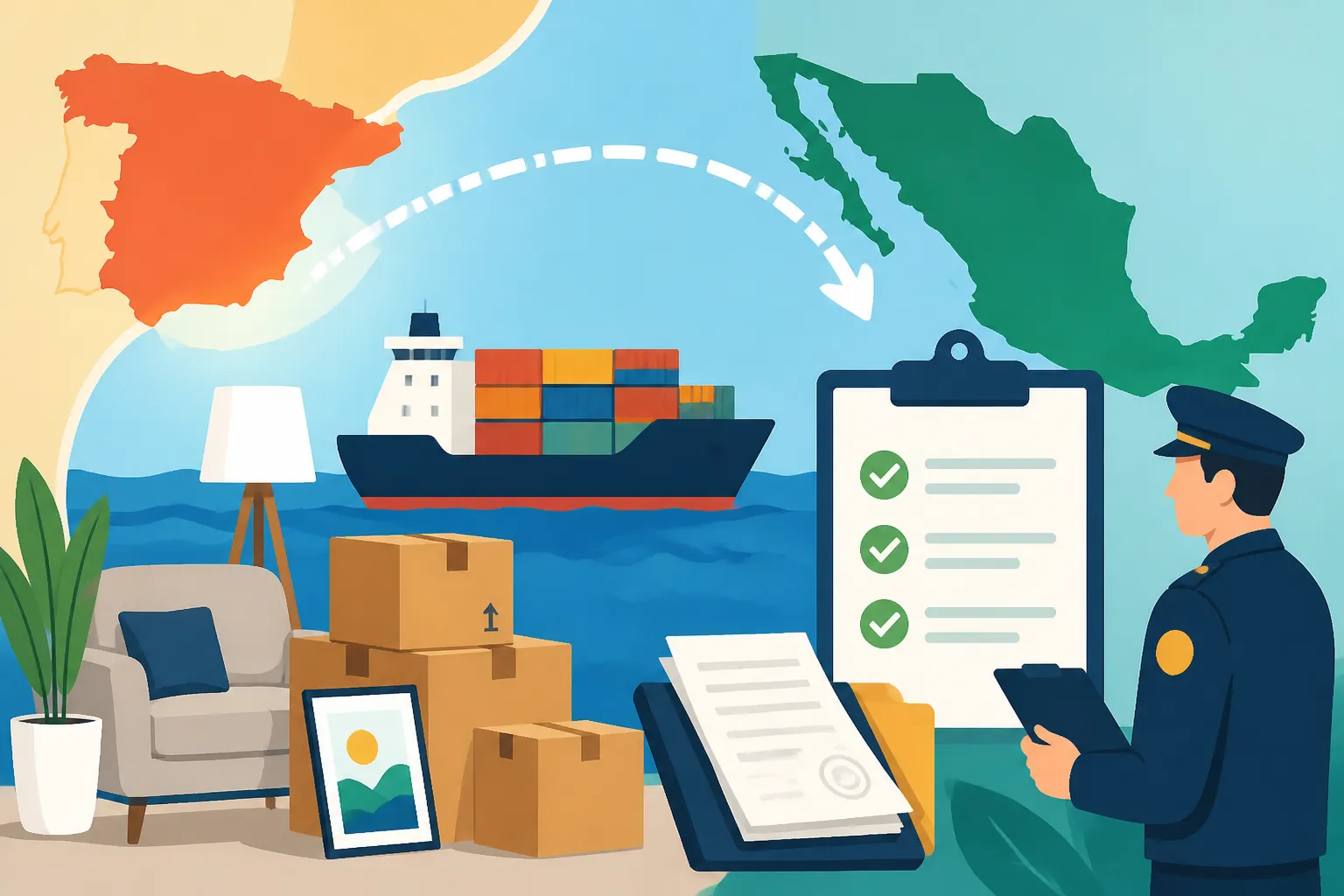
Once you've decided to make the leap, the daunting task of moving your belongings across the Atlantic Ocean begins. This isn't just throwing some bags in a plane; it's a careful logistical dance that requires precision and planning. Understanding your options for international shipping is the first, most crucial step to ensure your cherished possessions arrive safely and efficiently. This is where a good moving company, often found through platforms like Sirelo, truly shines.
FCL vs. LCL: Deciding on Your Container Size
When it comes to sea freight, your primary choices will boil down to Full Container Load (FCL) or Less than Container Load (LCL). Each has its own benefits and drawbacks, largely dependent on the volume of belongings you're moving and your budget.
Full Container Load (FCL) means you get an entire container to yourself – typically 20-foot or 40-foot. This is the ideal option if you're moving a substantial household, an entire family's worth of furniture, appliances, and personal items. The main advantage here is speed and security. Since your goods are the only ones in the container, it's sealed at your residence and only opened at its destination, minimizing handling and reducing the risk of damage or loss. The transit time is generally faster because the container doesn't need to be consolidated or deconsolidated at various points. While FCL is more expensive upfront, for larger moves, it often offers better value and peace of mind.
Less than Container Load (LCL), also known as groupage, is where your belongings share space within a container with other people's goods. This is a fantastic option for smaller moves, like if you're a single person, a couple, or simply don't have a whole house's worth of items. The cost is significantly lower as you only pay for the volume your goods occupy. However, there are trade-offs. LCL shipments usually take longer because they need to be consolidated at the origin port and then deconsolidated at the destination port, adding extra logistical steps. There's also slightly more handling involved, as your items are loaded and unloaded alongside others. When considering LCL, it’s important to work with a reputable moving company that clearly outlines their packing and handling procedures to ensure your items are well protected.
Here's a quick comparison:
| Feature | Full Container Load (FCL) | Less than Container Load (LCL) |
|---|---|---|
| Volume | Large household, 3+ rooms of furniture | Small household, 1-2 rooms, boxes only |
| Cost | Higher overall | Lower, based on cubic volume |
| Transit Time | Generally faster (direct shipment) | Slower (requires consolidation/deconsolidation) |
| Security | High (sealed at origin, opened at destination) | Moderate (more handling involved) |
| Flexibility | Less flexible for small volumes | Highly flexible for smaller shipments |
| Ideal For | Families, large expat moves, those prioritizing speed/security | Singles, couples, students, budget-conscious movers |
The Shipping Process: From Door-to-Port to Door-to-Door
The actual journey your belongings take from Spain to Mexico can be broken down into several stages, and the scope of service you choose with your moving company will dictate how hands-on you need to be. The most common options are "door-to-port" and "door-to-door."
Door-to-Port means your moving company will pick up your packed items from your residence in Spain, transport them to the port, handle the loading onto the vessel, and then ship them to a designated port in Mexico (likely Veracruz or Manzanillo). From that point on, it's your responsibility to clear customs, arrange for ground transportation, and have your items delivered to your new home. While this can be a cheaper option, it requires significant effort on your part upon arrival in Mexico, including navigating unfamiliar customs procedures and finding local movers, which can be incredibly stressful when you're just trying to settle in. This is where many expats discover the real challenges of moving internationally.
Door-to-Door is the gold standard for international moves, and it's what most people opt for, especially when crossing continents. With this service, the moving company handles everything from start to finish. They'll pack your items (if you opt for professional packing services), load them, ship them, clear them through Mexican customs, and finally deliver them right to your new address in Mexico, often even unpacking and setting up furniture. This comprehensive service removes a huge amount of logistical stress and is highly recommended for newcomers to Mexico. While it costs more, the peace of mind and convenience it offers are invaluable. When you use a platform like Sirelo, you can easily compare quotes from movers offering both door-to-port and door-to-door services, ensuring you find the right fit for your needs and budget.
What to Ship and What to Leave Behind
Before you even start packing, take a hard, honest look at your belongings. Moving across the Atlantic is expensive, and every cubic foot counts. This is a fantastic opportunity to declutter and decide what truly holds value or is irreplaceable. Consider the cost of shipping versus the cost of replacing items in Mexico. For example, large, heavy, or bulky furniture might not be worth shipping if you can buy similar items for less in Mexico, or if the style doesn't fit your new home. Keep in mind that many items, particularly clothing, electronics, and household goods, are readily available in Mexico, often at competitive prices.
However, certain items are almost always worth bringing: sentimental valuables, unique artworks, family heirlooms, specialized tools, and often, high-quality electronics (though check voltage compatibility). Books can be heavy and costly to ship, so consider donating or selling those you've already read. Also, think about the climate of your new Mexican home. That heavy winter coat from Spain might be utterly useless in Cancún! A platform like Sirelo can help you find movers who provide detailed inventory guides and even advice on what other expats typically choose to ship, streamlining this crucial decision-making process.
The Customs Gauntlet: Understanding Mexican Import Regulations
Ah, Mexican customs. This is where many expats feel their first real bureaucratic headache. The process can feel labyrinthine, and a single missed document or misunderstanding can lead to significant delays and unexpected costs. It's a rite of passage, almost, but with careful preparation and the right guidance, it doesn't have to be a nightmare.
Menaje de Casa: Your Essential Household Goods Permit
The Menaje de Casa (Household Goods Certificate) is your golden ticket for importing your personal belongings and household items into Mexico duty-free. This isn't just a suggestion; it's absolutely crucial if you want to avoid paying import taxes on everything you own. Without it, Mexican customs could consider your possessions as new imports subject to tariffs.
To obtain your Menaje de Casa, you typically need to apply at a Mexican consulate in Spain before you move. You will need:
- Proof of residency abroad: Documents showing you lived in Spain for at least one year, such as utility bills, bank statements, or rental agreements.
- Proof of Mexican residency: Your approved Temporary or Permanent Resident Visa (Residente Temporal/Permanente), which you would have obtained at the consulate. You cannot get a Menaje de Casa with just a tourist visa. This is why securing your residency first is paramount. You'll need to know your Mexico Temporary Resident Visa: Comprehensive Guide for Expats (2026 Update) and Mexico Permanent Residency Explained: A Complete Guide (2027) pathways.
- Detailed inventory list: A comprehensive list, in Spanish, of every single item you are shipping. This must be typed, categorized (e.g., furniture, kitchenware, books), and signed. Be as specific as possible. Don't just write "boxes" – list "10 boxes of books," "5 boxes of kitchenware," etc. The consulate will usually stamp and seal this list.
- Passport and copies: Valid passport and multiple copies of your passport and visa.
- Application form and fees: The specific application form provided by the consulate, along with the associated processing fees.
Once issued by the consulate, your Menaje de Casa is usually valid for six months to a year, giving you a window to import your belongings. It's a one-time use document, so ensure all your household goods are shipped together. The document will be required by your moving company and the customs broker in Mexico to clear your shipment. Missing this step or having an incomplete inventory can cause severe delays and hefty fines.
Prohibited and Restricted Items: Don't Get Caught Off Guard
Just like any country, Mexico has strict rules about what you can and cannot bring in. Ignorance is definitely not bliss when it comes to customs.
Prohibited Items are a definite no-go. These include illegal drugs, firearms, ammunition, explosive materials, certain types of hazardous waste, some agricultural products (e.g., specific plants, seeds, or fresh produce that could introduce pests), and materials that are considered pornographic or offensive. Seriously, don't even think about it. If found, these items will be confiscated, and you could face severe legal consequences.
Restricted Items require special permits or have quantity limitations. This category is where most expats run into issues. Common restricted items include:
- Alcohol and tobacco: You can bring in a limited amount for personal consumption, but anything beyond that will incur significant duties or require special permits.
- Medications: Prescription medications should be accompanied by a doctor's note (preferably translated into Spanish) and kept in their original packaging. Narcotics and psychotropic drugs are heavily regulated, so research thoroughly if you need to bring these. Check out our guide on Bringing Prescription Medications from Home: Rules and Tips for Expats.
- Electronics: While generally allowed, certain commercial quantities or specific types might be flagged. Make sure they are listed on your Menaje de Casa if they are personal effects.
- Vehicles: Importing a car into Mexico is a whole separate, complex process, usually requiring temporary import permits (TIP) for residents or nationalization for permanent residents. It's not part of the Menaje de Casa.
- Food items: Processed, commercially packaged foods are generally fine, but fresh meats, dairy, fruits, and vegetables are almost always prohibited without special agricultural permits.
Always, always consult the Mexican customs website (SAT) or a reliable customs broker well in advance for the most up-to-date list of prohibited and restricted items. Your chosen moving company, especially those found through Sirelo, will also provide comprehensive guidance on this to help you prepare. This critical information will save you a world of hurt.
Tariffs, Taxes, and Unexpected Fees
Even with a Menaje de Casa, there can be additional costs involved in customs clearance. Understanding these potential expenses is vital for budgeting your move.
- Customs Broker Fees: Unless you're a seasoned expert in Mexican customs law and fluent in bureaucratic Spanish, you will need a customs broker. They are the essential intermediaries who navigate the complex clearance process on your behalf, ensuring all documents are correctly filed and procedures followed. Their fees are a necessary part of the budget.
- Port Storage Fees: If your shipment arrives and isn't cleared quickly, port authorities will start charging daily storage fees. These can accumulate rapidly and become very expensive. This is one of the main reasons why having all your paperwork in order and working with an efficient moving company and customs broker is paramount.
- Inspection Fees: Your shipment might be subject to physical inspection, which can sometimes incur additional fees from port authorities or the customs broker for coordinating the inspection.
- Dutiable Items: If you accidentally (or intentionally) include items in your shipment that are not covered by your Menaje de Casa (e.g., new, commercially packaged goods, or items that clearly look like they're for resale), customs may assess duties and taxes on them. This could also delay your entire shipment.
- Handling and Local Delivery: Once cleared, your shipment needs to be offloaded, often from the port warehouse, and then transported to your new home. These are usually included in a "door-to-door" service but would be an additional cost for "door-to-port."
The best way to mitigate these costs is through meticulous planning and transparency with your moving company. A reputable company, like those on the Sirelo platform, will provide you with a detailed quote that includes an estimate of these potential fees, though some remain unpredictable.
The Paper Trail: Essential Documentation for Your Move
Moving internationally feels like drowning in paperwork, and from Spain to Mexico, it’s no different. Beyond the Menaje de Casa, you'll need an arsenal of documents to ensure your personal identity and the legality of your shipment are beyond question. Getting this right is absolutely critical.
Personal Identification and Residency Proof
First and foremost, you need to prove who you are and that you have the legal right to reside in Mexico. This means keeping all your personal identification documents meticulously organized and accessible.
- Passport: Your valid passport is your primary identification document. Ensure it has at least six months of validity beyond your intended entry date into Mexico. Make multiple photocopies, both in color and black and white. Keep some physical copies separate from your actual passport, and store digital copies in a secure cloud service.
- Mexican Residency Card/Visa: This is paramount. Whether it's your Mexico Temporary Resident Visa: Comprehensive Guide for Expats (2026 Update) or your Mexico Permanent Residency Explained: A Complete Guide (2027), this document proves your legal status in Mexico. You’ll have initially received a visa sticker in your passport from the Mexican consulate in Spain, which you then exchange for a physical residency card within 30 days of entering Mexico. Ensure you have the original visa, its stamped copies, and later, your physical card. Without a valid residency document, your Menaje de Casa is useless, and your household goods may not be allowed in duty-free.
- CURP (Clave Única de Registro de Población): This is Mexico's unique population registry code, similar to a national ID number. While you might not have it when you apply for your visa in Spain, you will definitely need it as a resident in Mexico for almost every administrative process, including customs clearance if you're handling parts of it yourself. Learn How to Get a CURP as a Foreigner: The Mexican ID Number Explained as soon as you settle.
- RFC (Registro Federal de Contribuyentes): Your Mexican tax ID. While not always strictly necessary for basic household goods import, having your RFC can streamline some processes and is essential for many other aspects of life as an expat, especially if you plan to work or earn income.
Inventory Lists and Valuations
The inventory list isn't just a formality; it's a legal document. As mentioned for the Menaje de Casa, this list needs to be incredibly detailed and accurate.
- Detailed, Translated Inventory: Your list should be in Spanish. It must specify the contents of each box or piece of furniture. Instead of "misc. items," write "kitchen utensils, pots, and pans." For furniture, list each piece: "dining table, 4 chairs, sofa." Number each box and correspond it to the inventory.
- Customs' Scrutiny: Mexican customs officials will compare your actual shipment to this list. Discrepancies can lead to delays, additional inspections, or even confiscation of unlisted items. If you have an LCL shipment, the consolidation warehouse will also use this list to ensure your goods are accounted for.
- Valuation for Insurance: While not for customs clearance, providing a realistic valuation of your goods is crucial for insurance purposes. You’ll want to ensure you have adequate transit insurance to cover potential damage or loss during the long journey across the Atlantic. Most reputable moving companies offer this as an add-on, and it's highly recommended.
Power of Attorney and Customs Brokers
Given the complexities, almost all expats moving to Mexico with significant household goods rely on a customs broker. This necessitates a Power of Attorney.
- Power of Attorney (Carta Poder): This legal document authorizes your customs broker to act on your behalf during the customs clearance process. It allows them to present your documents, pay fees, and manage any issues with Mexican customs. You will typically sign this before your shipment arrives. Your moving company or the customs broker they partner with will provide the specific form.
- The Broker's Role: A good customs broker is worth their weight in gold. They understand the intricacies of Mexican import laws, tariffs, and procedures, which can change without much notice. They are your liaison with the SAT (Servicio de Administración Tributaria – Mexico’s tax authority and customs agency) and port authorities. They will ensure your Apostilles and Translations for Mexican Immigration documents are correctly submitted and help troubleshoot any issues that arise. When you use a platform like Sirelo to find a mover, inquire about their customs brokerage services or their recommended partners. It's often best if the moving company handles this as part of their door-to-door service, as it creates a more seamless process.
Partnering with a Pro: How Sirelo Simplifies Your Move
Moving from one country to another is arguably one of the most stressful life events, and the Spain-to-Mexico route, with its transatlantic journey and intricate customs, is no exception. This is precisely why engaging with experienced professionals is not just a convenience, but a necessity. This is where Sirelo becomes an invaluable resource, acting as your trusted guide in finding the perfect moving partner.
Comparing Moving Companies with Sirelo
The first hurdle for many expats is simply finding a reputable, reliable international moving company. How do you know who to trust with your entire life's possessions? How do you compare quotes that might seem to vary wildly? This is where Sirelo steps in as a game-changer. Instead of scouring countless individual websites, making numerous phone calls, and trying to decipher disparate quotes, Sirelo brings the options to you.
Sirelo is an international moving platform that allows you to easily compare quotes from multiple pre-vetted moving companies specializing in international relocations. You simply input your move details (origin, destination, estimated volume), and Sirelo generates a list of suitable movers. This saves you an immense amount of time and effort in the initial research phase. Each company listed on Sirelo comes with user reviews and ratings, giving you invaluable insights from other expats who have already navigated similar moves. This transparency helps you make an informed decision, filtering out less reputable companies and focusing on those with a proven track record. You can see not just the price, but the services included, the company's experience, and what previous clients have to say about their efficiency and customer service. Choosing the right mover is the single most important decision for a smooth international relocation, and Sirelo makes that choice significantly easier.
The Sirelo Advantage: Stress-Free Logistics
Beyond just finding a company, Sirelo helps demystify the entire moving process, especially the complex logistics of an Atlantic crossing. Think of Sirelo as your central hub for moving information and execution.
One of the biggest advantages is the clarity it brings to pricing. International moving quotes can be incredibly complex, often with hidden fees or services not clearly itemized. Sirelo encourages movers to provide comprehensive, transparent quotes, allowing you to understand exactly what you're paying for – from packing materials and insurance to customs clearance assistance. This transparency helps avoid those dreaded "unexpected fees" that can derail your budget and add significant stress. Sirelo's platform often includes detailed information and checklists, helping you prepare for each stage, from pre-move decluttering to understanding your packing options. They act as a knowledge base, empowering you with the information you need to feel more in control. Whether you're looking for Moving to Mexico: What to Pack and What to Buy Locally or just need a general overview of the process, Sirelo can guide you to the right resources.
Beyond Shipping: Additional Services for Expats
A good international moving company, often found and compared through Sirelo, doesn't just put your boxes on a boat. They offer a suite of services designed to make your entire transition smoother.
Many movers offer professional packing and unpacking services. While you might be tempted to save money by packing yourself, professional packers are experts at securely wrapping and crating items for international transit, drastically reducing the risk of damage. They use specialized materials and techniques that protect delicate items and optimize container space. Furthermore, comprehensive transit insurance is often available, protecting your belongings against unforeseen circumstances during their journey. Sirelo can help you find companies that offer tailored insurance policies for international moves, providing essential peace of mind. Some movers even offer temporary storage solutions in both Spain and Mexico, which can be invaluable if your new home isn't ready immediately upon arrival. By using Sirelo to find a full-service moving partner, you can offload much of the logistical burden, allowing you to focus on the exciting aspects of starting your new life in Mexico. Your core solution, Sirelo, truly connects you with the professionals who will shoulder the heavy lifting (literally!) and ensure your move is as stress-free as possible.
Budgeting for Your Big Move: Costs Beyond the Ocean Freight
Moving to Mexico from Spain involves more than just the cost of shipping your belongings. It's a complex financial undertaking that demands careful budgeting. Many expats find themselves caught off guard by expenses they hadn't anticipated, so let's break down where your money will really go.
Unexpected Expenses and Hidden Fees
Even with the most meticulous planning, you should always build a buffer into your moving budget. International moves are notorious for hidden fees and unforeseen costs.
- Currency Exchange Fluctuations: Your quotes might be in Euros or USD, but you'll be paying for many services in Mexican Pesos. Exchange rates can fluctuate, meaning the cost in your home currency could change by the time you pay. Keep an eye on the exchange rate and consider locking in a rate if possible for large transfers.
- Customs Delays and Demurrage: As mentioned, if your shipment gets stuck in customs for longer than anticipated (due to missing paperwork, inspections, or bureaucratic holdups), you could incur daily demurrage fees for the container at the port. These add up quickly!
- Surcharges for Difficult Access: If your residence in Spain or Mexico is difficult to access for a large moving truck (narrow streets, no elevator for high-floor apartments), you might face additional charges for smaller shuttle vehicles or extra labor.
- Disposal Costs: If you end up having to discard items at the last minute or upon arrival that you couldn't ship, there might be waste disposal fees.
- Initial Living Costs: Don't forget the costs of setting up your new life immediately upon arrival: temporary accommodation, buying initial groceries, connecting utilities like electricity (CFE) and internet, and transportation. These can add up quickly before you even unpack a single box. Our guide on Cost of Living in Mexico: 2026 Comprehensive Guide can help you plan.
- Language Barrier Costs: Sometimes, you might need to hire a local facilitator or translator to help with administrative tasks, especially if your Spanish isn't yet fluent. While many people are kind, sometimes professional help is required.
Saving Money on Your International Relocation
While moving is expensive, there are definitely ways to cut costs without compromising on critical services or security.
- Declutter Ruthlessly: This is the number one money-saver. The less you ship, the less you pay. Go through every item and ask yourself: "Do I truly need this? Can I buy it cheaper in Mexico? Is it deeply sentimental or truly irreplaceable?" Selling or donating items in Spain not only reduces shipping costs but can also provide some extra funds for your move.
- Compare Multiple Quotes: This is where platforms like Sirelo truly shine. By getting and comparing detailed quotes from several moving companies, you can identify the most competitive prices and the best value for money. Don't just go with the cheapest; consider the reputation, included services, and insurance options.
- Pack Yourself (Selectively): While professional packing is recommended for fragile items and for insurance validity, you can pack non-fragile items like clothes, linens, and books yourself to save on labor costs. Ensure you use sturdy boxes and proper packing techniques to prevent damage.
- Consider LCL for Smaller Moves: If you don't have a huge household, opting for LCL (Less than Container Load) will significantly reduce your shipping expenses compared to an FCL.
- Be Flexible with Dates: If your schedule allows, being flexible with your shipping dates might give you access to better rates, as moving companies sometimes offer discounts during off-peak seasons or for consolidating shipments.
- DIY Customs Paperwork (with caution): While a customs broker is highly recommended, understanding the requirements yourself and having your Menaje de Casa and other documents perfectly prepared can prevent costly delays and expedite the process, potentially saving on port storage fees.
- Research Local Costs: Before deciding to ship everything, research the cost of common household items, furniture, and appliances in Mexico. You might find that buying new or second-hand locally is cheaper than shipping from Spain. This ties into our Money-Saving Tips: How Expats Can Cut Costs Living in Mexico article.
By being proactive, informed, and strategic with your choices, you can navigate the financial landscape of your move from Spain to Mexico with greater confidence, using resources like Sirelo to find cost-effective and reliable solutions.
Disclaimer
Please remember that immigration laws, customs regulations, and financial requirements in Mexico are subject to change. While every effort has been made to provide accurate and up-to-date information in this guide as of 2026, it is essential to verify all details with official sources, such as Mexican consulates, the National Migration Institute (INM), the Servicio de Administración Tributaria (SAT), or a qualified immigration lawyer or customs broker before making any decisions related to your move. This guide is for informational purposes only and does not constitute legal or financial advice.