Is Hurricane Season a Problem for Visiting Mexico?
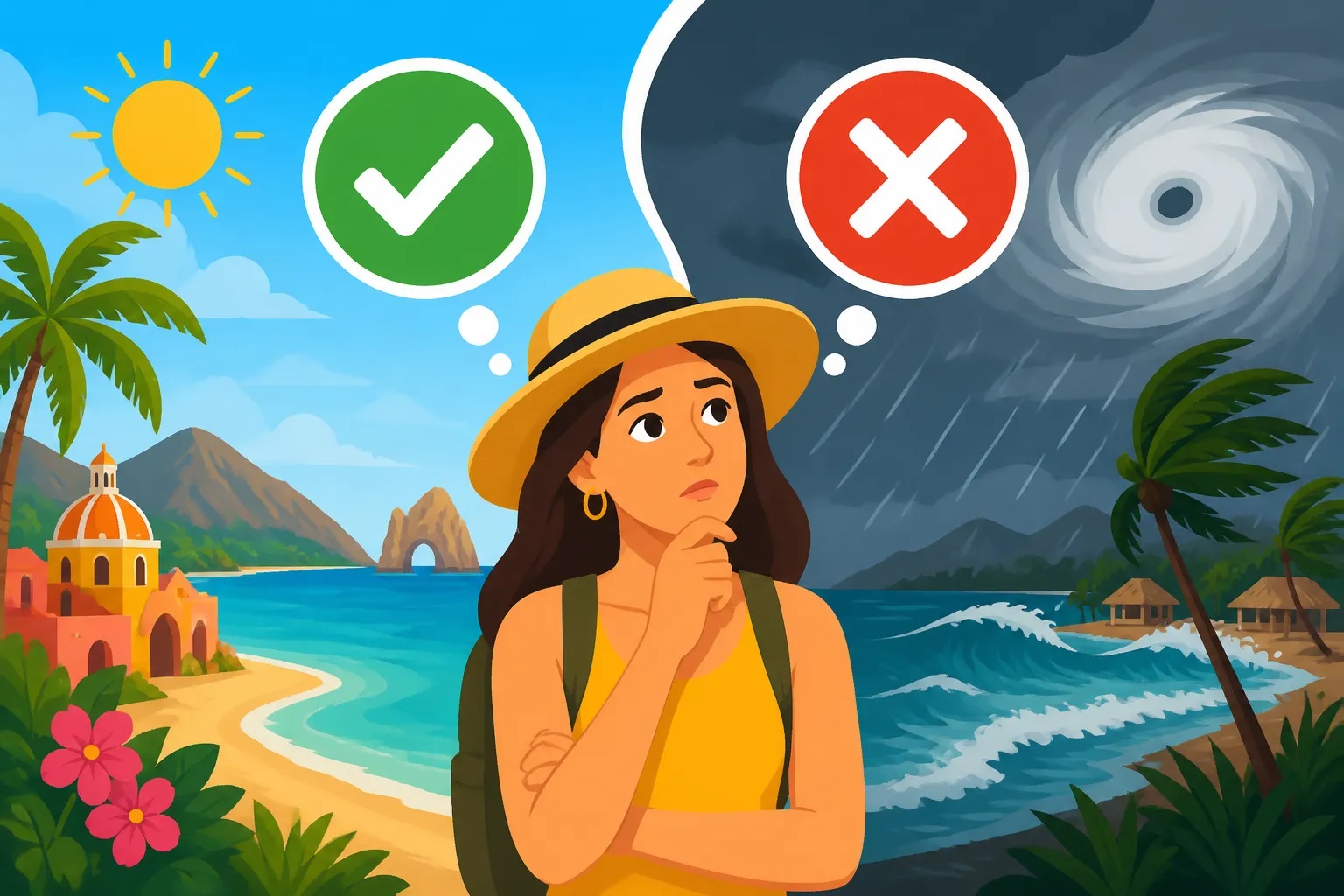
Traveling to Mexico, especially to its stunning coastal regions, is a dream for many, but a common worry often bubbles up for first-timers and seasoned visitors alike: what about hurricane season? It’s a completely valid concern, and trying to decipher the real risks from the internet chatter can be exhausting. This guide aims to clear up all those swirling questions, giving you a realistic picture of what hurricane season truly means for your trip to Mexico and how you can plan smart to minimize any potential headaches.
Disclosure: This post may contain affiliate links. We may earn a commission at no extra cost to you if you make a purchase through these links. Read full disclosure.
Understanding Mexico's Hurricane Season: When and Where
Alright, let's get down to the brass tacks: when exactly is hurricane season in Mexico, and which areas are most affected? It's not a one-size-fits-all answer because Mexico is a massive country with two major coastlines facing different storm patterns. Knowing the specifics can make a world of difference in your travel planning.
The Caribbean Coast and Gulf of Mexico: Peak Season and Risk Areas
If you're eyeing places like Cancún, Playa del Carmen, Tulum, or the capital of Yucatán, Mérida, you're looking at the Atlantic hurricane season. This officially runs from June 1st to November 30th each year. Now, that's a pretty long stretch, and it doesn't mean you'll be dodging a hurricane every other week. Far from it! Historically, the absolute peak months for hurricane activity in this region tend to be August, September, and October. This is when the ocean waters are warmest, creating the perfect conditions for tropical depressions to form and intensify.
During these months, you'll hear a lot more about "tropical waves" and potential storm formations from weather agencies. The states most directly impacted on the Caribbean side are Quintana Roo, Yucatán, and Campeche. Further north, the states bordering the Gulf of Mexico like Veracruz and Tabasco can also experience significant weather events, though typically it's the Caribbean side that sees the major tourist disruptions. I remember one year, a friend was planning a last-minute trip to Cancún in October, thinking she'd snagged a deal. She did get a great price, but then a tropical storm rolled in, turning her beach vacation into a week of indoor activities and puddle-jumping. It wasn't a full-blown hurricane, but it was enough to make her question her timing. The infrastructure in places like Cancún and Playa del Carmen is pretty robust, and the local authorities are incredibly efficient at preparedness and evacuation if a serious storm threatens. They've learned from past experiences, and safety is always paramount.
The Pacific Coast: A Different Set of Storms
Now, let's swing over to Mexico's other side: the Pacific coast. This includes popular destinations like Los Cabos in Baja California Sur, Puerto Vallarta in Jalisco, and the vibrant surf towns of Oaxaca like Puerto Escondido and Huatulco. The Pacific hurricane season actually starts a little earlier, running from May 15th to November 30th. Again, like the Caribbean, the peak activity typically falls in the later months, usually from July through October.
Pacific storms tend to be a bit different. While they can still be incredibly powerful and cause significant damage, they often move westwards out into the open ocean, away from the coastline. However, when they do make landfall or track very close to shore, they can be devastating. Think about places like Baja California Sur, which can experience direct hits from hurricanes coming up from the south. The mountain ranges along the mainland Pacific coast can sometimes help to break up or weaken storms as they approach, but heavy rainfall and flash flooding remain serious concerns, especially in hilly or mountainous areas close to the coast. I’ve seen firsthand how quickly a dry riverbed can turn into a raging torrent after a few hours of intense rain, even from a distant storm. So, while the immediate threat of a Category 4 hurricane might feel less frequent than on the Caribbean, the risk of significant rainfall and its consequences is very real. Always pay attention to local weather advisories, especially if you're exploring smaller, more remote coastal towns.
Assessing the Risks: What a Hurricane Could Mean for Your Trip
No one wants their dream vacation to turn into a nightmare, and the thought of a hurricane can definitely dampen spirits. But what are the actual risks you face, beyond just a bit of rain? It’s important to understand both the direct and indirect impacts to make an informed decision about traveling during these months.
Direct Impacts: Safety, Travel Disruptions, and Evacuations
The most obvious and concerning impacts of a direct hurricane hit are safety risks and widespread disruptions. We're talking about heavy rain, which can quickly lead to localized flooding, especially in low-lying areas or towns with less developed drainage systems. Strong winds can bring down trees, power lines, and even compromise structures. This means power outages, water supply issues, and disrupted internet and cell service are all real possibilities. Imagine trying to connect with loved ones or reschedule a flight when the internet is out and your phone battery is dying – it's a frustrating situation that many expats have experienced.
Travel gets complicated fast. Airports, especially those on the coast like Cancún (CUN) or San José del Cabo (SJD), will close if a hurricane is approaching, leading to flight cancellations and major delays. Ferries to islands like Isla Mujeres or Cozumel will be suspended. Roads can become impassable due to flooding, downed debris, or even mudslides, isolating communities. If you've planned a grand road trip through the Yucatán Peninsula or along the Pacific coast, these kinds of disruptions can throw a serious wrench into your plans.
And then there's the possibility of evacuation. Mexican civil protection authorities are very proactive. If a major hurricane is heading directly for a populated coastal area, they will issue evacuation orders. Hotels have protocols for moving guests to designated shelters or safely securing them within the building. While it's stressful, these measures are put in place for your safety. However, being evacuated from a hotel and bussed to a school gymnasium with hundreds of other people is certainly not the "relaxing getaway" you envisioned. This is where having your important documents easily accessible and a small emergency kit becomes invaluable.
Indirect Impacts: Weather, Crowds, and Price Changes
Even if a hurricane doesn't make a direct hit, or perhaps passes hundreds of miles offshore, its indirect effects can still impact your trip. The most common indirect impact is simply weather. You might experience several days of persistent heavy rain, strong winds, and cloudy skies. While not dangerous, this can certainly limit your ability to enjoy the beaches, archaeological sites, or outdoor activities you'd planned. You came for sunshine and turquoise waters, not a perpetual overcast sky and humid drizzle.
On the flip side, there are some "benefits" to traveling during hurricane season, particularly outside of the absolute peak. This period often sees fewer tourists compared to the high season (December to April). This means shorter lines at attractions, less crowded restaurants, and a more relaxed overall vibe. It can feel like you have the place to yourself sometimes. This reduction in demand also translates into lower prices for flights and accommodations. You can often snag fantastic deals on hotels or flights via sites like Booking.com, which can be very appealing if you're on a budget and willing to take a calculated risk. Just make sure those attractive prices come with flexible cancellation policies, which Booking.com often provides, so you're not out of pocket if a storm does force a change of plans.
However, the cost savings come with a caveat. If a storm does disrupt travel, you might end up spending more on unexpected accommodation extensions, last-minute flights out, or even medical needs if you're unlucky enough to get sick during a storm and need to access local care. This is why having robust Healthcare in Mexico: Complete Guide for Expats (Public vs Private) is crucial, especially during these potentially unpredictable months.
Smart Planning for Hurricane Season Travel: Mitigation and Preparation
So, you're still keen on visiting Mexico during hurricane season – maybe you found a great deal, or your travel dates are fixed. Excellent! But now it's about smart planning. You can absolutely enjoy a fantastic trip during these months, but a little preparation goes a long, long way.
Travel Insurance: Your Essential Lifeline
I cannot stress this enough: if you plan to travel to Mexico during hurricane season, get comprehensive travel insurance. And read the fine print! This isn't just about lost luggage; it's about trip interruption, cancellation, medical emergencies, and even medical evacuation. Many policies will cover costs if your trip is canceled or delayed due to a named hurricane, but there's a critical caveat: you generally need to purchase the insurance before a storm is named by the National Hurricane Center (NHC) or other official weather agencies. Once a storm has a name, it's considered a "foreseeable event," and most standard policies won't cover it.
Look for policies that specifically mention "Acts of God" or natural disasters. Consider "cancel for any reason" (CFAR) coverage if you're particularly worried, though these policies are usually more expensive and might only reimburse a percentage of your non-refundable costs. Your travel insurance should be one of the first things you secure. Think of it as your safety net against the unpredictable nature of tropical weather. It's the difference between losing thousands of dollars and having peace of mind, knowing you're covered if Mother Nature decides to throw a tantrum. If you're a long-term expat, you might also want to compare it with local options, as covered in Travel Insurance vs Local Insurance: Do Expats Need Both?.
Flexible Bookings and Staying Informed
Another key strategy is to prioritize flexible bookings. When searching for flights and accommodations, always check the cancellation and change policies. Many airlines and hotels offer more lenient terms for a slightly higher price, and that extra cost can be well worth it if you end up needing to shift your plans. Booking.com, for example, often highlights properties with free cancellation up until a certain date, which is ideal for hurricane season travel.
Staying informed is non-negotiable. Before and during your trip, keep a close eye on weather forecasts from reputable sources. The U.S. National Hurricane Center (NHC) provides excellent, up-to-date information on developing systems in the Atlantic and Pacific. Locally, Mexico's Civil Protection (Protección Civil) agency will issue alerts and guidance for residents and tourists. Follow local news outlets in English or Spanish, and if you're in a hotel, they will almost certainly keep you updated. Don't rely solely on social media rumors. Having a local SIM card (you can easily get one from providers like Telcel, AT&T, or Movistar upon arrival) will ensure you receive emergency alerts and can access online information even if Wi-Fi is spotty. Knowing about a storm even a day or two in advance can give you precious time to adjust your plans, whether that means heading inland, flying out early, or stocking up on supplies.
Packing Preparedness and Local Resources
While you're not packing for a survivalist expedition, a little preparedness in your luggage can save you a lot of grief. Pack a small, waterproof bag with essentials like a power bank for your phone, a flashlight or headlamp (power outages can happen), any critical medications (with extra doses), and copies of your passport, residency card, and insurance documents. A basic first-aid kit is also a good idea. Consider wearing quick-drying clothing and waterproof shoes.
Familiarize yourself with local emergency numbers (911 in Mexico) and the location of your nearest consulate or embassy. Your hotel will have evacuation plans and designated shelters, so make sure you understand them upon arrival. If you're staying in a rental, ask your host about their emergency procedures. In case of significant travel disruptions, remember that ground transportation options, like long-distance buses (think ADO for the Yucatán and ADO GL or Platino for more comfort), can sometimes still operate when flights are grounded, moving people to safer, inland cities. Busbud is a great platform for checking schedules and booking tickets in advance if you need to pivot your travel plans quickly. For those booking tours, platforms like Viator often have clear cancellation policies that will protect you if an excursion needs to be called off due to inclement weather. This kind of proactivity in booking and packing can truly make a difference in your overall experience and peace of mind. For more general safety tips, check out Staying Safe in Mexico: Practical Tips for Travelers.
Should You Still Visit Mexico During Hurricane Season? Balancing Risk and Reward
So, after weighing all the information, is it worth it? The answer isn't a simple yes or no; it depends entirely on your priorities, risk tolerance, and travel style. Many people visit Mexico during hurricane season without a hitch, while others find their trips significantly impacted.
Pros of Off-Season Travel
Let's start with the upsides, because there are genuine benefits to traveling during these months. As I mentioned, the biggest draw for many is the lower prices. Flights, hotels, and even some local excursions can be significantly cheaper than during the high season. This can make a dream trip to Mexico much more affordable. Fewer tourists also mean smaller crowds, which translates to a more authentic and relaxed experience. Imagine having ancient Mayan ruins like Chichén Itzá or Tulum almost to yourself, or finding a prime spot on a beach that would typically be packed.
The landscapes during hurricane season are often incredibly lush and green. The rains, even if heavy, contribute to vibrant vegetation, making jungle excursions or nature walks particularly beautiful. The seas can also be incredibly calm and clear between storm events, offering fantastic snorkeling and diving opportunities without the crowds that usually churn up the waters. For many, the trade-off of potentially temperamental weather for a more intimate, cost-effective experience is well worth the gamble.
Cons and Considerations
On the flip side, the inherent risk of disruptions cannot be ignored. A canceled flight, a flooded road, or a few days confined to your hotel room due to rain can be incredibly disappointing and costly, even with insurance. The weather, even without a named storm, can be hot, humid, and sticky, which isn't everyone's cup of tea. If you're prone to heat exhaustion or dislike constant humidity, the summer and early fall might not be the best time for you.
You might also find that some smaller, seasonal businesses in very tourist-dependent areas might close down or operate on reduced hours during the quieter parts of the hurricane season. This can mean fewer dining options or limited availability for certain activities. And, of course, there's the emotional toll of constantly checking weather forecasts and worrying if your plans will be derailed. For some, the anxiety simply isn't worth the potential savings.
Choosing Your Destination Wisely
If you decide to travel during hurricane season, one of the smartest things you can do is choose your destination wisely. For instance, if your primary goal is to avoid hurricanes altogether, consider inland cities like Mexico City, Guadalajara, or San Miguel de Allende. These destinations are completely unaffected by coastal hurricanes, though they do experience their own rainy seasons, which typically bring afternoon showers rather than prolonged storms. Mexico City, for example, is a vibrant metropolis with endless cultural attractions, and its weather during the coastal hurricane season is usually quite pleasant, with warm days and cool evenings. This could be a perfect alternative if you're worried about the coast. Check out Mexico City and Mexico's Great Cities: Explorer's Guide for more on what these cities offer.
Even on the coasts, some areas might have better infrastructure or natural protection than others. Research your specific location carefully. For example, while Cancún is well-equipped for storms, a very remote beach shack might be a different story. If you're exploring the Yucatán Peninsula, consider a mix of coastal and inland towns. And always, always have a contingency plan. Perhaps book your coastal segment for the earlier part of hurricane season (June/July) or later (November) when activity tends to be lower, and save the absolute peak months for an inland adventure. When booking your accommodation, platforms like Booking.com allow you to filter by location and easily compare options, giving you the flexibility to choose inland stays if desired.
Ultimately, hurricane season can be a problem for visiting Mexico, but with a bit of research, smart planning, and a flexible attitude, it doesn't have to ruin your trip. It’s all about being prepared for what might come and having the right tools to navigate it.
Disclaimer
Please remember that this guide provides general information based on typical weather patterns and advice for travelers. Weather events, especially hurricanes, are unpredictable, and conditions can change rapidly. Always consult official weather advisories, local government communications, and your travel insurance provider for the most current and specific guidance related to your travel plans. Your safety should always be your top priority.