How to Avoid Common Scams in Mexico
Moving to or traveling in Mexico is an incredible adventure, but let's be real: the fear of getting scammed can cast a shadow over the excitement. It’s a completely valid concern, and as someone who's navigated these streets for years, I can tell you that while Mexico is overwhelmingly welcoming and beautiful, a few bad apples do try to take advantage. This guide isn't here to scare you, but to arm you with the insider knowledge you need to identify, avoid, and handle common scams, ensuring your experience here remains as wonderful as it should be.
Disclosure: This post may contain affiliate links. We may earn a commission at no extra cost to you if you make a purchase through these links. Read full disclosure.
Understanding the Most Common Scams Targeting Visitors
Sadly, scammers are often quite creative, but many of their tricks follow a pattern. Knowing these patterns is your first line of defense. They thrive on confusion, language barriers, and the natural trust many of us bring from our home countries.
Tourist Traps and Overpricing Ploys
This is probably the most frequent type of "scam" you'll encounter, if we can even call it that. It's less about outright theft and more about significantly inflating prices for tourists.
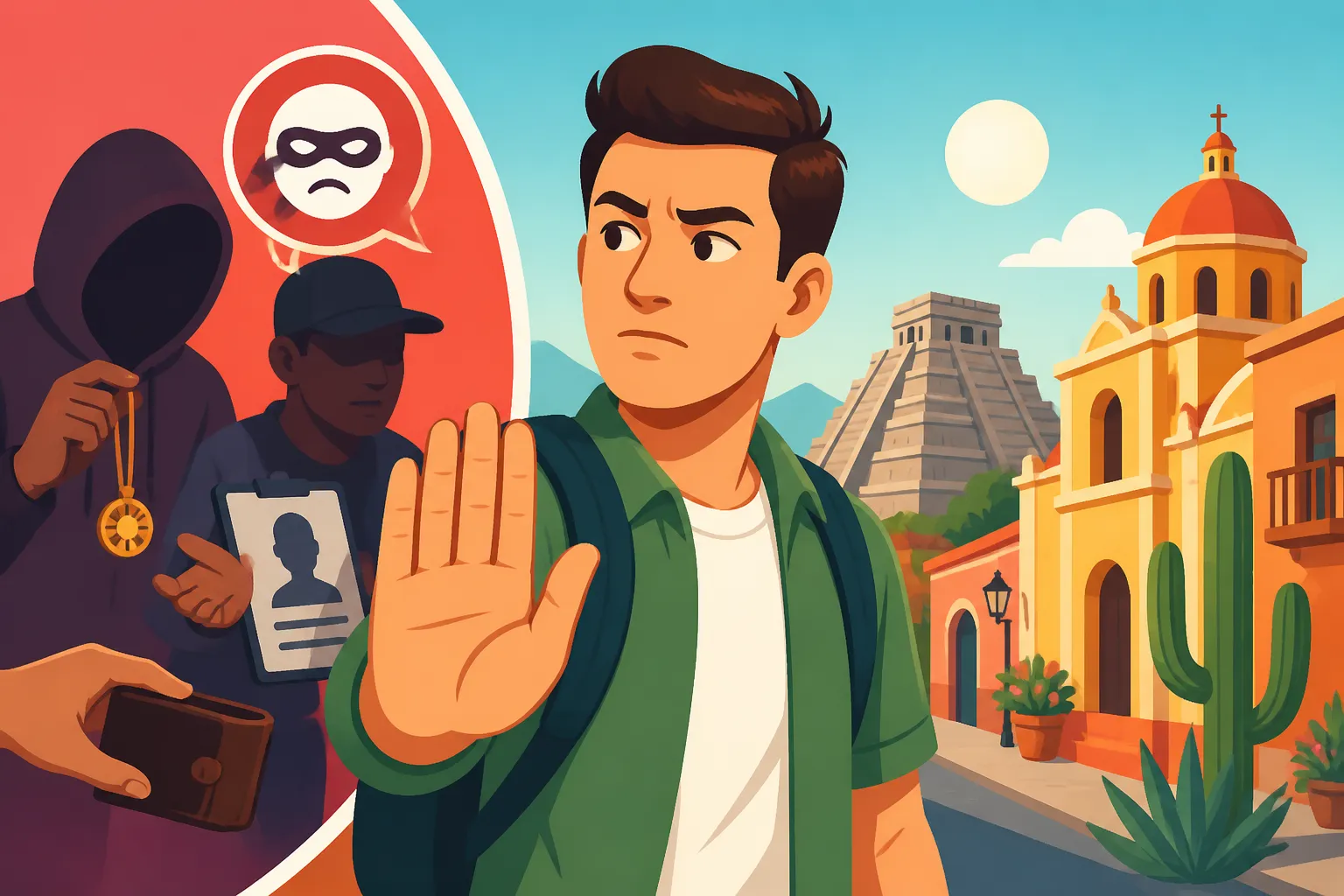
The "Official" Helper at Archaeological Sites: Picture this: you arrive at a stunning ancient ruin like Chichén Itzá or Teotihuacán, and before you even get near the ticket booth, someone approaches you, often speaking decent English, claiming to be an "official guide" or offering a special "express pass." They might even have a laminated ID that looks somewhat legitimate. They'll demand an exorbitant fee, sometimes three or four times the actual cost, and often don't even provide a real service or valid ticket. You end up paying for something you didn't need or could have gotten for far less at the actual entrance. Always look for official signage and clearly marked ticket windows.
Inflated Taxi Fares: This is a classic, especially in high-traffic tourist zones or late at night. A taxi driver might quote you a price that's double or triple what a local would pay, or claim their meter is "broken" – which is often a lie. They count on you not knowing the typical fares. This is particularly common when arriving at airports or bus terminals where drivers know you're new to the area.
Unsolicited "Help" with Baggage or Directions: You're lugging your bags out of the airport, looking a bit lost, and suddenly someone is grabbing your suitcase, offering to "help" you find a taxi or your hotel. They seem friendly, but once they've led you a short distance, they'll demand payment for their "service," and sometimes aggressively so. The same goes for someone offering directions you didn't ask for, only to demand a tip when you've reached your destination. It's a subtle form of coercion.
Restaurant Menu Swaps or Hidden Charges: This one is sneaky. You might be handed a "tourist menu" with higher prices than the local menu, or find unexpected "service charges" or extremely high conversion rates if you're paying in USD, that were not disclosed upfront. Always clarify the final price, especially if you're not paying in pesos. Sometimes, even the "free" chips and salsa will suddenly appear on your bill as a charge. Knowing Tipping in Mexico (Propina): When and How Much can also help you understand what's normal to pay.
Credit Card and ATM Skimming
This is a far more serious scam that can lead to significant financial loss. Mexico, like many countries, has issues with credit card fraud.
Compromised ATMs: Be extremely wary of using standalone ATMs, especially those in poorly lit areas, small convenience stores, or random street corners. Scammers install "skimmers" over the card slot to steal your card information, and tiny cameras to capture your PIN. I always recommend using ATMs that are inside a reputable bank (like BBVA, Banorte, or Santander) during business hours, or those located within a major grocery store or well-known shopping mall. These are generally more secure and regularly monitored. For more on safe money management, check out Money for Travel in Mexico: Cash, Cards, and ATMs.
Restaurant Payment Away from Your Table: In many parts of Mexico, it's customary for the waiter to take your card to a terminal to process the payment. While this is standard practice in many places and not inherently a scam, it opens the door for unscrupulous individuals to skim your card. If you're particularly concerned, ask if they have a portable terminal they can bring to your table, or consider paying with cash if the amount isn't too large.
Gas Station Pump Scams: This one is a classic. You pull up, ask for a certain amount of gas (say, 500 pesos), and watch the attendant carefully. They might distract you while resetting the pump, only for the meter to start at 0 but only give you a fraction of the gas you paid for. Or, they might charge your card for a much higher amount. Always get out of your car, watch the pump clearly, ensure it's reset to zero before they start pumping, and keep an eye on your card if paying with plastic.
Transportation Shenanigans
Getting around can be a pain point for many visitors, and scammers know it.
Illegal Taxis and Fake Ride-Share Drivers: In some cities, especially around busy areas, you might encounter "pirate" taxis (taxis piratas) that aren't officially licensed or insured. They often offer lower fares upfront but can be unsafe or lead to other issues. Similarly, if you've ordered an Uber or Didi, always confirm the driver's name, license plate, and car model before getting in. There have been cases where fake drivers pick up unsuspecting passengers. For a deeper dive into safe transportation, read Taxis, Uber, and Ride-Hailing in Mexico.
The "Broken Meter" and Long Routes: As mentioned before, the "broken meter" excuse is common. If a taxi driver insists on a fixed, high price or tells you their meter isn't working, simply find another taxi. Also, be aware of drivers taking unnecessarily long routes to inflate the fare. Having a general idea of your route on Google Maps can help you call them out.
Rental Car Insurance Pressure: When renting a car, you'll inevitably be pressured to buy additional, often expensive, insurance at the counter, even if your credit card or personal insurance already provides coverage. While some liability insurance is legally mandatory in Mexico, the rental companies often try to upsell you on layers of unnecessary policies. Do your research beforehand and know exactly what coverage you need and what you already have. This is covered in detail in Renting a Car in Mexico: Insurance and Driving Tips.
The Friendly Stranger and Distraction Scams
These rely on your helpful nature or simply distracting you long enough to commit a petty crime.
The "Spill" or "Bird Poop" Diversion: This is an old trick but still effective. Someone (or a pair of individuals) will "accidentally" spill something on you, or point out a "bird dropping" on your clothing. While one person is profusely apologizing and "helping" you clean up, their accomplice is picking your pockets or grabbing your bag.
"Free" Gifts That Aren't: You might be offered a "free" bracelet, flower, or small trinket in a busy square. Once you accept it, the person will then aggressively demand payment, sometimes shaming you into handing over money. A firm "No, gracias" and walking away is the best defense.
Fake Petitions or Charity Collectors: This often happens in popular tourist areas. Someone, sometimes dressed vaguely like a student or official, will approach you with a clipboard asking you to sign a petition or donate to a "charity" for deaf children or orphans. While some might be legitimate, many are not. They might use the distraction to pickpocket you or simply pocket the cash themselves. If you want to contribute, find official charities through reputable organizations.
Proactive Steps and Smart Habits for Prevention
The best defense is a good offense, as they say. By adopting a few smart habits, you can significantly reduce your risk of falling victim to scams in Mexico.
Researching and Booking Smart
Knowledge truly is power when it comes to avoiding scams.
Utilize Reputable Platforms and Read Reviews: When booking tours, accommodations, or transportation, stick to well-known, trusted platforms. For tours, consider using a service like Viator where reviews help vet operators. For bus travel, Busbud can be incredibly helpful for comparing routes and prices for major carriers like ADO, ensuring you get legitimate tickets at fair prices. And for lodging, Booking.com (or similar major sites) generally offers a secure booking experience with guest reviews that highlight potential issues. Always read recent reviews for any service or vendor you're considering. If a deal seems too good to be true, it probably is.
Know Typical Prices: Before you even leave your hotel, have a general idea of what things should cost. How much is a taxi to the main square? What's the average price for a meal in a mid-range restaurant? What are the standard entrance fees for major attractions? A quick search online or asking a trusted local (like your hotel concierge) can save you from being overcharged. This knowledge empowers you to confidently say no to inflated prices. For shopping, especially in local markets, understanding the etiquette for bargaining can also be useful, as discussed in Mexican Markets and Food Halls for Visitors.
Verify Information Independently: If someone approaches you offering a deal or service, take a moment to verify it. Does that tour company actually exist? Is that "official" guide recognized by the archaeological site? A quick phone call or search on your mobile can often expose a fraud.
Money Management and Payment Wisdom
Your money is a prime target, so handle it with care.
Use Secure ATMs: As I mentioned, always use ATMs located inside established banks during business hours, or inside major, well-lit supermarkets. Avoid freestanding ATMs or those in dark, isolated spots. Cover the keypad with your other hand when entering your PIN. After a transaction, give the card slot a quick tug to check for skimmers.
Carry Less Cash and Distribute It: Don't walk around with your entire day's budget in one wallet. Carry only what you think you'll need for a few hours, and keep it in a front pocket or a secure, cross-body bag. Stash larger amounts in a separate, less accessible place, like a money belt under your clothes or secured in your hotel safe. For a deep dive into how to manage your finances, check out Money for Travel in Mexico: Cash, Cards, and ATMs.
Be Vigilant with Credit Cards: When dining, if a portable terminal isn't brought to your table, keep your eyes on your card if the waiter takes it away. Better yet, use cash for smaller purchases. Also, activate transaction notifications from your bank so you're immediately alerted to any suspicious activity. Before traveling, inform your bank of your travel dates to avoid your card being flagged for fraud and blocked.
Understand Mexican Currency: Familiarize yourself with Mexican pesos. Know the denominations of bills and coins so you can quickly count your change and spot counterfeit money (though this is less common for tourists, it's good to be aware). Don't let someone rush you when making a transaction.
Transportation Safety Protocols
Getting from A to B shouldn't be a gamble.
Pre-Book Airport Transfers: Especially if you're arriving late or unfamiliar with an airport, pre-booking a shuttle or an official airport taxi (which you pay for at a designated counter inside the terminal) is highly recommended. This avoids the scrum of unofficial drivers vying for your business.
Stick to Official Taxis or Ride-Sharing Apps: In cities, use designated sitio (official taxi stand) taxis or reputable ride-sharing apps like Uber or Didi. Always confirm the details of your ride-share driver (name, license plate, car model) before entering the vehicle. If you're hailed by a street taxi, try to agree on a price before getting in, especially if they claim the meter is broken. Learning some Survival Spanish for Travelers in Mexico: Key Phrases can greatly help in these interactions.
Confirm Rental Car Insurance in Advance: Before you pick up your rental car, have a clear understanding of the insurance you need and have already purchased. Don't let them intimidate you into buying unnecessary extras. If you're planning on driving, review Renting a Car in Mexico: Insurance and Driving Tips thoroughly.
Situational Awareness and Trusting Your Gut
This is about developing an internal radar for potential trouble.
Avoid Unsolicited Help: If someone is offering help you didn't ask for, especially if they're overly friendly or pushy, be cautious. A polite but firm "No, gracias" and continuing on your way is usually sufficient. Remember, most genuine help comes when you ask for it.
Be Aware of Your Surroundings: Pay attention to who is around you, especially in crowded areas, markets, or tourist hotspots. Avoid looking too distracted by your phone or maps. Keep your valuables out of sight and secure. If you feel uneasy, trust your gut and leave the situation.
Don't Flash Valuables: Wearing expensive jewelry, carrying high-end cameras openly, or flaunting large wads of cash makes you a target. Try to blend in and keep a low profile.
TABLE: Common Scams & Quick Prevention Tips
| Scam Type | How It Works | Red Flags | Prevention Tip |
|---|---|---|---|
| Overpricing/Fake Guide | Inflated prices for tours, tickets, or "official" help. | Unsolicited approach; no official uniform/booth; vague info. | Buy tickets at official counters; research prices; use Viator. |
| ATM Skimming | Device steals card data; camera captures PIN. | Loose card slot; strange keypad; hidden camera. | Use bank ATMs during hours; cover PIN; inspect machine. |
| Taxi Overcharge | High fixed fare; "broken" meter; long route. | No meter; refusal to use meter; quoting high price upfront. | Agree on fare/ensure meter works; use ride-share apps or sitios; use Busbud for intercity. |
| Distraction Theft | Spill, "bird poop," or fake petition as a diversion. | Unsolicited "help" while you're distracted; touching clothes. | Be wary of physical contact; secure belongings; walk away. |
| "Free" Gift Ploys | Offer of "free" item (bracelet, flower) then demand payment. | Aggressive insistence to take a free item. | Firmly say "No, gracias" and walk away immediately. |
| Restaurant Overcharge | Menu swap; hidden fees; poor USD conversion. | Different menus; vague billing; high exchange rate. | Ask for local menu; check bill carefully; pay in pesos. |
What to Do If You Encounter a Scam or Problem
Even with the best precautions, things can happen. How you react can make a big difference.
Staying Calm and Assertive
The most important thing is to stay calm. Panic can make a situation worse.
Refuse Politely but Firmly: If you recognize a scam attempt, a polite but firm "No, gracias" or "No estoy interesado" (I'm not interested) while walking away is usually the best approach. Avoid getting into an argument or showing anger, as this can escalate the situation.
Ask for Official Identification: If someone claims to be an official (police, tour guide, vendor), you have every right to ask for their official identification (credencial). Legitimate officials will usually provide it without hassle. If they refuse or get defensive, it's a major red flag. This also applies to situations like getting pulled over by police, which is covered in What to Do If You’re Pulled Over by Police in Mexico.
Document Everything (If Safe): If you can safely do so, take a photo of the person, their vehicle, or any evidence related to the scam. Note down names, license plates, times, and locations. This information can be crucial if you decide to report it later.
Reporting and Seeking Assistance
Don't be afraid to seek help.
Contact Police or Tourist Police: For serious incidents like theft or assault, immediately contact the local police by dialing 911 (the national emergency number). In many tourist-heavy areas, there are dedicated "Policía Turística" (Tourist Police) who often speak English and are specifically trained to assist visitors. Your hotel concierge can often help you contact them. If it's a case of attempted mordida (bribe) by an official, which can be a tricky situation to navigate, you might want to consult Dealing with Corruption: Should Expats Pay “Mordida” (Bribes)?.
Notify Your Bank and Credit Card Company: If your credit card information has been compromised or your card stolen, contact your bank and credit card company immediately to report it and cancel the cards. The sooner you act, the better your chances of limiting financial damage.
Reach Out to Your Embassy or Consulate: For more serious issues, or if you lose your passport, your country's embassy or consulate in Mexico can provide assistance. They can help with emergency travel documents, provide a list of local attorneys, or offer general guidance.
Learning from the Experience
No one wants to be scammed, but if it happens, try to learn from it.
Share Information with Expat Communities: Online expat groups and forums are a great resource. Sharing your experience (without judgment or excessive negativity) can help warn others and gather collective wisdom.
Adjust Your Approach: Reflect on what happened and how you might adjust your behavior in the future. Perhaps you'll be more assertive, or more vigilant about where you use ATMs. Every experience, good or bad, adds to your "expat street smarts."
Mexico is a truly incredible country, rich in culture, beauty, and incredibly warm people. By being informed, staying vigilant, and trusting your instincts, you can navigate your time here with confidence and enjoy all the amazing experiences it has to offer without unnecessary worry about scams.
Disclaimer
The information provided in this article is for general guidance only and does not constitute legal, financial, or medical advice. While every effort has been made to ensure accuracy and relevance, circumstances in Mexico can change rapidly. Readers are advised to conduct their own research and consult with appropriate local professionals for specific advice tailored to their individual situation. The author and publisher are not responsible for any actions taken based on the information presented herein.