How to Spend a Weekend in Oaxaca City
Ah, Oaxaca City. You’ve probably heard the whispers, seen the gorgeous photos, and now you’re planning your own whirlwind visit. But let’s be real, trying to squeeze the vibrant soul of this incredible place into just a weekend can feel overwhelming. There’s so much to see, taste, and experience that it’s easy to get lost in planning paralysis. Don't worry, my friend. This guide is here to cut through the noise and give you a realistic, deeply immersive itinerary that ensures you experience the very best of Oaxaca City, even if you only have a couple of precious days.
Disclosure: This post may contain affiliate links. We may earn a commission at no extra cost to you if you make a purchase through these links. Read full disclosure.
Arrival and First Impressions: Getting Your Bearings in Oaxaca City
Stepping off the plane or bus into Oaxaca is an experience in itself. The air feels different, the colors are more vivid, and the energy immediately starts to pull you in. Getting from your arrival point to your cozy accommodation efficiently is key to maximizing your precious weekend hours.
Navigating from the Airport to the City Center
Oaxaca’s international airport (Xoxocotlán International Airport, OAX) is conveniently located just a short drive from the city center, typically about 20-30 minutes. The moment you step out of arrivals, you’ll encounter a few transport options, and knowing which one to pick can save you a little initial stress.
The most straightforward, albeit slightly more expensive, option is a taxi autorizado (authorized airport taxi). You'll find a counter inside the airport where you can purchase a ticket for a private taxi or a colectivo (shared shuttle). I always recommend opting for these over trying to hail an unregistered taxi outside, especially when you're just arriving and still a bit disoriented. The fixed rates prevent any haggling, and the drivers are vetted. A private taxi might run you around $300-$400 MXN, while a colectivo, which waits until it fills up with other passengers heading in a similar direction, is typically about $100-$150 MXN per person. If you're traveling solo or on a tighter budget and don't mind a short wait, the colectivo is a perfectly fine choice.
Ride-sharing apps like Uber or Didi are technically available in Oaxaca, but their reliability for airport pick-ups can be spotty due to local regulations and union control over airport routes. Sometimes they work, sometimes they don't, and sometimes you have to walk a bit off airport property to meet your driver. For a seamless start to your weekend, I’d suggest sticking with the authorized taxis or colectivos from the airport. If you're looking for more general advice on getting around once you're settled, you can check out our guide on Taxis, Uber, and Ride-Hailing in Mexico.
Checking In and Settling into Your Accommodations
Once you’ve made it to the city, the next step is to drop your bags and get ready to explore. Oaxaca offers a fantastic range of accommodations, from charming boutique hotels housed in colonial buildings to vibrant hostels and cozy Airbnbs. Choosing the right neighborhood can significantly enhance your experience.
Many first-time visitors prefer staying in the Centro Histórico (Historic Center), right in the thick of the action. You'll be within easy walking distance of the Zócalo, the Santo Domingo church, and countless restaurants and shops. Another popular area, especially if you appreciate a slightly quieter vibe but still want accessibility, is Jalatlaco. This colorful, cobblestoned neighborhood is just a short walk from the center and has a wonderful, artistic atmosphere with street art and independent cafes. Reforma is also a good option if you’re looking for more modern amenities and perhaps a bit more space, though it’s a bit further out.
When you arrive at your chosen spot, whether it's a grand hotel or a humble guesthouse, a friendly "Hola, tengo una reservación" (Hello, I have a reservation) is usually all you need. Most hotel staff in the main tourist areas will have some level of English, but knowing a few basic Spanish phrases always earns you brownie points. If you're a planner and like to have things booked in advance, platforms like Booking.com are widely used and offer a great selection of Oaxaca’s hotels and guesthouses. For a deeper dive into finding your perfect home away from home, take a look at our guide on Accommodation in Mexico: Hotels, Hostels, and Rentals. Unpack, freshen up, and get ready – your Oaxacan adventure is just beginning!
Day 1: A Deep Dive into Oaxaca's Historic Heart and Culinary Soul
Your first full day in Oaxaca should be a feast for the senses, immersing you in the city's rich history, stunning architecture, and legendary culinary scene. Wear comfortable shoes – you're going to be doing a lot of walking and a lot of tasting!
Morning: Zócalo, Cathedral, and Andador Turístico Exploration
Start your day right in the vibrant heart of the city: the Zócalo. This main square is the undisputed pulse of Oaxaca. In the morning, it slowly awakens with vendors setting up, shoeshine boys polishing their kits, and locals grabbing coffee. Grab a seat at one of the outdoor cafes lining the square, order a coffee or a fresh orange juice, and just soak it all in. You'll see families, street performers, and often marimba bands playing lively tunes. It's the perfect place to people-watch and get a feel for the city's rhythm.
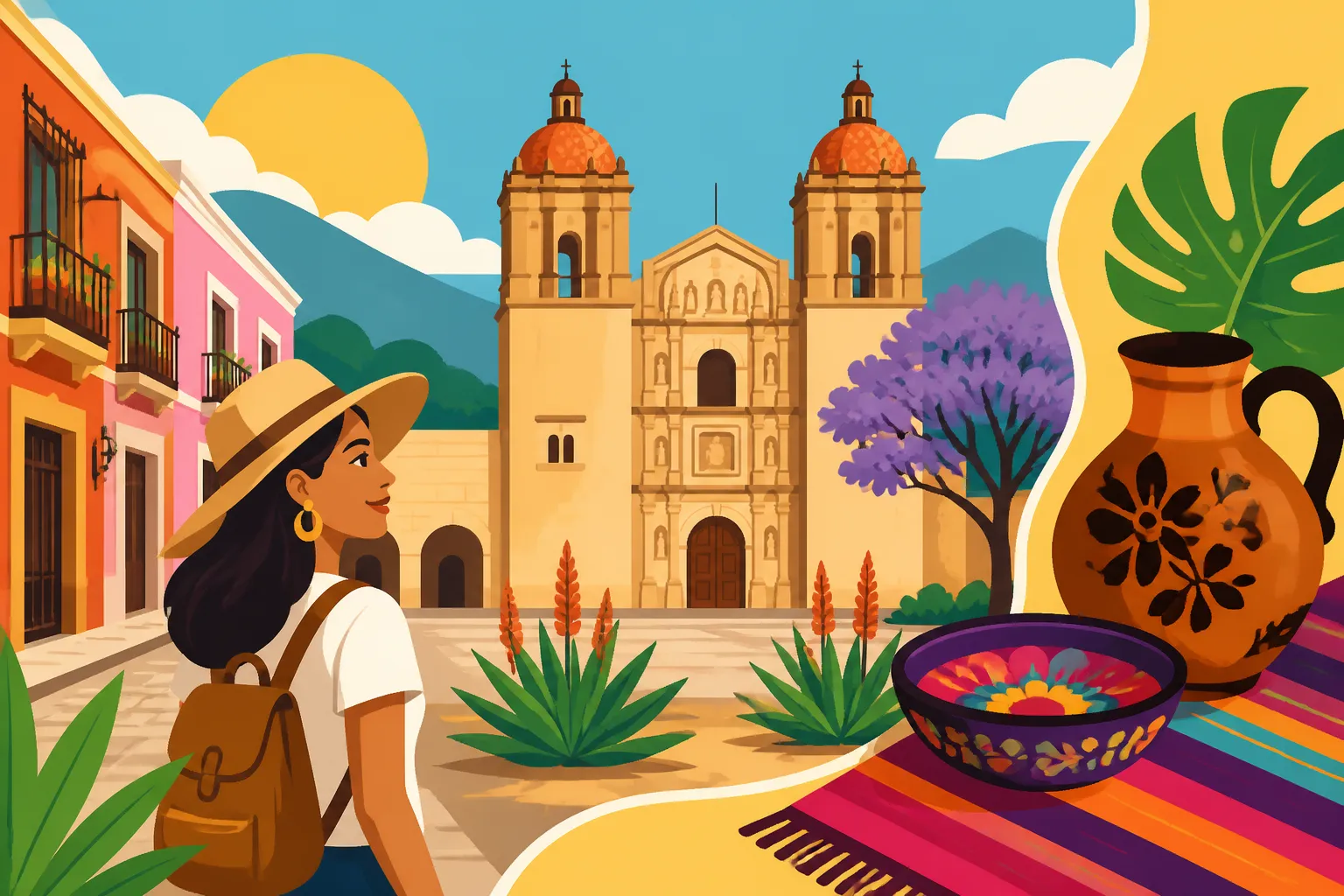
Adjacent to the Zócalo, you can't miss the imposing Oaxaca Cathedral. Step inside to appreciate its beautiful colonial architecture and serene atmosphere. Then, make your way to the Andador Turístico, the pedestrian walkway that stretches from the Zócalo up to the majestic Templo de Santo Domingo de Guzmán. This is where Oaxaca truly sparkles. The Andador is lined with colorful colonial buildings housing art galleries, artisan shops selling intricate textiles, ceramics, andalebrijes, and cozy cafes. Take your time, wander into shops, admire the street art, and let the beauty of the city unfold. The Santo Domingo Cultural Center, which includes the breathtaking church and a former monastery that now houses a museum showcasing Oaxaca's history and indigenous cultures, is an absolute must-see. The church's gilded interior is awe-inspiring, and the botanical garden in the museum complex offers a tranquil escape and stunning views.
Afternoon: Culinary Delights at Mercado 20 de Noviembre and Mercado Benito Juárez
By midday, your stomach will undoubtedly be rumbling, and Oaxaca is ready to deliver. No visit is complete without diving headfirst into its bustling markets, which are not just places to shop but incredible cultural and culinary experiences. Head to Mercado 20 de Noviembre and Mercado Benito Juárez, which are right next to each other.
Mercado 20 de Noviembre is famous for its "Pasillo de Humo," or the Smoky Aisle. As you walk through, you'll be enveloped by the delicious aroma of grilled meats. Choose your cuts – tasajo (thinly sliced beef), cecina (pork), or chorizo – and watch as it's grilled right in front of you. They'll serve it with fresh tortillas, onions, chilies, and sometimes nopal cactus. It’s a wonderfully authentic, slightly chaotic, and utterly delicious experience. Just point to what you want, pull up a plastic stool at one of the long tables, and enjoy.
Next door, Mercado Benito Juárez is a treasure trove of Oaxacan specialties. Here you can find chapulines (grasshoppers, a surprisingly tasty and crunchy snack), a huge variety of quesillo (Oaxaca string cheese), exotic fruits, artisanal chocolate, and countless spices. Don't be shy – ask for samples! This is also a great place to find tlayudas, sometimes called "Oaxacan pizzas," which are large, crispy tortillas topped with asiento (pork lard), beans, cheese, and various meats or vegetables. And definitely try a refreshing agua fresca made from seasonal fruits. These markets are truly a sensory overload in the best possible way. You can learn more about immersing yourself in local flavors by checking out Mexican Markets and Food Halls for Visitors.
Evening: Mezcal Tasting and Traditional Oaxacan Dinner
As evening falls, it's time to explore another cornerstone of Oaxacan culture: mezcal. This agave spirit, often overshadowed by tequila, is experiencing a well-deserved renaissance, and Oaxaca is its spiritual home. Many distilleries (called palenques) are located just outside the city, but you can have an excellent tasting experience right within Oaxaca City.
Seek out a reputable mezcalería – a bar specializing in mezcal – for a guided tasting. Knowledgeable bartenders will introduce you to different varieties of agave (Espadín, Tobalá, Arroqueño, etc.) and explain the nuances of mezcal joven (unaged), reposado (rested), and añejo (aged). Mezcal is meant to be sipped slowly, savored, and respected. It’s not just a drink; it's a social ritual, often accompanied by orange slices sprinkled with sal de gusano (worm salt). Places like Mezcalería In Situ or Los Amantes Mezcalería offer fantastic selections and educational experiences. If you prefer a more structured experience, Viator offers several guided mezcal tours that will pick you up, take you to a palenque outside the city, and bring you back. This is a great way to learn about the entire production process from agave to bottle. For more details on this iconic drink, our guide to Mezcal in Oaxaca: Tours and Tastings is a must-read.
After your mezcal adventure, settle in for a traditional Oaxacan dinner. Oaxaca is often called the "Land of Seven Moles," and trying at least one is essential. Mole negro (black mole), mole coloradito (reddish mole), and mole amarillo (yellow mole) are just a few of the complex, rich sauces you'll encounter. Restaurants like Origen, Criollo, or the more casual but equally delicious La Olla are fantastic choices for experiencing Oaxacan haute cuisine or authentic home-style cooking. Finish your meal with a traditional Oaxacan chocolate, either hot or cold, for a sweet end to a truly immersive day.
Day 2: Art, Archaeology, and Panoramic Views
Your second day balances ancient history with contemporary charm, offering breathtaking views and a chance to explore a different side of Oaxaca.
Morning: Monte Albán Archaeological Site
Rise early to beat the heat and the crowds, and head to Monte Albán. This UNESCO World Heritage site is a magnificent pre-Columbian archaeological site, once the ancient capital of the Zapotec people, perched atop a flattened mountain about 20 minutes outside Oaxaca City. It offers incredible panoramic views of the Oaxaca Valley.
You have a few options to get there. The easiest is to take a shuttle or colectivo from a designated spot near the Zócalo (often near the Hotel Rivera del Ángel). Taxis are also readily available, or you could book a guided tour. I highly recommend spending at least 3-4 hours exploring the site. The sheer scale and history are astounding.
Walk the sprawling Gran Plaza, flanked by impressive pyramids, temples, and residential structures. Don't miss the Ball Court, the Observatory, and the intricate carvings of the Danzantes (dancers), which are believed to depict sacrificed captives. The small on-site museum provides context and houses artifacts found at Monte Albán. Remember to bring plenty of water, wear a hat, and slather on sunscreen, as there’s not much shade. The climb to the various viewpoints is well worth the effort for the truly unforgettable vistas. Monte Albán offers a profound connection to Mexico's ancient past, and you can learn more about these incredible sites in our guide to Ancient Ruins, History, and Archaeology in Mexico.
Afternoon: Art Galleries and Neighborhood Charms
After the grandeur of Monte Albán, return to the city for a more relaxed afternoon exploring some of Oaxaca’s charming neighborhoods beyond the immediate Zócalo area. One of my personal favorites is Jalatlaco, which you might have glimpsed on your way to accommodation. With its pastel-colored buildings, cobblestone streets, and vibrant murals, it feels like a village within the city. It’s incredibly photogenic and home to many independent cafes, small art studios, and unique boutiques.
Another fantastic option is Xochimilco, one of Oaxaca’s oldest neighborhoods, known for its aqueduct and artisan workshops. Here you can often find artisans working on textiles or ceramics, and it’s a wonderful place to pick up authentic, handmade souvenirs directly from the creators. Spend your afternoon wandering these areas, popping into galleries that catch your eye, and enjoying a leisurely coffee or snack. Many local artists have studios and small shops in these areas, offering a chance to see contemporary Oaxacan art. This deep dive into local culture is what makes Oaxaca so special, and our Oaxaca City Guide: Markets, Mezcal, and Art offers even more insights into these cultural gems.
Evening: Sunset Views and Farewell Dinner
As your weekend in Oaxaca draws to a close, treat yourself to a memorable evening. Finding a rooftop bar for sunset views is a quintessential Oaxaca experience. Many hotels, especially those in the Centro Histórico, boast stunning rooftop terraces where you can enjoy a cocktail as the sun dips below the horizon, painting the sky in fiery hues over the city’s colonial architecture and surrounding mountains. Hotel Escondido Oaxaca and Casa Oaxaca are known for their beautiful settings, but many smaller establishments also offer great views. Another option, if you're up for a short climb, is the Cerro del Fortín viewpoint, which provides a sweeping panorama of the city, especially magical at dusk.
For your farewell dinner, you might revisit a favorite spot or try one of the many other exceptional restaurants Oaxaca has to offer. Perhaps you’re craving another mole, or maybe you want to explore other Oaxacan specialties like sopa de guías (squash blossom soup) or enfrijoladas (tortillas dipped in black bean sauce). Reflect on your incredible weekend, the flavors you’ve tasted, the sights you’ve seen, and the warmth of the Oaxacan people. It’s almost guaranteed you’ll leave with plans to return.
Practical Tips for a Smooth Oaxaca Weekend
Even with a well-planned itinerary, a few practical tips can make your weekend in Oaxaca even smoother and more enjoyable.
Transportation within the City
Oaxaca City is incredibly walkable, especially the Centro Histórico and surrounding neighborhoods like Jalatlaco. Most of what you’ll want to see and do in the main tourist areas can be reached on foot. However, for longer distances or when your feet are tired, taxis are plentiful and relatively inexpensive. It's always a good idea to agree on the fare before you get in, especially if you don't see a meter. Ride-sharing apps like Uber and Didi also operate within the city and can be convenient, offering upfront pricing.
If your trip happens to extend beyond Oaxaca City and you plan on exploring other parts of the region or country, remember that Mexico has an excellent long-distance bus system. Companies like ADO offer comfortable, reliable service between major cities. For more on this, check out Long-Distance Buses in Mexico: ADO and Premium Lines. You can often check schedules and book tickets online using platforms like Busbud.
Essential Phrases and Cultural Etiquette
While many people in the main tourist zones will speak some English, making an effort to speak Spanish, even just a few phrases, will greatly enhance your experience and show respect. "Hola" (hello), "Gracias" (thank you), "Por favor" (please), and "Disculpe" (excuse me/pardon me) go a long way. When shopping in markets, knowing numbers for bargaining (lightly, it's not a hard-sell culture) can be helpful. For example, "¿Cuánto cuesta?" (How much does it cost?) and "Es muy caro" (It's very expensive) can be useful, but always with a smile! If you need a more comprehensive list of phrases, our guide to Survival Spanish for Travelers in Mexico: Key Phrases is an excellent resource.
Tipping, or propina, is customary in Mexico. For restaurant service, 10-15% is standard, and 20% for exceptional service. Tip taxi drivers if they help with luggage or provide extra service, but it’s not strictly required for a regular ride. Hotel porters, housekeepers, and tour guides should also be tipped. Our detailed article on Tipping in Mexico (Propina): When and How Much provides a full breakdown.
Money Matters and Safety
Mexico uses the Mexican Peso (MXN). While many larger establishments accept credit cards, cash is still king in markets, smaller shops, and for street vendors. Always carry small denominations of pesos for ease of transaction. ATMs are widely available, but it’s wise to use those inside banks or established businesses to minimize risk. Be aware of dynamic currency conversion (DCC) if asked to pay in your home currency; always choose to pay in pesos for a better exchange rate.
Oaxaca City is generally a very safe place for tourists. Like any city, it's wise to be aware of your surroundings, especially at night. Stick to well-lit, populated areas, and avoid flashing expensive electronics or jewelry. Keep an eye on your belongings in crowded markets or on public transport. If you find yourself in an unfamiliar area at night, it’s best to take a taxi rather than walk. For broader advice on staying secure, refer to our Staying Safe in Mexico: Practical Tips for Travelers guide.
A short weekend in Oaxaca City is just enough to tantalize you, leaving you with incredible memories and a yearning to return. It’s a city that effortlessly blends ancient traditions with a vibrant contemporary scene, and I promise, two days will only scratch the surface of its magic. Enjoy every moment!
Weekend in Oaxaca City: Approximate Costs Overview
| Item Category | Low Budget (MXN) | Mid-Range (MXN) | High-End (MXN) | Notes |
|---|---|---|---|---|
| Accommodation (per night) | $400 – $800 | $800 – $2,000 | $2,000+ | Hostel dorms to boutique hotels. Check Booking.com for options. |
| Airport Transfer | $100 – $150 (colectivo) | $300 – $400 (private taxi) | $400+ (luxury/pre-booked) | From Xoxocotlán Airport (OAX) to city center. |
| Meals (per person/day) | $200 – $400 | $400 – $800 | $800+ | Street food/market eats to high-end restaurants. Excludes alcohol. |
| Mezcal Tasting (per person) | $150 – $300 (bar samples) | $300 – $800 (guided tasting) | $800+ (private tour) | Prices vary widely based on quality/exclusivity. Viator offers good tours. |
| Monte Albán Transport (return) | $80 – $100 (colectivo) | $200 – $300 (taxi) | $400+ (tour with guide) | Does not include entrance fee (~$90 MXN). |
| City Taxis (average ride) | $50 – $100 | $80 – $150 | $100 – $200 | Agree on price before getting in. Use ride apps for transparent pricing. |
| Museum/Attraction Entrance | $0 – $100 | $50 – $150 | $100 – $200 | Many churches/markets free, Santo Domingo Museum ~$90 MXN. |
| Miscellaneous (snacks, coffee, tips) | $100 – $200 | $200 – $400 | $400+ | Always budget for extra treats and showing appreciation for service. |
Note: Prices are approximate and subject to change based on season, demand, and individual choices. MXN refers to Mexican Pesos.
Disclaimer
Please remember that travel information and regulations, especially concerning prices, local customs, and transportation, can change. While I strive to provide the most up-to-date and accurate advice, it’s always a good idea to double-check current conditions and prices before and during your trip. Local laws and cultural norms should always be respected.