Healthcare in Mérida: Quality of Medical Care in Yucatán
Discover everything expatriates need to know about healthcare in Mérida. This comprehensive guide explores top-tier private hospitals, English-speaking specialists, expected medical costs, international insurance options, and how to seamlessly navigate the healthcare system across the vibrant Yucatán Peninsula.
Disclosure: This post may contain affiliate links. We may earn a commission at no extra cost to you if you make a purchase through these links. Read full disclosure.
1. Overview of the Medical Landscape in Mérida
The Rise of Mérida as a Medical Hub
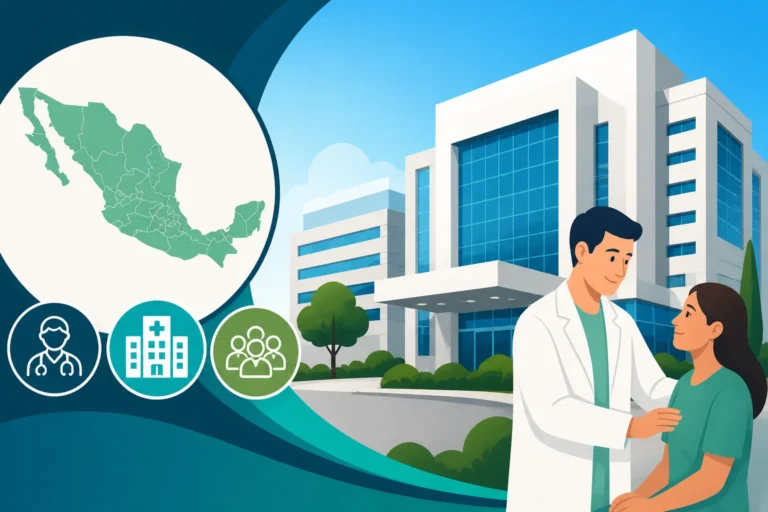
Mérida, the capital of the Mexican state of Yucatán, has rapidly transformed from a historic colonial city into a premier destination for medical tourism and expatriate living. This transformation is driven by a massive influx of international retirees and digital nomads who demand high-quality, reliable medical infrastructure. Consequently, local authorities and private investors have poured millions of dollars into developing state-of-the-art medical facilities that rival those found in major North American metropolitan areas.
The city’s medical landscape is characterized by a strong emphasis on specialized care, ranging from advanced cardiology to complex orthopedic surgery. Because Mérida is consistently ranked as one of the safest cities in the Americas, it attracts top-tier medical talent from across Mexico. Many of the leading surgeons and specialists choose to establish their practices here, drawn by the high quality of life and the booming demand from both the affluent local population and the growing expatriate community.
For foreigners relocating to the Yucatán Peninsula, this robust medical infrastructure provides profound peace of mind. You do not have to compromise your health standards or fly back to your home country for complex medical interventions. Whether you require routine geriatric care or advanced diagnostic imaging, Mérida offers comprehensive solutions that cater specifically to the expectations of international patients.
Public vs. Private Healthcare Dynamics
Like the rest of the country, the healthcare system in Mérida is strictly bifurcated into two distinct tiers: the state-funded public sector and the commercial private sector. The public system, primarily managed by the Instituto Mexicano del Seguro Social (IMSS), provides a vital safety net for the formalized Mexican workforce. While expatriates with legal residency can apply for voluntary enrollment in the IMSS system, it is rarely the primary choice for those accustomed to Western medical standards.
The public healthcare system is chronically overburdened, leading to severe logistical challenges. Wait times for specialist referrals can stretch into months, and elective surgeries are often delayed. Furthermore, public hospitals in Mérida are highly utilitarian; they prioritize basic triage over patient comfort, and the administrative staff and nursing teams almost exclusively speak Spanish. Navigating this system requires immense patience and complete linguistic fluency.
Conversely, the private healthcare sector operates on a direct, consumer-driven model. There are no bureaucratic gatekeepers; patients can instantly book appointments with elite specialists, often securing a consultation for the very next day. Private hospitals offer luxurious recovery suites, cutting-edge technology, and highly personalized care. Because of this dramatic difference in accessibility and comfort, the overwhelming majority of expatriates rely entirely on the private sector. To fully understand these systemic differences, expats should review Healthcare in Mexico: Complete Guide for Expats (Public vs Private).
Accreditations and Quality Standards
When evaluating the quality of medical care in a foreign country, objective accreditations are the ultimate benchmark of safety. In Mérida, top-tier private hospitals aggressively pursue international certifications to validate their clinical protocols and attract foreign patients. These rigorous evaluation processes ensure that the facility adheres to strict, standardized protocols regarding surgical safety, infection control, and emergency response.
For example, leading institutions in Mérida frequently seek validation from global entities like the Joint Commission International (JCI) or the Canadian Healthcare Council. Achieving these certifications requires a hospital to undergo exhaustive audits of its entire operational structure, from the sterilization of operating rooms to the continuing education of its nursing staff. When a hospital in Mérida displays these international seals of approval, expatriates can confidently trust that the care they receive meets or exceeds the standards of their home country.
Furthermore, the Mexican federal government, through the Federal Commission for the Protection against Sanitary Risks (COFEPRIS), enforces strict regulations on pharmaceutical dispensaries, medical devices, and clinical operations. This dual layer of domestic regulation and international accreditation guarantees that the private medical sector in Mérida remains a secure, highly advanced environment for comprehensive patient care.

2. Top Private Hospitals and Clinics in Mérida
Hospital Faro del Mayab and the Christus Muguerza Network
Located in the upscale Santa Gertrudis Copó neighborhood, Hospital Faro del Mayab represents the pinnacle of modern medical infrastructure in Mérida. This massive, state-of-the-art facility is integrated into the prestigious Christus Muguerza medical network, which operates elite hospitals across Mexico. Hospital Faro del Mayab is explicitly designed to cater to medical tourists and expatriates, offering a comprehensive suite of third-level medical services, including hemodynamics, advanced neurology, and complex trauma care.
The hospital’s affiliation with the Christus Muguerza network ensures that its clinical protocols are aligned with international best practices. It features highly advanced diagnostic imaging centers, modern operating theaters, and an adult intensive care unit capable of handling the most severe medical crises. Furthermore, the facility heavily emphasizes patient comfort, providing a serene environment designed to reduce the stress associated with hospital admissions.
For expatriates, Hospital Faro del Mayab is particularly valuable due to its dedicated international patient services. The administrative staff is highly accustomed to navigating foreign insurance policies and facilitating direct billing agreements. This seamless administrative experience, combined with the presence of numerous bilingual specialists, makes it a top choice for foreigners seeking world-class medical interventions in the Yucatán.
Star Médica Mérida’s Advanced Facilities
Star Médica Mérida, located in the prominent Altabrisa district, is another heavyweight in the city’s private medical landscape. As part of a massive national chain of premium hospitals, Star Médica is renowned for its cutting-edge technology and comprehensive emergency services. The facility recently achieved a significant milestone by receiving the Level 3 Certification in the International Patient Safety Model from the Canadian Healthcare Council, further cementing its reputation for clinical excellence.
The hospital operates a highly efficient emergency room, advanced intensive care units, and a wide array of specialized departments spanning from cardiology to oncology. Star Médica is continuously upgrading its infrastructure, recently introducing new multi-specialty smart operating rooms designed to facilitate complex, minimally invasive surgical procedures. This commitment to technological innovation ensures that patients have access to the most effective, modern treatments available.
A major advantage of Star Médica is the attached medical tower, which houses the private consultation offices of hundreds of independent specialists. This centralized layout allows patients to undergo diagnostic testing, consult with their specialist, and schedule surgical interventions all within the same complex. This high level of convenience is a major draw for expatriates managing complex or chronic health conditions.
Clínica de Mérida and Boutique Specialty Clinics
For expatriates seeking a highly respected, deeply established medical institution, Clínica de Mérida is a premier option. Located in the historic García Ginerés neighborhood, this hospital has served as a central pillar of Yucatán healthcare for decades. It offers an extensive directory of medical specialists, ranging from angiology to neurosurgery, and features a highly efficient 24-hour emergency department.
Clínica de Mérida is celebrated for its exceptional diagnostic laboratories and imaging centers, providing rapid, accurate results that form the foundation of effective medical treatment. The hospital maintains a strong reputation for personalized, compassionate care, balancing traditional Mexican bedside manner with sophisticated medical technology. For expatriates who prefer a more intimate hospital environment without sacrificing clinical quality, Clínica de Mérida is an excellent alternative to the massive corporate hospital campuses.
In addition to these major hospitals, Mérida is home to dozens of boutique specialty clinics focusing on niche medical fields. From advanced fertility clinics offering in vitro fertilization to specialized orthopedic centers focusing on joint replacements, these independent clinics provide highly targeted care. Expats can easily locate these specialized services, often discovering that the quality rivals that of major US hubs. For broader regional comparisons, expats might also read Healthcare in Mexico City: Top Hospitals and Clinics for Expats.
3. Navigating Healthcare Costs and Insurance Options
Understanding Out-of-Pocket Expenses
One of the most attractive aspects of relocating to Mérida is the profound affordability of routine medical care. Because the cost of living and operational overhead in Mexico is lower than in the United States or Canada, these savings are directly passed on to the patient. Many expatriates are shocked to discover that they can afford to pay for comprehensive specialist visits and routine diagnostic testing entirely out of pocket, completely bypassing the need to file low-value insurance claims.
A standard, unhurried consultation with a board-certified, bilingual specialist in Mérida typically costs between $40 and $80 USD. Routine diagnostic imaging, such as a basic ultrasound or a digital X-ray, generally costs under $50 USD. Even highly complex diagnostic procedures, like a non-contrast MRI, rarely exceed $300 USD. This transparent, accessible pricing model empowers expatriates to take a highly proactive approach to their health, seeking immediate second opinions and regular preventative screenings without financial hesitation.
To provide a clear perspective on the financial reality of private healthcare in Mérida, the following table compares estimated out-of-pocket costs against typical uninsured costs in the United States.
| Medical Service | Estimated Cost USA (Uninsured) | Estimated Cost Mérida (Private Sector) |
| Specialist Consultation | $250 – $500 | $40 – $80 |
| Comprehensive Blood Panel | $150 – $300 | $25 – $50 |
| Routine Dental Cleaning | $100 – $200 | $30 – $50 |
| Emergency Room Triage | $1,000 – $3,000+ | $100 – $250 |
| Uncomplicated Appendectomy | $20,000 – $40,000 | $3,500 – $6,000 |
For a more granular breakdown of surgical invoicing and hospital room rates, expatriates must review Healthcare Costs in Mexico: Doctor Visits, Hospital Stays, and Surgery Expenses.
Local Health Insurance vs. International Policies
While routine care is highly affordable out of pocket, a catastrophic medical emergency requiring a prolonged stay in an Intensive Care Unit can easily generate a hospital bill exceeding $60,000 USD. To protect their retirement assets from these low-probability but highly devastating events, expatriates must secure robust private health insurance. The primary decision lies between purchasing a local Mexican policy or a comprehensive international plan.
Local Mexican insurance policies are generally cheaper but come with severe limitations. They frequently enforce strict geographical restrictions, meaning you are only covered within Mexico. Furthermore, local insurers employ draconian age restrictions, often refusing to issue new policies to applicants over the age of 64, and they universally exclude pre-existing conditions. For these reasons, local plans are often unviable for older expatriates or those with complex medical histories.
For comprehensive, uncompromising protection, premium international health insurance is the premier solution. World-class providers like Cigna Global offer highly customizable policies engineered specifically for the expatriate lifestyle. A robust policy from Cigna Global provides absolute global portability, meaning you are covered in Mérida, while traveling internationally, and during visits back to your home country. More importantly, these policies often feature much more flexible underwriting for pre-existing conditions. To fully understand these critical distinctions, read Choosing Private Health Insurance: Local Mexican Plans vs International Coverage.
Efficient Payment Strategies for Expats
Managing the financial logistics of healthcare in a foreign country requires utilizing the right digital tools. Private hospitals, independent clinics, and specialized laboratories in Mérida strictly require payment in Mexican Pesos. If you casually swipe a traditional foreign debit or credit card at the hospital reception desk to pay a $4,000 USD surgical deposit, your home bank will quietly penalize you with exorbitant hidden foreign transaction fees and heavily marked-up currency exchange rates.
Financially astute expats eliminate this massive banking friction entirely by utilizing sophisticated multi-currency platforms like Wise. By setting up a Wise account, you can instantly and securely transfer funds from your home country savings into a localized Mexican Peso balance at the true, transparent mid-market exchange rate.
Using a local debit card linked to your Wise account ensures that your carefully planned healthcare budget is spent entirely on your physical healing, rather than enriching traditional international banks. Furthermore, if you need to hire an independent bilingual nurse or pay a private specialist who only accepts direct bank transfers, Wise allows you to execute seamless domestic transfers directly into the Mexican medical provider’s account.
4. Routine Care, Pharmacies, and Specialists
Finding English-Speaking Doctors
The foundation of safe, effective medical care is flawless communication. When describing the subtle nuances of chronic pain, neurological symptoms, or complex allergic reactions, relying on a basic understanding of Spanish or a smartphone translation app is incredibly dangerous. Expatriates must prioritize finding medical professionals who speak highly technical, fluent English to ensure accurate diagnoses and fully informed consent.
Fortunately, Mérida’s booming expatriate population has fostered a medical environment where bilingual doctors are highly accessible. Many of the top-tier specialists practicing at Hospital Faro del Mayab or Star Médica have completed international fellowships and are highly accustomed to treating North American and European patients. Their bedside manner frequently blends the warm, unhurried empathy characteristic of Mexican culture with the clinical directness expected by Western patients.
To locate these vetted professionals, expatriates should actively engage with local community forums and international social clubs. Word-of-mouth recommendations within the Mérida expat community are invaluable. Additionally, consular lists provided by the US and Canadian embassies offer excellent starting points. For a highly structured guide on how to verify credentials and build your bilingual medical team, consult Finding English-Speaking Doctors and Specialists in Mexico.
Sourcing Prescription Medications and Holistic Supplements
Navigating the pharmacy system in Mérida is generally a highly convenient experience, provided you understand the local regulations. Mexico is famous for its relaxed approach to standard maintenance medications. A vast array of drugs that strictly require a prescription in the US or Canada—such as high-strength pain relievers, asthma inhalers, and standard blood pressure medications—are sold freely over the counter at massive national chains like Farmacias del Ahorro or Farmacias YZA.
However, the federal health commission strictly enforces prescription laws for antibiotics and heavily controlled psychotropic drugs, such as ADHD stimulants or strong opioid painkillers. You absolutely cannot purchase these restricted medications without a specialized, barcoded prescription from a licensed Mexican physician. To master the specific vocabulary needed at the pharmacy counter and avoid legal pitfalls, expats should study Pharmacies in Mexico: How to Get Medications (OTC vs Prescription).
While conventional pharmacies are excellent for allopathic drugs, finding clinical-grade holistic wellness products, specialized refrigerated probiotics, or rare adaptogenic herbs locally can be incredibly frustrating. The few specialty health food stores in Mérida often apply massive retail markups to imported brands. To bypass this logistical bottleneck, health-conscious expats utilize global e-commerce platforms like iHerb. Because iHerb manages the cross-border shipping logistics flawlessly, expats can reliably order their preferred, premium international wellness brands at standard global prices, ensuring their preventative health routines remain perfectly intact abroad.
Diagnostic Testing and Preventative Health
Mérida offers unparalleled access to affordable, high-quality preventative care and diagnostic testing. Unlike heavily bureaucratic health systems that require mandatory general practitioner referrals to authorize basic blood work, the Mexican system empowers the patient to take direct control of their health monitoring.
The city is populated with massive, independent medical laboratory chains, such as Laboratorio Médico del Chopo and Salud Digna. These standalone facilities operate entirely separately from the major hospitals. Patients can simply walk into these pristine, highly efficient clinics without an appointment, request a comprehensive cardiovascular panel or a thyroid screening directly off a clearly published menu of prices, and receive their results via email within 24 hours.
This streamlined process is a massive advantage for expatriates managing chronic illnesses or those simply dedicated to proactive longevity protocols. You can routinely monitor your core biomarkers for a fraction of the cost you would pay back home, allowing you to catch potential health issues in their earliest, most treatable stages. To understand how to seamlessly integrate these independent facilities into your broader health strategy, review Lab Tests and Blood Work in Mexico: Using Local Laboratories.
5. Emergency Protocols and Medical Evacuation
Emergency Room Triage and Admissions
Surviving a sudden, severe medical crisis requires understanding exactly how private emergency rooms operate in Mérida. When you arrive at the Urgencias (Emergency Room) of an elite private hospital, the clinical triage is rapid and highly efficient. Trauma surgeons and specialized ER nurses will move immediately to stabilize your physical condition, utilizing state-of-the-art diagnostic imaging and resuscitation bays.
However, simultaneously, the hospital’s administrative billing department will initiate a highly aggressive financial triage with your accompanying family members. Private hospitals function as risk-averse commercial enterprises; they will demand a massive upfront cash or credit card deposit—often ranging from $3,000 to $10,000 USD—before they formally admit you to a recovery suite or prep you for emergency surgery. If you cannot produce this deposit, they will stabilize you and forcefully transfer you to a crowded public hospital.
This terrifying financial reality is precisely why relying on a premium international insurance policy from Cigna Global is absolutely vital. Cigna Global maintains extensive direct-billing agreements with top-tier private hospitals in Mérida. In an emergency, their 24/7 multilingual support team negotiates directly with the hospital administration, issuing a Guarantee of Payment that completely bypasses the requirement for you to front a massive cash deposit. This ensures your family’s focus remains entirely on your physical survival.
Public Ambulances vs. Private Emergency Transport
The emergency dispatch system in Mérida is unified under the universal “911” dial code. However, relying on 911 presents specific logistical challenges for expatriates. The 911 dispatch operators generally only speak Spanish, and they will typically deploy a public ambulance operated by the Red Cross. While these paramedics provide excellent basic life support, they are generally mandated to transport patients to the nearest public IMSS hospital.
If you hold a premium Cigna Global policy and deeply desire to be treated at a luxury private hospital like Faro del Mayab or Star Médica, utilizing a public ambulance is a massive strategic error. To guarantee transport to an elite private facility, you must utilize a private ambulance.
Private ambulances are heavily equipped, rolling Intensive Care Units that operate strictly on a fee-for-service model. You summon these units by completely bypassing 911 and calling the private hospital’s direct emergency dispatch line instead. Understanding these critical dispatch distinctions is a matter of life and death, explored deeply in Calling an Ambulance in Mexico: How Emergency Services Operate.
Preparing a Medical Action Plan
An insurance policy provides the financial backing, but surviving an emergency requires militant, proactive preparation on the ground. You must build a highly organized response protocol long before you ever need to use it. Do not wait for a crisis to figure out the fastest driving route to your chosen private hospital or to find its direct emergency phone number.
Every expatriate household in Mérida must construct a physical, bilingual “Emergency Action Folder.” This dossier must include your full legal name, blood type, a list of any known severe allergies, and a translated summary of previous major surgeries. Furthermore, it must contain a precise list of your current daily medications with their generic chemical names.
Having this physical cheat sheet available to hand to an emergency responder bridges the communication gap instantly during the critical first ten minutes of a crisis. If you have complex surgical histories, you must ensure these documents are formally translated; for guidance on this specific process, read Do You Need to Translate Medical Records into Spanish for Mexican Doctors?. Combining this meticulous preparation with the unparalleled financial protection of Cigna Global guarantees that your life in Mérida is defined by vibrant health and absolute peace of mind. For an overarching view on crisis readiness, review Medical Emergencies in Mexico: What Expats Should Know and Prepare.
References
Primary sources (official)
- Clínica de Mérida – Official Patient Portal: https://clinicademerida.mx/
Other helpful sources
- World Health Organization (WHO) – Mexico Health Profile: https://www.who.int/countries/mex/
Disclaimer
The information provided in this article is for educational and informational purposes only and does not constitute formal medical, legal, or financial advice. Healthcare costs, hospital accreditations, pharmacy regulations, and insurance underwriting policies in Mexico are subject to frequent changes without notice. Always consult directly with a qualified, licensed medical professional regarding your specific health needs, and speak with a certified international insurance broker to thoroughly evaluate your coverage options and risk tolerance before relocating or seeking major medical treatment abroad.