Semana Santa and Easter in Mexico
One of the biggest eye-openers for many expats and tourists arriving in Mexico is just how profoundly significant Semana Santa, or Holy Week, truly is. It's not just another public holiday; it's an annual, deeply ingrained cultural and religious event that transforms the entire country, often catching newcomers completely off guard with its intensity, its beauty, and its logistical challenges. This guide is here to unravel the mysteries of Semana Santa and Easter in Mexico, helping you navigate the crowds, understand the customs, and truly embrace this incredible period.
Disclosure: This post may contain affiliate links. We may earn a commission at no extra cost to you if you make a purchase through these links. Read full disclosure.
Understanding Semana Santa: More Than Just a Holiday
Semana Santa is, without a doubt, one of the most important periods in the Mexican calendar, rivaling even Christmas and Día de Muertos in its cultural impact. For a country with such deep Catholic roots, the week leading up to Easter Sunday is a time of profound religious observance, community gathering, and, for many, a much-anticipated vacation. You'll quickly discover it’s far from a quiet affair, and understanding its underlying significance will help you appreciate the spectacle and the local sentiments.
The Deep Roots of Observance
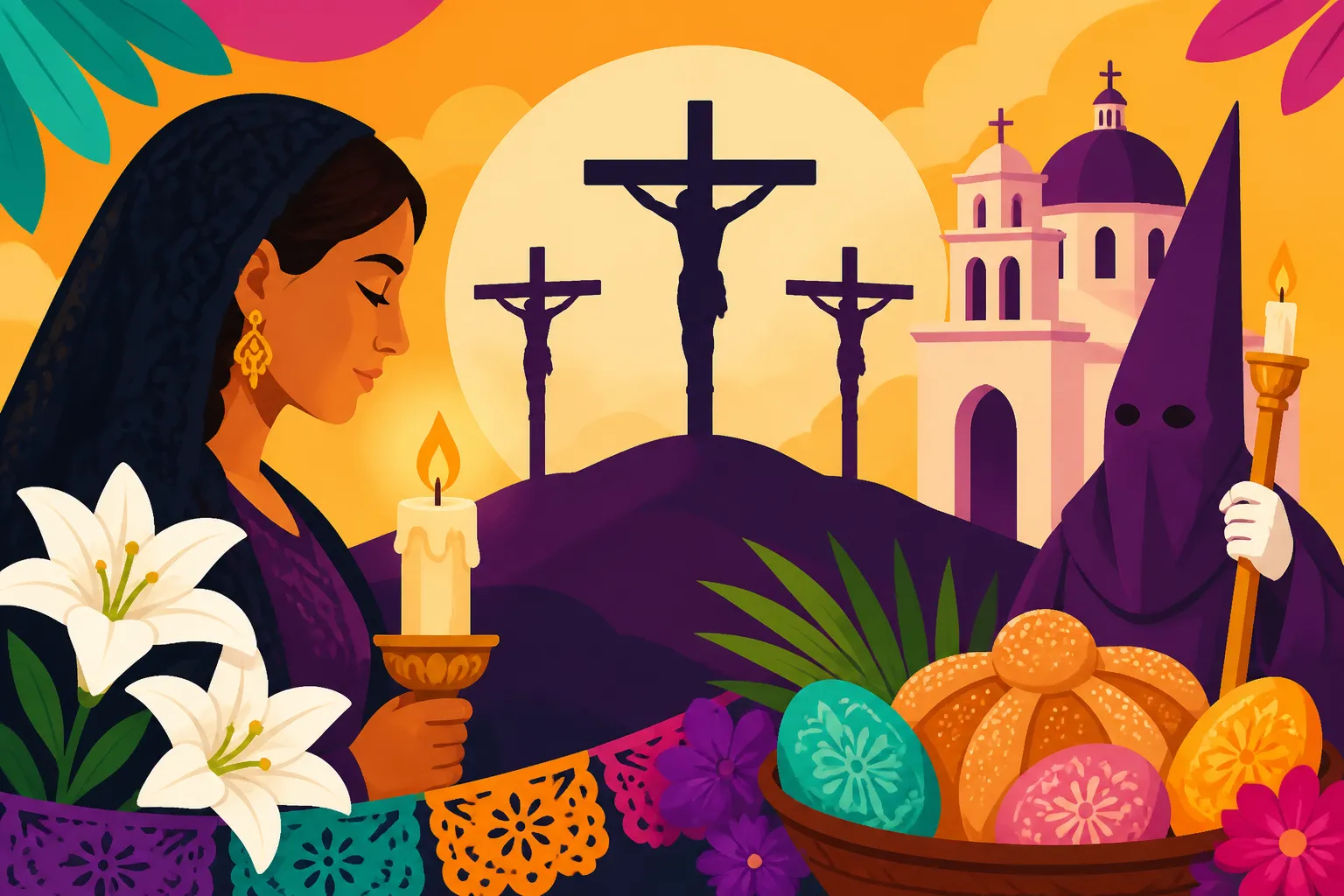
Mexico's Catholic heritage is impossible to ignore, and Semana Santa is a vivid manifestation of this. The origins of Holy Week observances in Mexico trace back to the Spanish Conquest, blending indigenous traditions with the fervent Catholicism brought by the conquistadors. Each day of Semana Santa, from Palm Sunday (Domingo de Ramos) through Easter Sunday (Domingo de Resurrección), commemorates specific events in the Passion of Christ. This isn't just about going to church; it's about public displays of faith that involve entire communities. Expect to see reenactments of the Last Supper, the Stations of the Cross, and the Crucifixion, often with incredibly detailed costumes and passionate performances. These are not mere spectacles for tourists; they are sacred rituals for the participants and observers, often passed down through generations. The gravity of these events, especially on Maundy Thursday and Good Friday, is palpable, as communities engage in solemn processions, silent contemplation, and a collective remembrance of sacrifice.
Beyond the Beach: A Nationwide Transformation
While many associate Semana Santa with crowded beaches and party destinations, that's only one facet of this complex holiday. For a vast majority of Mexicans, particularly in central and southern regions, it's a time for family, reflection, and deeply traditional celebrations. Schools close for two weeks, and many businesses shut down for at least the latter half of Holy Week, allowing families to travel, visit relatives, or participate in local festivities. This nationwide shift means that cities can become either eerily quiet as locals leave for vacation, or burst into vibrant life with religious processions, depending on the destination. Coastal towns, of course, swell with domestic tourists seeking fun and sun, creating a completely different atmosphere. This dichotomy is crucial for expats to grasp: what you experience in a tranquil colonial city might be a world away from the scene in Cancún or Puerto Vallarta. The infrastructure of the country gears up for this mass movement, but it also means heightened demand and pressure on services.
Key Dates and Duration: When Does it Actually Happen?
Semana Santa is a "movable feast," meaning its dates change each year, tied to the lunar calendar and the vernal equinox, just like Easter in many other parts of the world. This shifting schedule is one of the first things to get your head around as an expat or a traveler because it dictates everything from travel plans to local availability of services.
Holy Week Calendar: A Shifting Schedule
Semana Santa begins on Palm Sunday (Domingo de Ramos), a week before Easter Sunday (Domingo de Resurrección). The most solemn days are Maundy Thursday (Jueves Santo) and Good Friday (Viernes Santo), which typically see the most elaborate religious processions and reenactments. Holy Saturday (Sábado de Gloria) can be a bit more varied, with some areas maintaining solemnity and others starting to lighten up. Easter Sunday, while the culmination of the religious period, is often a more subdued family day compared to the preceding dramatic days. Because these dates float annually, it’s vital to check the specific calendar for the year you plan to travel or stay in Mexico. A quick search for "Semana Santa [Year] Mexico" will give you the exact dates, which are usually consistent with the Western Christian calendar. Knowing these dates well in advance is paramount for any kind of planning.
The Double-Edged Sword of School Holidays
Adding another layer of complexity, the public school system in Mexico often grants a two-week holiday period that encompasses Semana Santa. This means that not only are the immediate Holy Week days off, but often the week before or after is also part of the vacation. This extended break fuels the mass exodus to beaches and tourist hot spots. What might seem like a peaceful week in your quiet neighborhood could suddenly become a ghost town, only for the beaches to be bursting at the seams. Conversely, if you're living in a major city, many locals will leave, making traffic lighter and giving you a rare opportunity to enjoy popular spots with fewer crowds. But this also means that local government offices, banks, and some private businesses will have reduced hours or be completely closed for several days, creating frustrating delays if you have any bureaucratic tasks pending. Understanding this full two-week window is key to managing your expectations and making your plans.
Traditional Celebrations Across Mexico: A Regional Tapestry
Mexico is a vast country, and its celebrations of Semana Santa are as diverse as its landscapes. While the core religious narrative remains the same, how each region interprets and performs it varies dramatically. From the deeply solemn and theatrical reenactments to the raucous beach parties, you’ll find a spectrum of experiences.
Solemnity and Processions: Central and Southern Mexico
In many parts of central and southern Mexico, Semana Santa is a time of profound religious devotion and elaborate traditional performances. These are often the most captivating for those looking to experience the spiritual and cultural heart of the holiday.
- Iztapalapa, Mexico City: Perhaps the most famous and largest Passion Play in Mexico takes place in Iztapalapa, a borough of Mexico City. This isn't just a small-town play; it's a massive, months-in-the-making production involving thousands of local residents, often with the role of Christ being a great honor for a young man from the community. The reenactment on Good Friday draws millions of spectators, both locals and international visitors. It's an overwhelming, intense, and deeply moving experience that involves a lengthy procession, dramatic acting, and genuine fervor. If you plan to attend, be prepared for immense crowds, bring plenty of water, and wear comfortable shoes. Consider booking a guided tour through platforms like Viator to navigate the logistics, or at least plan your transportation well in advance.
- San Miguel de Allende: This charming colonial city offers a more subdued yet equally powerful series of events. Its celebrations are known for their quiet dignity, with somber processions, flower carpets (tapetes de aserrín), and effigies of Christ and the Virgin Mary carried through cobblestone streets. On Good Friday, you might witness the "Procesión del Silencio," a silent procession where participants walk in contemplation, often hooded, creating an atmosphere of deep reverence.
- Oaxaca City: Known for its rich indigenous culture and culinary traditions, Oaxaca’s Semana Santa involves a mix of Catholic processions and unique local touches. Expect beautiful altars (altares de Dolores) in homes and churches, and solemn processions that wind through the historic center, often accompanied by traditional music. It’s a great opportunity to explore the city's vibrant markets and enjoy its renowned cuisine, which takes on special significance during this period, with specific Lenten dishes.
- Taxco: The silver mining town of Taxco, with its steep, winding streets, provides a dramatic backdrop for its intense Holy Week observances. Here, penitents known as "encruzados" carry heavy crosses, and "flagelantes" self-flagellate, engaging in acts of penance that are both shocking and deeply traditional. These are not for the faint of heart, but they are an undeniable part of a centuries-old tradition that commands immense respect from the local community.
Coastal Escapades: Northern and Beach Destinations
Move towards the coasts, and the atmosphere shifts dramatically. For many Mexicans, Semana Santa, especially the second week (Semana de Pascua), is synonymous with a beach vacation.
- Cancún, Playa del Carmen, Tulum: The Riviera Maya explodes with activity. Hotels are booked solid, beaches are packed, and nightlife is at its peak. The focus here is less on religious observance and more on relaxation, partying, and enjoying the Caribbean sun. While you might find some local church services, the overriding vibe is one of exuberant holiday fun. This means higher prices for everything from flights to accommodation on Booking.com, and increased demand for tours and activities. If you’re planning a trip to this region, you absolutely need to book well in advance.
- Puerto Vallarta and Riviera Nayarit: On the Pacific coast, destinations like Puerto Vallarta, Sayulita, and San Pancho also become incredibly popular. Beaches are full of families, street vendors, and music. Resorts host special events, and the general mood is festive and lively. Again, early booking for flights, hotels, and even popular restaurants is non-negotiable.
- Mazatlán: This historic port city is famous for its vibrant Malecon and often hosts lively beach parties and concerts during Semana Santa, attracting a significant number of domestic tourists, particularly from northern Mexico.
Unique Local Customs You Might Encounter
Beyond the major Passion Plays and beach parties, many smaller towns and communities across Mexico have their own unique customs. You might stumble upon:
- "Quema de Judas" (Burning of Judas): On Holy Saturday, effigies of Judas Iscariot, often caricaturing political figures or unpopular personalities, are burned in public squares. This symbolic act represents the triumph of good over evil and is often accompanied by fireworks and merriment.
- Sawdust Carpets (Tapetes de Aserrín): Especially in central Mexico, communities create intricate, colorful carpets made from dyed sawdust, flowers, and other natural materials along procession routes. These ephemeral works of art are breathtaking and often destroyed as the processions pass over them, symbolizing the fleeting nature of life.
- Processions of Silence: In contrast to the grand parades, some towns hold silent processions, where participants walk in quiet contemplation, often dressed in solemn robes, carrying candles or religious images. The absence of spoken words amplifies the gravity of the occasion. These local expressions of faith and culture are truly what make the Mexican Semana Santa so rich and unforgettable.
Practical Considerations for Expats and Travelers During Semana Santa
Navigating Mexico during Semana Santa requires a bit of foresight and flexibility. What might seem like a straightforward trip can quickly become complicated due to the sheer volume of people on the move and the temporary changes in local services.
Navigating Crowds and High Prices
This is perhaps the biggest impact Semana Santa will have on your plans. Mexico essentially goes on vacation, and everyone heads to the popular spots. Expect massive crowds at all major tourist attractions, archaeological sites, and, of course, the beaches. Patience will be your best friend. What normally takes 10 minutes might take 30, and popular restaurants will have long wait times or require reservations months in advance.
More significantly, prices for pretty much everything skyrocket. This is peak season. Accommodation, especially in prime locations, can easily double or triple. Flights become more expensive and book up quickly. Even local bus tickets, normally affordable, will see price increases and limited availability. If you are staying put in a less touristy residential area, you might find your local shops, panaderías, and even some supermarkets operating on reduced hours or closing entirely for a few days. It's a good idea to stock up on essentials a few days before Holy Week officially begins. Always carry enough cash (pesos), as ATMs in busy areas can run out, and smaller vendors might not accept cards. Remember, you can usually find information on Money for Travel in Mexico: Cash, Cards, and ATMs in advance to help you prepare.
Transportation and Accommodation Challenges
This goes hand-in-hand with crowds and prices but deserves its own spotlight. If you’re planning to travel, particularly long distances, during Semana Santa, you must book everything months in advance.
- Flights: Domestic flights, especially to beach destinations, are often fully booked and very expensive. Don't expect to snag a last-minute deal.
- Buses: Mexico's excellent long-distance bus system, with operators like ADO, becomes a lifeline, but even here, tickets sell out. Using platforms like Busbud can help you secure your seats in advance, which is highly recommended. Expect terminals to be chaotic, and factor in potential delays. Learning How to Buy ADO Bus Tickets in Mexico will be a game-changer.
- Car Rentals: If you plan on renting a car, do so well in advance. Not only will prices be higher, but availability will be scarce. Also, be aware that roads, particularly highways leading to popular destinations, will be heavily trafficked, and travel times will be significantly longer than usual. Parking at attractions will also be a major headache. Ensure you have proper Do You Need Mexican Car Insurance to Drive in Mexico? coverage.
- Accommodation: Whether you're looking for a luxury resort or a budget hostel, popular options will be fully booked. Use websites like Booking.com early to lock in your reservations. If you're hoping to rent a home, many properties will have minimum stay requirements and higher rates. Check out guides on Renting a Home in Mexico: Complete Expat Guide to Leases, Deposits, and More if you're planning a longer stay.
Essential Services: What Stays Open, What Closes
The closure of businesses and government offices during Semana Santa can be a source of frustration for expats, especially those new to Mexico.
- Banks and Government Offices: Generally, banks, post offices, and most government offices (including immigration offices like INM) will be closed on Maundy Thursday, Good Friday, and often into Holy Saturday or even the entire week. Plan any necessary paperwork or financial transactions accordingly.
- Shops and Supermarkets: In major cities, large supermarkets and department stores often remain open, but with reduced hours. Smaller, independent shops, especially in traditional neighborhoods, may close for several days as their owners travel or observe the holiday. In tourist areas, shops and restaurants catering to visitors will largely remain open, but prepare for increased business and potentially slower service.
- Pharmacies and Medical Services: Pharmacies (farmacias) typically remain open, often with 24-hour options in larger cities. Emergency medical services are always available, but non-emergency clinics or doctor's offices might have limited hours. It's always a good idea to know Medical Emergencies in Mexico: What Expats Should Know and Prepare.
Embracing the Spirit: Tips for a Meaningful Experience
While the practicalities can be challenging, Semana Santa offers a unique opportunity to immerse yourself in Mexican culture and witness deeply held traditions. With a little planning and an open mind, you can have a truly unforgettable experience.
Respecting Local Traditions and Etiquette
When observing religious processions or Passion Plays, remember that these are not tourist performances but profound acts of faith.
- Dress Code: If you plan to attend any religious ceremonies or solemn processions, dress respectfully. Modest clothing is appropriate – shoulders and knees should ideally be covered, especially in churches or traditional towns. Avoid overly revealing or flashy attire.
- Behavior: Maintain a respectful silence during solemn events. Do not interrupt processions, and avoid taking flash photography directly in the faces of participants, especially penitents. Many communities ask for general discretion regarding photography. It’s okay to observe and appreciate, but do so with reverence. This is a time for quiet reflection for many locals, not a party.
- Participation: In some towns, you might be invited to join a procession or help with the creation of a sawdust carpet. If you feel comfortable, this can be an incredible way to engage with the local community and show your appreciation for their culture. Learning a few polite Spanish phrases, even just "gracias" or "con permiso," goes a long way. More tips on Mexican Customs, Etiquette, and Social Life can be found here.
Staying Safe and Sound Amidst the Festivities
With increased crowds and travel, staying safe during Semana Santa is particularly important.
- Personal Safety: Be extra vigilant with your belongings, especially in crowded areas like markets, bus terminals, or popular attractions. Pickpocketing can increase during these times. Keep valuables out of sight and consider using a money belt.
- Traffic and Roads: If you are driving, exercise extreme caution. Roads will be busy, and some drivers may be less careful due to holiday spirits. Avoid driving at night on unfamiliar roads. Pedestrian areas, especially around processions, will be packed, so be mindful of your surroundings. For general advice, refer to Staying Safe in Mexico: Practical Tips for Travelers.
- Hydration and Sun Protection: If you're attending outdoor events, especially in hotter regions, remember to stay hydrated and protect yourself from the sun. Wear a hat, sunglasses, and use sunscreen liberally. Carry a reusable water bottle.
- Emergency Contacts: Have local emergency numbers handy (911 in Mexico). If you have health insurance, know your policy details and what to do in case of an emergency. This information is crucial, whether you rely on Health Insurance in Mexico: How Expats Can Get Coverage (2027) or international plans.
Culinary Delights and Special Dishes
Semana Santa also brings with it a unique array of culinary traditions, often driven by the Lenten tradition of abstaining from meat on certain days.
- Seafood and Fish: Expect an abundance of delicious seafood and fish dishes, particularly on Good Friday. Many restaurants will feature special Lenten menus (menús de Cuaresma). From fresh ceviches to grilled fish tacos, it's a fantastic time to explore Mexico's rich aquatic bounty.
- Capirotada: This traditional Mexican bread pudding is a staple during Lent. Made with stale bread, piloncillo (unrefined whole cane sugar), cheese, nuts, and dried fruit, it’s a sweet, comforting dish with symbolic ingredients.
- Romeritos: A dish primarily popular in central Mexico, particularly around Mexico City, romeritos are a type of edible plant (a succulent herb) often prepared in a mole sauce with potatoes, nopales (cactus paddles), and shrimp cakes. It's a unique flavor profile and a must-try if you're in the right region.
- Pescado Zarandeado: A classic grilled fish from the Pacific coast, often a whole snapper marinated and butterflied, then grilled over coals. It's especially popular in coastal towns during this time. Delve deeper into Mexican Food Culture: Eating and Drinking as a Visitor to explore these seasonal treats.
Planning Your Trip: Booking and Preparation Strategies
For any expat or visitor, careful planning is the ultimate key to a smooth and enjoyable Semana Santa in Mexico. Procrastination will lead to disappointment, higher costs, and logistical headaches.
Securing Your Stay: The Early Bird Gets the Worm
This cannot be stressed enough: if you plan to travel anywhere popular during Semana Santa, book your accommodation months in advance. Seriously, start looking 4-6 months out, especially for highly sought-after destinations like Oaxaca, San Miguel de Allende, or any of the major beach towns.
- Online Platforms: Utilize platforms like Booking.com extensively. Filter by your specific needs—family-friendly, pet-friendly, budget, etc. Read reviews carefully, particularly those from other international travelers, as local expectations can differ.
- Direct Bookings: Sometimes, contacting smaller hotels, B&Bs, or vacation rentals directly can yield better results or provide access to options not listed on major sites. However, these too will fill up quickly.
- Consider Alternatives: If your first-choice destination is booked solid or prices are astronomical, consider slightly less-known alternatives. A town a short drive away from a major hub might offer better value and availability, though you’ll still need to account for increased local travel.
Getting Around: Flights, Buses, and Car Rentals
Once again, the mantra is "book early." Whether you're traveling across the country or just planning a day trip, transportation will be a challenge if not pre-arranged.
- Flights: For domestic air travel, check airline websites like Aeromexico, Volaris, VivaAerobus, and international aggregators well in advance. As mentioned, prices will be inflated, but booking early secures your spot.
- Buses: For intercity travel, Busbud is an excellent resource for comparing routes and prices from different bus lines (like ADO, ETN, Primera Plus) and booking tickets online. This is especially useful for popular routes. Confirm your exact departure times and arrive at the bus terminal well before your scheduled departure. Remember the guide on Long-Distance Buses in Mexico: ADO and Premium Lines.
- Car Rentals: If a rental car is essential for your trip, reserve it as soon as possible. Be sure to understand the insurance requirements in Mexico, as liability insurance is mandatory. Factor in toll road costs (cuotas), which can add up, but often offer a safer and faster travel experience than free roads (libres).
Curated Experiences and Day Trips
With the country buzzing, planning activities and tours early will save you headaches and guarantee participation.
- Guided Tours: For popular sites or specific Semana Santa events, consider booking guided tours through reputable operators. Viator is a great platform for finding a wide array of tours, from historical walks to culinary experiences, ensuring you get a spot and often providing valuable local insights and logistical support, especially in crowded areas like Iztapalapa.
- Restaurant Reservations: If you have a specific restaurant in mind for a special meal, particularly in cities like Mexico City, San Miguel de Allende, or Oaxaca, make reservations weeks, if not months, in advance. Many top establishments will be fully booked.
- Exploring Locally: Even if you’re staying home, research local events. Your neighborhood church or town square might have unique activities. A simple walk through your "colonia" could reveal stunning temporary altars or street art. Sometimes, the best experiences are found right on your doorstep. For more general travel insights, check out Getting Around Mexico: Buses, Flights, and Car Hire.
Semana Santa is a truly unique period in Mexico. With its blend of solemn religious observance and vibrant holiday celebrations, it offers a window into the heart and soul of Mexican culture. By understanding its significance, planning meticulously, and approaching it with an open and respectful attitude, you’ll not only navigate the challenges but also create lasting memories of this extraordinary time.
| Aspect of Semana Santa | Traditional / Religious Regions (e.g., Oaxaca, Taxco, Iztapalapa) | Beach / Tourist Regions (e.g., Cancún, Puerto Vallarta) |
|---|---|---|
| Primary Focus | Solemn religious observance, Passion Plays, processions, family | Vacation, relaxation, parties, beach activities, family |
| Crowds | Very high in specific event areas; otherwise moderate/local | Extremely high, especially on beaches and in resorts |
| Accommodation | Book months in advance; higher prices | Book many months in advance; highest prices |
| Transportation | Book buses/flights months ahead; local routes crowded | Book flights/buses months ahead; major routes packed |
| Prices | Elevated, especially for hotels and popular tours | Significantly inflated across the board |
| Atmosphere | Reverent, spiritual, traditional, cultural | Festive, lively, party-oriented, recreational |
| Business Hours | Many local businesses, banks, government offices closed for days | Tourist-oriented businesses mostly open, some reduced hours |
| Activities | Observing processions, unique local customs, religious events | Beach sports, nightlife, dining, day trips |
Disclaimer
The information provided in this guide is for general informational purposes only and is subject to change. While we strive to offer accurate and up-to-date advice, travel regulations, local customs, and service availability during Semana Santa can vary significantly. Always verify specific dates, opening hours, and booking requirements directly with providers. We recommend consulting official government sources and local tourism boards for the most current information.