Mezcal in Oaxaca: Tours and Tastings
Stepping into Oaxaca City, you're immediately enveloped by the rich tapestry of its culture, and perhaps nothing embodies this more profoundly than mezcal. For many expats and tourists, the world of mezcal can seem as mysterious as it is enticing – a labyrinth of smoky flavors, artisanal producers, and traditional rituals. This guide is here to demystify the experience, helping you navigate the vibrant world of Oaxaca's most iconic spirit, from choosing the right tour to savoring every complex sip.
Disclosure: This post may contain affiliate links. We may earn a commission at no extra cost to you if you make a purchase through these links. Read full disclosure.
Understanding Mezcal: Oaxaca's Liquid Gold
Ah, mezcal. It's more than just a drink; it's a centuries-old tradition, a testament to the land, and the very soul of Oaxaca. When you first arrive, you’ll hear the word everywhere, see it on every menu, and eventually, if you're like me, develop a deep appreciation for its intricate story. It's a journey into Mexico's heart, one sip at a time.
What Exactly Is Mezcal?
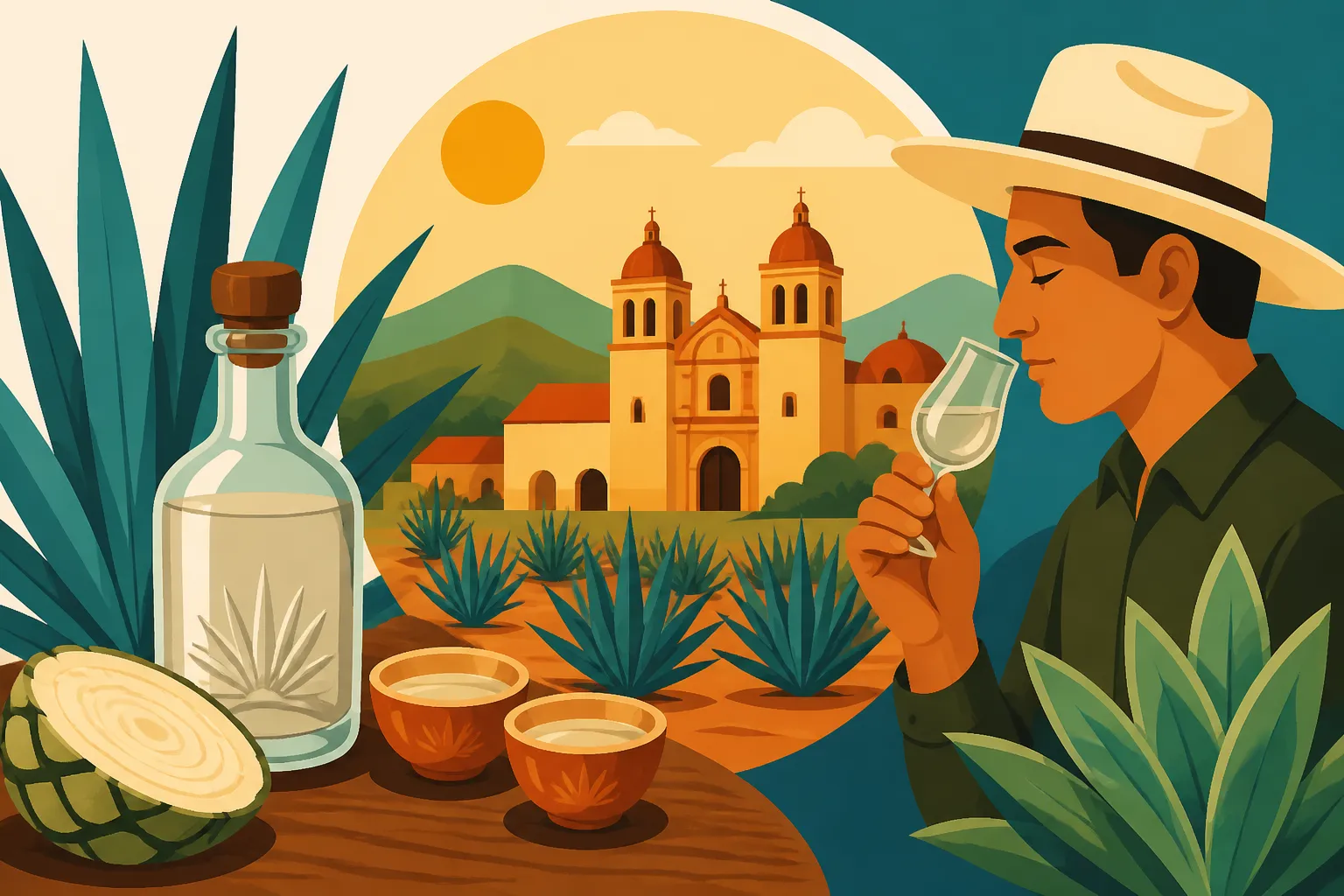
Let's cut through the confusion right away. Many people think of tequila first, and while they are cousins, mezcal is truly its own magnificent beast. Both are distilled alcoholic beverages made from the agave plant. However, tequila can only be made from one specific type of agave – the blue agave (Agave tequilana Weber azul) – and primarily comes from Jalisco. Mezcal, on the other hand, can be made from over 50 different species of agave, and while it's produced in several Mexican states, Oaxaca is unequivocally its spiritual home and primary producer. This diversity in agave is where the magic really begins.
The traditional production process for mezcal is what truly sets it apart, and frankly, what makes it so incredibly special and, dare I say, soulful. Imagine walking through fields of towering agave, their spiky leaves stretching towards the sun. Harvesters, known as jimadores, meticulously select and cut the agave hearts, called piñas, after years of maturation – sometimes up to 25 years for wild varietals. These piñas are then traditionally roasted in underground conical ovens lined with volcanic rocks, heated by wood fires. This crucial step, which can last for days, is what imparts mezcal's characteristic smoky flavor, a hallmark that's both challenging and utterly captivating to new palates. Contrast this with tequila, where the piñas are typically steamed in industrial ovens, resulting in a cleaner, less smoky profile. After roasting, the softened piñas are crushed, often by a large stone wheel (a tahona) pulled by a horse or donkey, or sometimes by hand, to extract their sugary juices. These juices are then fermented in open-air wooden vats using natural yeasts, and finally, double-distilled in copper or clay stills. Each step is a craft, passed down through generations, often within the same family, imbuing each batch with a unique personality.
The Cultural Significance of Mezcal in Oaxaca
Mezcal isn't just an alcoholic beverage here; it's woven into the very fabric of Oaxacan life and identity. It's a drink of celebration, a comfort in times of sorrow, a ritualistic offering, and a symbol of community. You'll find it at weddings, baptisms, funerals, and countless family gatherings. It’s not uncommon to see a small glass of mezcal offered as a welcoming gesture, a sign of hospitality and friendship. This isn't about getting drunk; it's about sharing, connecting, and honoring tradition.
For many maestros mezcaleros (mezcal masters) and their families, the production of mezcal is more than a livelihood; it’s a way of life, a spiritual connection to the land, and an inheritance of ancestral knowledge. The agave plant itself is revered, a sacred plant with mythical origins. Each bottle tells a story: the sun that nourished the agave for a decade, the rain that quenched its thirst, the earth that held it firm, and the hands that patiently transformed it. Understanding this deeper cultural context, how it’s tied to the indigenous Zapotec and Mixtec peoples, really enhances your appreciation. It moves beyond a simple drink to become an experience of heritage, resilience, and profound artistry. You're not just tasting agave; you're tasting history.
Planning Your Mezcal Journey: Tour Options & What to Look For
The sheer number of mezcal tours and palenques (mezcal distilleries) around Oaxaca can feel a bit overwhelming, right? When I first started exploring, I felt like a kid in a candy store, but also slightly lost. Where do you even begin? The key is figuring out what kind of experience you're truly seeking, and then making informed choices to ensure it’s authentic and responsible.
Types of Mezcal Tours Available
You've got a spectrum of options when it comes to mezcal tours, catering to different interests, budgets, and time commitments. The most common type is the guided small group tour, which usually includes transportation from Oaxaca City, visits to 2-3 palenques (often with different styles of production), and a tasting session. These tours are great for beginners, offering a structured introduction and the chance to ask questions in English, often with a knowledgeable guide. Companies listed on platforms like Viator often offer these types of tours, making booking convenient.
Then there are private tours, which, while pricier, offer unparalleled flexibility. You can customize your itinerary, spend more time at a palenque that truly interests you, and have one-on-one time with the maestro mezcalero through a dedicated translator. This is fantastic if you're a serious connoisseur or traveling with a small group of friends who share a specific interest. Lastly, for the truly adventurous, there's the self-guided tour. This typically involves renting a car or hiring a private driver and planning your own route. While it offers maximum freedom, it requires a good grasp of Spanish, some prior research, and a very strong commitment to responsible drinking, ideally with a designated driver. Don't underestimate the distances or the winding mountain roads.
Consider how much time you have. Half-day tours usually focus on one region close to Oaxaca City, like Santiago Matatlán, often called the "World Capital of Mezcal." Full-day tours might take you further afield, perhaps into the less-traveled valleys where truly ancestral methods are still employed, offering a deeper dive into the complexities of the spirit and its origins.
Choosing the Right Palenque
This is where your choices really matter. Not all mezcal is created equal, and not all palenques operate with the same philosophy. You'll encounter three main types of production, often categorized by Mexican law:
- Industrial Mezcal: Produced in large quantities, often using diffusers or autoclaves for cooking and stainless steel tanks for fermentation. While it's still mezcal, it often lacks the nuanced character and artisanal touch of traditional methods. You're less likely to find tours focused solely on these, but some commercial operations might incorporate elements.
- Artisanal Mezcal: This is the sweet spot for many visitors. It adheres to traditional methods like roasting in conical underground ovens, crushing with a tahona or by hand, natural fermentation, and distillation in copper stills. Most of the tours you'll find will visit artisanal palenques, which are typically family-run operations where the maestro mezcalero is often eager to share their passion.
- Ancestral Mezcal: The most traditional and labor-intensive method. Here, the agave is roasted in underground ovens, crushed entirely by hand or with a wooden mallet, fermented in wooden vats or animal hides, and distilled in clay pots (ollas de barro). These are often smaller, more remote operations, and the resulting mezcal has a distinct, often earthy and mineral profile that serious enthusiasts seek out. These tours might be harder to find and might require more specialized guides.
When choosing, prioritize palenques that emphasize sustainability. Agave takes years to grow, and overharvesting is a real concern. Look for producers who replant, use varied agave species, and practice sustainable farming. Also, lean towards family-run operations. These are often the most authentic, where you can meet generations of mezcal makers and truly feel the history in every drop. They're not just selling you a drink; they're sharing their heritage.
Important Considerations Before Booking
Before you commit, take a moment to consider the logistics. First, transportation is crucial. Most tours will include round-trip transport from Oaxaca City. If you're going self-guided, remember that many palenques are located on unpaved roads in rural areas. Hiring a driver for the day is highly recommended if you plan on sampling more than a couple of mezcals! Otherwise, you can check options like Busbud for inter-city travel to towns near palenques, then arrange local transport.
Next, language. While many guides on organized tours speak excellent English, a direct conversation with a maestro mezcalero is often in Spanish. If your Spanish isn't strong, ensure your tour provides a translator. Many of the best insights come directly from these passionate artisans, and you don't want to miss out on their stories.
Cost will vary wildly. A small group tour might range from $50-$100 USD per person, while a private, customized tour could easily run several hundred dollars. Factor in not just the tour fee, but also any mezcal you might want to purchase – and trust me, you will want to purchase some!
Finally, group size and tour operator reputation are key. Do you prefer an intimate group of 4-6 people, or are you comfortable in a larger group of 10-15? Look for tour operators with strong reviews, especially those that highlight ethical practices, responsible tourism, and genuine connections with the palenques they visit. Sites like Viator are useful for reading reviews and comparing options before you book. Don't just pick the cheapest option; often, a slightly higher price means a better, more authentic, and more sustainable experience for everyone involved. For accommodation, especially if you're planning an extended stay or looking for a place near a specific region you want to explore, Booking.com offers a wide range of options in and around Oaxaca City.
The Mezcal Tasting Experience: Beyond Just Drinking
So you’ve found your palenque, maybe even befriended a maestro mezcalero, and now it's time for the main event: the tasting! This isn't just about knocking back shots. No, no, no. Mezcal demands respect, patience, and an open mind. It's a journey for your senses.
Decoding Mezcal Flavors and Aromas
Each mezcal is a universe unto itself, influenced by the type of agave, the soil, the microclimate, the roasting wood, the water, and the unique touch of the maestro. When you first bring the glass to your nose, don't be shy. Take a deep sniff. You'll likely encounter that distinctive smoky aroma, ranging from subtle campfire notes to a bolder, almost phenolic intensity. But don't stop there. Beneath the smoke, a whole world of aromas awaits.
You might pick up fruity notes – perhaps citrus (lemon, orange), tropical fruits (pineapple, mango), or even berries. Earthy tones are common, reminiscent of damp soil, clay, or mushrooms. Then there are the herbaceous or vegetal notes, like bell pepper, mint, or even asparagus. Depending on the agave, you might detect sweetness – caramel, honey, or vanilla. And for the more experienced palate, minerality often shines through, a taste of wet stone, flint, or even a salty brine. A mezcal joven (young mezcal) will generally have brighter, fresher notes, while an añejo (aged) might present more vanilla, caramel, or chocolate from the barrel. Don't be afraid to describe what you're smelling, even if it sounds a bit wild. There's no wrong answer when you're exploring flavor.
The Art of Tasting Mezcal
Now for the drinking part. This is where many newcomers make a mistake. Forget what you know about tequila shots with salt and lime; that’s a different experience entirely. Mezcal is meant to be kissed, not shot. Take tiny sips, letting the liquid coat your palate.
First, take a very small sip and hold it in your mouth for a moment, letting your tongue adjust to the alcohol. This "coats" your palate. Then, take a slightly larger sip and let it linger. Pay attention to the initial flavors, how they evolve, and the finish. Does the smokiness dominate, or do other notes come through? Is it smooth, or does it have a pleasant tingle? Notice the "legs" or "tears" that cling to the side of the glass after you swirl it – a sign of its viscosity and quality. Many maestros will offer you a small slice of orange with sal de gusano (worm salt) – a unique Oaxacan condiment made from roasted agave worms, chiles, and salt. This isn’t a chaser; it's a palate cleanser and an enhancer. A tiny nibble of the orange and salt between sips can truly open up new dimensions of flavor in the mezcal. It’s an integral part of the experience, just like the specific types of Mexican Food Culture: Eating and Drinking as a Visitor.
Recognizing Quality Mezcal
Navigating the world of mezcal can be tricky, especially with so many options. The first thing to look for on a bottle is the NOM (Norma Oficial Mexicana) number, which indicates it's officially recognized mezcal, along with the CRM (Consejo Regulador del Mezcal) seal. These ensure it meets specific production standards. Also look for "100% Agave" or "100% Maguey" (maguey is another word for agave) on the label, guaranteeing it's made purely from agave sugars, not mixed with other additives.
Pay attention to the agave species listed (e.g., Espadín, Tobalá, Tepextate). Espadín is the most common and cultivatable, offering a great entry point. Wild agaves like Tobalá or Tepextate are rarer, more complex, and thus often more expensive. If a label simply says "mezcal" without specifying the agave or producer, proceed with caution. Lastly, look for the name of the maestro mezcalero and the palenque on the label. This is a sign of pride and transparency. The best way to recognize quality, however, is to simply taste and compare. Don't be afraid to ask questions at the palenque or mezcalería about their process, their agaves, and their philosophy. The more you learn, the more discerning your palate will become.
Where to Find Mezcal in Oaxaca City (Beyond the Tours)
Even if you’ve done a full-day tour, your mezcal journey doesn’t have to end at the palenque. Oaxaca City itself is a treasure trove of incredible mezcal experiences, from cozy bars to bustling markets. You can continue your exploration of Oaxaca: Food, Crafts, and Culture through its liquid heart.
Mezcalerías and Bars in Oaxaca
Oaxaca City is dotted with fantastic mezcalerías (mezcal bars) where you can sample a vast array of mezcals, often from small, independent producers that might not be on the typical tour circuit. These spots are perfect for deeper exploration and enjoying the city’s vibrant nightlife.
One must-visit is Mezcaloteca, a legendary establishment that’s more of a mezcal library than a bar. They pride themselves on offering a curated selection of rare and artisanal mezcals, often unaged and unblended, focusing on truly unique expressions from various regions and agave types. The staff are incredibly knowledgeable and passionate, guiding you through blind tastings and helping you understand the nuances. It's an educational experience as much as it is a social one. Another excellent spot is Los Amantes Mezcalería, known for its intimate ambiance and an impressive selection of its own brand, as well as other carefully chosen small-batch mezcals. For a more lively and bohemian vibe, check out places in the Reforma or Jalatlaco neighborhoods, where you'll find smaller, often more casual spots with live music and a great atmosphere to simply enjoy good mezcal with good company. Don't forget to practice some Spanish Language and Everyday Communication for Visitors to order like a local!
Shopping for Mezcal: Markets and Boutiques
Once you've tasted your favorites, you'll undoubtedly want to bring some home. Oaxaca offers fantastic shopping opportunities, from bustling markets to upscale boutiques. The Mercado Benito Juárez and Mercado 20 de Noviembre are great places to start. Here, you'll find numerous stalls selling mezcal, often in unmarked bottles or plastic containers, alongside sal de gusano and other local delights. While these can offer incredible value and authenticity, it's essential to be a bit discerning. Don't be afraid to ask for a small taste before buying, and if something seems too cheap, it might be. This is where a little bit of knowledge from your tour will come in handy. You can even find unique Mexican Crafts (Artesanías): What to Buy and Where that relate to mezcal, such as traditional tasting cups called copitas.
For a more curated and reliable shopping experience, head to specialty mezcal boutiques like In Situ or Casa Mezcal. These stores often work directly with maestros mezcaleros, ensuring quality and providing detailed information about each bottle. You'll find a wider range of rare agaves and premium expressions here, and the staff can guide you through the selections based on your tasting preferences. While the prices will be higher than in the markets, you're paying for guaranteed authenticity, quality control, and often, beautifully packaged bottles that make for perfect gifts or keepsakes. It’s definitely worth the investment for that special bottle you won’t find anywhere else.
Practical Tips for Your Mezcal Adventure
Embarking on a mezcal journey in Oaxaca is an incredible experience, but like any adventure, it pays to be prepared. From staying safe to navigating language barriers, a few practical tips can make all the difference.
Staying Safe and Responsible
Let's be honest, mezcal is delicious, and it's easy to get carried away. But it's also strong, typically ranging from 40% to 55% ABV. Pace yourself! Sip slowly, savor the flavors, and remember it's a marathon, not a sprint. Always eat a good meal before you start tasting, and stay hydrated with plenty of water throughout the day. Many tours will include food or snacks, but don't rely solely on that.
If you're on a self-guided tour or simply hopping between mezcalerías in the city, assign a designated driver or plan to use ride-sharing apps or taxis. Services like Uber or Didi are available in Oaxaca City, making it easy to get around safely without driving. Never drink and drive in Mexico. Period. Beyond alcohol, exercise general caution. Keep an eye on your belongings, especially in crowded markets or bars. For broader safety advice, always check out guides on Staying Safe in Mexico: Practical Tips for Travelers. The goal is to have an amazing, memorable experience, not a regrettable one.
Language and Communication
While many tour guides and staff in tourist-centric mezcalerías will speak English, venturing into smaller, more traditional palenques or local markets will undoubtedly involve Spanish. Even basic phrases can go a long way in showing respect and enhancing your experience. Knowing how to say "I would like to try," "thank you," "how much," and simple numbers will be incredibly helpful.
Don't be afraid to use translation apps on your phone, but always try to initiate with a few Spanish words first. The effort is always appreciated. Learning a few specific mezcal-related terms – like maestro mezcalero, agave, palenque, tahona, piña, and joven – will demonstrate your genuine interest and open doors to more insightful conversations. For a more in-depth preparation, focus on Polite Spanish in Mexico: Usted vs Tú for Visitors and general conversational Spanish.
Getting There and Back
Most organized mezcal tours will handle transportation from a central meeting point in Oaxaca City, or even pick you up directly from your hotel. This is by far the most convenient and safest option for visiting palenques outside the city.
If you opt for a self-guided adventure, you have a few choices. Renting a car gives you flexibility, but be aware of driving conditions, navigation challenges, and the need for comprehensive Do You Need Mexican Car Insurance to Drive in Mexico? – it’s mandatory and different from your home country's coverage. Alternatively, hiring a private driver for the day is a fantastic option. You can negotiate a flat rate, and they'll know the roads and the palenques. This allows everyone in your group to enjoy tastings without worry. For long-distance travel to other regions known for mezcal production, or even just getting to Oaxaca City itself, services like Busbud can help you find and book tickets for Long-Distance Buses in Mexico: ADO and Premium Lines, a comfortable and affordable way to travel across the country. And for settling into a comfy spot after your mezcal adventures, don't forget Booking.com for finding the perfect accommodation in Oaxaca.
| Tour Type | Pros | Cons | Best For |
|---|---|---|---|
| Small Group | Cost-effective, convenient transport, knowledgeable guide, good for beginners | Less flexibility, fixed itinerary, might feel rushed at some stops | First-timers, solo travelers, those on a budget |
| Private Tour | Highly customizable, dedicated guide/translator, more in-depth discussions, personalized experience | More expensive, requires careful planning to maximize benefits | Connoisseurs, small groups, special occasions, those seeking specific insights |
| Self-Guided | Maximum freedom, explore at your own pace, potential for off-the-beaten-path discoveries | Requires Spanish skills, own transport (designated driver essential!), extensive research, higher risk of getting lost | Adventurous, experienced travelers, those with a deep existing knowledge of mezcal and Oaxaca |
Disclaimer
Please remember that while I'm a seasoned expat sharing my experiences, I'm not a legal or financial expert. The information provided in this guide is for general informational purposes only and should not be considered professional advice. Always consult with relevant professionals for specific situations, especially concerning legal, financial, or medical matters. Regulations and recommendations can change, so it's always wise to verify current information.