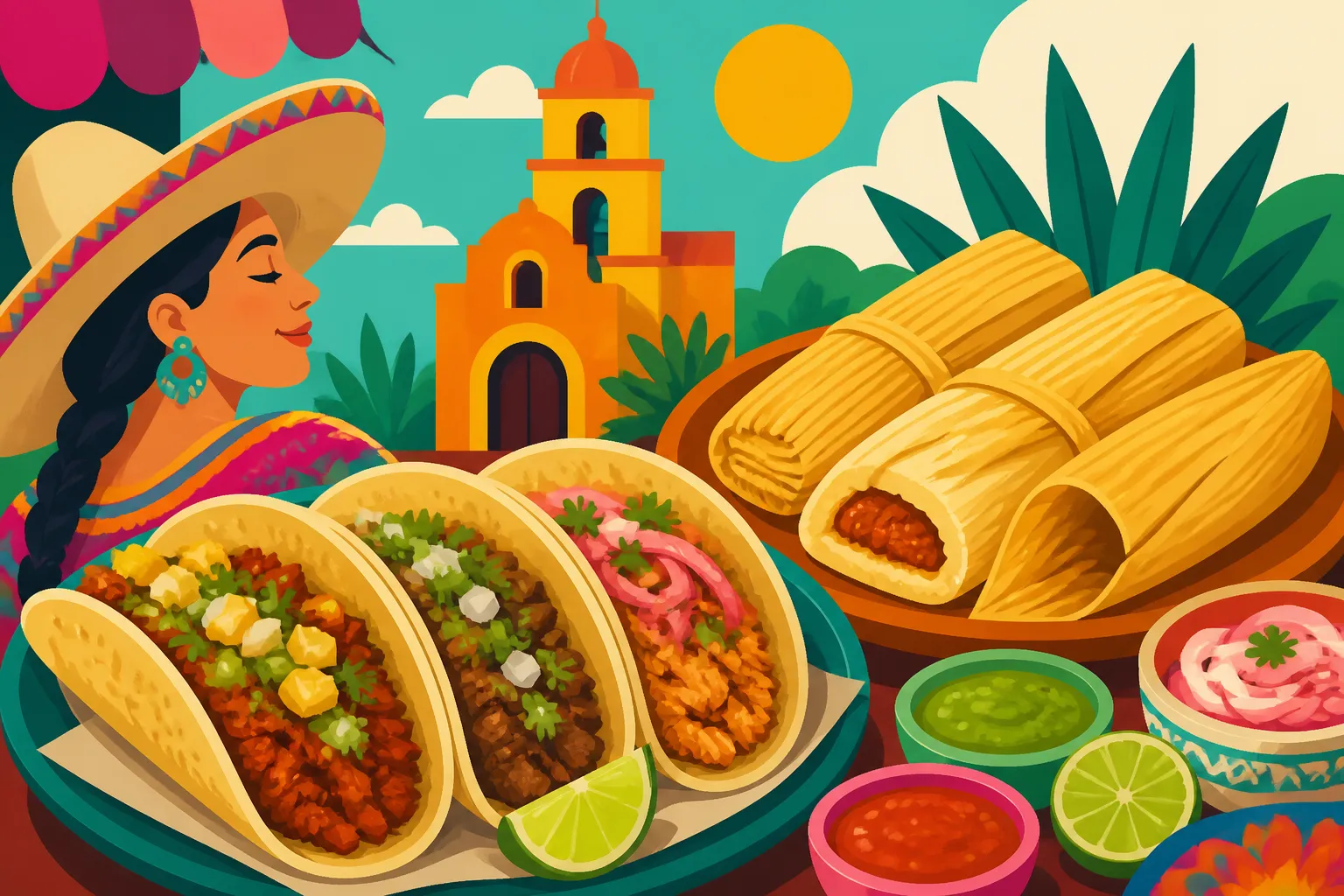
Street Food in Mexico: Tacos, Tamales, and More
One of the most exciting, yet sometimes intimidating, aspects of arriving in Mexico is diving into the vibrant world of street food. Many new expats and tourists eye those bustling taco stands or esquite carts with a mix of curiosity and apprehension, wondering if it's truly safe or how to even navigate the dizzying array of options. Fear not, fellow food adventurers! This guide is your passport to confidently exploring Mexico's incredible street food scene, from the beloved tacos al pastor to the savory tamales and everything in between, helping you savor every authentic bite.
Disclosure: This post may contain affiliate links. We may earn a commission at no extra cost to you if you make a purchase through these links. Read full disclosure.
The Heartbeat of Mexican Culture: Why Street Food Matters
For many, Mexican street food isn't just a quick bite; it's a way of life, an integral part of the country's social fabric and daily rhythm. You'll find vendors at every corner, outside metro stations, near markets, and congregating in lively squares, each offering a glimpse into the local palate and traditions. It's an experience that transcends mere sustenance, becoming a vibrant cultural immersion.
More Than Just Food: A Social Experience
Forget your notions of formal dining. Street food in Mexico is inherently social. It’s where neighbors catch up, friends grab a late-night snack after a concert, and families enjoy an affordable meal together. The atmosphere is often lively and informal, with the sizzle of meat on a comal, the chatter of vendors, and the aroma of chilies and fresh tortillas filling the air. You might find yourself standing shoulder-to-shoulder with locals, all sharing in the communal joy of delicious, freshly prepared food. It’s an immediate connection to the local culture, far removed from any tourist trap. This communal aspect is something you simply can't replicate in a sit-down restaurant, and it's a huge part of its charm. Learning to Understand Mexican Etiquette and Customs: Do's and Don'ts for New Expats will definitely enhance your experience.
The Affordable and Authentic Meal
One of the undeniable advantages of street food is its incredible affordability. You can often enjoy a hearty, flavorful meal for a fraction of the cost of a restaurant dish. This makes it an excellent option for budget-conscious travelers and expats alike. But beyond the price, street food offers unparalleled authenticity. These recipes have been passed down through generations, perfected by vendors who specialize in just a few items, often using locally sourced ingredients and time-honhonored techniques. You're tasting Mexico's culinary heritage, pure and unadulterated. From the fresh salsas made daily to the hand-pressed tortillas, you're getting a true taste of home-style Mexican cooking, often with regional variations that you won't find anywhere else. This is where you truly discover the diverse flavors that define Mexican Regional Cuisine: How Food Changes Across Mexico.
Navigating the Street Food Scene: Safety and Smarts
The thought of street food can sometimes bring with it a nagging worry about hygiene and potential stomach issues. And while it's true that you need to be mindful, a little common sense goes a long way. Most vendors operate with practices that ensure their food is fresh and safe, relying on repeat local business. With a few smart tips, you can enjoy Mexico's street food confidently and minimize any risks.
How to Spot a Good Stand (and Avoid the Not-So-Good)
The key to a great street food experience is choosing the right stand. First and foremost, follow the crowds. If a stand has a line of locals, it's usually a good sign that the food is not only delicious but also fresh, as high turnover means ingredients don't sit around for long. Look for vendors who are actively cooking and preparing food to order. Steam rising from hot food is also a good indicator, as heat kills most bacteria. Observe their hygiene: do they handle money and food with different hands or use gloves? Are the condiments covered, and are the sauces refilled regularly? Does the vendor use clean plates or serve on fresh parchment paper? These small details can make a big difference. Avoid places where food looks like it's been sitting out for hours, especially meat or seafood. When it comes to Staying Healthy in Mexico: Essential Tips for Food, Water, and Preventive Care, these observations are your best defense.
Your Montezuma's Revenge Survival Guide
Even with the best precautions, sometimes your stomach might need a little time to adjust to new flavors and microbes. To minimize the chances of getting "Montezuma's Revenge," there are a few golden rules. Stick to cooked foods and avoid raw vegetables (unless you've seen them rinsed with purified water) or fruits that aren't peeled. Always opt for bottled water or agua fresca made with purified water, and make sure ice isn't just frozen tap water. If you're sensitive, ask for your food sin salsa (without sauce) and add your own from a clean, covered container. If you do find yourself with an upset stomach, mild symptoms often pass quickly. Over-the-counter remedies like Imodium or Pepto-Bismol can provide relief, and rehydration salts are your friend. Remember, prevention is key, but don't let fear keep you from enjoying the culinary adventure. Knowing Traveler’s Diarrhea (Montezuma’s Revenge): Prevention and Treatment is important for any visitor.
A Culinary Journey: Essential Mexican Street Foods to Try
Mexico’s street food offerings are incredibly diverse, a reflection of its rich history and regional traditions. While tacos might be the most famous, there’s a whole universe of flavors waiting to be explored, each dish telling a story of its origins.
Tacos: The Ubiquitous King
Ah, tacos. The word itself conjures images of vibrant street life and irresistible flavors. But calling something a "taco" in Mexico is like calling something a "sandwich" elsewhere – it barely scratches the surface. There are countless varieties, each with its own loyal following and distinct preparation.
- Tacos al Pastor: These are perhaps the most iconic street tacos, especially in Mexico City. Marinated pork, often with pineapple, is cooked on a vertical spit called a trompo, similar to Middle Eastern shawarma. The meat is thinly sliced directly onto a small corn tortilla, then topped with finely chopped onion, cilantro, and a dash of salsa. The pineapple adds a sweet, tangy counterpoint that is simply divine. You'll recognize these stands by the towering, spinning cone of meat, often with a dedicated slicer who expertly carves off each piece.
- Tacos de Suadero: Another Mexico City favorite, suadero is a thin cut of beef (often from the brisket area) that’s slow-cooked until incredibly tender, sometimes in its own fat. It’s then chopped finely and served on soft tortillas, often crisped up slightly on the comal with the meat’s juices. The flavor is rich and deeply savory, a pure comfort food.
- Tacos de Carnitas: Hailing from Michoacán, carnitas are pork pieces (often various cuts like ribs, belly, or shoulder) slow-cooked in their own lard for hours until fork-tender and slightly crispy. The result is succulent, flavorful meat that practically melts in your mouth. They're typically served simply with lime, cilantro, and onion, allowing the pork’s incredible flavor to shine. These are particularly popular for breakfast or lunch.
- Tacos de Cochinita Pibil: A true Yucatán specialty, cochinita pibil is pork marinated in achiote (for its distinctive red color and earthy flavor) and sour orange juice, then slow-roasted in a banana leaf-wrapped pit oven (traditionally underground). The resulting meat is incredibly tender and flavorful. It's often served on tortillas with pickled red onion (cebolla encurtida) and fiery habanero salsa. This is a must-try if you're exploring The Yucatán Peninsula: Beaches, Ruins, and Cenotes.
- Tacos de Barbacoa: Traditionally made with lamb or goat, barbacoa is slow-cooked in an underground pit until exceptionally tender and smoky. It’s a weekend tradition, especially in central Mexico, often served with rich, flavorful broth (consomé) from the cooking process. The meat is so tender it falls apart, offering a deep, earthy flavor that's truly unique.
Tamales: A Mesoamerican Legacy
Tamales are ancient, dating back to Mesoamerican times, and they remain a beloved staple across Mexico. These steamed packets of masa (corn dough), filled with savory or sweet ingredients, and wrapped in corn husks or banana leaves, are a quintessential Mexican comfort food.
- Corn Husk Tamales: These are the most common type you'll encounter. The masa is usually fluffy and light, filled with a variety of options like pork in red or green salsa, chicken in mole, or sometimes cheese with rajas (strips of poblano chili). Sweet versions might contain pineapple, raisins, or cinnamon. They're steamed in large pots and often sold from street carts, especially in the mornings. You unwrap the husk and eat the delicious steamed filling.
- Banana Leaf Tamales (Tamales Oaxaqueños): Particularly popular in southern Mexico, especially Oaxaca, these tamales have a denser masa and are wrapped in banana leaves, which impart a subtle, earthy flavor. Common fillings include chicken or pork in a rich mole sauce. The banana leaf also allows for a larger, more substantial tamale. They are a cornerstone of Oaxaca: Food, Crafts, and Culture. Vendors often sell them hot and ready to eat, and they make for a truly satisfying meal.
Beyond Tacos and Tamales: Other Must-Try Delights
While tacos and tamales are king, the Mexican street food kingdom is vast and varied. Don't be afraid to venture beyond the familiar to discover other delicious treats.
- Tortas: Imagine a Mexican sandwich, but elevated. Tortas are typically made on a crusty white roll called a telera (or sometimes bolillo), sliced open and filled with a dazzling array of ingredients. Common fillings include milanesa (breaded fried steak or chicken), pierna (roasted pork leg), ham and cheese, or carnitas. They're often dressed with avocado, tomato, onion, pickled jalapeños, and a smear of refried beans or mayonnaise. A torta ahogada from Guadalajara, literally a "drowned sandwich," is a specialty where the entire sandwich is submerged in a spicy tomato-chili sauce – a truly unforgettable (and messy) experience!
- Esquites and Elotes: These corn-based snacks are hugely popular. Elotes are grilled corn on the cob, typically slathered with mayonnaise, crumbled cotija cheese, chili powder, and a squeeze of lime juice. Esquites are essentially the same ingredients, but the corn kernels are cut off the cob and served in a cup, often sautéed with epazote, and then topped with the mayo, cheese, chili, and lime. Both are incredibly flavorful and addictive.
- Quesadillas (with or without cheese!): This is where things get interesting and sometimes controversial, depending on where you are. In much of Mexico, a quesadilla is a folded tortilla (corn or flour) filled with a variety of ingredients, and may or may not include cheese. In Mexico City, for instance, you have to specifically ask for "quesadilla con queso" if you want cheese! Fillings can include huitlacoche (corn smut, a delicacy), flor de calabaza (squash blossoms), chicharrón (fried pork rind), mushrooms, or potatoes. They are often cooked on a comal until the filling is hot and the tortilla is lightly crisped.
- Sopes: These are thick, small corn tortillas with pinched edges, creating a little "cup." They are lightly fried, then topped with a smear of refried beans, crumbled cheese, sometimes meat (like chorizo or carnitas), lettuce, onion, and salsa. They offer a fantastic textural contrast with the soft masa base and crispy edges.
- Huaraches: Similar to sopes but larger and elongated (like a sandal, hence the name, huarache), these masa bases are often topped with refried beans, a variety of meats, cheese, lettuce, and salsa. They are a substantial and satisfying meal.
- Gorditas: Another masa-based delight, gorditas are thick corn tortillas that are split open like a pita bread and then stuffed with various fillings such as chicharrón prensado (pressed pork rind), cheese, beans, or stewed meats. They are often fried until golden and crispy on the outside, soft and savory on the inside.
- Churros: For those with a sweet tooth, churros are a perfect end to a street food feast. These fried dough pastries, usually ridged, are dusted with cinnamon sugar and sometimes served with chocolate sauce or cajeta (caramelized goat's milk) for dipping. You'll often find them sold by vendors with large, specialized fryers.
- Marquesitas: If you find yourself in the Yucatán Peninsula, keep an eye out for marquesitas. These are crispy crepes, rolled up like a cigar, and traditionally filled with queso de bola (Edam cheese). Modern versions often include Nutella, cajeta, or fruit, creating a delicious sweet and savory combination. A great local treat, often found at evening markets. If you're looking for Where to Experience Day of the Dead in Mexico or other festivals, you'll often find these sweet treats readily available.
Mastering the Art of Ordering and Enjoying
Approaching a busy street food stand can feel a little chaotic at first, especially if your Spanish isn't fluent. But with a few key phrases and an understanding of the local customs, you'll be ordering like a seasoned pro in no time. Don't be shy; vendors are generally very friendly and patient.
Essential Spanish Phrases for Your Street Food Adventure
Having a few Spanish phrases up your sleeve will not only make ordering easier but also show respect for the local culture. Even a little effort goes a long way!
- "Hola, ¿me da un taco al pastor, por favor?" – "Hello, can I have a taco al pastor, please?" (Or substitute with whatever you want!)
- "¿De qué tiene?" – "What do you have (as fillings)?" (Useful if you're unsure of the options).
- "¿Qué es esto?" – "What is this?" (Point to a dish you're curious about).
- "Con todo, por favor." – "With everything, please." (This means all the standard toppings like onion, cilantro, and sometimes salsa. Be careful with salsa if you don't know the spice level!)
- "Sin cebolla/cilantro/salsa, por favor." – "Without onion/cilantro/salsa, please." (If you have dietary preferences or are spice-averse).
- "¿Pica mucho?" – "Is it very spicy?" (A crucial question!)
- "Una más, por favor." – "One more, please." (If you want another of the same item).
- "La cuenta, por favor." – "The bill, please." (Though at many stands, you just pay when you're done, or even before you eat for smaller items).
- "Gracias." – "Thank you." (Always appreciated!).
- "Provecho!" – "Enjoy your meal!" (A common courtesy to say to others eating).
Remember, Survival Spanish for Travelers in Mexico: Key Phrases can make your entire trip, not just your meals, much smoother.
Condiments and Salsas: Your Flavor Palette
The magic of Mexican street food often lies in its condiments and salsas. A basic taco can be transformed into a culinary masterpiece with the right additions. You'll typically find a variety of options, from mild to fiery, and knowing how to navigate them is part of the fun.
- Salsas: These are the heart and soul of Mexican cuisine. You'll usually find at least two or three types at any given stand.
- Salsa Roja (Red Sauce): Often tomato or chili-based, it can range from mild and smoky to intensely spicy. Common chilies include árbol, guajillo, or chipotle.
- Salsa Verde (Green Sauce): Typically made with tomatillos (Mexican green tomatoes), cilantro, and green chilies like serrano or jalapeño. It can be tangy and refreshing, or surprisingly hot.
- Pico de Gallo: A fresh, chunky salsa made from diced tomato, onion, cilantro, and jalapeño. It's usually mild and adds a burst of freshness.
- Salsa de Aguacate (Avocado Salsa): This isn't guacamole, but a thinner, often spicier salsa made with avocado, green chilies, and tomatillos. It adds creaminess and a lovely kick.
- Lime (Limón): A squeeze of fresh lime juice is practically mandatory for most street foods. It brightens flavors and cuts through richness. Always available, always use it!
- Chopped Onion and Cilantro: These fresh herbs are standard toppings, adding crunch and aromatic freshness.
- Radishes (Rábanos): Often served on the side, radishes offer a crisp, peppery bite that cleanses the palate.
- Pickled Onions (Cebolla Encurtida): Especially with Yucatecan dishes like cochinita pibil, these vibrant pink pickled onions add a tangy, slightly sweet counterpoint.
Don't be afraid to try a little of each salsa, but always start small! Some are deceptively hot. A good rule of thumb: if it looks very bright orange or dark red and oily, proceed with caution! When thinking about How to Eat Tacos Like a Local in Mexico, getting your salsa game right is paramount.
Regional Street Food Specialties: A Taste of Mexico's Diversity
Mexico is a vast country with a rich culinary tapestry, and its street food varies significantly from one region to another. Exploring these regional differences is an adventure in itself, allowing you to taste the unique flavors and ingredients that define each state.
Central Mexico's Urban Bites
Central Mexico, especially Mexico City, is a melting pot of culinary traditions from across the country, but it also boasts its own unique street food identity. Here, efficiency meets flavor, catering to the fast pace of urban life.
- Tacos de Canasta (Basket Tacos): These are soft, steamed tacos, often filled with simple stews like papa con chorizo (potato with chorizo), beans, or chicharrón. They are prepared in advance, placed in a basket lined with plastic and a cloth, and then "sweated" (steamed by their own heat and a little oil) to become incredibly soft and infused with flavor. Vendors often ride bicycles with baskets on the front, selling them to hungry office workers.
- Tlacoyos: An ancient pre-Hispanic dish, tlacoyos are oval-shaped, thick corn tortillas traditionally stuffed with beans, cheese, or haba (fava bean) paste, then cooked on a comal. They are often topped with nopalitos (cactus pads), cheese, and salsa. They make for a substantial and rustic breakfast or lunch.
- Pambazos: These are unique sandwiches made with bread rolls that have been dipped in a red guajillo chili sauce and then lightly fried. They are typically filled with potatoes and chorizo, lettuce, cheese, and cream. The bread is soft and savory, infused with the chili flavor, making it distinct from a regular torta. You'll find these at many markets and street stalls, particularly good in the cooler months.
Central Mexico's street food scene is endlessly dynamic, a true testament to the daily rhythm of millions. For an extensive look at dining and shopping, checking out Mexican Markets and Food Halls for Visitors is highly recommended. You can also book specialized food tours in Mexico City through platforms like Viator, which often highlight the very best and safest street food vendors, ensuring you get an authentic taste without the guesswork.
Yucatán's Unique Flavors
The Yucatán Peninsula has a distinct culinary heritage, heavily influenced by its Mayan roots and Caribbean connections. The flavors are often characterized by sour orange, achiote, and milder chilies (though habaneros are king for heat).
- Panuchos and Salbutes: These are fried corn tortillas. A panucho is distinguished by being refried with a layer of refried black beans inside, then topped with cochinita pibil or shredded turkey, pickled red onions, and avocado. Salbutes are similar but are simply puffy fried tortillas (without the beans inside), topped with the same delicious ingredients. Both are light, crispy, and incredibly flavorful, perfect for a humid day.
- Sopa de Lima: While not strictly street food, you'll often find this refreshing lime soup sold in smaller, informal eateries or market stalls. It's a clear chicken broth infused with lime, shredded chicken, and crispy tortilla strips. It’s a wonderfully tangy and comforting dish, perfect as a light lunch.
- Empanadas de Cazón: If you're near the coast, you might find empanadas (fried turnovers) filled with cazón (dogfish shark) stewed in a delicate sauce. They offer a taste of the region's abundant seafood.
If you're planning to travel around the peninsula, Domestic Flights in Mexico: Airlines and Booking Tips or Long-Distance Buses in Mexico: ADO and Premium Lines booked via platforms like Busbud can easily get you to cities like Mérida or Cancún where these specialties thrive.
Oaxaca's Culinary Wonders
Oaxaca is often called Mexico's culinary capital, and its street food scene is legendary. The flavors here are complex, earthy, and deeply rooted in indigenous traditions, with moles, corn, and unique ingredients taking center stage.
- Tlayudas: Often dubbed "Mexican pizzas," tlayudas are large, thin, crispy corn tortillas, usually partially dried on a comal to give them a unique texture. They are spread with a thin layer of asiento (unrefined pork lard), refried beans, then topped with Oaxaca cheese (quesillo), cabbage or lettuce, and often grilled meat like tasajo (thinly sliced beef), cecina (salted pork), or chorizo. They are folded in half and grilled over charcoal, making them smoky and incredibly satisfying.
- Memelas: Similar to sopes but flatter and without the pinched edge, memelas are thick corn tortillas spread with asiento and topped with cheese, beans, and salsa. Simple, yet profoundly flavorful, especially when fresh off the comal.
- Chapulines (Grasshoppers): This might sound adventurous, but chapulines are a beloved Oaxacan snack. These small grasshoppers are toasted on a comal with garlic, lime, and chili, giving them a delightful crunchy texture and a tangy, savory, and spicy flavor. You'll find them sold by vendors in markets or small bags as a snack. Don't knock 'em 'til you try 'em!
- Caldo de Piedra (Stone Soup): While not typically sold on the street, some small, traditional eateries will offer this pre-Hispanic dish. It's a clear broth with fish and vegetables, cooked by dropping red-hot stones directly into the pot. It’s a unique culinary spectacle and a taste of ancient Mexico.
Booking your accommodation near a lively market or a central plaza through Booking.com can ensure you're right in the thick of Oaxaca's incredible street food scene, making it easy to sample these delights day and night.
Popular Mexican Street Food Table
To help you keep track of all these delicious options, here's a quick reference table of some of Mexico's most popular street foods:
| Street Food Item | Main Ingredients | Common Regions | Best Time to Eat |
|---|---|---|---|
| Tacos al Pastor | Marinated pork, pineapple, onion, cilantro, tortilla | Central Mexico (Mexico City) | Lunch, Dinner, Late Night |
| Tamales | Masa, various fillings (meat, cheese, sweet), corn/banana leaf | All over Mexico | Breakfast, Lunch |
| Elotes/Esquites | Corn, mayo, cheese, chili powder, lime | All over Mexico | Afternoon, Evening |
| Tortas | Bread roll, various fillings (milanesa, carnitas), avocado, tomato | All over Mexico | Lunch, Dinner |
| Quesadillas | Tortilla, various fillings (cheese optional!), salsa | All over Mexico | Lunch, Dinner |
| Sopes/Huaraches | Masa base, beans, cheese, meat, lettuce, salsa | Central & Southern Mexico | Lunch, Dinner |
| Cochinita Pibil | Achiote-marinated pork, pickled onion, tortilla | Yucatán Peninsula | Breakfast, Lunch |
| Tlayudas | Crispy tortilla, beans, cheese, meat, cabbage, salsa | Oaxaca | Dinner, Late Night |
| Churros | Fried dough, cinnamon sugar, chocolate/cajeta | All over Mexico | Dessert, Anytime Sweet Craving |
| Marquesitas | Crispy crepe, Edam cheese, Nutella/cajeta | Yucatán Peninsula | Evening Snack |
Exploring Mexican street food is an adventure for your taste buds, a journey into the heart of the country's culture and traditions. Don't be afraid to step out of your comfort zone, try new things, and engage with the friendly vendors. With these tips and a spirit of culinary curiosity, you're ready to savor the incredible flavors that make Mexican street food truly world-renowned. Enjoy every bite, and ¡Buen Provecho!
Disclaimer
Please remember that while this guide provides general advice and information, personal experiences with street food can vary. Always use your best judgment when selecting vendors and be mindful of your own dietary needs and sensitivities. Local regulations and conditions can change, so staying informed is always a good idea.