How to Pay Less in Bank Fees in Mexico
Watching your hard-earned money vanish into a black hole of "comisiones" is a rite of passage for every newcomer in Mexico. I still remember the sinking feeling in my gut when I checked my first statement in Mérida and realized I’d spent nearly fifty dollars just on ATM fees and "account management." This guide solves that frustration by detailing exactly how to navigate the Mexican banking landscape to keep your pesos where they belong: in your pocket.
Disclosure: This post may contain affiliate links. We may earn a commission at no extra cost to you if you make a purchase through these links. Read full disclosure.
The Hidden Costs of Mexican Banking and How to Dodge Them
When you first land in Mexico, the banking system can feel like a maze designed to nibble away at your balance. Between ATM fees, monthly maintenance charges, and the dreaded "non-client" surcharges, it is easy to lose a significant percentage of your budget to administrative fluff. To start on the right foot, you need to understand that Mexican banks operate very differently from those in the US, Canada, or Europe.
Understanding the ATM Fee Structure
In Mexico, ATMs (cajeros automáticos) are everywhere, but they are not created equal. If you use an ATM from a bank where you don't have an account, you will be hit with a "comisión por retiro" (withdrawal fee). These range from 25 pesos to over 100 pesos depending on the bank and the location. For example, ATMs in high-traffic tourist zones like the Quinta Avenida in Playa del Carmen or the Romantic Zone in Puerto Vallarta often charge significantly higher fees than a branch ATM in a residential neighborhood.
To minimize these costs, the most effective strategy is to use ATMs belonging to your own bank. If you haven't opened a local account yet and are using a foreign card, look for banks with "multibanco" alliances. Some banks, like Scotiabank or Banco del Bajío, have agreements that allow for lower fees. However, the golden rule for expats is to withdraw the maximum amount allowed in a single transaction to spread that fixed fee over a larger sum of pesos. If you are still in the planning stages, learning Using ATMs in Mexico: Avoiding Fees and Staying Secure is essential to avoid the most common pitfalls.
Avoiding Monthly Account Maintenance Charges
Many traditional Mexican banks, such as BBVA, Santander, and Banorte, require a "saldo promedio mensual" (monthly average balance) to waive maintenance fees. If your balance dips even a few pesos below this threshold, you might see a charge of 150 to 300 pesos appearing on your statement. When I first opened my account, I didn't realize that certain "premium" accounts had much higher balance requirements, leading to unnecessary monthly drains.
Always ask for a "cuenta de nómina" or a basic "cuenta de ahorros" with no commissions. Under Mexican law, every bank is required to offer a basic account that has no maintenance fees, though they rarely advertise these to foreigners. You might need to insist or bring a Spanish-speaking friend to help you navigate the conversation with the "ejecutivo de cuenta." Understanding the nuances of How to Open a Bank Account in Mexico: Requirements and Tips will give you the leverage you need to demand the low-fee options you are entitled to.
Smart Money Transfers and Currency Exchange
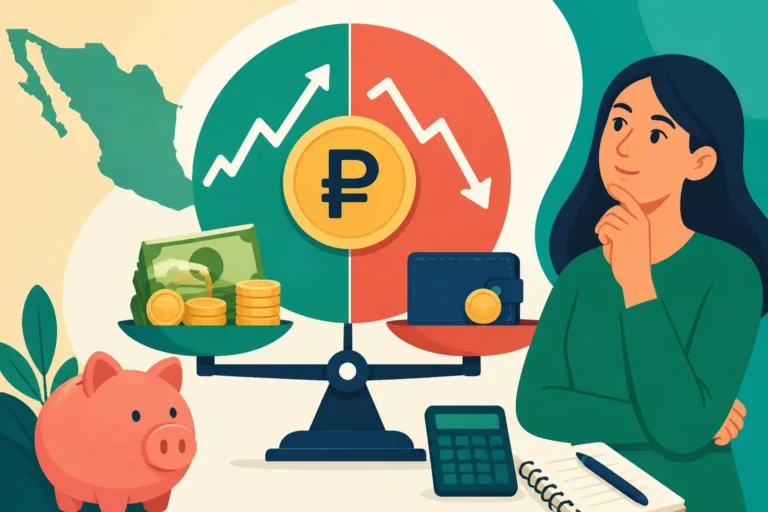
The real "fee killer" for most expats isn't the monthly account charge; it’s the exchange rate spread. When you move money from your home country to Mexico, banks often hide their profit in a poor exchange rate rather than a transparent fee. This can cost you 3% to 5% of every transfer, which adds up to thousands of dollars over a year of living abroad.
Moving Money Across Borders Without Losing a Fortune
Traditional wire transfers via SWIFT are notoriously expensive. You get hit with an outgoing fee from your home bank, a potentially terrible exchange rate, and an incoming fee from the Mexican bank. To bypass this, many savvy expats use third-party transfer services. One of the most reliable options is Wise, which uses the mid-market exchange rate and charges a transparent, low fee.
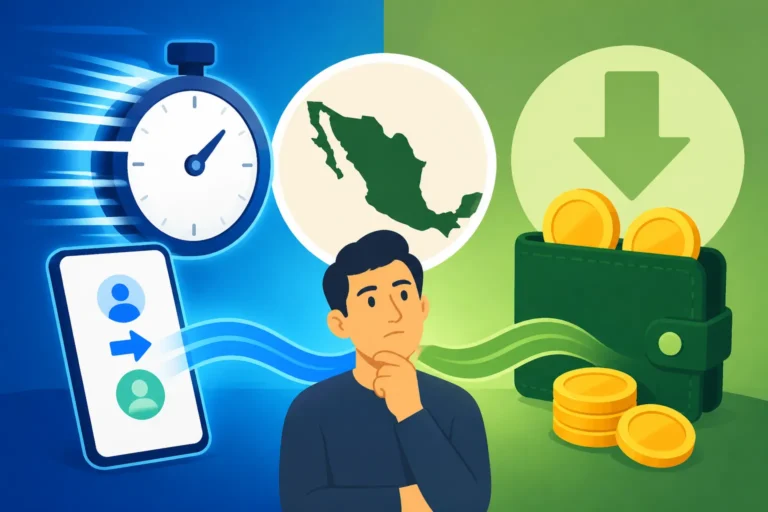
By using Wise, you can send money to a Mexican bank account via the SPEI system (Sistema de Pagos Electrónicos Interbancarios). SPEI is Mexico's near-instant electronic funds transfer system, and the best part is that it is almost always free for the receiver. I’ve found that using Wise to fund my local BBVA account for rent and utilities saves me enough every month to cover several nice dinners out. It’s about being strategic with how you bridge your home economy with your new life in Mexico.
The Accept Exchange Rate Trap at ATMs
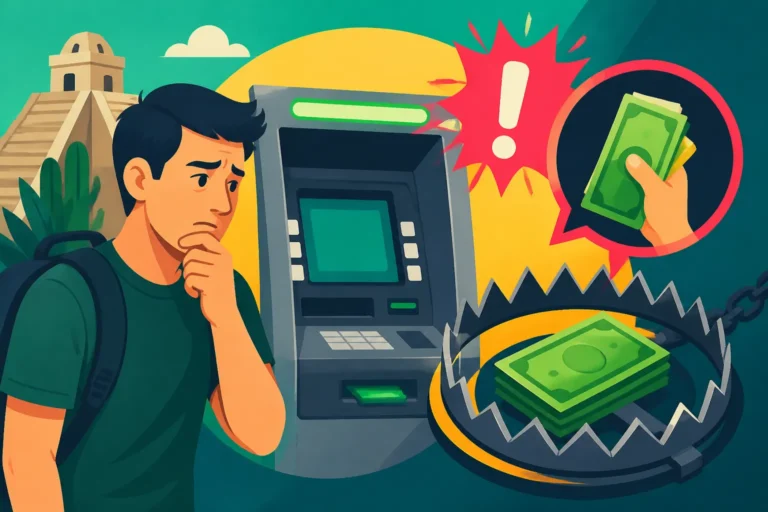
This is perhaps the most expensive mistake a tourist or new expat can make. When you insert a foreign card into a Mexican ATM, the machine will often ask: "Would you like to accept our conversion rate?" It will show you a rate that looks official, along with the amount in your home currency. Always click "Decline Conversion."
When you decline the ATM's conversion, the transaction is processed in pesos, and your home bank performs the conversion at their rate, which is almost universally better than the ATM's predatory rate. By clicking "Accept," you are essentially giving the Mexican bank a 5% to 10% tip. I have seen friends lose 800 pesos on a single withdrawal simply because they were in a rush and clicked "Yes" to the conversion. For more on managing your daily spending efficiently, check out Managing Your Money in Mexico: Budgeting, Saving, and Currency Tips.
Choosing the Right Financial Tools for Expat Life
The banking landscape in Mexico is changing rapidly. While the big traditional banks are still the heavyweights, a new wave of fintech companies (neobanks) is making life much cheaper for residents.
Traditional Banks vs. Fintech Solutions
If you have your residency and an RFC (tax ID), you should look into neobanks like Nu or Klar. These platforms are incredibly popular among the younger Mexican population and expats alike because they generally have zero account opening fees, zero monthly maintenance fees, and offer much better apps than the traditional giants.
Traditional banks still have their place, especially if you need to deposit cash frequently or if you are looking for Mortgage Options for Expats: Financing a Property Purchase in Mexico. However, for daily spending, a fintech card can save you a bundle on "handling fees." Furthermore, these digital banks often offer "cajitas" or savings pockets with high interest rates that actually beat inflation, something you won't find with a standard BBVA checking account.
Managing Daily Spending and Credit Card Fees
Mexican credit cards can be a double-edged sword. While they are great for building local credit, the "anualidad" (annual fee) can be quite high, often ranging from 600 to over 5,000 pesos for premium cards. Unless you are spending enough to justify the rewards, stick to a "no-annuity" card.
Many stores in Mexico also offer "Meses Sin Intereses" (MSI), which allows you to split large purchases into interest-free monthly installments. This is a fantastic way to manage cash flow without paying bank interest, provided you have a Mexican credit card. Just be wary of the small "service fees" some smaller retailers might try to tack on for credit card payments—it is often illegal, but it happens. If you find yourself struggling with the paperwork involved in these financial choices, reviewing Dealing With Hacienda (SAT) as a Foreigner can help clarify your obligations.
Practical Strategies to Minimize Recurring Costs
Beyond the banks themselves, how you manage your financial footprint in Mexico can impact your bottom line. Integration with the local tax system and being aware of reporting requirements are key to avoiding "fees" that come in the form of government penalties.
Navigating Tax Implications of Your Banking Choices
As an expat, your banking choices aren't just about the fees the bank charges; they are also about the compliance costs. If you are a US citizen, for instance, you are required to report foreign bank accounts over a certain threshold via FBAR and FATCA. Failure to do this can lead to astronomical penalties that dwarf any ATM fee you’ve ever paid.
Working with a specialized service like Taxes for Expats can ensure that your Mexican bank accounts are properly disclosed to the IRS. I’ve found that the peace of mind provided by Taxes for Expats is worth every penny, as they understand the specific intersection of Mexican banking and US tax law. They can help you understand how having a local account affects your Taxes in Mexico for Expats: A Complete Guide to Income Tax and More.
Leveraging No-Fee Options and Discounts
| Fee Type | Traditional Bank Cost | Fintech / Smart Strategy | Potential Annual Saving |
|---|---|---|---|
| ATM Withdrawal | 30 – 100 Pesos | $0 (using partner ATMs or local accounts) | 3,600+ Pesos |
| Monthly Maintenance | 150 – 300 Pesos | $0 (Fintech or Basic Accounts) | 2,400+ Pesos |
| Currency Exchange | 3% – 7% Spread | 0.5% – 1% via Wise | 10,000+ Pesos (on $10k USD) |
| Foreign Transaction | 1% – 3% | $0 (using a local MXN card for local spend) | 2,000+ Pesos |
By combining a local neobank account for daily spending with Wise for international transfers, you create a low-cost financial ecosystem. This allows you to avoid the high "international usage fees" your home bank might charge and the "foreign client fees" Mexican banks love to impose.
Another tip: always pay your utility bills through the bank app rather than at an OXXO. Paying via the bank app is free, whereas paying at a convenience store like OXXO usually carries a small "comisión" of 10 to 15 pesos. It sounds like a small amount, but over 20 years of paying light, water, gas, and internet, it adds up. For more ways to save, take a look at Money-Saving Tips: How Expats Can Cut Costs Living in Mexico.
Finally, keep an eye on your "CLABE." This is your 18-digit interbank clabe number that allows anyone in Mexico to send you money for free via SPEI. Instead of having someone write you a check (which can take days to clear and may involve a fee), have them send a transfer. It is safer, faster, and cheaper. If you are ever unsure about the terminology, What Is a CLABE? Understanding Mexican Bank Account Numbers is a great resource to keep bookmarked.
Important Disclaimer
The information provided in this article is for informational purposes only and does not constitute financial, legal, or tax advice. Banking regulations, fee structures, and tax laws in Mexico and your home country are subject to frequent changes. Always consult with a qualified financial advisor, a certified accountant such as Taxes for Expats, or a legal professional before making significant financial decisions or opening offshore accounts. The author and publisher are not responsible for any financial losses or legal issues arising from the use of this information.