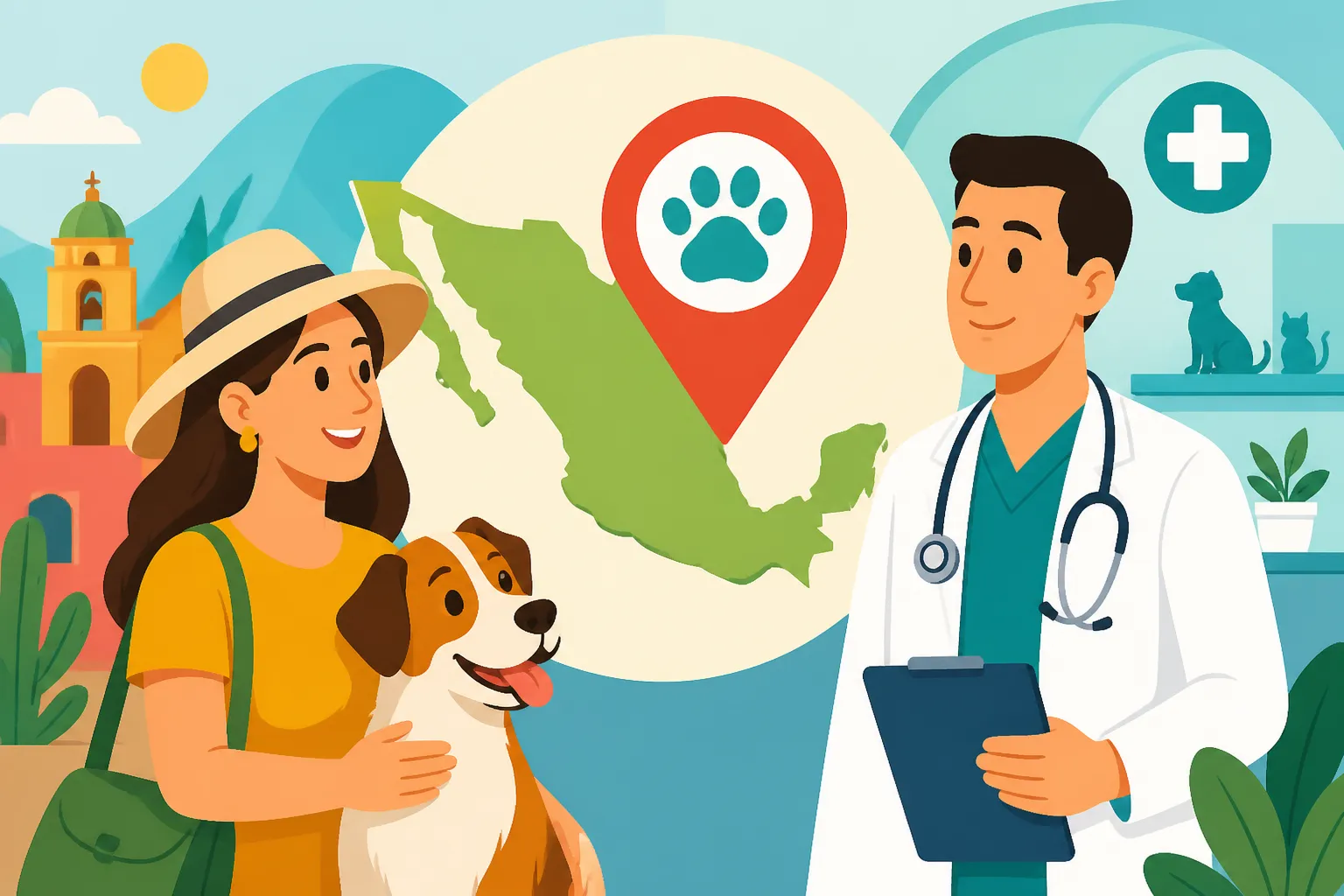
How to Find a Veterinarian in Mexico for Your Pet
Moving to Mexico with a furry companion is one of the most rewarding ways to start your expat journey, but it comes with a terrifying realization the first time your dog eats a mysterious street taco or your cat starts lethargically hiding under the bed. I remember the sheer panic I felt when my golden retriever, Barnaby, developed a sudden limp in a small town in Oaxaca and I realized I didn't have a single local veterinary contact saved in my phone. This guide solves that problem by walking you through the nuances of finding, vetting, and building a relationship with a veterinarian in Mexico.
Disclosure: This post may contain affiliate links. We may earn a commission at no extra cost to you if you make a purchase through these links. Read full disclosure.
Why You Need a Local Vet Before the Emergency Hits
In the United States or Canada, we are accustomed to a highly regulated, often corporate-driven veterinary system where a quick Google search usually yields a high-end clinic with a standard fee structure. In Mexico, the landscape is much more fragmented, varying wildly from state-of-the-art hospitals in Mexico City to humble, one-room clinics in rural villages. If you wait until a midnight emergency to find a vet, you are setting yourself up for unnecessary stress.
The first thing you should do upon arriving in your new neighborhood is a "vet reconnaissance" mission. Walk your dog around the block and look for signs that say Veterinaria or Consultorio Veterinario. Establishing a relationship early means that when you do have a crisis, the doctor already has your pet’s records on file and, more importantly, you have their personal WhatsApp number—the lifeblood of communication in Mexico. While you are busy securing your own health through providers like SafetyWing for your initial travel days or Cigna Global for your long-term residency, your pet needs a localized safety net that only a neighborhood vet can provide.
Types of Veterinary Facilities in Mexico
Understanding the hierarchy of pet care in Mexico will help you manage your expectations regarding service, equipment, and cost.
Small Neighborhood Clinics (Consultorios)
These are the most common. Often run by a single doctor, these clinics are perfect for routine check-ups, vaccinations, and minor ailments. The equipment may be limited—they might not have an in-house X-ray machine or a full surgical suite—but they are the backbone of pet care here. These vets are often deeply embedded in the community and offer a level of personal care that is hard to find elsewhere.
24-Hour Animal Hospitals (Hospitales Veterinarios)
In larger cities like Guadalajara, Monterrey, or Querétaro, you will find 24-hour hospitals. These facilities are comparable to what you would find in Europe or North America, featuring specialized staff, advanced diagnostics, and overnight stays. If your pet requires major surgery or intensive care, these are your go-to locations. It is worth noting that Medical Emergencies in Mexico: What Expats Should Know and Prepare applies to pets just as much as humans; knowing the route to the nearest 24-hour hospital before you need it is vital.
Mobile Vets (Veterinarios a Domicilio)
For expats living in dense urban areas like Roma or Condesa in Mexico City, or for those with pets that get highly stressed by car rides, mobile vets are a fantastic option. They come to your home for vaccinations, blood draws, and basic consultations. Many of these doctors are younger, highly tech-savvy, and often speak excellent English.
How to Find the Best Vet in Your Town
Finding a vet is less about an official registry and more about the "expat grapevine."
Leveraging Local Knowledge
The most reliable way to find a quality vet is through local Facebook groups or WhatsApp communities. Search for "Expats in [Your City]" and ask for recommendations. Be specific about your needs. Are you looking for someone who specializes in brachycephalic breeds? Do you need a vet who speaks fluent English? You will find that the expat community is incredibly vocal about their experiences.
The Google Maps Strategy
Google Maps is surprisingly accurate in Mexico for finding nearby services. Look for clinics with high ratings, but read the reviews carefully. Look for mentions of "trato humano" (humane treatment) and "precios justos" (fair prices). Once you find a few candidates, visit them in person without your pet first. Check for cleanliness, observe how they interact with other clients, and ask if they have an emergency number.
Professional Credentials
In Mexico, a veterinarian must have a Cédula Profesional (professional license) to practice. Don't be afraid to ask about their education. Many Mexican vets attend prestigious institutions like UNAM (Universidad Nacional Autónoma de México), which has an world-class veterinary program. Just as you would research whether Are Doctors in Mexico Properly Qualified? Understanding Medical Training for your own health, you should feel confident in your vet's background.
The Cost of Veterinary Care: What to Expect
One of the biggest shocks for new expats is how affordable pet care is in Mexico. However, don't let the low prices fool you into thinking the quality is lower. The overhead for running a clinic in Mexico is simply much lower than in the US or Canada.
| Service Type | Estimated Cost (MXN) | Estimated Cost (USD) |
|---|---|---|
| General Consultation | $350 – $700 | $20 – $40 |
| Annual Rabies/Multiple Vaccine | $400 – $600 | $23 – $35 |
| Dental Cleaning (with anesthesia) | $1,500 – $3,500 | $85 – $200 |
| Basic Blood Panel | $800 – $1,200 | $45 – $70 |
| Spay/Neuter (Cat) | $1,000 – $2,000 | $55 – $115 |
| Spay/Neuter (Dog – depends on weight) | $1,500 – $4,500 | $85 – $260 |
Keep in mind that while the services are cheaper, specialized medications imported from abroad can still be pricey. If your pet has a chronic condition, you might find that Managing Chronic Illness in Mexico: Access to Medication and Specialists provides a good parallel for how the supply chain works here. Many expats use Cigna Global to manage their own long-term health costs, allowing them to keep a larger "pet emergency fund" for these out-of-pocket veterinary expenses.
Vaccinations and Preventive Care Specific to Mexico
Mexico presents unique environmental challenges for pets that you might not have dealt with back home.
Endemic Parasites and Diseases
Tick-borne diseases (like Erlichia) and heartworm are prevalent, especially in coastal and tropical areas like Puerto Vallarta or Playa del Carmen. Your vet will likely recommend a rigorous monthly preventive schedule. Additionally, Giardia is common due to the water quality issues. While you are learning Is Tap Water Safe to Drink in Mexico? for your own consumption, remember that your pet should also be drinking filtered or bottled water to avoid intestinal parasites.
The Importance of Rabies Documentation
Mexico takes rabies very seriously. You must keep your pet's "Certificado de Vacunación" up to date and readily available. If you plan to travel within the country, you may need a "Certificado de Salud" (Health Certificate) issued by a licensed vet within 5 to 10 days of your trip. This is a standard procedure, but it requires having a vet you trust who can turn around paperwork quickly.
For a deeper dive into the specific shots your pet needs to thrive in this climate, see our guide on Vaccinating Your Pets in Mexico: Vet Services for Animal Health.
Overcoming the Language Barrier
Unless you are in a major expat hub like Ajijic or San Miguel de Allende, you may encounter vets who speak limited English. Don't let this deter you. Veterinary medicine is visual and tactile. However, having a few key phrases in your pocket will help.
- Mi mascota tiene vómito/diarrea. (My pet has vomiting/diarrhea.)
- No quiere comer. (He/She doesn't want to eat.)
- ¿Cuánto cuesta la consulta? (How much is the consultation?)
- Necesito un certificado de salud para viajar. (I need a health certificate for travel.)
- ¿Tiene servicio de emergencias? (Do you have emergency service?)
If you are worried about communication, you can often find younger vets who are eager to practice their English. Much like Finding English-Speaking Doctors and Specialists in Mexico for yourself, finding a bilingual vet is often a matter of looking in the more modern neighborhoods or near university hospitals.
Pharmacies and Medications for Pets
In Mexico, the line between human and animal pharmacies is often blurred. For many common medications—antibiotics, eye drops, or even certain heart meds—your vet will give you a prescription to fill at a regular human pharmacy like Farmacias del Ahorro or Farmacias Similares.
This is often much cheaper than buying the medication directly from the clinic. You can learn more about how to navigate these stores in our guide on Pharmacies in Mexico: How to Get Medications (OTC vs Prescription). For specialized pet-only medications, large pet store chains like Petco (which has a significant presence in Mexico) or local "Farmacias Veterinarias" will be your best bet.
Emergency Protocols and WhatsApp Culture
In Mexico, the relationship with your vet is often much more personal than in the North. Most vets will give you their personal WhatsApp number. This isn't just for emergencies; it's the standard way to book appointments, ask a quick question about a dose, or send a photo of a weird rash.
If you have a true emergency, call first, but then send a WhatsApp message with your location and a brief description of the situation. This allows the doctor to prepare before you arrive. While programs like SafetyWing provide great travel coverage for you, having that direct line to a local vet is the ultimate "insurance policy" for your pet.
If your pet’s emergency happens to coincide with a personal health scare, knowing How to Call an Ambulance in Mexico (911 and Cruz Roja) is essential, but remember that ambulances in Mexico generally do not transport animals. You will need a reliable taxi or an Uber Pet (available in some cities) to get to the vet.
Managing Dietary Needs and Allergies
If your pet has specific dietary requirements, finding the right "croquetas" (kibble) can be a bit of a hunt. High-end brands like Royal Canin, Hill’s Science Diet, and Pro Plan are widely available at vet clinics and large pet stores, but they are often just as expensive as they are in the US.
If your pet has severe allergies, you should be proactive. Just as you might be Managing Food Allergies and Special Diets in Mexico for your own health, you'll need to read labels carefully. Many local brands use corn or soy fillers that can trigger sensitivities. Your local vet can help you source specialized grain-free or hydrolyzed protein diets, but they may need to order them a week in advance.
Final Considerations for the Expat Pet Owner
One of the best parts of living in Mexico is how dog-friendly the culture is becoming. In cities like Mexico City, you’ll see dogs in strollers, dogs in cafes, and dogs in parks. However, this also means more exposure to other animals. Ensure your pet's social skills are up to par and their vaccinations are current.
If you are still in the process of moving and haven't yet received your residency, don't worry. You don't need to show How to Get a CURP as a Foreigner: The Mexican ID Number Explained just to take your cat to the vet. Most clinics only require your name, your pet's name, and a local phone number.
Building a relationship with a Mexican veterinarian is about more than just medical care; it's about joining a community that values the bond between humans and animals. By taking the time to find the right doctor now, you’re ensuring that your pet’s life in Mexico will be as long, healthy, and happy as your own.
Disclaimer
This guide is for informational purposes only and does not constitute professional veterinary advice. Always consult with a licensed veterinarian in Mexico regarding the specific health needs of your pet. Prices and regulations are subject to change, and it is recommended to verify requirements with local authorities or your chosen veterinary professional.