How to Manage Diabetes Care and Supplies in Mexico
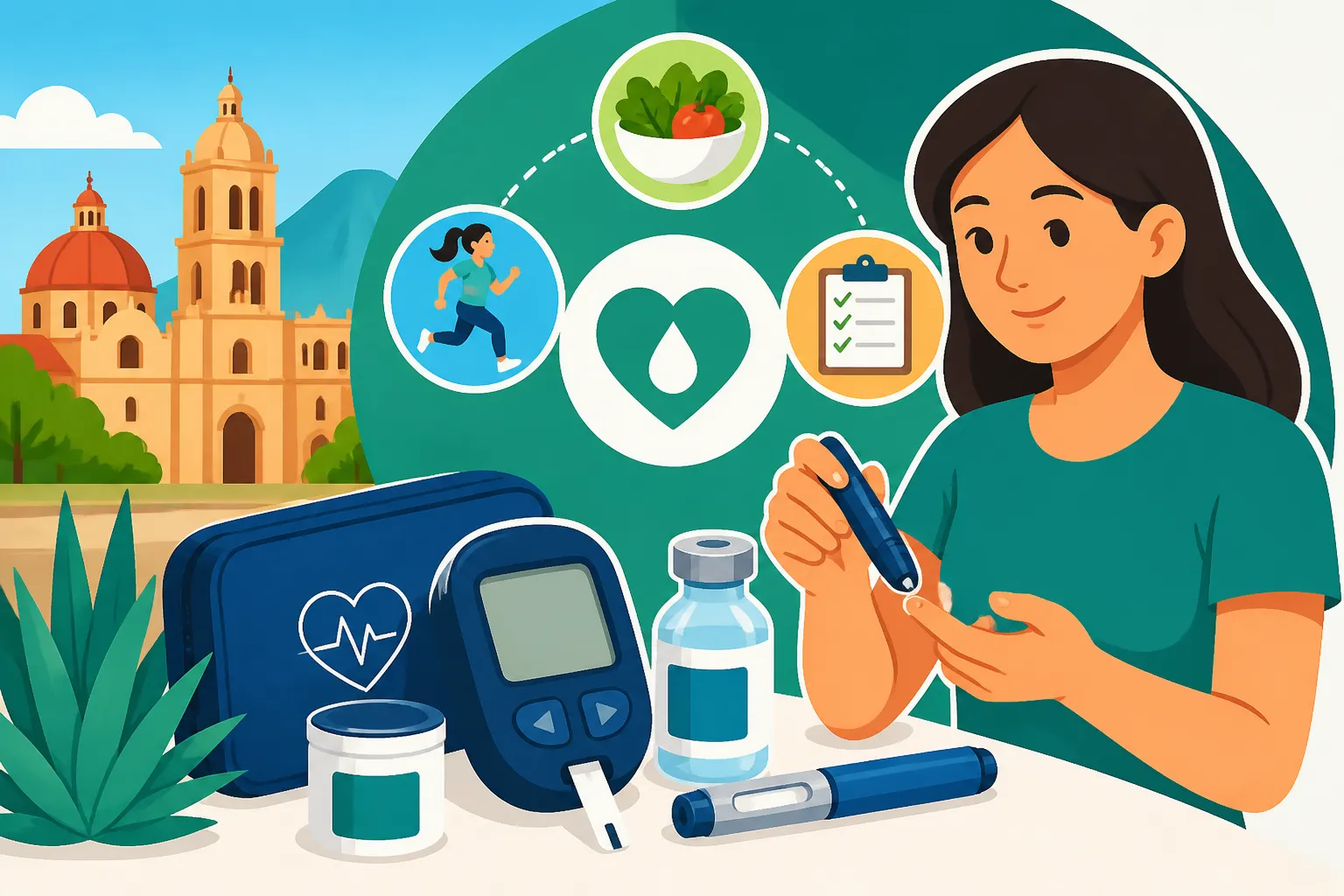
Moving to a new country with a chronic condition like diabetes can feel like you are relearning how to breathe. I vividly remember the cold sweat I broke into during my first month in Merida when I realized my insulin pump reservoirs were stuck in a customs warehouse in Mexico City. This guide is designed to stop that panic before it starts, providing a roadmap for managing diabetes care and supplies in Mexico.
Disclosure: This post may contain affiliate links. We may earn a commission at no extra cost to you if you make a purchase through these links. Read full disclosure.
Navigating the Mexican Pharmacy System for Diabetic Supplies
One of the first things you will notice when you arrive is that the pharmacy landscape is incredibly diverse, ranging from tiny corner "boticas" to massive, shiny chains like Farmacias del Ahorro or Farmacias Guadalajara. For those of us managing diabetes, the reliability of the cold chain (refrigeration) is the most critical factor. Larger chains are generally much better at maintaining the proper temperature for insulin, but it is always worth your time to ask the pharmacist to see the refrigerator and check the thermometer inside.
While Pharmacies in Mexico: How to Get Medications (OTC vs Prescription) is a great general resource, the rules for insulin are uniquely flexible. Technically, most types of insulin are sold over the counter in Mexico, meaning you do not always need a local prescription to buy a vial or a box of pens. However, I always recommend having a local doctor write one for you anyway. Not only does it help you navigate any rare pushback from a pharmacist, but it also provides necessary documentation if you need to justify your supplies at the border or to your insurance provider.
Pricing is another area where you will experience a bit of a culture shock. In many cases, the cost of insulin in Mexico is significantly lower than in the United States, often by as much as 70% or 80%. This makes it tempting to just pay out of pocket, but if you have a high-end plan like those offered by Cigna Global, you should keep all your "facturas" (official tax invoices). A simple receipt is not enough for reimbursement in the Mexican system; you must ask for a "factura" and provide your tax ID (RFC) if you have one, or use a generic "publico en general" ID if you do not.
Finding Specific Insulin Brands and Types
Most major global brands are available here, including Novolog (NovoRapid), Humalog, Lantus, and Toujeo. If you use more specialized or newer formulations, you might need to head to a specialized pharmacy like Farmacias San Pablo or search for a "Diabetcentro." These specialized hubs often carry a wider array of cooling wallets, glucose tabs, and specialized skin adhesives for sensors that smaller pharmacies simply do not stock.
If you are a digital nomad moving between cities, having a flexible plan like SafetyWing can provide peace of mind for those unexpected doctor visits when you need to switch brands because your specific analog is out of stock in a remote town. It is common to find that one chain in Oaxaca has plenty of Lantus while the one in Puerto Escondido is waiting on a shipment. Always try to maintain a two-week buffer to account for these logistical hiccups.
Monitoring Supplies and Test Strips
Glucometers and test strips are widely available, but be warned: the brands you find might be different from what you used back home. Accu-Chek and OneTouch are the dominant players in the Mexican market. If you bring a niche meter from Europe or Canada, you may find it impossible to buy the matching strips locally. I learned the hard way that it is often easier to just buy a local meter for 400 to 600 pesos so that you can walk into any Oxxo or pharmacy and find the strips you need in a pinch.
Lancets and alcohol swabs are ubiquitous and very cheap. You can find them in the "material de curacion" section of any supermarket like Soriana or Chedraui. For those who prefer a more high-tech approach, the availability of continuous glucose monitors is growing, though it still requires a bit more effort than a standard finger-stick kit.
Accessing Specialist Care: Endocrinologists and Clinics
Finding a good "endocrinólogo" is the cornerstone of your care plan. In the private sector, the quality of care is world-class, and you will often find that your specialist spends significantly more time with you than a doctor would in a rushed US clinic. When Finding English-Speaking Doctors and Specialists in Mexico, look for those who are "Certificado por el Consejo del Sistema Nacional de Salud." This ensures they have met the highest national standards for their specialty.
Private consultations usually cost between 800 and 1,800 pesos. If you are covered by a comprehensive international policy such as Cigna Global, these costs are typically covered, allowing you to access the best hospitals like the ABC Medical Center in Mexico City or Hospital Angeles in various cities. These facilities have specialized diabetes education centers where you can work with a nutritionist to adapt your diet to local Mexican ingredients, which is a game-changer for long-term management.
The Role of Public vs Private Healthcare
Many expats wonder if they should enroll in the public system, known as IMSS. While Healthcare in Mexico: Complete Guide for Expats (Public vs Private) explains the logistics, for a type 1 diabetic or someone with complex type 2 needs, the public system can be frustrating. Wait times for specialists can be months, and the brands of insulin provided are often limited to older, human insulins (NPH and Regular) rather than the modern analogs most expats prefer.
However, the public system is a great safety net. If you are a legal resident and enrolled in IMSS, your medications are provided for free at the clinic's pharmacy. This is a massive benefit if you ever face a financial crisis. Just be aware that the bureaucracy can be thick, and you will likely still want a private endocrinologist to manage your day-to-day adjustments and technology.
Laboratory Work and Regular Monitoring
Regular blood work is much easier and more affordable in Mexico than in many other countries. You do not always need a doctor’s order to get an A1c (HbA1c) test. You can simply walk into a laboratory like Chopo or Salud Digna and ask for the "perfil diabético." Salud Digna, in particular, is a social enterprise that offers incredibly low prices—often under 200 pesos for an A1c—making Lab Tests and Blood Work in Mexico: Using Local Laboratories a vital part of your routine.
Most labs will email you your results within 24 hours, often with a helpful graph showing your trends. This data is invaluable when you have your quarterly check-up with your specialist. If you are traveling frequently, having a SafetyWing policy can help cover the costs if an unexpected symptom requires a more comprehensive emergency lab panel while you are away from your home base.
Managing Technology and Continuous Glucose Monitors (CGMs)
This is where the "I've-been-there" experience really matters. If you use a Continuous Glucose Monitor (CGM) like the FreeStyle Libre or Dexcom, your strategy needs to be precise. The FreeStyle Libre 2 is now widely available in major cities and can be purchased at Farmacias San Pablo or ordered online. However, the Dexcom G6 and G7 are much harder to find through traditional retail channels in Mexico.
Many expats rely on third-party distributors or "importadores" to get their Dexcom supplies. There are several reputable Facebook groups and local diabetes associations that coordinate bulk orders. If your sensor fails and you are in a pinch, you might find yourself navigating Medical Emergencies in Mexico: What Expats Should Know and Prepare just to get a temporary replacement. This is why many veteran expats suggest keeping a "dumb" glucometer as a backup at all times.
Importing Your Own Supplies
If you decide to have your supplies shipped from home, be extremely careful. Mexican customs (Aduana) is notoriously strict regarding medical devices and "liquids" (insulin). I have seen many packages held indefinitely because the recipient did not have a specific "permiso de importación" from COFEPRIS (Mexico's version of the FDA). It is almost always better to bring a six-month supply with you in your carry-on luggage when you fly into the country.
When flying, always keep your supplies in their original packaging with the prescription labels attached. I have never had a problem with Mexican security (SEDENA or GN) when I explained, "Soy diabético, esto es mi medicina." Having a letter from your doctor in both English and Spanish is a small step that can save you hours of explaining at the airport.
Insulin Pumps and Maintenance
If you use an insulin pump (Omnipod, Medtronic, or Tandem), you must realize that local support is limited. Medtronic has the largest presence in Mexico and offers the best local technical support and supply chain. If you use Tandem or Omnipod, you will likely need to source your infusion sets and pods from abroad.
Before you move, check if your insurance, like Cigna Global, allows for "international fulfillment" of your pump supplies. Some high-end plans will coordinate the shipping of your specific medical tech directly to your door in Mexico, bypassing some of the common customs headaches. Without this, you may need to rely on "mules" (friends or family visiting) to bring your supplies in their luggage.
Practical Lifestyle Tips for Diabetics in Mexico
Living in Mexico means a change in diet, climate, and activity levels, all of which impact your blood sugar. Staying Healthy in Mexico: Essential Tips for Food, Water, and Preventive Care is a great starting point, but for diabetics, the focus must be on the "hidden" carbs in Mexican cuisine. Corn tortillas have a lower glycemic index than flour ones, but they still add up.
One of the best tools the Mexican government has introduced is the "etiquetado" system—large black octagonal stickers on food packaging that warn of "Exceso Calorías," "Exceso Azúcares," or "Exceso Carbohidratos." These are incredibly helpful for a quick glance while grocery shopping at La Comer or Soriana. However, be careful with "sugar-free" products labeled "sin azúcar," as they may still contain sugar alcohols that can upset your stomach or cause delayed glucose spikes.
| Service/Supply | Availability in Mexico | Estimated Cost (USD) |
|---|---|---|
| Humalog/Novolog (10ml vial) | High (Pharmacies) | $25 – $40 |
| FreeStyle Libre 2 Sensor | Moderate (Major Cities) | $60 – $80 |
| Endocrinologist Visit | High (Private) | $50 – $100 |
| HbA1c (A1c) Lab Test | Very High (Salud Digna) | $8 – $15 |
| Insulin Pump Supplies | Low (Specific Brands) | Varies (Usually imported) |
Handling Heat and Insulin Storage
If you are living in a coastal area like Playa del Carmen or a desert climate like Cabo San Lucas, the heat is your biggest enemy. Insulin starts to degrade when exposed to temperatures above 30°C (86°F) for extended periods. When I lived in a house with frequent power outages, I invested in a small, battery-operated medical fridge and several "Frio" cooling pouches. These pouches use evaporative cooling and are a lifesaver when you are spending a day at the beach or traveling on a long-distance bus.
Also, remember that heat can cause your body to absorb insulin faster, potentially leading to unexpected hypoglycemia. Always carry "carbohidratos de absorción rápida" like a small juice box or "Ate" (a traditional Mexican fruit paste) when you are out exploring. If you are a traveler moving through these high-heat zones, SafetyWing is a solid choice for coverage, as it is designed for the unpredictable nature of life on the road.
Finding Community and Support
You don't have to do this alone. There are thriving expat communities in places like Ajijic and San Miguel de Allende where "Diabetes Support Groups" meet regularly. These groups are goldmines for local information, such as which pharmacy currently has the best price on test strips or which local doctor is most familiar with the latest pump technology. Managing Chronic Illness in Mexico: Access to Medication and Specialists often comes down to who you know as much as what you know.
In the end, managing diabetes in Mexico requires a shift from a "reactive" mindset to a "proactive" one. You cannot assume that your specific brand of sensor will be on the shelf tomorrow, but you can be certain that with a little planning, some local connections, and the right insurance, you can live a full, vibrant, and healthy life in this beautiful country.
Disclaimer
This article is for informational purposes only and does not constitute medical or legal advice. Always consult with a qualified healthcare professional before making changes to your diabetes management plan or traveling with medical conditions. Policies regarding medication and insurance coverage, including those from SafetyWing or Cigna Global, are subject to change; always verify current requirements and coverage details directly with the providers.