Drinking Water in Mexico: Filter or Bottled? What Expats Do
One of the first things every newcomer hears when landing in Mexico is a stern warning about the water. I remember my first week in San Miguel de Allende, staring at the bathroom sink and wondering if a single drop of tap water on my toothbrush would ruin my entire month. This guide solves the confusion by breaking down exactly how expats handle drinking water, from the iconic blue jugs to high-tech home filtration.
Disclosure: This post may contain affiliate links. We may earn a commission at no extra cost to you if you make a purchase through these links. Read full disclosure.
The Infrastructure Reality of Mexican Tap Water
To understand why we don't drink from the tap, you have to look at the journey the water takes. In most Mexican municipalities, the water actually leaves the treatment plant in a relatively "potable" state, often heavily chlorinated. However, the problem lies in the distribution. Mexico’s pipe infrastructure is aging, and leaks are common, which allows groundwater contaminants and bacteria to seep into the system before the water ever reaches your home.
The Role of Cisternas and Tinacos
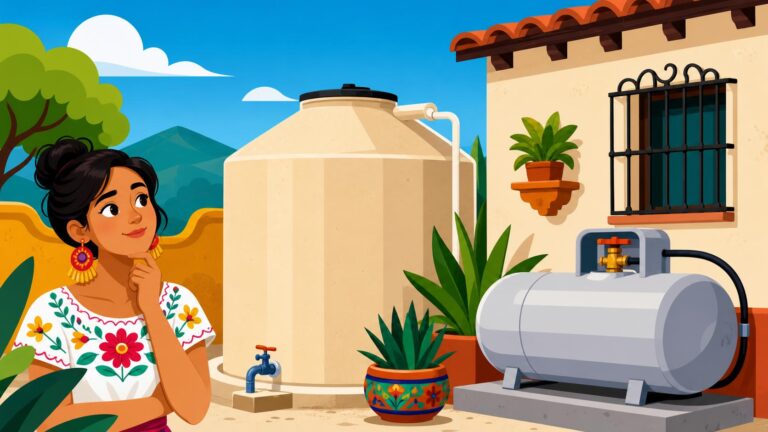
Almost every house in Mexico utilizes a two-step gravity-fed water system. Water from the street flows into a massive underground tank called a cisterna. From there, a pump sends it up to a plastic or concrete tank on the roof known as a tinaco. Because these tanks are often not airtight, they become breeding grounds for dust, insects, and occasionally small lizards or birds. Even if the city water was pristine, the storage system in your own home usually compromises its purity. This is a core part of Living in Mexico: Cultural and Practical Guide for New Expats that catches many off guard.
Regional Variations in Water Quality
Water quality isn't uniform across the country. In the Yucatán Peninsula, for instance, the water is extremely "hard" because it is drawn from limestone cenotes, leading to massive calcium buildup in pipes and appliances. In Living in Mexico City: An Expat's Guide to Neighborhoods and Lifestyle, you might find that while the central areas have decent pressure, the water carries a heavy metallic taste. Understanding your specific region's water profile is the first step in deciding whether a basic filter or a heavy-duty system is required.
The Garrafon System The Standard Expat Solution
For the vast majority of expats and locals alike, the 20-liter (approx. 5-gallon) plastic jug, known as a garrafón, is the primary source of drinking water. These blue jugs are ubiquitous. You will see them on the back of trucks, in the corner of every kitchen, and stacked outside every tienda. When you first arrive, you’ll likely head to Grocery Shopping in Mexico: Supermarkets vs Local Markets to buy your first few jugs, paying a deposit for the plastic container itself.
How to Manage Delivery and Exchanges
Once you have your empty jugs, you don't necessarily have to lug them back to the store. Most neighborhoods are serviced by water trucks from major brands like Bonafont, Epura, or Santorini. You’ll hear them coming—they often have a specific jingle, a whistle, or the driver will simply shout "¡El aguaaaaa!" at the top of his lungs. You can flag them down, and for a small fee (usually between 40 and 60 pesos in 2026), they will swap your empty jug for a full, sealed one. If you are staying at a Selina location, you'll often find these jugs provided in communal areas, as they are the lifeblood of any shared living space in Mexico.
The Logistics of Lifting and Dispensing
A full 20-liter jug weighs about 44 pounds (20kg). For many, the physical act of flipping these onto a ceramic crock or a refrigerated dispenser is the biggest downside. To solve this, many expats purchase a small, rechargeable electric pump from Amazon Mexico that sits on top of the jug. This eliminates the need for heavy lifting and allows you to keep the jug on the floor or a low shelf. While the cost is low, it’s an essential part of the Cost of Living in Mexico: 2026 Comprehensive Guide for those who prefer not to invest thousands of pesos in a permanent filtration system.
Filtration Systems Making Tap Water Safe
If you are tired of the "garrafón dance" or are worried about the environmental impact of all that plastic, installing a home filtration system is the way to go. This is a common move for long-term residents who own their homes or have permission from their landlords to make minor plumbing adjustments. It provides a level of independence that many find worth the initial investment.
Reverse Osmosis Systems
Reverse Osmosis (RO) is generally considered the gold standard for water safety in Mexico. These systems typically involve a five-stage process that removes sediment, chlorine, heavy metals, and nearly all bacteria and viruses. They usually require a dedicated small faucet installed next to your main kitchen sink. While they are highly effective, they do waste a significant amount of water during the filtration process, which is something to consider if you live in a water-scarce area like Baja California or parts of Mexico City.
UV Light and Ceramic Filters
For those who don't want the water waste of an RO system, a combination of a three-stage carbon filter and a UV (Ultraviolet) light sterilizer is a popular alternative. The carbon filters remove the "funky" tastes and physical debris, while the UV light kills the DNA of bacteria and parasites like Giardia and Cryptosporidium. These systems are easier to maintain—usually just a bulb change once a year and a filter swap every six months. You can find many of these kits and replacement parts on Amazon Mexico with quick delivery to most major cities.
| Water Method | Pros | Cons | Estimated Monthly Cost (Pesos) |
|---|---|---|---|
| Garrafón (Jug) | Cheap initial cost, widely available, no installation. | Heavy to lift, plastic waste, delivery can be inconsistent. | 200 – 400 |
| Reverse Osmosis | Purest water, very convenient, adds value to home. | High initial cost, wastes water, requires professional install. | 100 (maintenance avg) |
| UV Filtration | Kills 99.9% of bacteria, no water waste, easy maintenance. | Doesn't remove all heavy metals, requires electricity. | 80 (maintenance avg) |
| Bottled Small | Highly portable, guaranteed sealed. | Very expensive, massive environmental impact. | 1,000+ |
Practical Advice for Everyday Water Use
Living in Mexico requires a slight shift in your daily habits regarding water that goes beyond just what you drink. Even if you've done your research on Is Tap Water Safe to Drink in Mexico?, the day-to-day reality involves a few extra steps to ensure you stay healthy. I’ve found that most "stomach bugs" expats experience actually come from cross-contamination rather than drinking a glass of tap water directly.
Brushing Teeth and Washing Produce
This is the great debate among expats. Many veteran residents (myself included) eventually feel comfortable brushing their teeth with tap water, provided they don't swallow it. However, if you are new to the country or have a sensitive stomach, stick to using filtered water even for rinsing. When it comes to produce, you must use a disinfectant. Most grocery stores sell small bottles of silver ion or chlorine-based drops (often branded as Microdyn). You soak your fruits and vegetables in a bowl of tap water with these drops for 10-15 minutes to kill any lingering pathogens. This is a non-negotiable step in Staying Healthy in Mexico: Essential Tips for Food, Water, and Preventive Care.
Managing Your Home Storage Tanks
No matter what filter you install, your water is only as clean as your storage tanks. It is highly recommended to have your cisterna and tinaco professionally cleaned and disinfected at least once a year. Over time, sediment settles at the bottom, and if a lid blows off during a storm, you could have "uninvited guests" in your water supply. Hiring a local plumber for this is inexpensive and a vital part of your home maintenance checklist. If you ever do fall ill despite these precautions, check our guide on Traveler’s Diarrhea (Montezuma’s Revenge): Prevention and Treatment for recovery tips.
Staying Hydrated Outside the Home
Eating out is one of the joys of life in Mexico, but it’s where many expats feel the most vulnerable regarding water safety. The good news is that the restaurant industry in Mexico is acutely aware of water concerns. Almost every reputable restaurant uses "hielo purificado" (purified ice) and serves "agua del día" or bottled water that is perfectly safe.
Navigating Restaurants and Street Food
When you sit down at a restaurant, you’ll often be asked if you want "agua de piedra" (bottled sparkling water) or "agua natural." Both are safe. If you are ordering a "limonada," the restaurant is almost certainly using purified water from a garrafón to make it. Street food is a bit more of a gamble; look for vendors who have a visible 20-liter jug at their stand. If you’re worried about being caught without a way to search for reviews of a local spot, having an Airalo eSIM ensures you have the data needed to check expat forums or maps on the fly.
Emergencies and First Aid
Sometimes, despite your best efforts, you might accidentally ingest contaminated water. It happens to the best of us—a stray ice cube at a dive bar or a splash of water in the shower. Carrying a few rehydration salts in your bag is a smart move. For a more comprehensive list of what to keep on hand, see our article on Building a First Aid Kit: Essential Medical Supplies for Expats in Mexico. And if things get serious, it’s always good to have Health Insurance in Mexico: How Expats Can Get Coverage (2027) sorted so you can visit a private clinic without stress.
Choosing the Right Path for Your Lifestyle
Ultimately, the choice between filters and garrafones comes down to your living situation. If you are a digital nomad staying in short-term rentals for a month at a time, the garrafón system is your best friend. It’s cheap, requires zero setup, and is culturally integrated into the lifestyle. If you're staying at places like Selina, they've already done the heavy lifting for you.
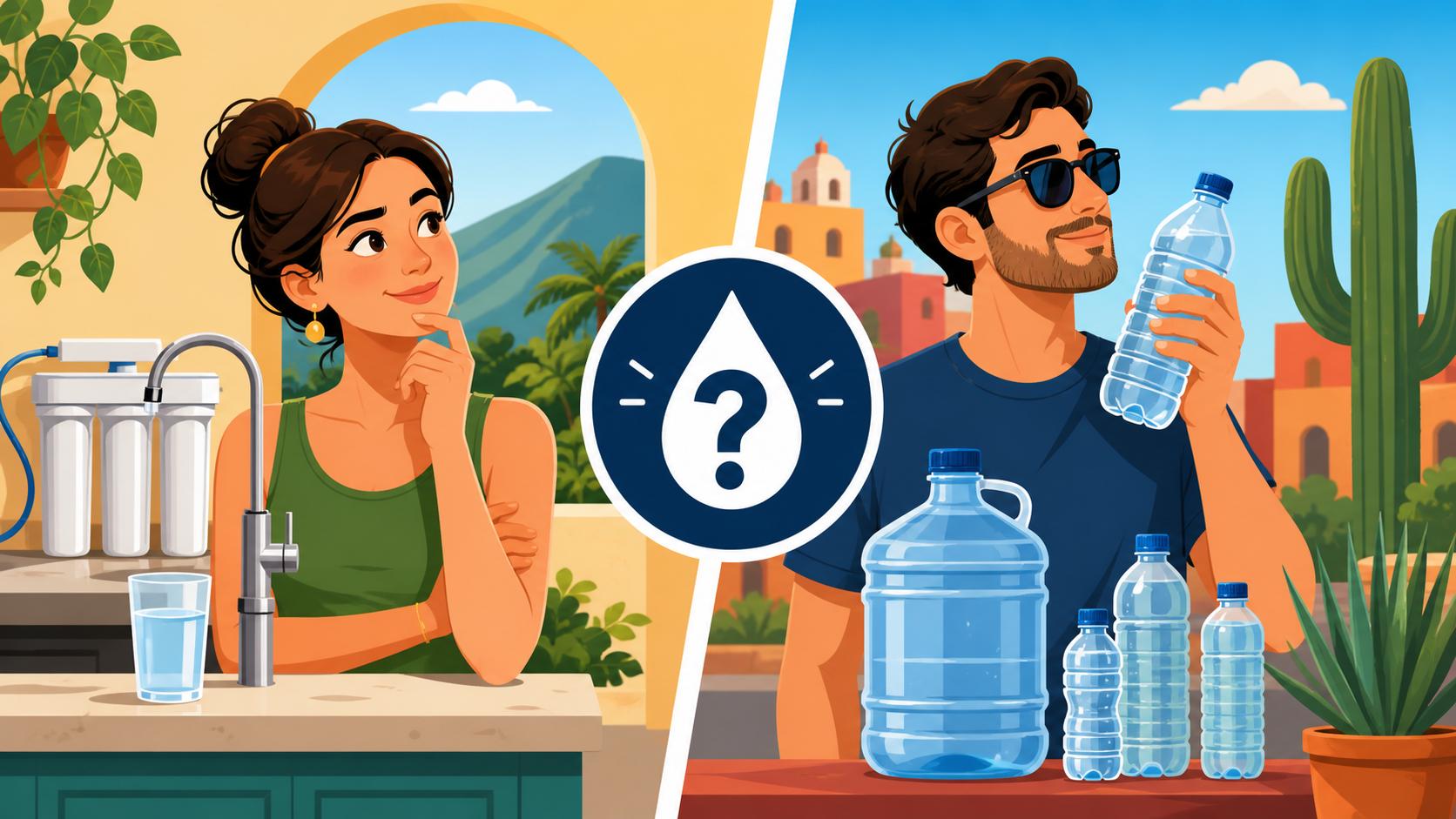
However, if you are settling in for the long haul, investing in a high-quality RO or UV system is a game-changer. It simplifies your life, reduces your environmental footprint, and gives you peace of mind. Whichever you choose, just remember: never drink from the tap, always wash your berries, and keep a spare jug of water hidden away for those days when the city water gets shut off for maintenance. Welcome to the hydrated life in Mexico.
Disclaimer
This guide is intended for informational purposes only and represents the personal experiences and observations of an expat living in Mexico. Water quality can vary significantly by municipality and individual property. Always consult with a local plumbing professional before installing filtration systems and seek medical advice from a qualified healthcare provider if you experience symptoms of water-borne illness.