Managing Chronic Illness in Mexico: Access to Medication and Specialists
Relocating to Mexico with a chronic illness requires careful planning and a deep understanding of local medical systems. This guide explores accessing specialized doctors, navigating pharmacy regulations, securing international insurance, and managing long-term healthcare costs effectively as an expatriate.
Disclosure: This post may contain affiliate links. We may earn a commission at no extra cost to you if you make a purchase through these links. Read full disclosure.
The Healthcare Landscape for Chronic Conditions
Managing a chronic illness abroad fundamentally changes how you interact with a foreign country’s infrastructure. In Mexico, the healthcare system is highly bifurcated, and understanding the stark contrast between the public and private sectors is the first critical step in ensuring your condition is managed safely, continuously, and comfortably.
Navigating Public vs Private Healthcare Sectors
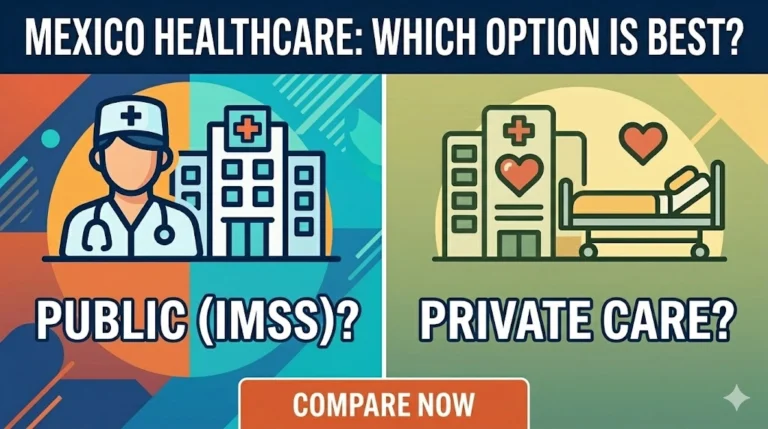
Mexico operates a massive public healthcare system, primarily administered by the Instituto Mexicano del Seguro Social (IMSS). For expats who obtain legal residency, voluntary enrollment in IMSS is an option that provides access to free doctor visits, hospitalizations, and medications. However, if you are managing a severe chronic condition—such as multiple sclerosis, advanced cardiovascular disease, or an autoimmune disorder—the public system presents significant, often insurmountable challenges. IMSS facilities are chronically underfunded and heavily overcrowded. Wait times to see a specialized endocrinologist or rheumatologist can stretch into several months, and scheduling an elective but necessary MRI can take equally as long. Furthermore, the IMSS pharmacy formulary is highly restricted, meaning doctors can only prescribe basic, older generic medications rather than cutting-edge biologic treatments.
Because of these logistical hurdles, the vast majority of expats with chronic health needs rely entirely on Mexico’s private healthcare sector. The private system operates on a direct fee-for-service model and mirrors the high-end medical networks found in the United States and Canada. In the private sector, gatekeeper referrals are virtually nonexistent; if you experience a severe rheumatoid arthritis flare-up, you can call a private specialist and secure an appointment within 48 hours. You have total autonomy to choose your physician, access top-tier diagnostic imaging immediately, and utilize modern treatment protocols. Understanding this divide is essential, and you can explore the structural differences deeply in our guide on Healthcare in Mexico: Complete Guide for Expats (Public vs Private).
While the private sector offers undeniable speed and comfort, it requires robust financial planning. Private hospitals function as commercial businesses, and complex chronic care can become expensive over years of treatment. Therefore, expats must carefully weigh the immediate accessibility of the private sector against their long-term medical budget.
Standards of Care and Medical Technology
A common, outdated misconception is that relocating to Mexico means sacrificing the quality of your medical care. In the private sector, this is entirely false. Major Mexican metropolitan areas—specifically Mexico City, Monterrey, and Guadalajara—boast world-class medical infrastructure. Hospital networks such as Hospitales Angeles, Star Médica, and Hospital San José invest heavily in state-of-the-art medical technology. You will find advanced oncology wings equipped with linear accelerators, specialized cardiac catheterization labs, and robotic surgery suites utilizing the Da Vinci surgical system.
Furthermore, many of these elite private hospitals hold international accreditations from the Joint Commission International (JCI), which is the exact same governing body that accredits the top hospitals in the United States and Europe. This accreditation guarantees that the hospital adheres to the strictest global protocols regarding patient safety, cross-contamination prevention, and emergency response. If your chronic illness requires complex, ongoing interventions, such as regular chemotherapy infusions or specialized dialysis, you can receive this care in environments that are indistinguishable from luxury hospitals in your home country.
The physicians staffing these premium facilities are exceptionally qualified. A significant percentage of Mexican specialists who cater to the expatriate community have completed post-graduate fellowships or surgical residencies abroad in the US, Canada, or Europe. This cross-border education ensures they are intimately familiar with the latest global treatment protocols for complex chronic diseases, allowing for a seamless transition of your care plan when you move across the border.
The Importance of International Health Insurance
When dealing with a chronic illness, relying solely on out-of-pocket cash payments is a highly dangerous financial strategy. While routine doctor visits in Mexico are incredibly affordable, a sudden hospitalization due to a severe complication can quickly deplete your life savings. However, securing local Mexican private health insurance (Gastos Médicos Mayores) is notoriously difficult for individuals with established medical histories. Local insurers act as strict risk managers and will routinely deny applications or place permanent exclusions on any pre-existing conditions declared during the underwriting process.
This reality highlights the absolute necessity of exploring premium global health policies. International providers like Cigna Global offer highly customizable policies engineered specifically for the expatriate lifestyle. While international plans also heavily scrutinize pre-existing conditions, premium providers often offer medical underwriting processes that may cover your condition after a designated waiting period, or they can offer comprehensive coverage for all new conditions while excluding the existing one. It is vital to speak with an insurance broker well before your move to understand your specific eligibility.
Securing a policy from a provider like Cigna Global not only protects you against catastrophic hospital bills in Mexico but also offers crucial portability. If you require highly specialized surgical intervention for your chronic condition and prefer to have the procedure done by a world-renowned expert back in the United States or Europe, a premium international plan allows you to travel for planned medical care. To navigate the complex underwriting rules regarding your specific diagnosis, reviewing Pre-Existing Conditions: Will Mexican Health Insurance Cover You? is a mandatory step in your relocation planning.

Sourcing Essential Medications Abroad
Ensuring an uninterrupted supply of your life-saving daily medications is the most immediate logistical hurdle you will face upon moving to Mexico. The pharmaceutical landscape operates under different legal classifications, naming conventions, and pricing structures than you are likely accustomed to.
Availability of Brand Name vs Generic Drugs
In Mexico, medications are distinctly categorized into two groups: medicamentos de patente (brand-name originator drugs) and medicamentos genéricos (generic drugs). If you manage a common chronic condition like essential hypertension, high cholesterol, or Type 2 Diabetes, transitioning your medication will be incredibly easy and financially rewarding. The Mexican government, through its regulatory body COFEPRIS, strictly regulates the generic drug market to ensure absolute bioequivalence to the original brand names. Generic medications are ubiquitous, highly effective, and cost a fraction of what they do in the United States.
However, if your chronic illness requires a highly complex, recently developed medication—such as advanced biologic injections for Crohn’s disease, specialized immunosuppressants, or targeted oral chemotherapy drugs—the generic equivalent likely does not exist yet due to international patent laws. In these cases, you must purchase the medicamento de patente. Expats are often shocked to discover that these highly specialized, imported brand-name drugs can cost exactly the same in Mexico as they do in the US, and sometimes even more due to heavy import tariffs.
Therefore, before you commit to moving, you must absolutely verify if your specific medication is available locally and how much it costs. You cannot search by your home country’s brand name; you must research the active chemical ingredient. Understanding how to cross-reference these pharmaceuticals is vital, and you can learn exactly how to do this by reading Mexican vs U.S. Medication Brands: Finding Equivalent Drugs.
Navigating Pharmacy Regulations and Prescriptions
The pharmacy (farmacia) culture in Mexico is highly accessible. You will find major chains like Farmacias del Ahorro, Farmacias Guadalajara, and Farmacias San Pablo on almost every commercial street. Many medications that require a strict doctor’s prescription in North America—such as muscle relaxants, high-strength NSAIDs, and basic cholesterol pills—are sold directly over the counter in Mexico. This allows expats to manage mild, chronic pain or standard maintenance without the recurring cost and hassle of visiting a doctor just for a refill slip.
However, Mexico enforces a strict “zero tolerance” policy for specific controlled substances to combat drug abuse and antibiotic resistance. You absolutely cannot purchase antibiotics, strong psychotropic drugs (like Xanax or Valium), ADHD medications (like Adderall), or heavy opioid painkillers without a formal, written prescription from a licensed Mexican physician. Furthermore, these controlled medications require a highly specialized, barcoded prescription pad, meaning not every general practitioner is legally authorized to prescribe them.
If your chronic pain or neurological condition requires these Group II or Group III controlled substances, your foreign prescription is entirely useless at a Mexican pharmacy. You must establish a relationship with a local specialist immediately upon arrival to secure a legal, localized prescription. To understand exactly how these regulatory tiers function at the pharmacy counter, review Pharmacies in Mexico: How to Get Medications (OTC vs Prescription).
Importing Specialized Supplements and Nutritional Support
Many chronic illnesses, particularly autoimmune disorders, gastrointestinal diseases, and inflammatory conditions, require intense dietary management that goes far beyond conventional pharmaceuticals. Expats often rely on highly specific, clinical-grade nutritional supplements to keep their symptoms in remission.
While Mexican pharmacies stock basic vitamins, finding highly specialized holistic products—such as specific strains of refrigerated probiotics, standardized Ashwagandha extract, pure liposomal Vitamin C, or clean whey protein isolates free of artificial sweeteners—can be incredibly frustrating. Local health food stores often carry limited inventory, and the imported products they do stock are frequently marked up by 200% to 300%.
To maintain their specialized dietary regimens without breaking the bank, proactive expats bypass the local supply chain entirely by utilizing international platforms like iHerb. Because iHerb has optimized its shipping routes specifically for the Mexican market, expats can reliably order their preferred, trusted international brands of therapeutic supplements and have them delivered directly to their Mexican address, bypassing complex customs delays. This ensures that your foundational nutritional support remains absolutely consistent, regardless of where you choose to live in the country.
Finding the Right Medical Specialists
The success of managing a chronic illness abroad relies entirely on the quality of the relationship you build with your primary specialist. Finding a doctor who not only understands the pathology of your disease but also communicates in a way that makes you feel heard and respected is paramount.
Researching Bilingual Doctors and Clinics
When searching for a neurologist, oncologist, or rheumatologist in Mexico, language fluency is a non-negotiable requirement. Medical terminology is incredibly nuanced; attempting to describe the specific radiating pattern of nerve pain or the exact side effects of a new medication through a broken translation app is dangerous. You must find a specialist who speaks excellent, highly functional medical English.
Fortunately, in major expat hubs and metropolitan centers, bilingual specialists are abundant. The best way to identify these doctors is through community vetting. Expat Facebook groups, local international community centers, and consular provider lists are goldmines of information. When an expat finds an exceptional cardiologist who listens patiently and speaks perfect English, they will enthusiastically share that recommendation with the community. For a structured approach to utilizing these directories and verifying a doctor’s credentials (known as their Cédula Profesional), consult Finding English-Speaking Doctors and Specialists in Mexico.
Once you find a potential doctor, you will likely be pleasantly surprised by the cultural differences in bedside manner. In North America, insurance quotas often force doctors to limit appointments to a rushed 15 minutes. In Mexico’s private sector, the approach is profoundly more empathetic and unhurried. An initial consultation with a specialist will typically last 45 minutes to an hour. They will take the time to comprehensively review your entire medical history, explain their treatment philosophy, and build genuine personal rapport.
Establishing a Continuity of Care Plan
A successful transition requires meticulous preparation before you ever leave your home country. You must bring comprehensive physical and digital copies of your entire medical history. This includes detailed surgical operative reports, recent MRI or CT scan imaging on a USB drive, a timeline of medication trials (including what failed and why), and the latest comprehensive blood panels from your previous doctor.
Because your new Mexican specialist will be taking over a complex, ongoing case, they need this data to establish a baseline. While many top-tier specialists read English perfectly, it is highly recommended to have the most critical summaries of your medical history professionally translated into Spanish. This prevents any critical nuances from being lost in translation and ensures your new doctor can instantly integrate your records into their local clinic’s system. For guidance on navigating this specific logistical hurdle, read Do You Need to Translate Medical Records into Spanish for Mexican Doctors?.
Do not wait for a severe flare-up to locate a specialist. You should schedule an initial “meet and greet” consultation within your first 30 days of arriving in Mexico. Use this appointment to establish yourself as an active patient, secure your local Mexican prescriptions, and agree upon an emergency action plan for when your symptoms inevitably worsen.
Telemedicine and Remote Consultations
Managing a highly rare or complex chronic illness often means that the absolute foremost expert in your specific disease resides back in your home country. Relocating to Mexico does not mean you have to sever ties with that trusted professional. The global rise of telehealth has revolutionized how expats manage complex care across borders.
Many expats establish a hybrid care model. They utilize a local Mexican specialist to handle immediate physical exams, order routine diagnostic laboratory tests, and legally prescribe necessary daily medications. Simultaneously, they schedule quarterly, secure video consultations with their primary specialist in the US, Canada, or the UK. The expat simply emails the digital PDF lab results generated by the Mexican clinic to their foreign doctor for high-level review and strategic adjustments.
If your home country doctor suggests tweaking your holistic regimen during a remote call, you can instantly implement their advice by ordering the exact requested supplements through iHerb, ensuring you remain compliant with their expert nutritional guidance. Furthermore, the Mexican private sector has deeply embraced domestic telehealth. Many local specialists offer remote follow-ups via WhatsApp video, saving you the physical exhaustion of traveling to a clinic when you are simply reviewing routine blood work. To explore how to seamlessly integrate these digital services into your life, review Telemedicine in Mexico: Accessing Online Doctor Consultations as an Expat.
Cost Analysis and Financial Planning
Affordability is a major factor driving expatriation, but managing a chronic illness requires moving beyond generalized assumptions about “cheap Mexican healthcare” and building a highly accurate, resilient long-term financial budget.
Out of Pocket Expenses for Routine Treatments
The day-to-day management of a chronic illness often falls below the high deductibles of major medical insurance policies, meaning expats generally pay for routine care out of pocket in cash. Thankfully, these costs are remarkably low in the Mexican private sector. A comprehensive consultation with a board-certified, bilingual specialist typically ranges from $40 to $80 USD.
Diagnostic testing is similarly affordable and incredibly accessible. Mexico relies heavily on independent, standalone medical laboratories—such as Laboratorio Médico del Chopo or Salud Digna—where you can walk in without a doctor’s referral and request a comprehensive metabolic panel or a thyroid screening for $20 to $40 USD. This pricing structure empowers patients to proactively monitor their own health metrics as frequently as they need without worrying about insurance pre-authorizations or crippling copays. For a detailed breakdown of how to utilize these independent facilities, see Lab Tests and Blood Work in Mexico: Using Local Laboratories.
Managing Currency Exchange for Healthcare Bills
When you are paying out of pocket for monthly specialist visits, frequent diagnostic imaging, and recurring pharmacy runs, the logistical method of payment becomes a critical financial issue. Mexican private clinics, independent laboratories, and commercial pharmacies require payment in local currency (Mexican Pesos).
If you consistently swipe a standard US or European bank card to pay these recurring medical bills, you are quietly hemorrhaging money. Traditional banks frequently apply hidden foreign transaction fees of 3% per swipe, compounded by terrible, heavily marked-up currency exchange rates. Over a year of managing a chronic illness, these invisible banking surcharges can easily add up to hundreds, or even thousands, of wasted dollars.
Financially astute expats completely eliminate this friction by utilizing sophisticated multi-currency platforms like Wise. By setting up a Wise account, you can instantly and securely transfer funds from your home country pension or savings account into a localized Mexican Peso balance at the true, mid-market exchange rate. Using a Wise debit card at the local pharmacy or the specialist’s reception desk ensures that your carefully planned healthcare budget is spent entirely on your physical healing, rather than enriching traditional banking institutions.
Budgeting for Long Term Medical Needs
To provide a clear, realistic perspective on the ongoing financial realities of managing a chronic illness abroad, the following table compares the estimated out-of-pocket costs for common recurring medical services in Mexico against typical uninsured costs in the United States.
| Medical Service / Treatment | Estimated Cost USA (Uninsured/High Deductible) | Estimated Cost Mexico (Private Sector) |
| Specialist Consultation (e.g., Neurologist) | $250 – $500+ | $50 – $90 |
| Comprehensive Blood Panel (Walk-in Lab) | $150 – $400 | $25 – $50 |
| Routine MRI Scan (Non-contrast) | $1,000 – $3,000 | $150 – $350 |
| Physical Therapy Session (1 Hour) | $100 – $200 | $25 – $45 |
| Generic Blood Pressure Medication (Monthly) | $20 – $50 | $5 – $15 |
While these out-of-pocket prices are highly favorable, expats must budget for the reality of medical inflation and the potential necessity of complex surgical interventions. Relying on an international policy from Cigna Global to cover the catastrophic risks, while utilizing a Wise account to efficiently manage the cheap, daily out-of-pocket expenses, represents the most financially secure, hybrid approach to long-term chronic care. For a more exhaustive look at surgical pricing and extended hospital stays, review Healthcare Costs in Mexico: Doctor Visits, Hospital Stays, and Surgery Expenses.
Lifestyle Adjustments for Chronic Illness Patients
Medical care is only one half of the chronic illness equation. The physical environment, local diet, and daily lifestyle in Mexico will profoundly impact how your body feels and functions. Proactive adaptation is essential to keeping your symptoms in remission.
Adapting to Local Diets and Food Allergies
The traditional Mexican diet is vibrant, incredibly flavorful, and relies heavily on fresh, whole foods like tomatoes, avocados, beans, and lean proteins. However, it can also present hidden dangers for expats managing specific gastrointestinal conditions like Celiac disease, Irritable Bowel Syndrome (IBS), or severe inflammatory disorders.
Traditional cooking methods in Mexico frequently utilize pork lard (manteca) for frying beans or preparing tamales, which can trigger severe digestive distress or gallbladder issues for unaccustomed expats. Furthermore, while authentic corn tortillas are naturally gluten-free, cross-contamination with wheat flour in bustling local bakeries or street food stalls is virtually guaranteed, posing a massive risk for Celiacs. Expats must learn the specific Spanish vocabulary needed to clearly and firmly communicate their severe dietary restrictions to restaurant staff.
When local supermarkets fail to stock the specialized, allergen-free staples you rely on, maintaining your gut health requires creative sourcing. Expats managing strict dietary protocols heavily rely on global delivery services like iHerb to stock their Mexican pantries with certified gluten-free baking flours, specific digestive enzymes, hypoallergenic protein powders, and organic anti-inflammatory teas. Navigating this culinary transition safely is a complex process detailed further in Managing Food Allergies and Special Diets in Mexico.
Managing Climate and Altitude Variations
Mexico is a massive country featuring extreme geographical diversity, and the specific microclimate of the city you choose to live in will directly impact your chronic condition.
For example, Mexico City sits in a high-altitude valley at over 7,300 feet (2,240 meters) above sea level. The air is exceptionally thin, and the city frequently battles severe smog and thermal inversions during the dry winter months. For expats suffering from Chronic Obstructive Pulmonary Disease (COPD), severe asthma, or complex cardiovascular issues, relocating to Mexico City or high-altitude colonial towns like San Miguel de Allende can trigger dangerous, immediate exacerbations of their symptoms. Understanding how your body reacts to these environments is critical, a topic covered extensively in Altitude Sickness in Mexico: Tips for Adjusting to High Elevations.
Conversely, choosing to live in a tropical coastal hub like Playa del Carmen or Puerto Vallarta means dealing with relentless, year-round heat and extreme humidity. While the warm weather can be incredibly soothing for expats suffering from rheumatoid arthritis or chronic joint pain, the intense humidity can severely aggravate certain dermatological conditions like eczema or trigger aggressive mold allergies. Before signing a long-term lease, expats with chronic illnesses should ideally spend a month renting in their target city during its most extreme weather season to accurately gauge how their body physically responds to the local climate.
Building a Local Support Network
Chronic illness can be deeply isolating, and experiencing a severe medical flare-up while living thousands of miles away from your established family support structure can lead to severe anxiety and depression. Building a robust, highly reliable local support network immediately upon arrival is just as important as finding a good doctor.
Engage actively with local expatriate organizations, community centers, and specialized social media groups. You will often find dedicated support groups for specific conditions, such as diabetes management circles or arthritis support meetups, where you can share localized tips on navigating pharmacies and recommending empathetic doctors. Building friendships with bilingual locals or seasoned expats ensures you have someone to call who can translate for you in an emergency room or drive you to a physical therapy appointment when you are too exhausted to navigate traffic.
Furthermore, the cost of labor in Mexico makes hiring professional in-home assistance highly accessible. If your condition causes periods of severe physical limitation, you can easily and affordably hire a trusted local housekeeper to manage the physically demanding tasks of cooking and cleaning, or even hire a trained, registered nurse for daily medical check-ins. Exploring these localized care options provides an incredible layer of safety and comfort, which you can learn more about in Senior Care in Mexico: Assisted Living and Home Care Options. By combining world-class private medicine, secure financial planning, and a strong community network, you can ensure your life in Mexico is defined by vibrant experiences rather than your medical limitations.
References
Primary sources (official)
- Secretaría de Salud (Mexican Ministry of Health) – Chronic Disease Information: https://www.gob.mx/salud
- COFEPRIS (Federal Commission for the Protection against Sanitary Risks): https://www.gob.mx/cofepris
Other helpful sources
- World Health Organization (WHO) – Mexico Health Profile: https://www.who.int/countries/mex
- Pan American Health Organization (PAHO) – Health in the Americas, Mexico Profile: https://hia.paho.org/en/country-profiles/mexico
Disclaimer
The information provided in this article is for educational and informational purposes only and does not constitute medical, legal, or financial advice. Healthcare regulations, pharmaceutical availability, and insurance underwriting rules in Mexico are subject to change without notice. Always consult directly with a qualified, licensed medical professional regarding the specific management of your chronic illness, and speak with a certified international insurance broker to evaluate your coverage options before relocating abroad.