Whale Shark Tours Near Cancun and La Paz: Operators and Season
Oh, the sheer thrill of planning an encounter with a whale shark! If you’ve ever dreamed of swimming alongside these gentle giants, you're not alone. It's a bucket-list item for so many expats and visitors to Mexico, but figuring out where to go, when to go, and most importantly, how to book a responsible tour can feel like navigating a maze. Forget the guesswork and sketchy street vendors; this guide will walk you through everything you need to know to find reputable operators and experience an ethical, unforgettable whale shark tour near Cancun and La Paz, making sure your adventure is as magical as you imagine.
Disclosure: This post may contain affiliate links. We may earn a commission at no extra cost to you if you make a purchase through these links. Read full disclosure.
The Magic of Swimming with Whale Sharks in Mexico: An Unforgettable Experience
There’s something truly humbling about sharing the ocean with the largest fish in the world. Whale sharks, despite their impressive size, are filter feeders, completely harmless to humans, and incredibly graceful in the water. Mexico offers some of the best opportunities globally to witness these magnificent creatures up close in their natural habitat. It's an experience that transcends a simple swim; it's a profound connection with nature that stays with you long after you've dried off.
For many years, I've heard stories from friends and fellow expats, some glowing with wonder, others tinged with disappointment from tours that didn't live up to expectations. The key, I've found, is doing your homework and choosing wisely. You want to remember the ethereal dance of the whale shark, not the frustration of a disorganized or unethical tour.
Why Mexico is a Prime Destination for Whale Shark Encounters
Mexico isn't just a popular tourist destination; it's a crucial part of the whale shark migration route, especially for two distinct populations. The warm, nutrient-rich waters of both the Caribbean Sea off the Yucatán Peninsula and the Sea of Cortez in Baja California Sur create ideal feeding grounds for these colossal fish. This means seasonal predictability and a high chance of sightings, which is exactly what you want when you're investing in such a unique experience.
Off the coast of Quintana Roo, near Cancun, Isla Mujeres, and Holbox, the confluence of the Caribbean Sea and the Gulf of Mexico creates a rich plankton bloom. This natural buffet attracts hundreds of whale sharks, making it one of the largest aggregations known in the world. Imagine a vast expanse of ocean, and then suddenly, these massive, polka-dotted forms emerge, mouth agape, feeding peacefully. It’s an almost surreal sight that keeps people coming back year after year. Similarly, in the Sea of Cortez near La Paz, the rich biodiversity often referred to as "the world's aquarium" by Jacques Cousteau, draws another significant population of whale sharks. The calm, clear waters here offer different but equally spectacular encounters, often in a more tranquil setting. These unique environments are why Mexico has become a mecca for whale shark enthusiasts.
Understanding the Gentle Giants: Whale Shark Biology and Behavior
Before you jump into the water, it helps to understand a bit about these incredible animals. Whale sharks (Rhincodon typus) are indeed sharks, not whales, belonging to the class Chondrichthyes, which includes all cartilaginous fish. They can grow up to 18 meters (60 feet) long, with mouths over a meter wide, but don't let their size intimidate you. Their diet consists almost exclusively of plankton, small fish, and krill, which they filter from the water as they swim with their massive mouths open.
They are pelagic, meaning they live in the open ocean, but they regularly come to the surface to feed, which is why tours are so successful. Each whale shark has a unique pattern of spots, like a human fingerprint, allowing researchers to identify individual animals. They are slow-moving, generally swimming at around 5 kilometers per hour (3 miles per hour), making them accessible for swimming alongside. However, it's crucial to remember that they are wild animals, and their behavior dictates the interaction. Responsible tour operators understand and respect this, ensuring that human presence does not disturb their natural feeding or migration. This respect for their natural behavior is paramount, ensuring these majestic creatures continue to thrive.
Timing Your Adventure: Whale Shark Season in Cancun and La Paz
One of the most critical factors for a successful whale shark encounter is timing. These animals are migratory, following the plankton blooms, so their presence in any given area is seasonal. Trying to book a tour outside of these windows will lead to disappointment, which is a feeling no one wants after making the effort to travel. Each location in Mexico offers a distinct season, catering to different travel plans and preferences. Knowing these dates is your first step to planning an epic trip.
Cancun and the Yucatán Peninsula: When to Go and What to Expect
The whale shark season in the waters off Cancun, Isla Mujeres, and Holbox typically runs from late May or early June through mid-September or early October. The peak months are generally July and August, when the aggregations are at their largest and sightings are almost guaranteed. This period coincides with the region's hot and humid summer, and also with hurricane season, so it's something to keep in mind for travel insurance and flexibility. Despite the heat, the water temperatures are glorious, making for a comfortable swim.
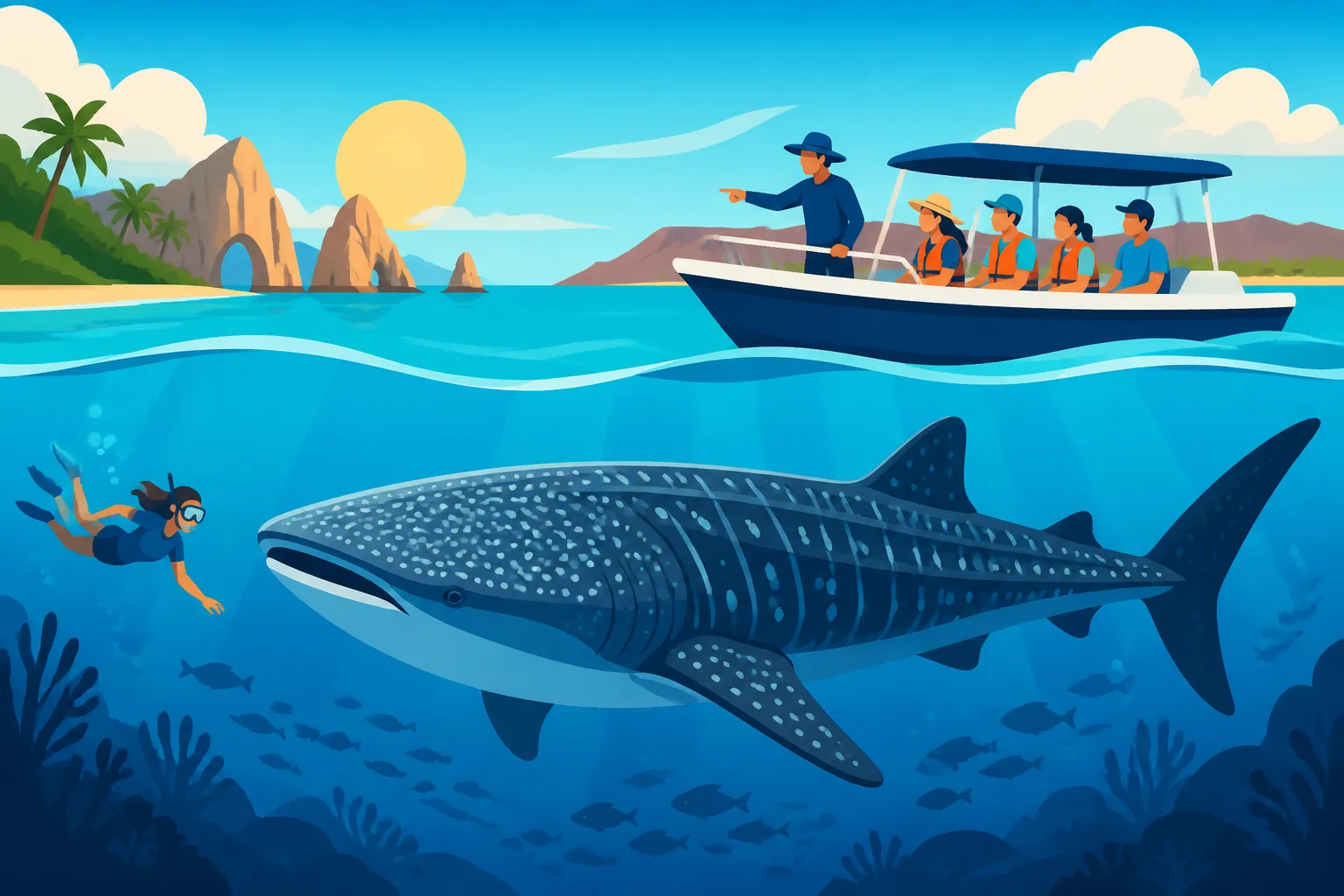
A typical tour from Cancun or Isla Mujeres usually starts early in the morning with a boat ride out to the feeding grounds, which can be anywhere from 45 minutes to 2 hours offshore. Boats are usually small, accommodating around 8-10 people plus guides. Once a whale shark is sighted, swimmers go in small groups (often two people plus a guide) to minimize disturbance. You might get several opportunities to swim alongside different whale sharks throughout the morning. Tours often include a stop for snorkeling at a reef and a fresh ceviche lunch before returning in the early afternoon. It's a full-day adventure, so prepare for sun exposure and potential motion sickness. You'll want to review Travel Insurance for Trips to Mexico to ensure you're covered for any unexpected changes due to weather or other issues.
La Paz and Baja California Sur: Best Months for Encounters
In contrast to the Caribbean, the whale shark season in the Bay of La Paz, Baja California Sur, runs from approximately October or November through April or May. The cooler, calmer waters of the Sea of Cortez provide a different, yet equally spectacular, backdrop for these encounters. This season conveniently avoids the intense summer heat and hurricane season of the Caribbean side, making it an attractive option for those who prefer milder weather.
The experience in La Paz is often described as more intimate due to the generally calmer waters and the fact that the feeding grounds are often closer to shore within the Bay of La Paz. This means shorter boat rides, typically 30-60 minutes, and generally smoother sailing, which is great news if you're prone to seasickness. Tours here also involve small groups entering the water with a guide, ensuring minimal impact on the whale sharks. La Paz tours also usually include lunch and perhaps a stop at a beautiful beach like Balandra or Tecolote on the way back. The Sea of Cortez is renowned for its incredible marine biodiversity, so you might also spot dolphins, sea lions, and various other fish species during your trip. For more on what this region has to offer, check out our guide to Baja California: Beaches, Wine, and Whale Watching.
Choosing the Right Operator for Your Whale Shark Tour: Safety and Ethics First
This, my friends, is arguably the most crucial section. You're entrusting your safety, your money, and the well-being of these magnificent creatures to the tour operator. I've heard too many stories of people cutting corners, picking the cheapest option, and ending up with a chaotic, overcrowded, or even unsafe experience. Don't be that person! Investing a little extra time and effort into choosing a reputable company will pay dividends in peace of mind and an truly ethical, memorable adventure. This is where a reliable booking platform can become your best friend.
What to Look for in a Reputable Whale Shark Tour Company
When you’re looking to book a whale shark tour, discerning a good operator from a less-than-stellar one is key. First and foremost, check that the company holds the necessary permits from SEMARNAT (Mexico's Secretariat of Environment and Natural Resources). This isn't just bureaucracy; it ensures they operate legally and adhere to strict regulations designed to protect marine life. Any reputable operator will be proud to display their permits or mention their adherence to these guidelines.
Next, prioritize companies that emphasize small group sizes both on the boat and in the water. Overcrowding stresses the animals and diminishes your experience. Look for tours that send only two swimmers into the water with a guide at a time per whale shark. Experienced guides, particularly those with a background in marine biology or extensive local knowledge, are invaluable. They not only ensure your safety but also provide educational insights into the whale sharks and their habitat. They'll also enforce the strict "no touching, maintain distance" rules, which are non-negotiable. Finally, check that quality equipment (snorkeling gear, life vests) is provided, and that a clear safety briefing is given before you even leave the dock. Trust me, you want an operator that values the whale sharks' well-being as much as your own. Many travelers find that platforms like Viator simplify this search process by curating highly-rated and compliant local partners.
Navigating Booking Platforms: Why Viator Stands Out
In a world teeming with options, how do you sift through dozens of local operators, particularly when you’re not physically in Mexico yet? This is where booking platforms become incredibly useful, and Viator really shines for experiences like whale shark tours. Rather than trying to vet individual companies from afar, which can be daunting and hit-or-miss, Viator aggregates a wide selection of local tour providers. This means you have access to a variety of options, but with the added layer of trust and convenience that a large, established platform provides.
What makes Viator a real hero in this scenario? Their platform features user reviews and ratings, offering invaluable social proof. You can read firsthand accounts from other travelers, giving you a realistic picture of what to expect from specific operators. This transparency helps you avoid those chaotic, overcrowded tours I mentioned earlier. Furthermore, booking through Viator often means secure online payment, instant confirmation, and, crucially, flexible cancellation policies. This is a big deal, especially for wildlife tours which can be subject to weather changes or unexpected animal behavior. Knowing you can typically get a full refund if your plans change or the tour is cancelled by the operator due to unforeseen circumstances provides a huge amount of peace of mind. Many of the reputable, permitted local tour operators you’ll want to consider for your whale shark adventure use Viator as their primary booking channel, making it a convenient one-stop shop for finding the best experiences.
Essential Questions to Ask Before Booking Your Tour
Before you finalize your booking, whether through Viator or directly, arm yourself with these questions. They'll help you gauge the operator's commitment to safety, ethics, and customer satisfaction:
- What is the maximum group size on the boat? Smaller is always better for a more personal experience and less disturbance to the whale sharks.
- How many swimmers are allowed in the water at one time with a whale shark? The fewer, the better for both you and the animal. Mexican regulations typically limit it to two swimmers plus a guide per whale shark.
- Is snorkeling equipment (mask, snorkel, fins, life vest) provided, and is it in good condition? You don't want foggy masks or ill-fitting fins ruining your swim.
- Is transportation included from my accommodation? This can save you a lot of hassle, especially if you're staying further out from the main departure points.
- What is your policy if we don't see any whale sharks? While rare during peak season, it's possible. Reputable operators might offer a partial refund, a rebooking, or a discount on another tour. Understand this upfront.
- Is food and drink included? Most full-day tours include water, soft drinks, and a light lunch (often ceviche). If you have dietary restrictions, this is the time to ask about Managing Food Allergies and Special Diets in Mexico.
- Are there any age or swimming ability restrictions? While you don't need to be an Olympic swimmer, basic comfort in the water is essential, and younger children might have limitations.
- Are marine biologists or certified naturalist guides on board? This signals a deeper commitment to education and conservation.
Asking these questions helps you set clear expectations and ensures you choose a tour that aligns with responsible tourism practices.
Preparing for Your Whale Shark Expedition: Tips for a Smooth Trip
Once you've chosen your tour, the excitement truly begins! But don't let that excitement overshadow practical preparations. A little foresight goes a long way in ensuring your day is comfortable, safe, and entirely focused on the amazing experience of being with the whale sharks. From what to wear to how to handle unexpected bumps in the road, being prepared means you can relax and soak it all in.
What to Pack and Wear for Your Whale Shark Swim
Imagine being out on the open ocean for several hours – the sun can be intense! Here's a checklist for what to bring:
- Swimwear: Wear it under your clothes to save time.
- Reef-Safe Sunscreen: This is non-negotiable. Regular sunscreens contain chemicals that are harmful to marine life. Look for zinc oxide or titanium dioxide-based sunscreens.
- Hat and Sunglasses: Protection from the sun is crucial, even when cloudy.
- Towel: Essential for drying off after your swims.
- Rash Guard or Light Long-Sleeved Shirt: Offers excellent sun protection in the water.
- Change of Clothes: For a more comfortable ride back.
- Motion Sickness Medication: If you're at all prone to seasickness, take it an hour before the boat departs. The open ocean can be choppy!
- Waterproof Camera (GoPro, waterproof phone case): You'll want to capture these moments! Just remember to keep a respectful distance and not use flash photography.
- Reusable Water Bottle: Many operators provide water, but having your own means less plastic waste.
- Small Backpack: To keep all your essentials organized and dry.
- Light Jacket or Windbreaker: It can get breezy on the boat, especially early morning or on the ride back.
Remember, less is more on a boat. Only bring what you genuinely need. For more general advice on packing for Mexico's coastal regions, our What to Pack for a Beach Trip in Mexico article can offer further guidance.
Health and Safety Considerations on the Water
Your safety is paramount, and a good operator will always prioritize it. However, it's also your responsibility to be aware and prepared.
- Motion Sickness: This is probably the most common issue. Take preventative measures if you're susceptible. Sit in the middle or back of the boat where movement is less pronounced, and keep your eyes on the horizon.
- Sun Exposure: Even with reef-safe sunscreen, prolonged exposure can lead to sunburn. Seek shade on the boat when possible, and reapply sunscreen frequently, especially after swimming.
- Hydration: Drink plenty of water throughout the day. The combination of sun, salt, and activity can lead to dehydration quickly.
- Follow Guide Instructions: Listen attentively to your guides. They know the area, the whale sharks, and the safety protocols. Their instructions are for your safety and the well-being of the marine life. This includes maintaining distance from the whale sharks (no touching!), not blocking their path, and entering/exiting the water as directed.
- Swimming Ability: While life vests are usually mandatory in the water for whale shark swims, you should still be comfortable swimming in open ocean conditions. If you're not a strong swimmer, inform your guide so they can provide extra assistance.
These simple steps can significantly enhance your comfort and safety, allowing you to focus on the incredible wildlife experience. For general safety information across the country, consult our Staying Safe in Mexico: Practical Tips for Travelers.
Understanding Tour Logistics and What to Expect on the Day
Knowing the flow of the day helps manage expectations and reduces any anxiety. While each tour might vary slightly, here’s a general rundown of what your whale shark day will likely look like, whether you're departing from Cancun or La Paz:
- Early Morning Pick-Up/Meeting: Most tours start early, often between 6:00 AM and 7:00 AM. This is to get out to the whale sharks before other boats and when the water conditions are often calmer. If transportation is included, you'll be picked up from your hotel. Otherwise, you'll meet at a designated marina or dive shop.
- Briefing and Gear Distribution: Once at the departure point, your guides will give you a comprehensive safety briefing, explain the rules for interacting with whale sharks (always respectful distance, no flash photography, no touching), and hand out snorkeling gear.
- Boat Ride to the Feeding Grounds: This can be anywhere from 30 minutes to two hours, depending on the location and where the whale sharks are that day. Use this time to apply sunscreen, take motion sickness medication if needed, and enjoy the open water.
- Whale Shark Encounters: This is the main event! The captain and crew will spot the whale sharks from a distance. When it’s your turn, you’ll slip into the water, usually in pairs or small groups with a guide, and swim alongside these magnificent creatures. You might get several opportunities throughout the morning, as different whale sharks are encountered.
- Lunch and Reef Snorkel (Optional): After the whale shark swims, many tours include a stop at a calm, shallow area for a fresh lunch (often ceviche, fruit, and drinks) and some relaxed snorkeling on a coral reef. This is a lovely way to unwind and discuss your incredible experience.
- Return to Shore: You’ll typically be back at the marina by early to mid-afternoon (e.g., 2:00 PM to 4:00 PM), followed by transport back to your accommodation if it was included.
Keep in mind that wildlife sightings are never 100% guaranteed, even during peak season, as these are wild animals. However, reputable operators in the right season have a very high success rate. The whole day is an adventure, so embrace the journey, not just the destination!
Beyond the Whale Sharks: Exploring Cancun and La Paz
A whale shark tour is undeniably a highlight, but both Cancun and La Paz offer so much more for visitors and residents. Don't just come for the sharks; stay and explore the rich culture, natural beauty, and vibrant communities. Integrating your tour into a larger itinerary can turn a single experience into a truly immersive Mexican adventure.
Making the Most of Your Time in Cancun and the Yucatán
Cancun is often seen as just a party town or a gateway to the Riviera Maya, but it's much more. After your exhilarating whale shark tour, you might be craving some relaxation or further exploration. The Hotel Zone boasts world-class resorts, beautiful beaches, and excellent dining. For a more local flavor, head downtown to explore Parque Las Palapas for street food, live music, and artisan markets.
The Yucatán Peninsula, with Cancun as a jumping-off point, is a treasure trove of activities. You can delve into ancient Maya history at Chichén Itzá or Tulum ruins, swim in mystical cenotes (natural sinkholes), or explore charming colonial cities like Valladolid or Mérida. Taking a ferry over to Isla Mujeres offers a more laid-back island vibe with golf cart rentals and stunning beaches. If you're considering expanding your visit to see more of the region's natural and historical wonders, our guide to The Yucatán Peninsula: Beaches, Ruins, and Cenotes is an excellent resource. Remember, booking other excursions, like more tours on Viator, can also save you time and provide peace of mind with reputable operators.
Discovering the Charms of La Paz and Baja California Sur
La Paz offers a distinctly different pace from Cancun. It's a charming, laid-back city on the Sea of Cortez, perfect for those seeking tranquility and authentic Baja experiences. After your whale shark swim, take a stroll along the malecon (waterfront promenade), lined with beautiful sculptures, cafes, and ice cream parlors. Enjoy the fresh seafood at one of the many excellent restaurants, especially the regional specialties like almejas chocolatas (chocolate clams).
Beyond the city, Baja California Sur beckons with incredible natural landscapes. You can take a boat trip to Isla Espíritu Santo, a UNESCO World Heritage site, for snorkeling with sea lions, kayaking, and hiking. The desert landscape meets the sea, creating dramatic vistas perfect for photography. The nearby beaches of Balandra and Tecolote are famous for their calm, clear turquoise waters and iconic mushroom-shaped rock formations. La Paz is also a great base for exploring further south to the charming Pueblo Mágico of Todos Santos, or venturing into the Sierra de la Laguna mountains. For those interested in the driving options for exploring this beautiful region, refer to our article on Renting a Car in Mexico: Insurance and Driving Tips.
No matter which location you choose for your whale shark adventure, consider extending your stay to truly immerse yourself in the unique magic of Mexico. Booking your whale shark tour through a trusted platform like Viator means you can confidently plan this highlight, then turn your attention to the many other wonders awaiting you!
| Feature / Location | Cancun & Yucatán Peninsula | La Paz & Baja California Sur |
|---|---|---|
| Whale Shark Season | Late May/Early June – Mid-Sep/Early Oct | Oct/Nov – April/May |
| Peak Months | July, August | Dec – March |
| Water Type | Caribbean Sea (warm) | Sea of Cortez (calm, clear) |
| Typical Boat Ride | 45 min – 2 hours (open ocean) | 30 min – 1 hour (bay waters) |
| Climate | Hot, humid, hurricane season overlap | Milder, less humid, desert climate |
| Other Activities | Maya ruins, cenotes, resorts, islands | Sea lion snorkeling, desert landscapes, authentic city vibe |
| Best For | Large aggregations, vibrant tourist infrastructure | Calmer waters, intimate encounters, marine biodiversity |
Disclaimer
This article is for general informational purposes only and does not constitute professional advice. Laws, prices and regulations vary by location and change over time. Consult a qualified professional for guidance on your specific situation.